
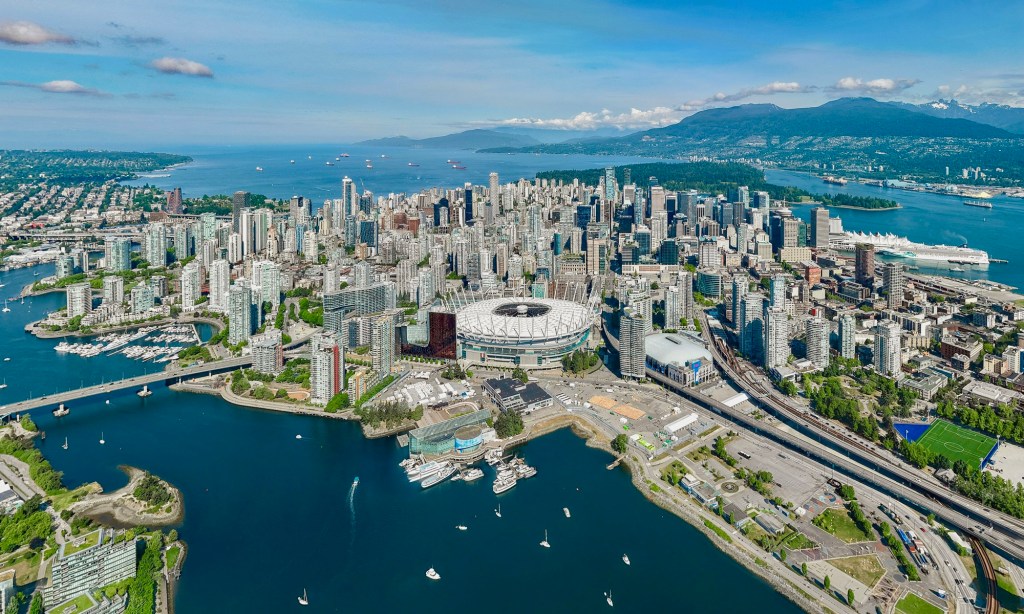
Vancouver is a major city in Western Canada, located in the Lower Mainland region of British Columbia. As the most populous city in the province, the 2021 Canadian census recorded 662,248 people in the city, up from 631,486 in 2016. The Greater Vancouver area had a population of 2.6 million in 2021, making it the third-largest metropolitan area in Canada after Toronto and Montreal. The region, together with the Fraser Valley, makes up the Lower Mainland, which has a total population of over 3 million.
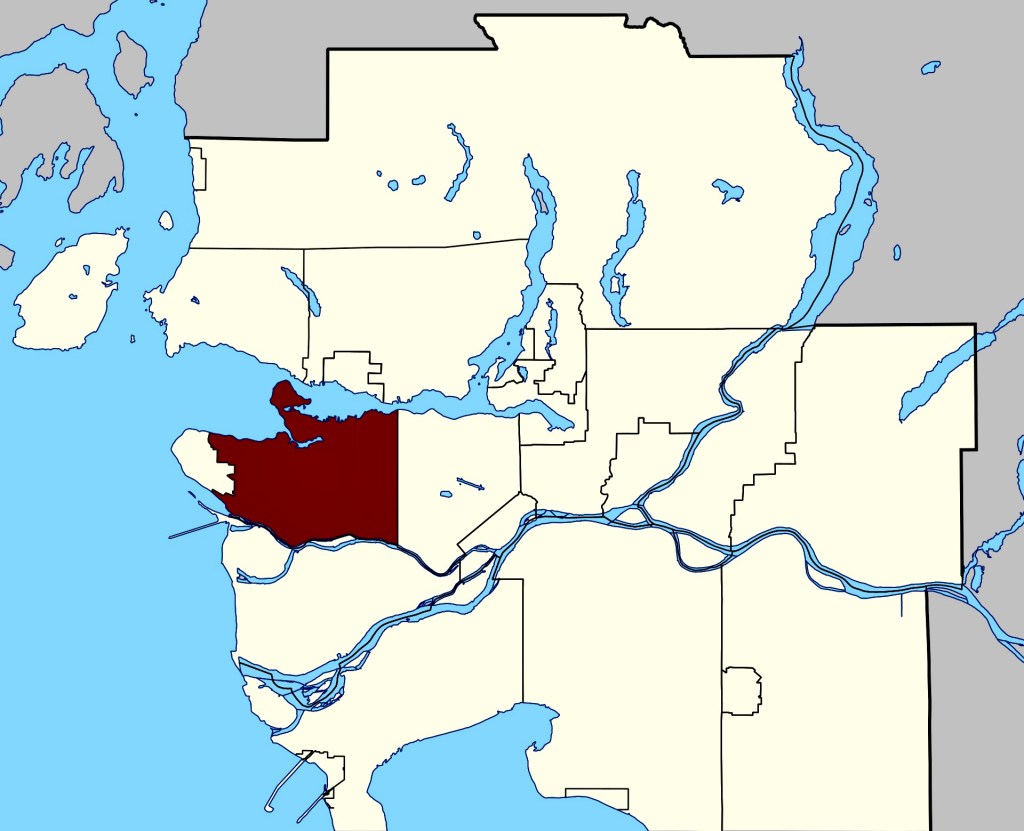
Vancouver has the highest population density in Canada, with over 5,700 inhabitants per square kilometre (15,000/sq mi), and the fourth highest in North America (after New York City, San Francisco, and Mexico City).
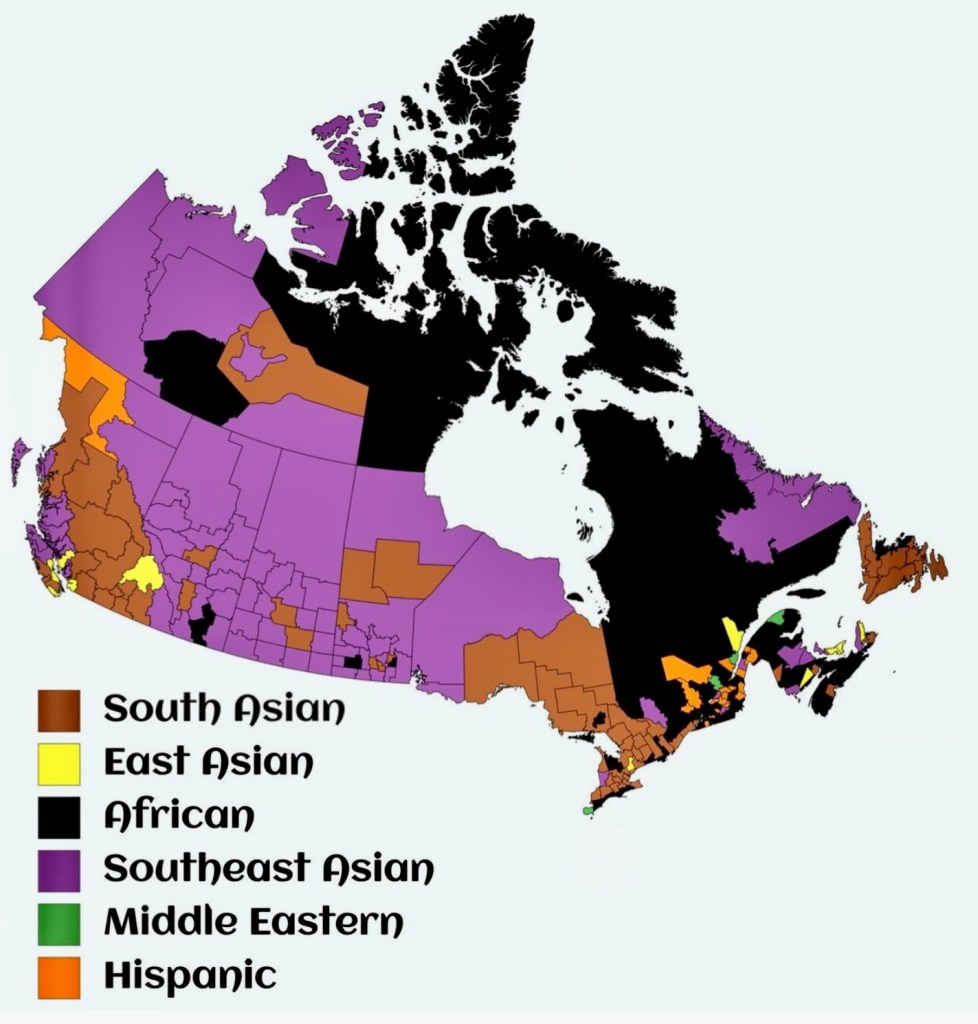
Vancouver is one of the most ethnically and linguistically diverse cities in Canada: 49.3 percent of its residents are not native English speakers, 47.8 percent are native speakers of neither English nor French, and 54.5 percent of residents belong to visible minority groups.
[In Canada, a visible minority (French: minorité visible) is a demographic category of people, defined by the Government of Canada as “persons, other than aboriginal peoples, who are non-Caucasian in race or non-white in colour”.]
The city takes its name from George Vancouver, who explored the inner harbour of Burrard Inlet in 1792 and gave various places British names. The family name “Vancouver” itself originates from the Dutch “van Coevorden”, denoting somebody from the city of Coevorden, Netherlands. The explorer’s ancestors came to England “from Coevorden”, which is the origin of the name that eventually became “Vancouver”.
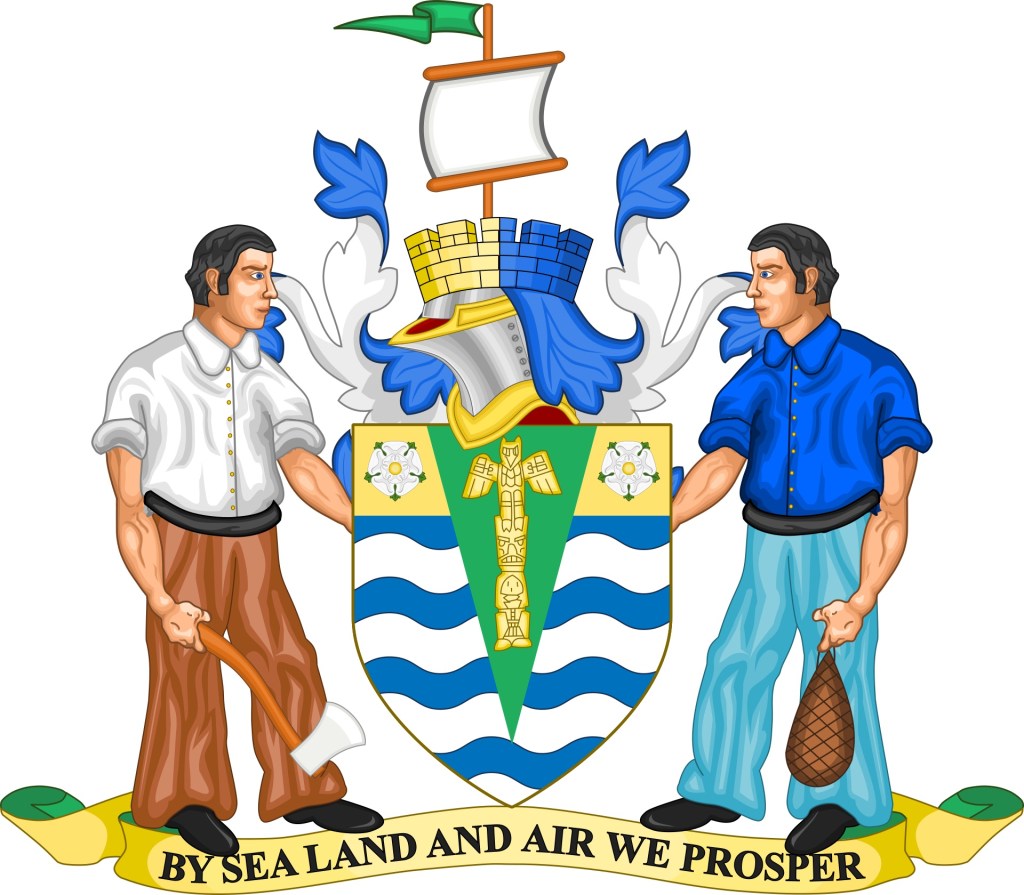
Work on the coat of arms began in 1886. It underwent various changes and attempts at being officially accepted by heraldic agencies. The final version is above and completed in 1969.
The shield thing is called a ‘pile’, it contains the blue waves of the ocean, the green (for the land) banner with a kind of ‘cadeus’ (mythological symbol – but in this case a First Nation totem pole. It is crowned to demonstrate being under the King of Britain. There is a mast of a ship (the ocean) with a green banner (the land). The shield is being held up by a sailor on one side and a lumberman on the other. The motto, ‘By land and by sea’ we prosper’ is an almost original motto since Vancouver’s founding.
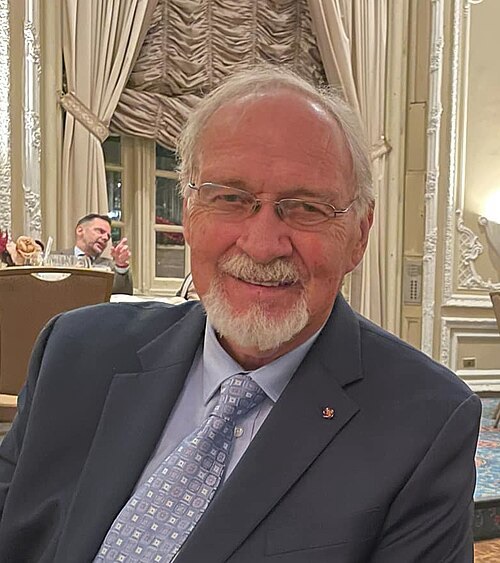
Robert Douglas Watt (born 1945) is a former Canadian museum curator and officer of arms who served as the first Chief Herald of Canada.
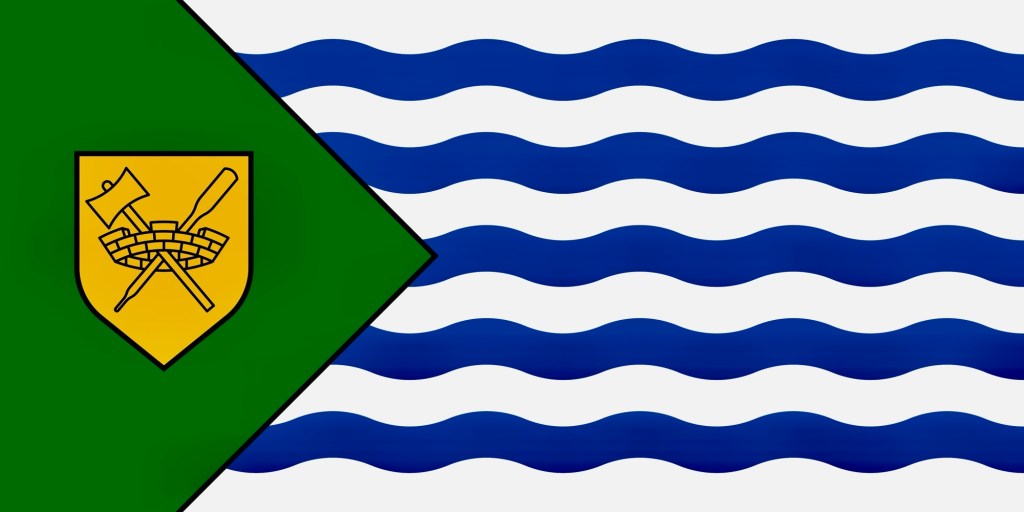
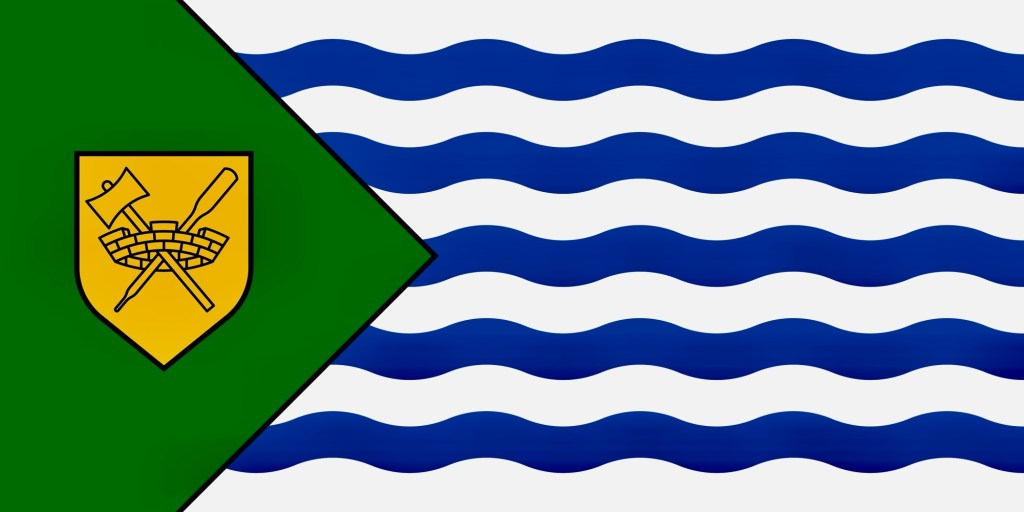
The flag of Vancouver is a white field with five wavy blue bars and a green pentagon on the hoist side surmounted by a gold shield with the city badge, which consists of a mural crown with a crossed axe and paddle. It was adopted by Vancouver City Council on May 17, 1983, and designed by Robert Watt.
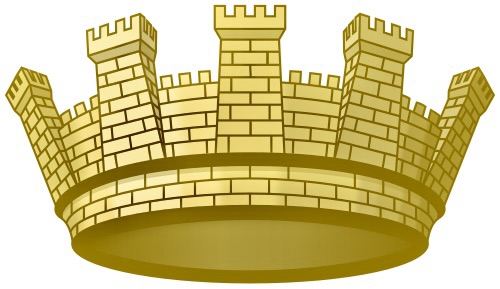
The white and blue symbolize Vancouver‘s position as a natural harbour on the Pacific Ocean, while the green pentagon represents the land on which the city was built, and the forests that stood on the land. These features echo the motto on the pre-1969 municipal coat of arms “By Sea and Land We Prosper”. The mural crown in the city badge reflects Vancouver’s status as an incorporated city, while the axe and paddle stand for the city’s traditional industries, logging and fishing.
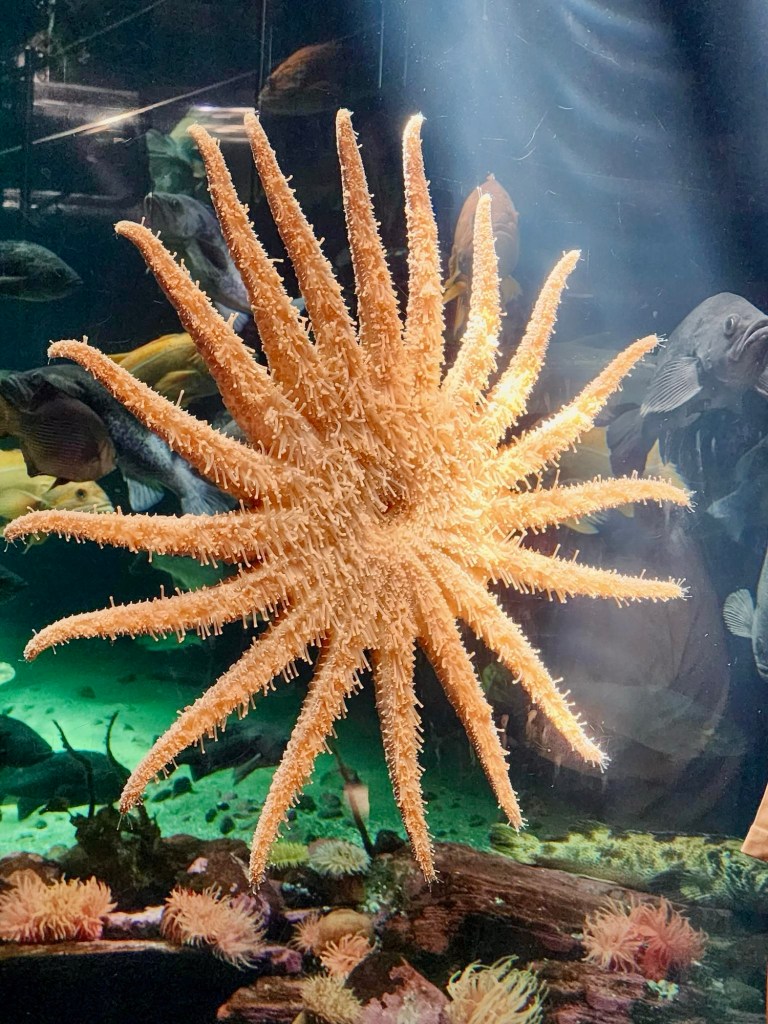
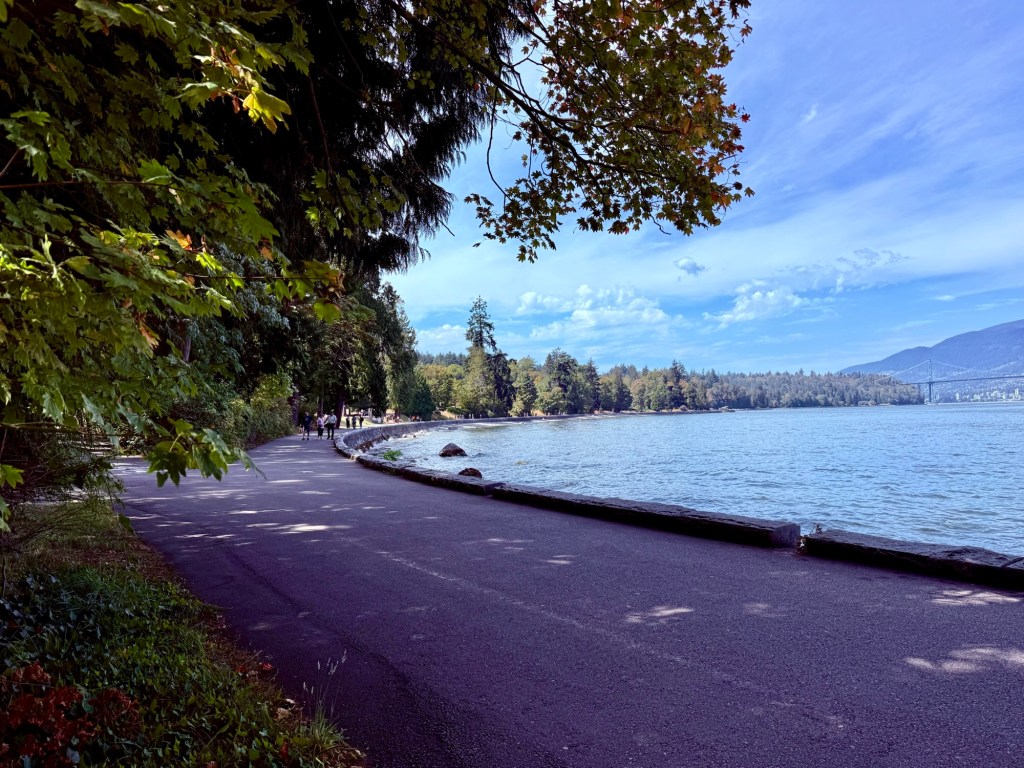
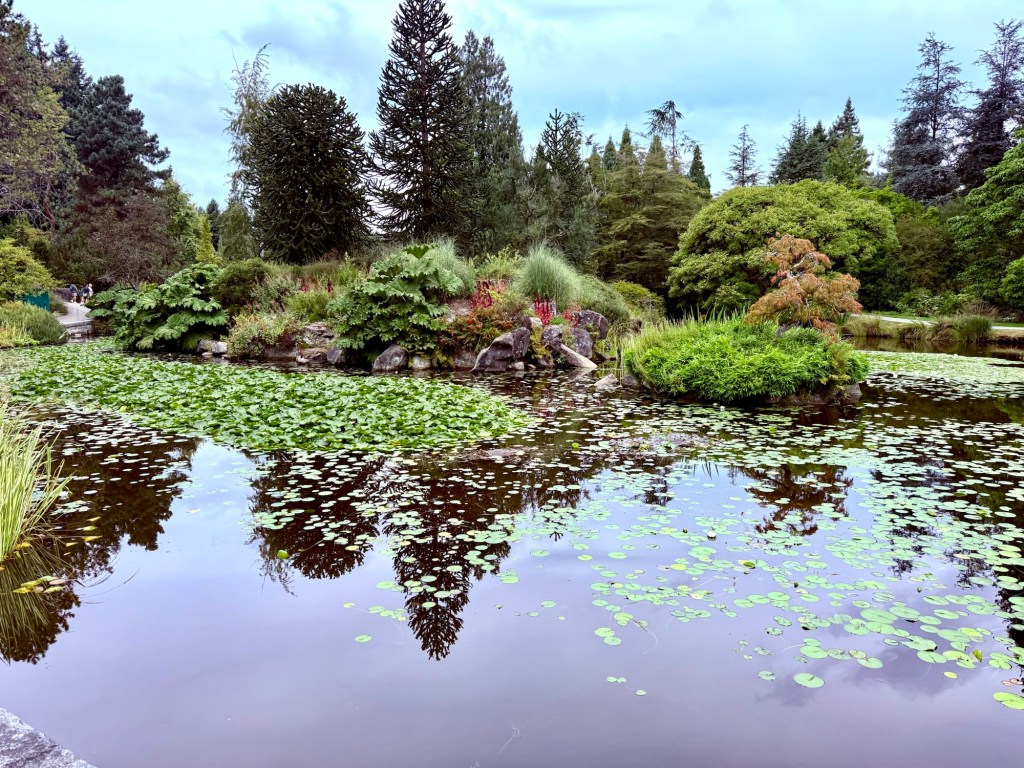
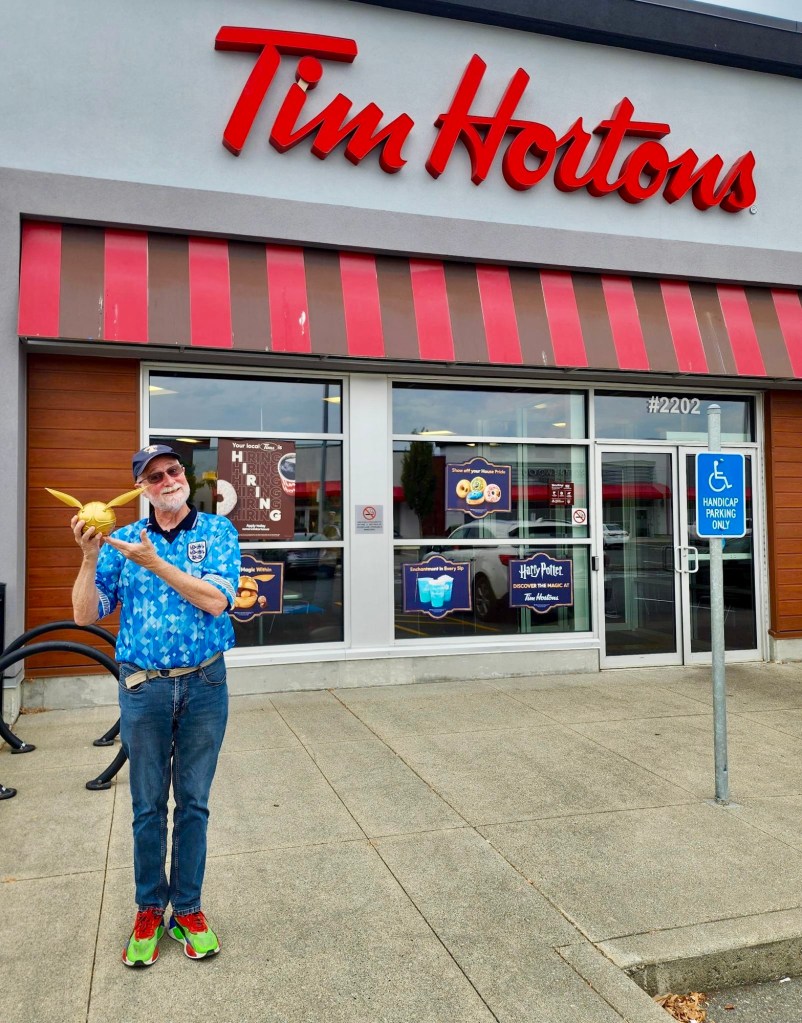
We spent time in Vancouver this year and found it fascinating and a bustling modern city.


Leave a Reply