

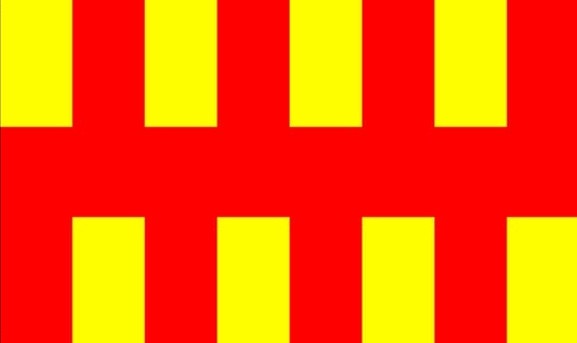
The Kingdom of Northumbria. Northumbria (/nɔːrˈθʌmbriə/; Old English: Norþanhymbra rīċe[ˈnorˠðɑnˌhymbrɑ ˈriːt͡ʃe]; Latin: Regnum Northanhymbrorum) was an early medieval Anglian kingdom in what is now Northern England and South Scotland. It existed from approximately 651 to 954 – pre invasion by the Norse (Vikings).
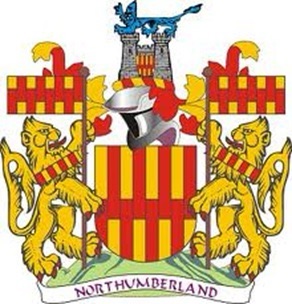
The Anglo-Saxon kingdom of Northumbria was originally two kingdoms divided approximately around the River Tees: Bernicia was to the north of the river and Deira to the south. It is possible that both regions originated as native Celtic British kingdoms, which the Germanic settlers later conquered, although there is very little information about the infrastructure and culture of the British kingdoms themselves. Much of the evidence for them comes from regional names that are British rather than Anglo-Saxon in origin.
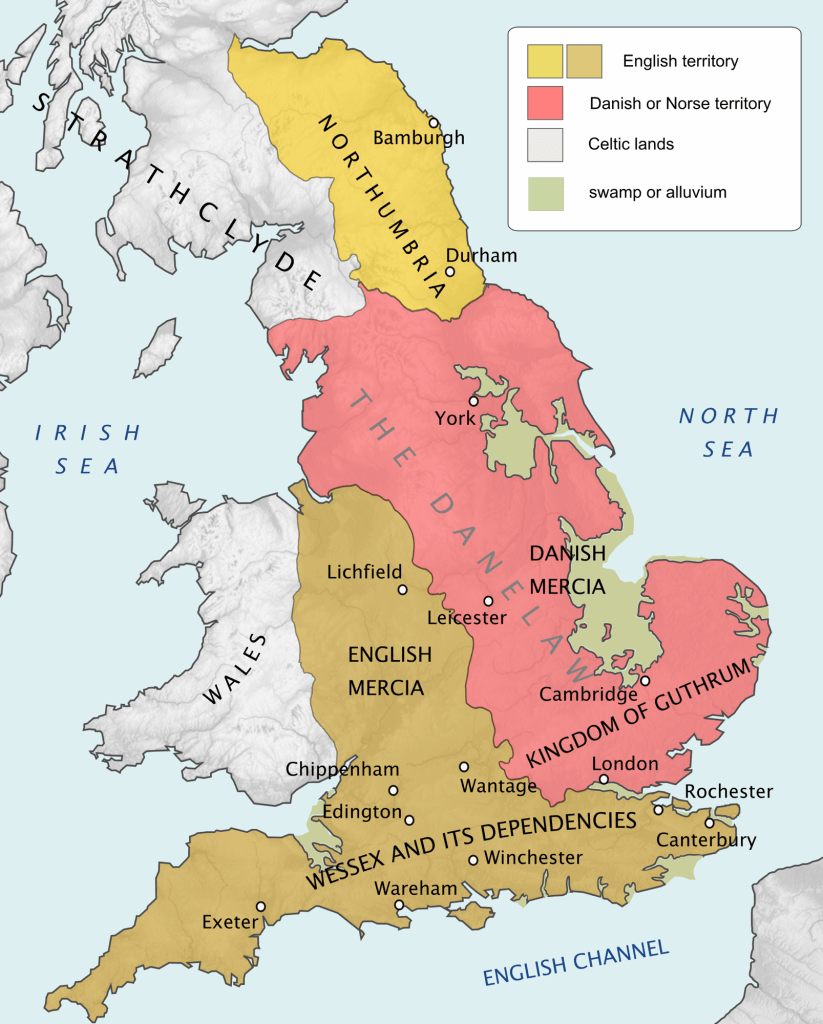
With the Viking invasion came a splitting up of the once North Umbria Kingdom.

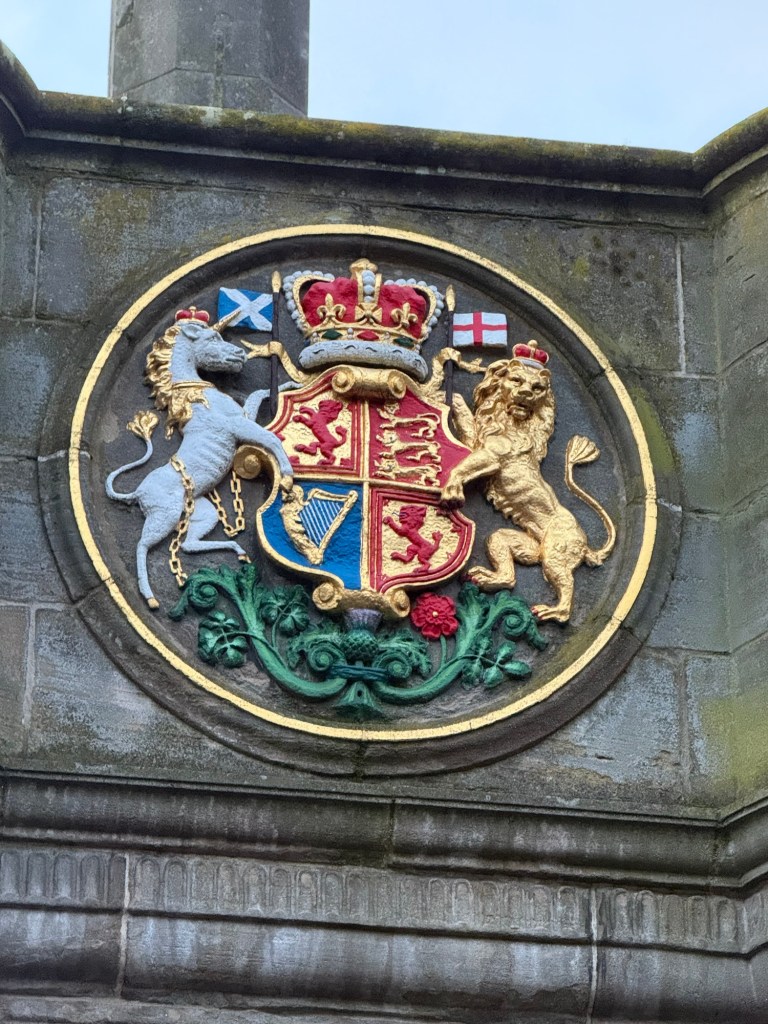
Having spent three weeks traveling around the United Kingdom and The Republic of Ireland, we learned a great deal about this part of the world.

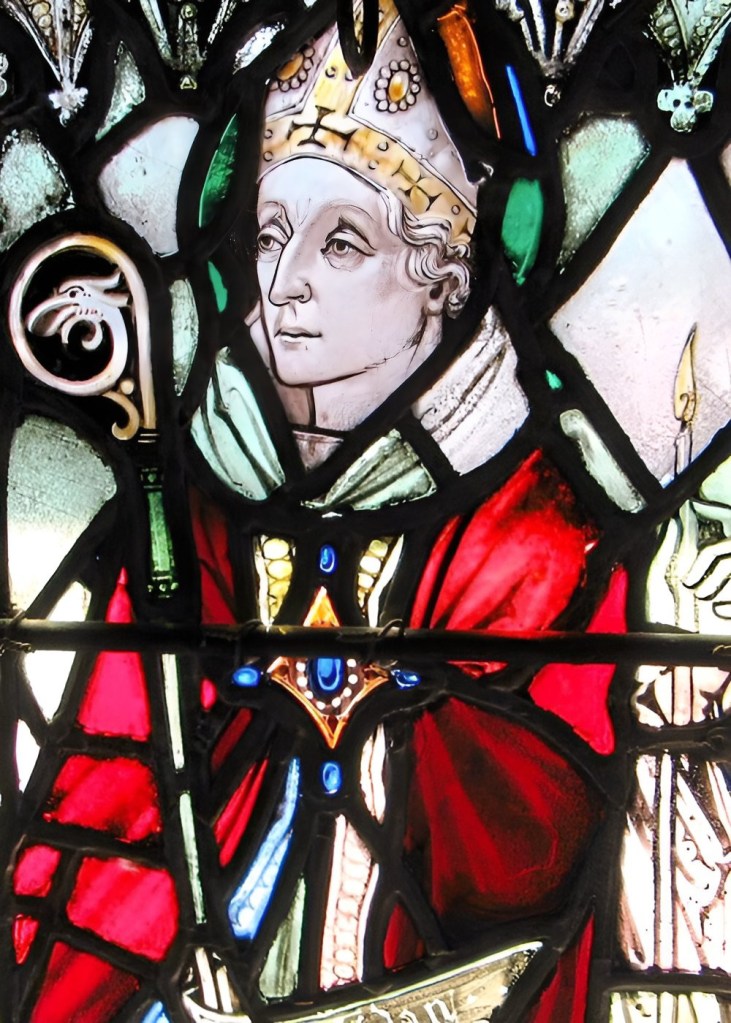
Aidan of Lindisfarne[a] (Irish: Naomh Aodhán; died 31 August 651) was an Irish monk and missionary credited with converting the Anglo-Saxons to Christianity in Northumbria. He founded a ministry cathedral on the island of Lindisfarne, known as Lindisfarne Priory, served as its first bishop, and travelled ceaselessly throughout the countryside, spreading the gospel to both the Anglo-Saxon nobility and the socially disenfranchised (including children and slaves).
He is known as the Apostle of Northumbria and is recognised as a saint by the Catholic Church, the Eastern Orthodox Church, the Anglican Communion, and others.



Leave a Reply