
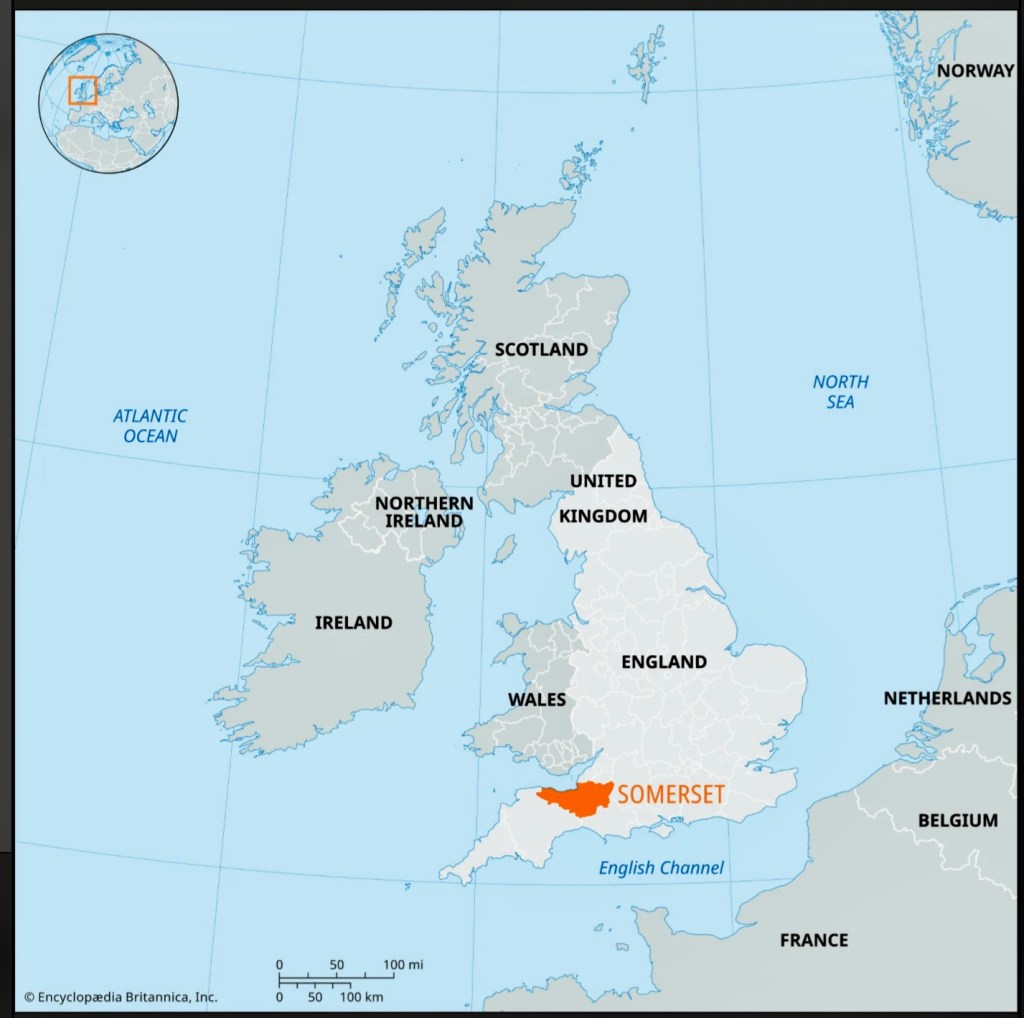
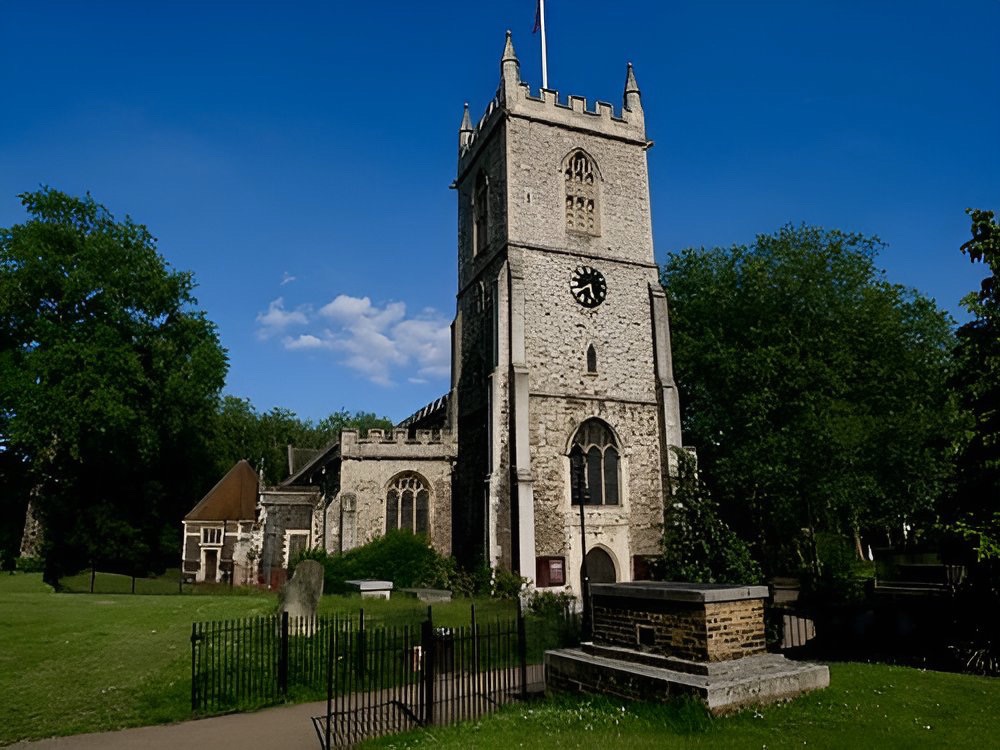
“Somerset is a ceremonial county in South West England. It is bordered by the Bristol Channel, Gloucestershire, and Bristol to the north, Wiltshire to the east, Dorsetto the south-east, and Devon to the south-west. The largest settlement is the city of Bath, and the county town is Taunton.
Somerset is full of the ancient history of England. There are many artifacts in the Natural History Museum in London including the near complete skeleton known as the ‘Cheddar man’. It is the oldest complete skeleton ever found in Britain, dating to 8470-8230 BC.
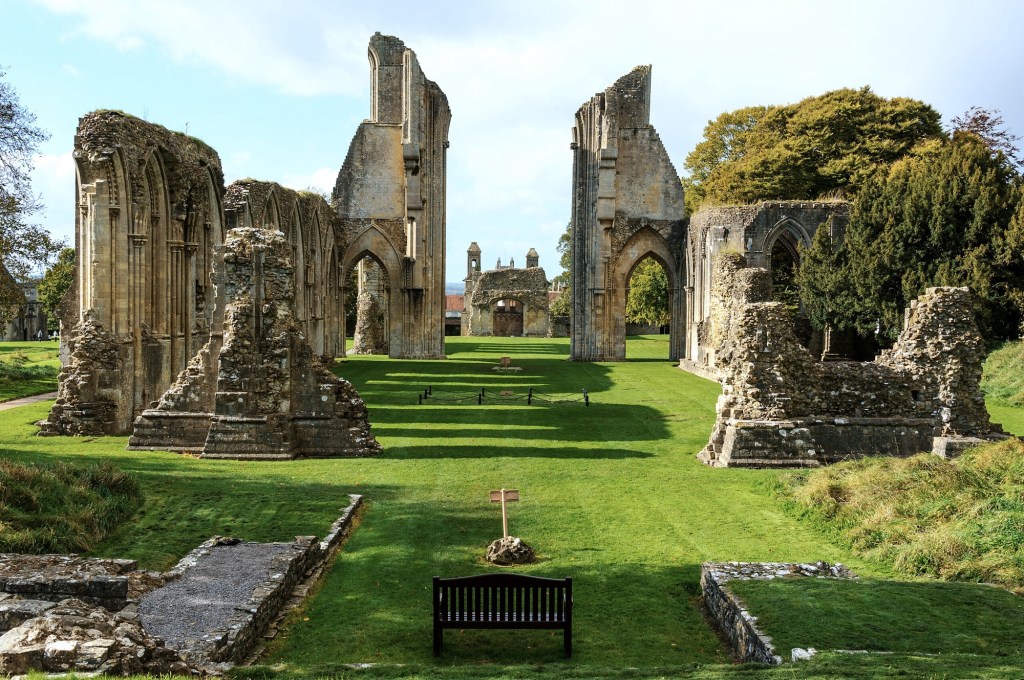
The ruins of Glastonbury Abbey where King Arthur and Guinevere are purported to be buried.
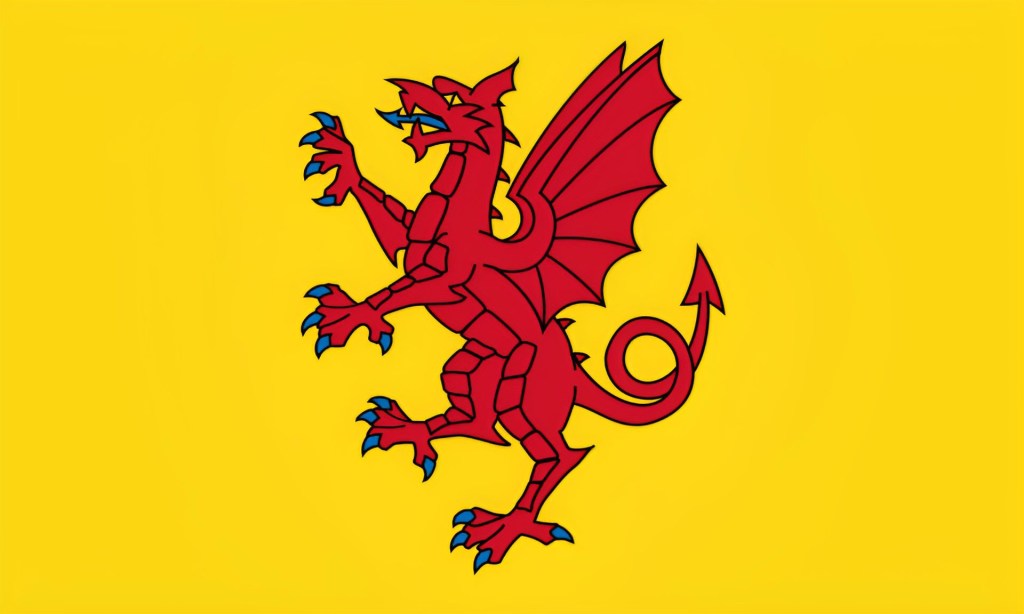
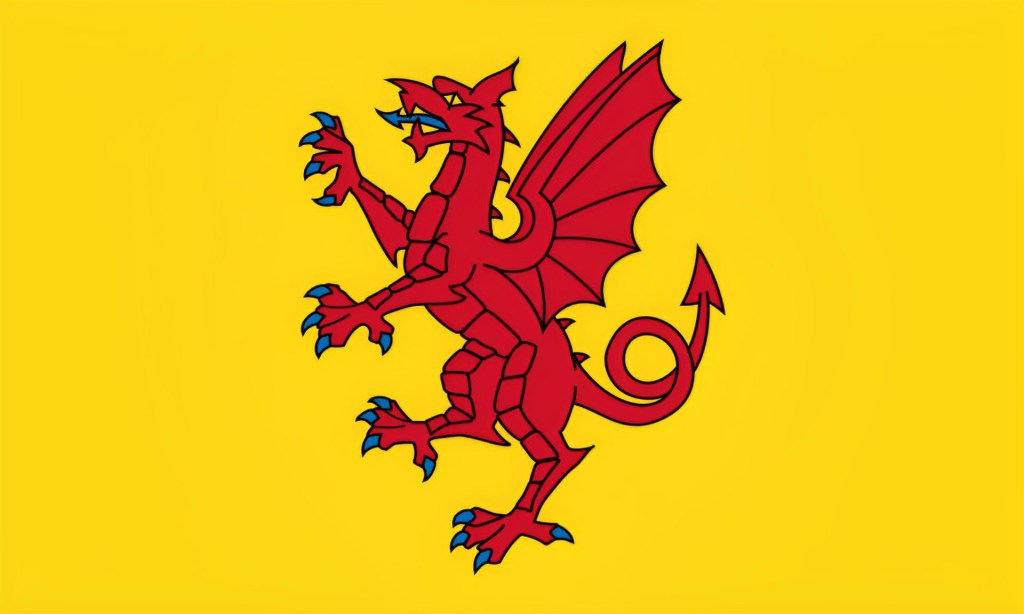
In 2005 there was a movement to finally create a flag for the county. Some people wanted to use the Somerset County Council’s logo in either its current form or modified into a flag. In 2006 a website was created and people were asked to submit ideas.
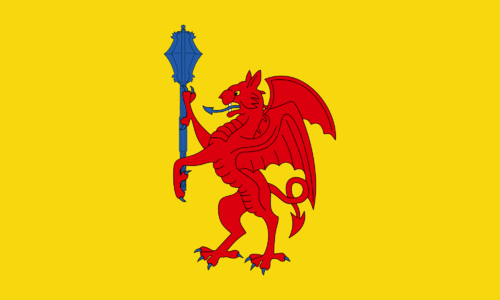
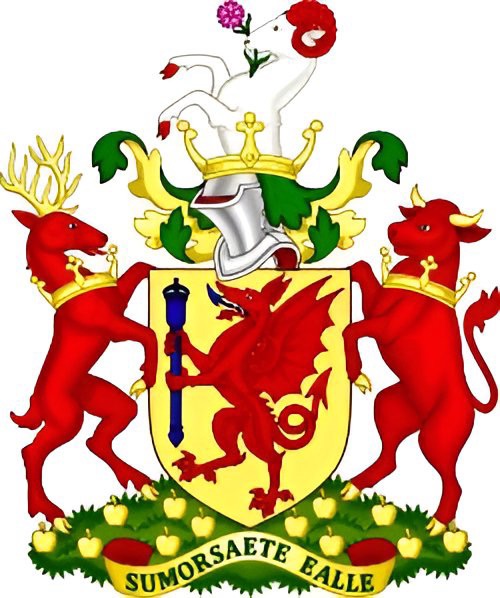
There is some history to the basic design of the winner of the flag contest. In 1911 the College of Arms (The organization that controls flags and coats of arms in England) awarded Somerset County a formal heraldic description of the coat of arms. “a Dragon Rampant Gules holding in the claws a Mace erect Azure”, meaning a red upright dragon on a gold background holding an upright blue mace.” On the flag the mace was dropped.
St Dunstan, the English patron saint of blacksmiths is said to be buried in Somerset.
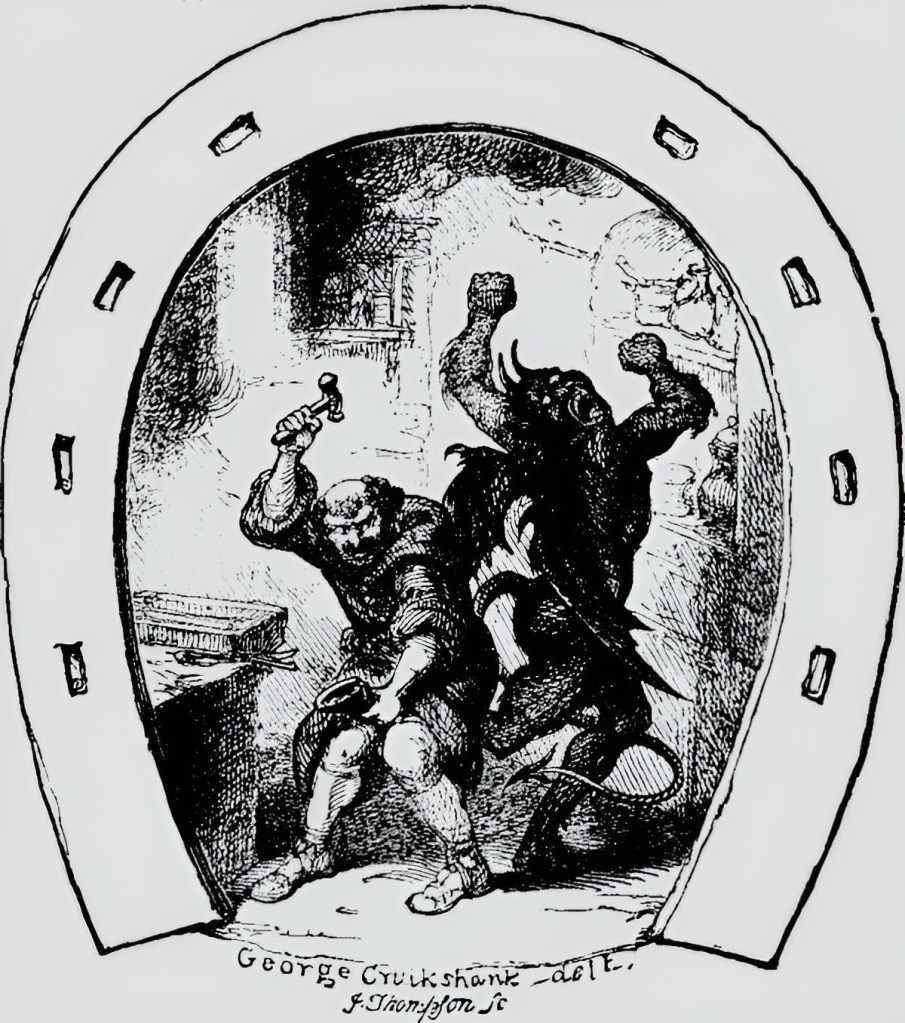
“A story relates how Dunstan nailed a horseshoe to the Devil’s foot when he was asked to re-shoe the Devil’s cloven hoof. This caused the Devil great pain, and Dunstan only agreed to remove the shoe and release the Devil after he promised never to enter a place where a horseshoe is over the door. This is claimed as the origin of the lucky horseshoe.”
Today, May 8th celebrates another famous person from Somerset. Recognized as one of the most important kings of England, Alfred The Great.
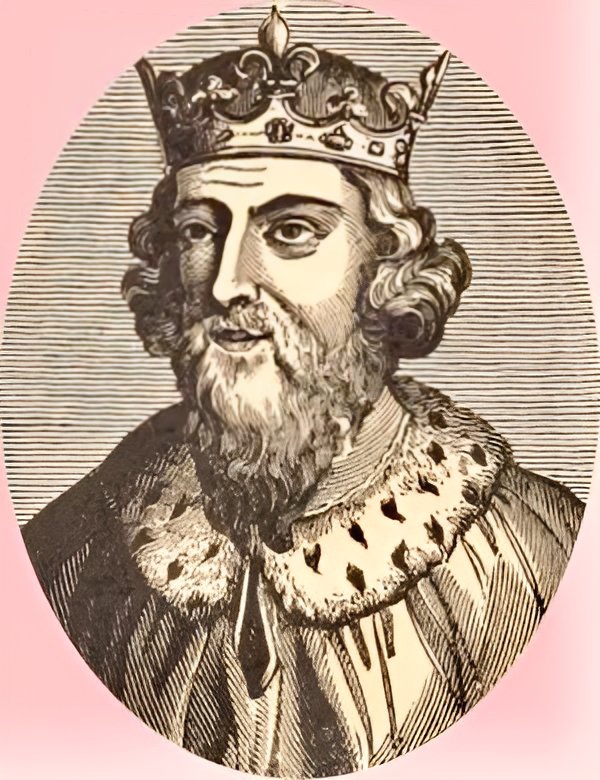
“Alfred the Great (Old English: Ælfrǣd[ˈæɫvˌræːd]; c. 849 – 26 October 899) was King of the West Saxons from 871 to 886, and King of the Anglo-Saxons from 886 until his death in 899.”
An unexpected king, he had four older brothers, he became one of Englands greatest rulers.
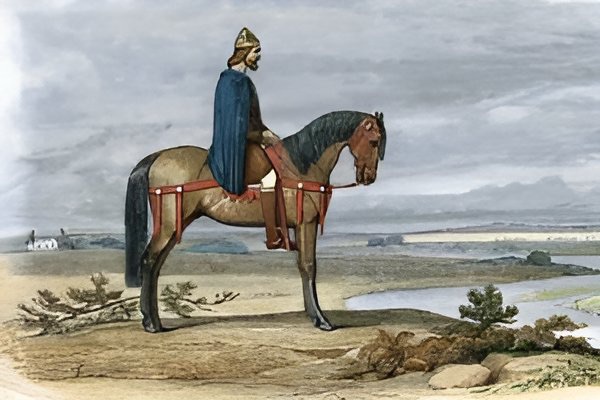
Alfred was a highly educated man as well as a brilliant military leader. In the early part of his rule he was constantly fighting invasions from the Vikings. In 878 the Danes (Vikings) came perilously close to overcoming the Anglo Saxons and the entire country was ready to surrender, all except Alfred. From the remote marshes of Somerset he called loyal Saxons to join him as he ran a campaign of ‘gorilla’ warfare and chased the Danes out of England, never to return.
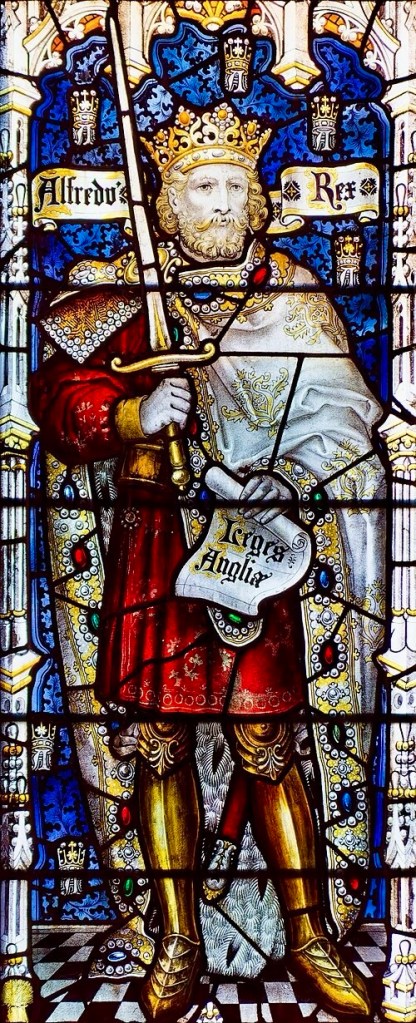
“Alfred had a reputation as a learned and merciful man of a gracious and level-headed nature who encouraged education, establishing a court school for both nobles and commoners to be educated in both English and Latin, and improving the legal system and military structure and his people’s quality of life. He was given the epithet “the Great” from as early as the 13th century, though it was only popularised from the 16th century. Alfred is the only native-born English monarch to be labelled as such.”

 deliriouslove1970. The life & times of Gary and Denise Flanders. (Free and worth every penny. If you would like to compliment the editor, send to garytheflan@deliriouslove1970.com. If you would like to complain, call your mother.)
Leave a comment