

Slovenia, country in central Europe that was part of Yugoslavia for most of the 20th century. Slovenia is a small but topographically diverse country made up of portions of four major European geographic landscapes—the European Alps, the karstic Dinaric Alps, the Pannonian and Danubian lowlands and hills, and the Mediterranean coast. Easily accessible mountain passes (now superseded by tunnels) through Slovenia’s present-day territory have long served as routes for those crossing the Mediterranean and transalpine regions of Europe.
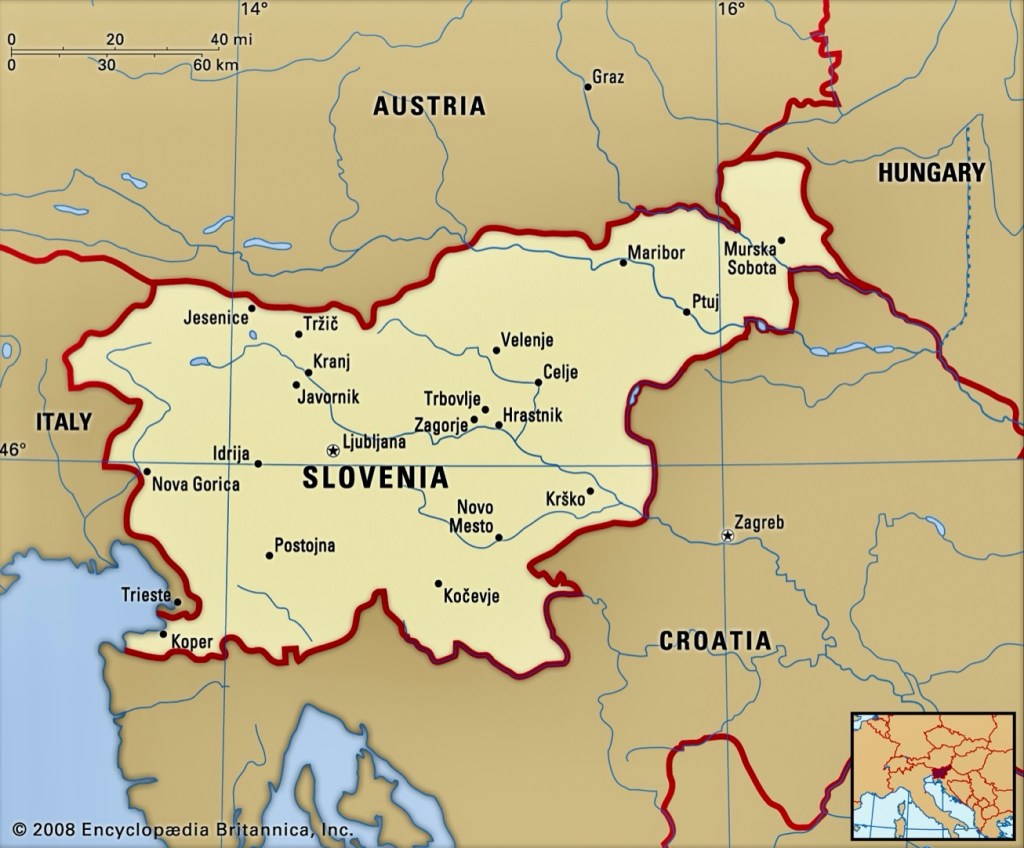
It borders Italy to the west, Austria to the north, Hungary to the northeast, Croatia to the south and southeast, and a short coastline within the Adriatic Sea to the southwest, which is part of the Mediterranean Sea.
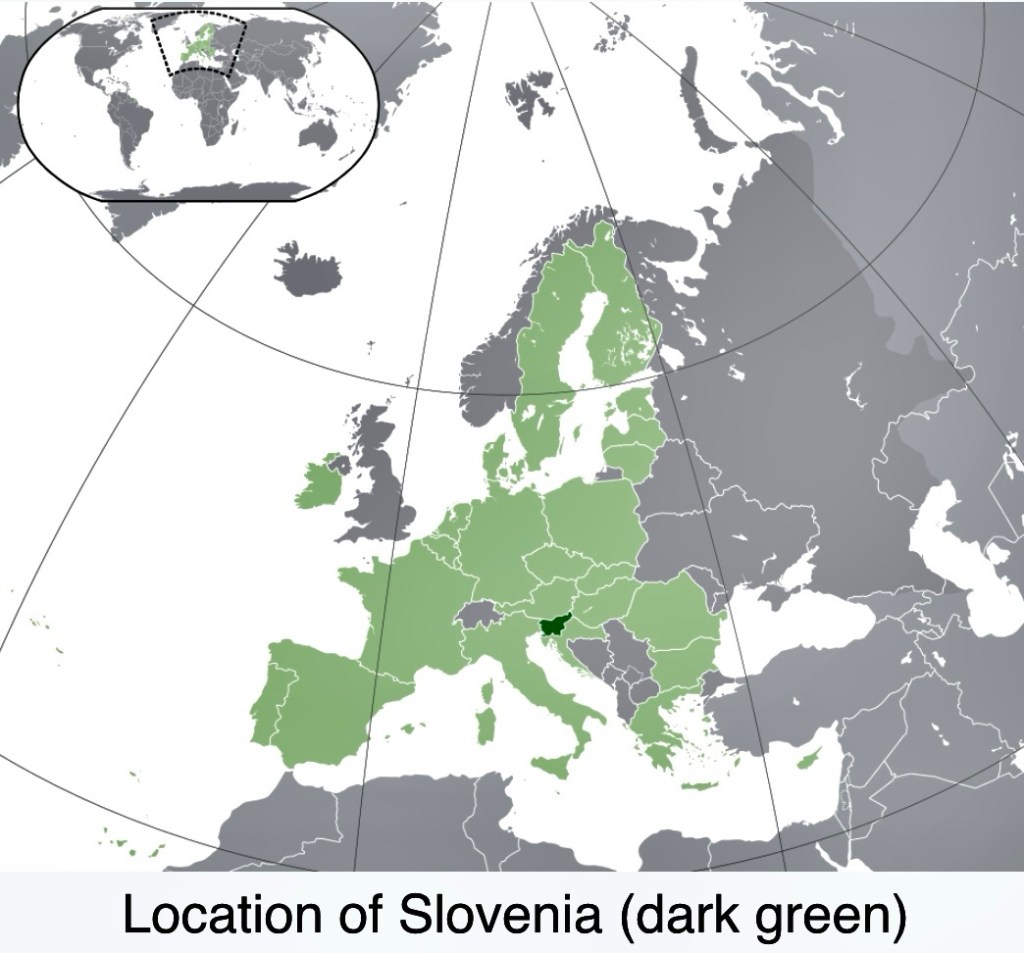
Slovenia’s territory has been part of many different states: the Byzantine Empire, the Carolingian Empire, the Holy Roman Empire, the Kingdom of Hungary, the Republic of Venice, the Illyrian Provinces of Napoleon’s First French Empire and the Habsburg Empire. In October 1918, the Slovenes co-founded the State of Slovenes, Croats, and Serbs. In December 1918, they merged with the Kingdom of Montenegro and the Kingdom of Serbia into the Kingdom of Yugoslavia. During World War II, Germany, Italy, and Hungary occupied and annexed Slovenia, with a tiny area transferred to the Independent State of Croatia, a newly declared Nazipuppet state. In 1945, it again became part of Yugoslavia. Post-war, Yugoslavia was allied with the Eastern Bloc, but after the Tito–Stalin split of 1948, it never subscribed to the Warsaw Pact, and in 1961 it became one of the founders of the Non-Aligned Movement. In June 1991, Slovenia declared independence from Yugoslavia and became an independent sovereign state.

“The coat of arms of Slovenia is an emblem that consists of a red bordered blue shield on which there is a stylised white Mount Triglav, under which there are two wavy lines representing the sea and the rivers of the country. Above Mount Triglav, there are three golden six-pointed stars representing the Counts of Celje. It was designed in 1991 by Marko Pogačnik and adopted on 24 June 1991.”
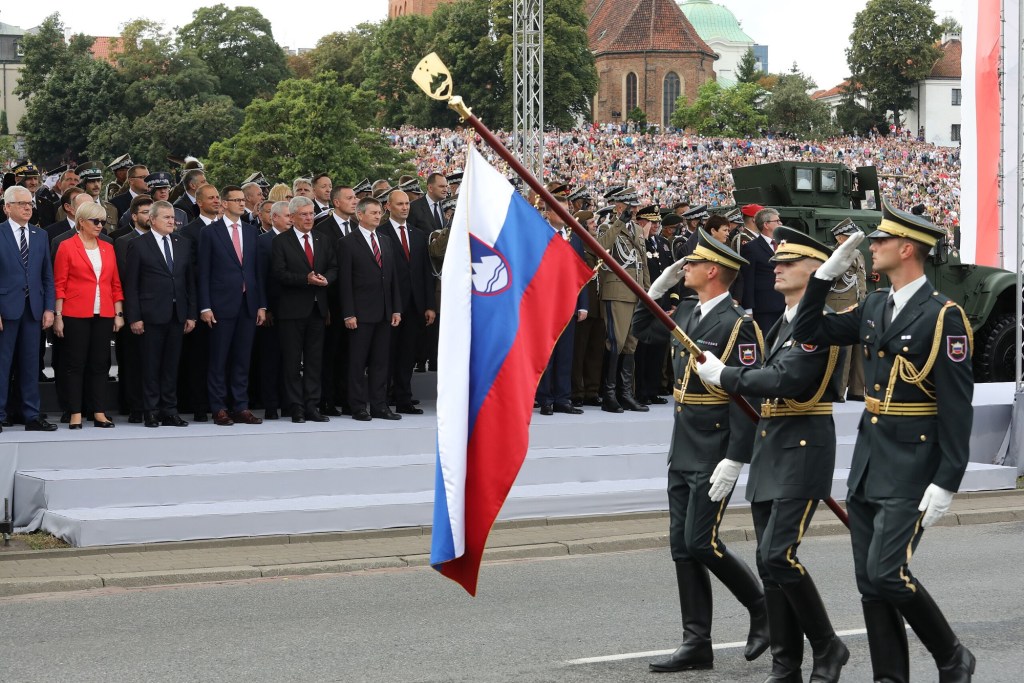
“The national flag of Slovenia(Slovene: zastava Slovenije) features three equal horizontal bands of white (top), blue, and red, with the coat of arms of Slovenia located in the upper hoist side of the flag centred in the white and blue bands.” “The Slovenian flag’s colours are considered to be pan-Slavic, but they actually come from the medieval coat of arms of the Holy Romanduchy of Carniola, consisting of 3 stars, a mountain, and three colours (red, blue, yellow), crescent. The existing Slovene tricolour was raised for the first time in history during the Revolution of 1848 by the Slovene Romantic nationalist activist and poet Lovro Toman on 7 April 1848, in Ljubljana, in response to a German flag which was raised on top of Ljubljana Castle. Similar colors and designs make up other Slavic flags, particularly the flag of Slovakia.”
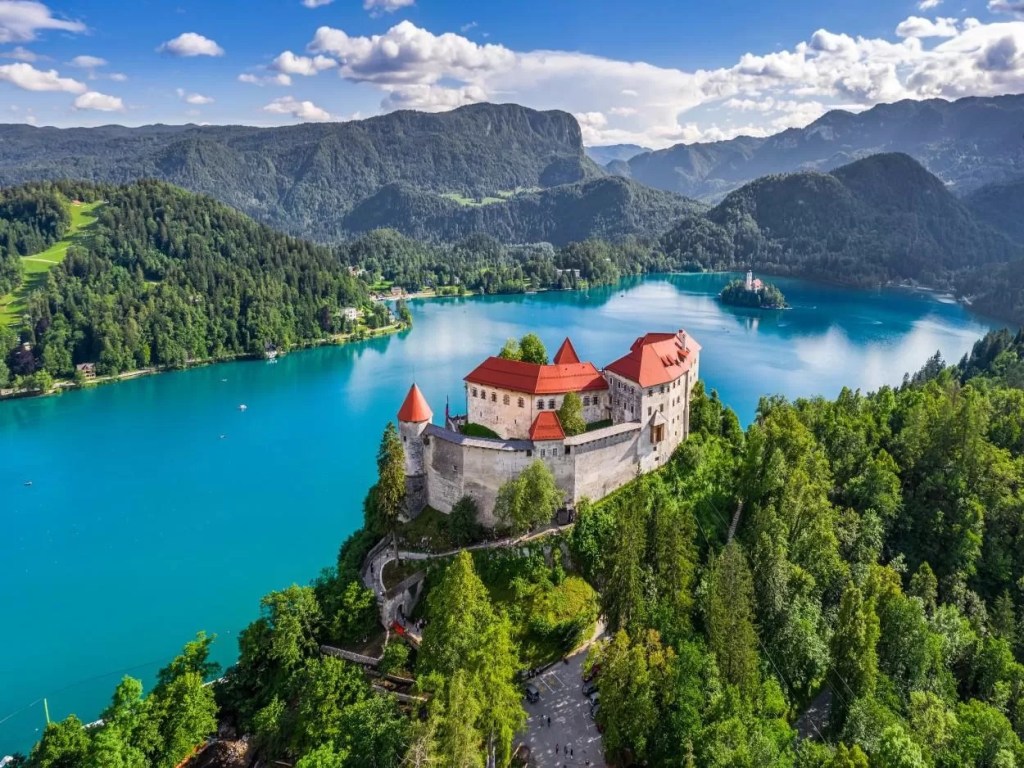
It is a striking country with castles, mountains and beautiful lakes. We have spent time here and found the people leery of outsiders and not overly friendly with Americans.
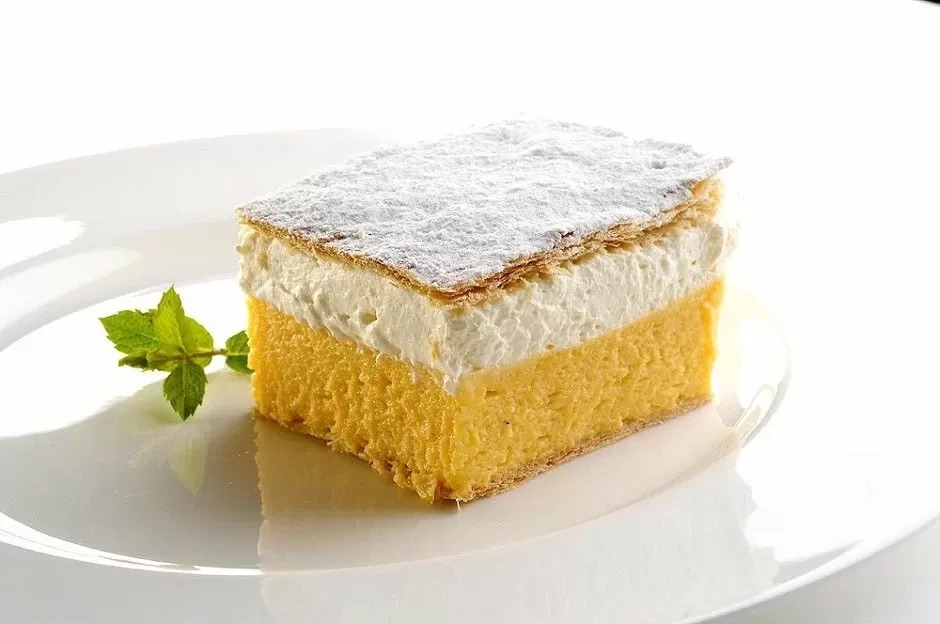
But, one thing that was agreeable was the world famous Bled Cake. (Blejska kremsnita) It was very tasty.

In 1941 when the Nazi’s invaded Slovenia and made it a puppet state, a group of dissidents formed the ‘Liberation Front’ to first resist then fight against the Nazi’s. The Slovene Partisans was the military arm of the resistance. The organization was first formed on April 26, 1941. Its ideology is anti-fascism, Communism and Slovenian nationalism as well as Yugoslavism. [“Despite being formed on April 26th, for over twenty years it had been wrongly assumed that the front was created on April 27th, by which time the date of April 27th had become established and there seemed little point in changing the date.]


The question arises, why would Martin Luther’s nailing of his 95 Thesis on the door of a German Catholic Church be so important to Slovenia? Why is Reformation Day celebrated in this country?
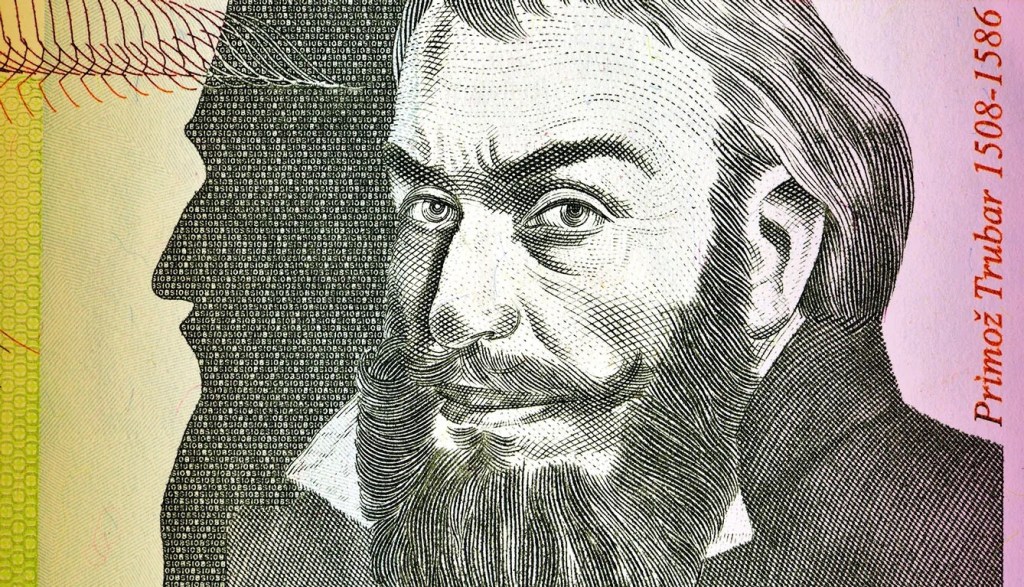
Primož Trubar
On the last day of October, Slovenia celebrates Reformation Day, a public holiday and a work-free day, commemorating the religious, socio-political and cultural movement of the 16th century. At the same time, Slovenians commemorate the birth of the Slovenian literary language.

Reformation Day is an extremely important holiday for Slovenians, because the first books printed in Slovenian resulted in the Slovenian language finding its place among the great and influential languages of Europe, which is something that must be preserved in the modern world amidst the boom in new information technologies.

With the Priest Primoz Trubar studying and teaching the principals of Protestantism the need to write these ideas down as well as the need to have one of the first vernacular Bibles ever, led to the formation of the Slovenian language, which up until this time had only been a spoken language, not written.
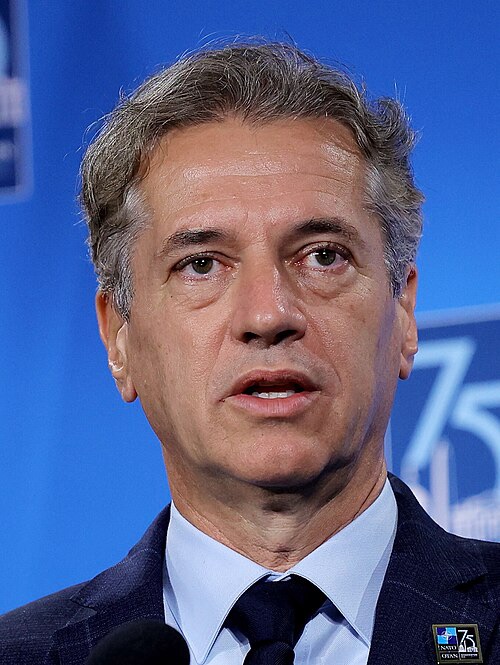
The Reformation paved the way for the Slovenian language, culture and national identity, said Prime Minister Robert Golob in his Reformation Day message. He wished Slovenians at home, in the neighbouring countries and around the world the time to spend this day in the company of a book and the idea that knowledge and culture are the pillars of national sovereignty and individual freedom.



 deliriouslove1970. The life & times of Gary and Denise Flanders. (Free and worth every penny. If you would like to compliment the editor, send to garytheflan@deliriouslove1970.com. If you would like to complain, call your mother.)
Leave a reply to deniseflanders@icloud.com Cancel reply