
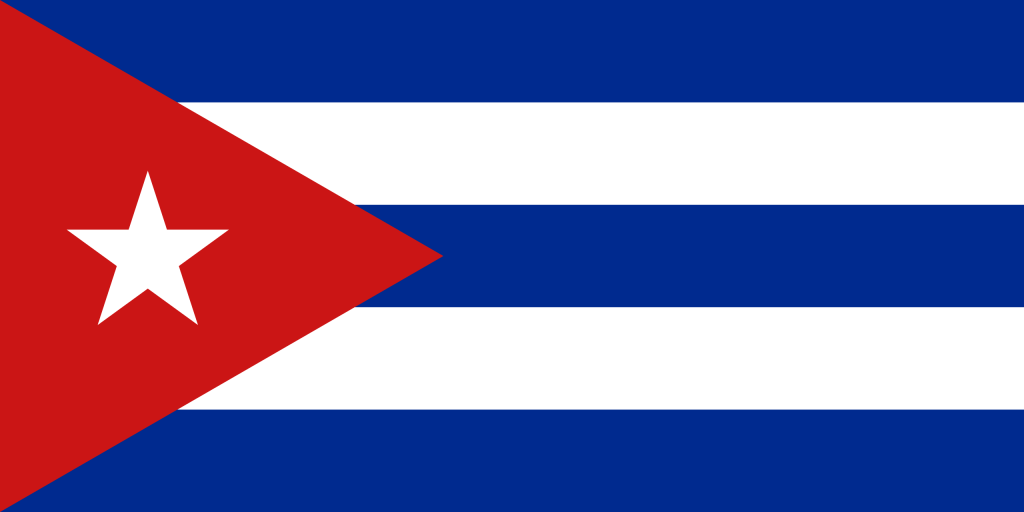
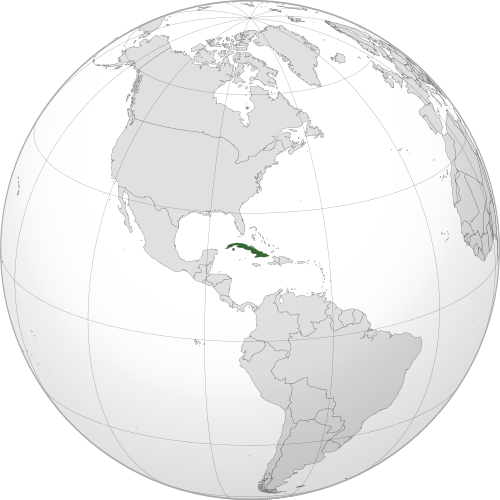
República de Cuba. The Republic of Cuba. “ A country comprising the island of Cuba, as well as Isla de la Juventud and several minor archipelagos. Cuba is located where the northern Caribbean Sea, Gulf of Mexico, and Atlantic Ocean meet. Cuba is located at the east of the Yucatán Peninsula (Mexico), south of both the American state of Florida and the Bahamas, west of Hispaniola(Haiti/Dominican Republic), and north of both Jamaica and the Cayman Islands.”
At the beginning of the 19th century, the Peninsular Wars in Europe ended with Napoleon’s brother Joseph becoming King of Spain, leading many Spanish colonies in South and Central America to spring independence movements because they felt betrayed by the new leadership.
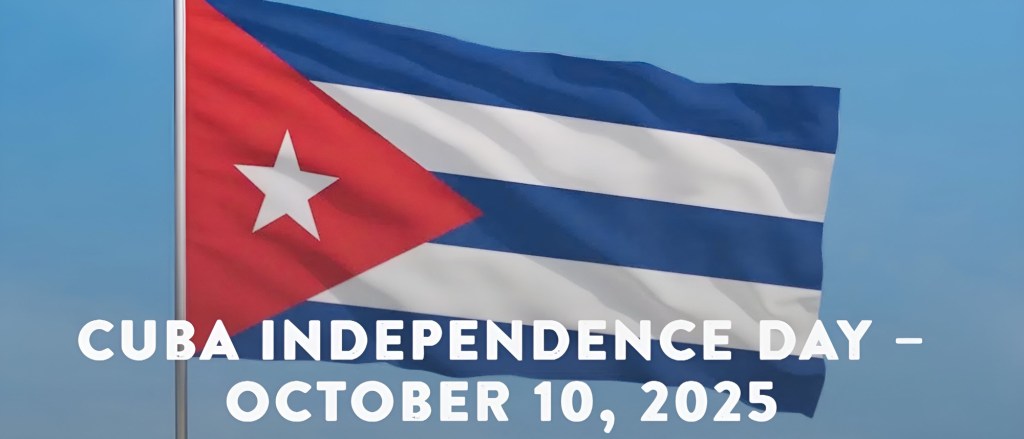
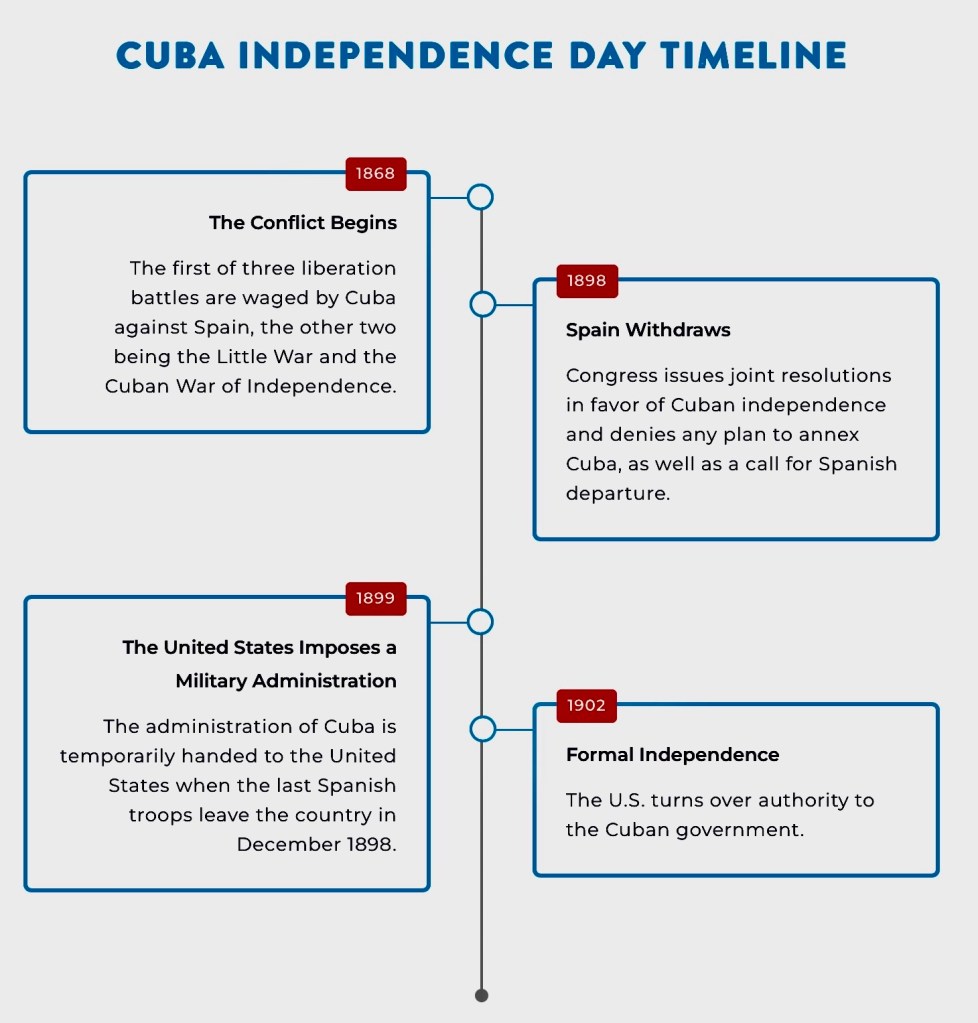
While Cuba remained loyal to Spain, there was a rising disdain for the authoritarian Spanish government. As a result, wealthy sugar mill owner Carlos Manuel de Céspedes and his allies attempted to declare independence on October 10th, 1868. However, freedom was short-lived due to a series of rebellions during the Spanish-American War. When Dominican General Máximo Gómez failed to overthrow Spanish power, thousands of Cubans died.
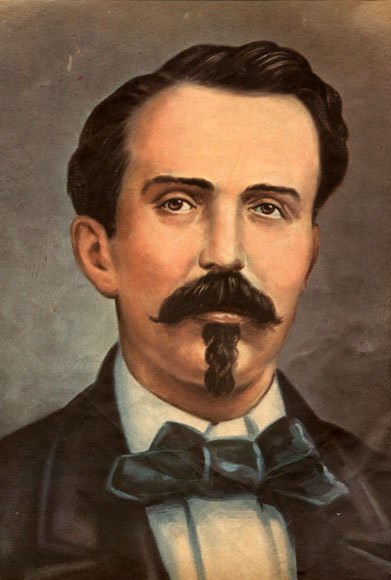
This first war for freedom ended in 1878 with a surrender to the Spanish, but it was still integral in Cuba’s fight for independence. The events that began in 1868 eventually led the way for Cuba’s abolition of slavery 30 years later. At the same time, the Spanish finally left the island in 1898. After three and a half years of U.S. military occupation, independence was formally declared in 1902 when Tomás Estrada Palma was declared the Cuban president.
However, the Platt Amendment leased Guantanamo Bay to the United States until 1925. It wasn’t until the lease was over that the U.S. formally acknowledged Cuban sovereignty over the entire island. Although it ultimately took over 50 years, the conflicts that began on October 10th, 1868, eventually led to Cuba’s freedom and independence.
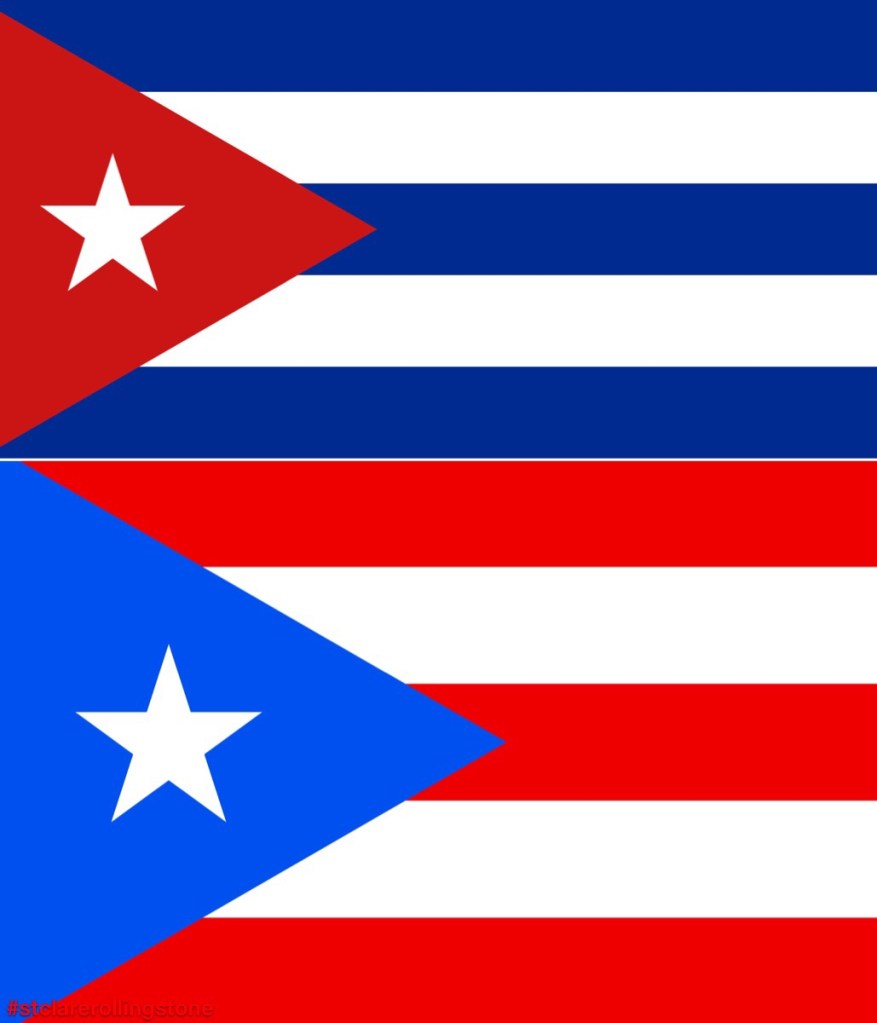
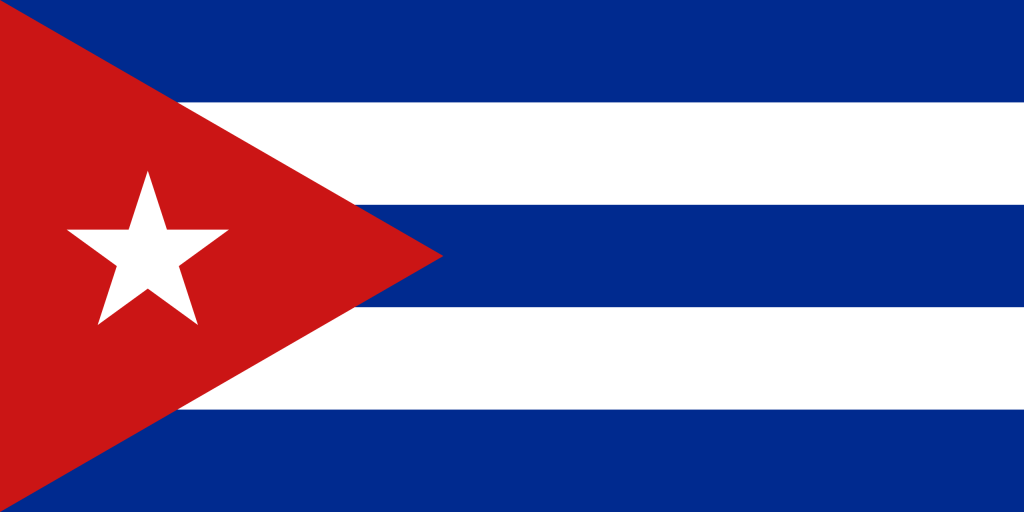
“The national flag of Cuba (Spanish: Bandera de Cuba) consists of five alternating stripes (three blue and two white) and a red equilateral triangle at the hoist, within which is a white five-pointed star. It was designed in 1849 and officially adopted May 20, 1902. The flag is referred to as the Estrella Solitaria, or the Lone Star flag.”
“The three blue stripes represent the three departments in which Cuba was divided at that time, the white purity of ideals, the red triangle, originating from the French Revolution – and the three ideals of liberty, equality and fraternity: red for the blood and the courage; the star for the independence of Cuba.”




Leave a Reply