
Kurdistan (Kurdish: کوردستان, lit. ‘land of the Kurds’; [ˌkʊɾdɪˈstɑːn]ⓘ) or Greater Kurdistan, is a roughly defined geo-cultural region in West Asia wherein the Kurds form a prominent majority population and the Kurdish culture, languages, and national identity have historically been based.
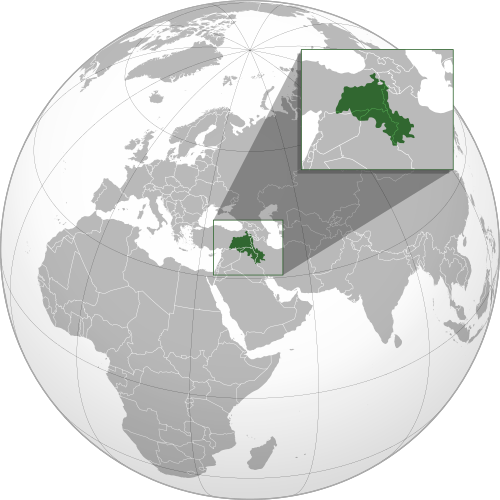
The Kurdistan (“Land of the Kurds”) designation refers to an area of Kurdish settlement that roughly includes the mountain systems of the Zagros and the eastern extension of the Taurus. Since ancient times the area has been the home of the Kurds, a people whose ethnic origins are uncertain. For 600 years after the Arab conquest and their conversion to Islam, the Kurds played a recognizable and considerable part in the troubled history of western Asia—but as tribes, individuals, or turbulent groups rather than as a people.
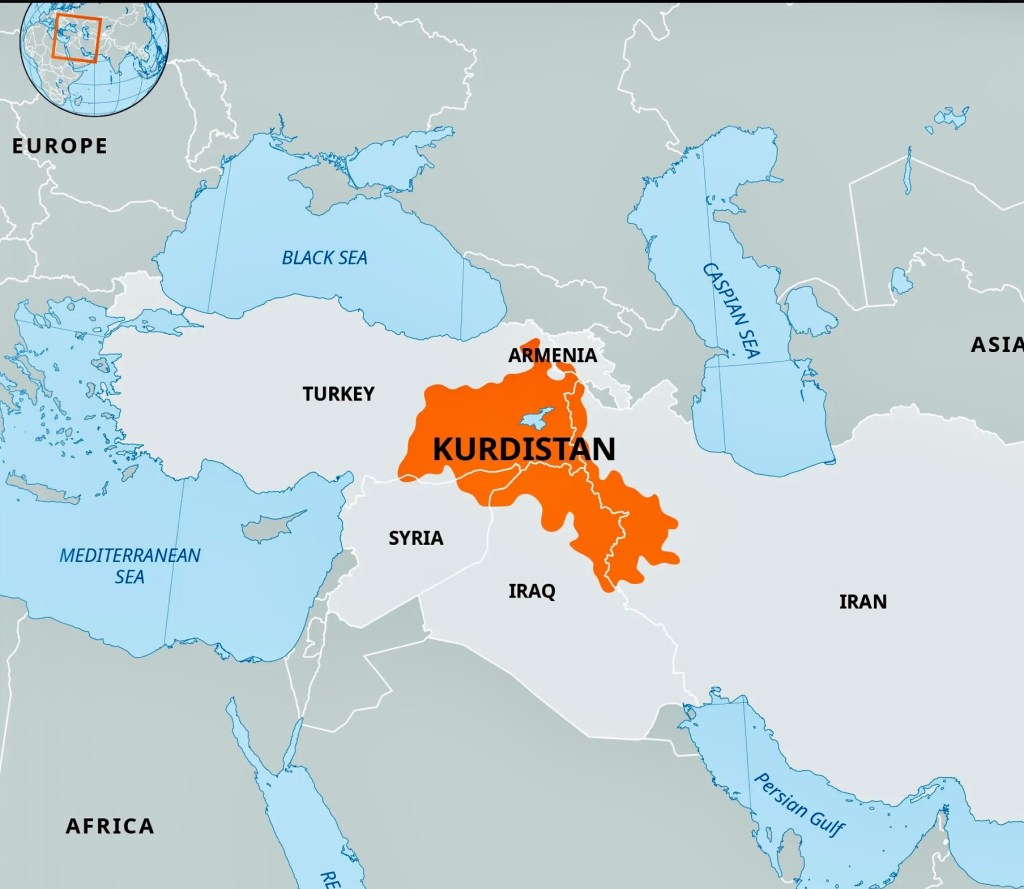
From the 11th Century The Kurds have had some form of independence and self rule but were always fighting or supporting Turkey, Syria, Iraq and Iran. It is difficult to keep up with all of the treaties and wars and resulting status of this ‘sort of country.’ In modern history Turkey has been the number one opponent of Kurdistan. It then shifted to Iraq under Saddam Hussein. With his fall the major enemy became Iran.
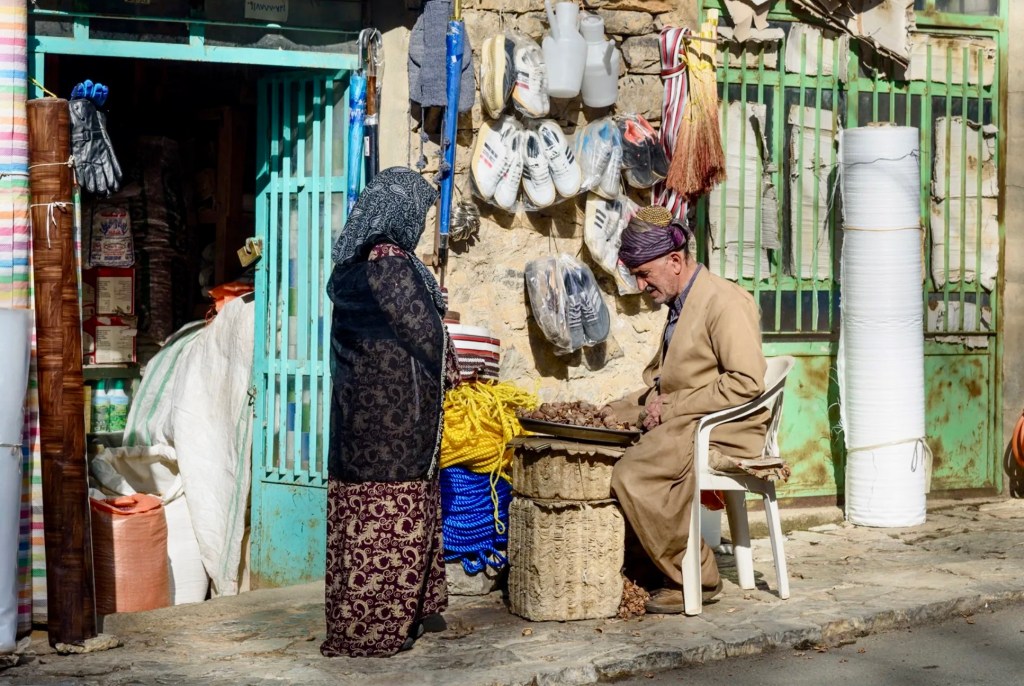
According to 2016 estimate Kurdish Institute of Paris, total population of Kurdistan is around 34.5 million, and Kurds making 86% of population of Northern Kurdistan.
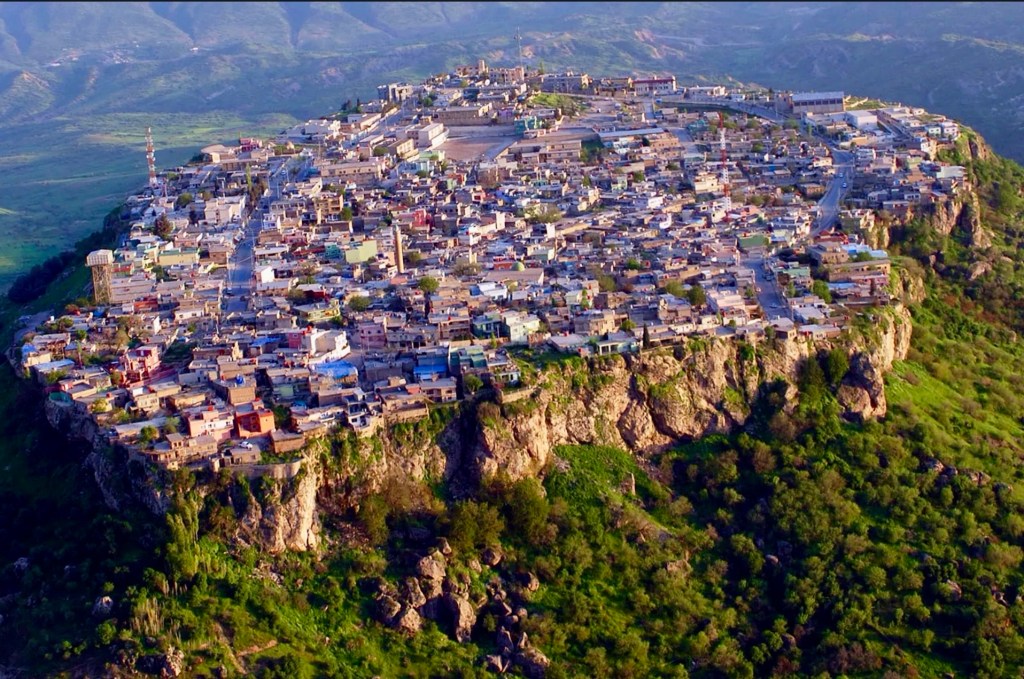
The Kurds have always felt pressure to assimilate from whatever government they lived close to. They lived through mustard gas from Iraq, ISIS attacks from Syria but the most intense brutality to Kurds continues to be the the Shiʿi Muslim majority in Iran.
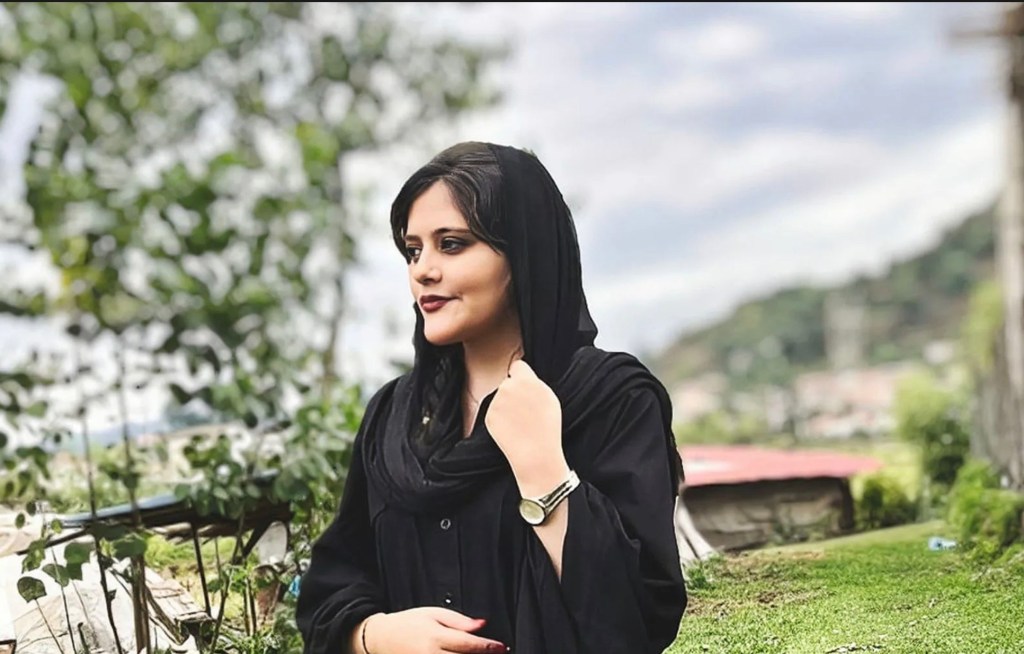
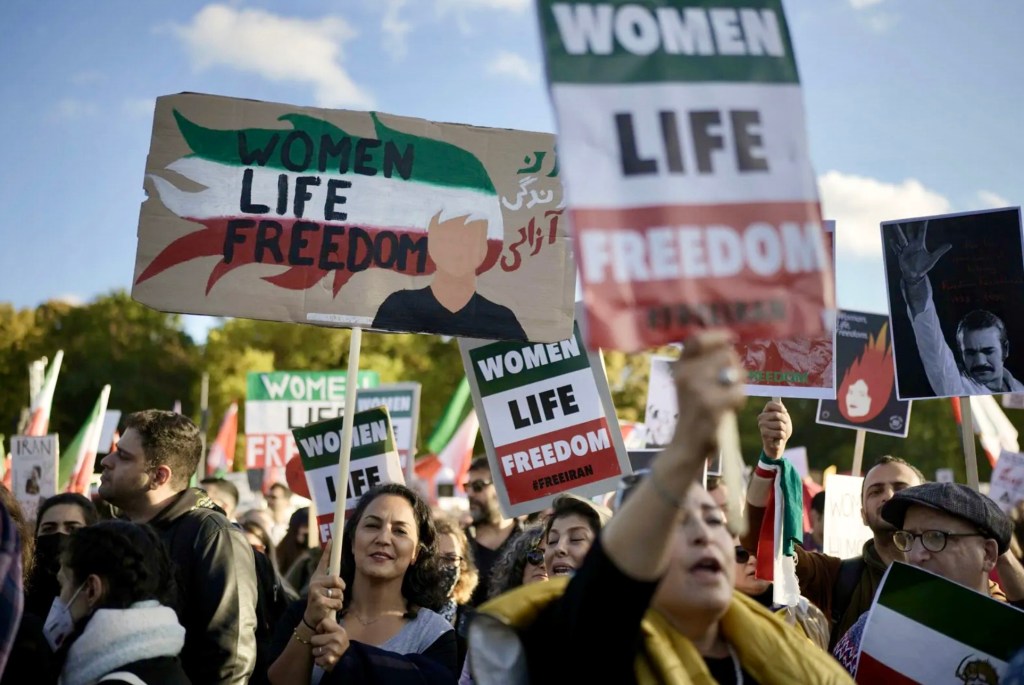
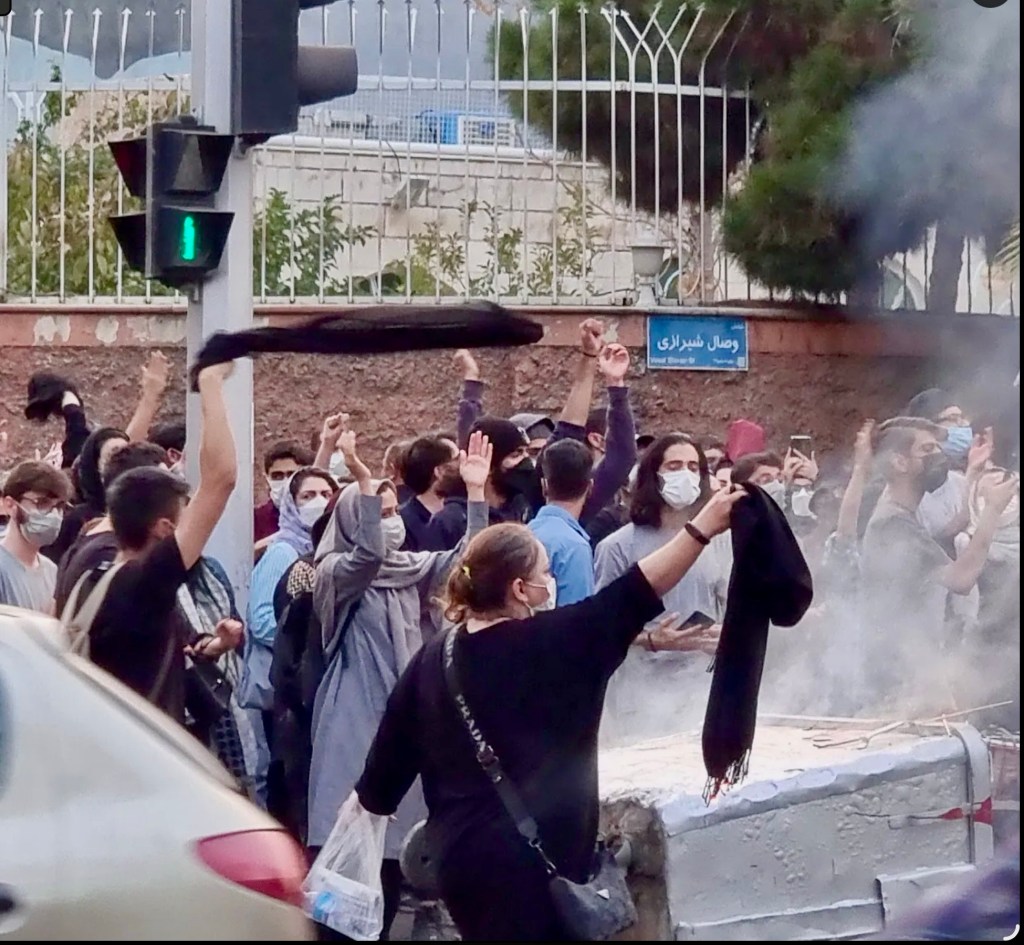
On September 16, 2022, an Iranian Kurdish woman named Jina Mahsa Amini died while in custody of Iran’s morality police for “improper” clothing. This incident sparked a wave of protests against the government’s treatment of women and ethnic and religious minorities as well as its prioritization of regime ideology over its citizens’ welfare. These protests were met with a harsh response from the Iranian government, which violently suppressed the movement and took aim at Kurdish regions in the country’s northwest. Iran also targeted Iranian Kurdish opposition parties and their leaders in Iraq, launching ballistic missile and drone attacks on them and carrying out a number assassinations. In January 2024 Iran launched a missile attack on parts of Erbil, the capital of Iraq’s Kurdish autonomous region, killing four civilians. Iran claimed to have been targeting a Mossad outpost, a claim which was rejected by officials in both Erbil and Baghdad.
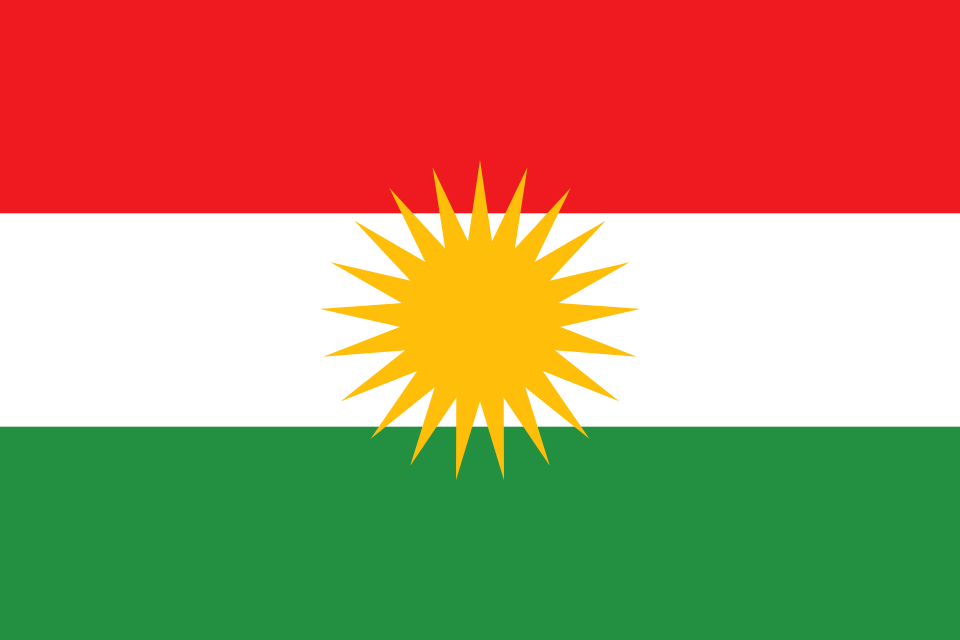
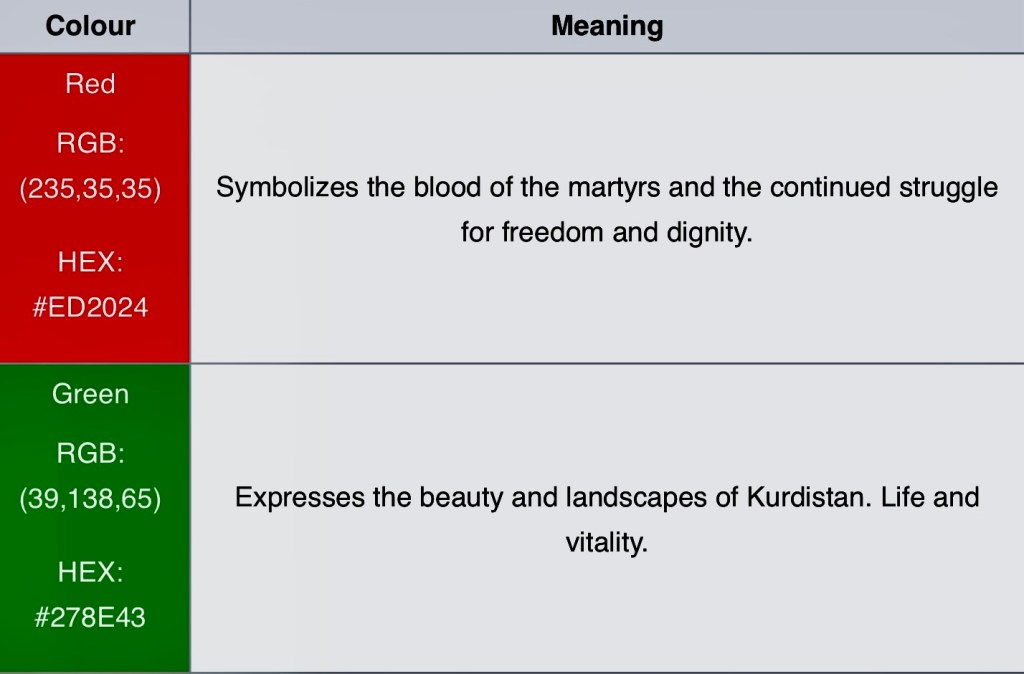
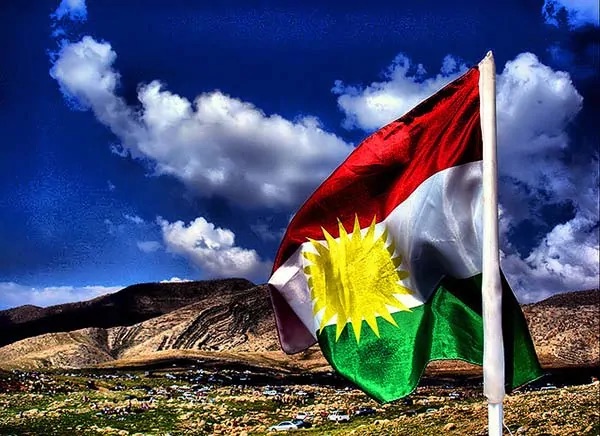
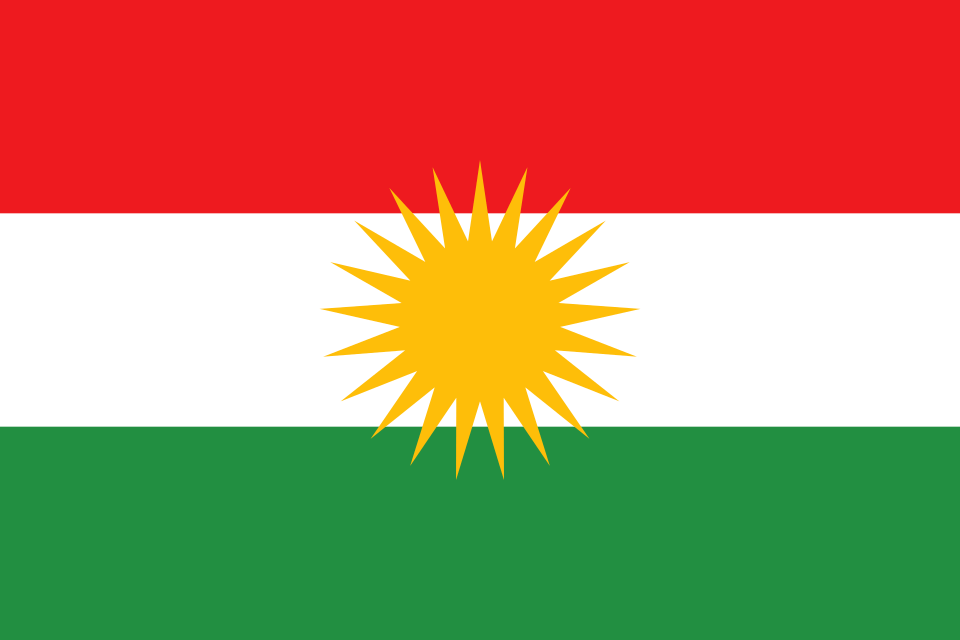
The flag of Kurdistan (Kurdish: ئاڵای کوردستان, Alaya Kurdistanê) is the flag of Kurds and was created by the Society for the Rise of Kurdistan in 1920. It would later, in different variants, be adopted as the national flag of different Kurdish states including Republic of Ararat, Republic of Mahabad and most recently by Kurdistan Region in 1992.
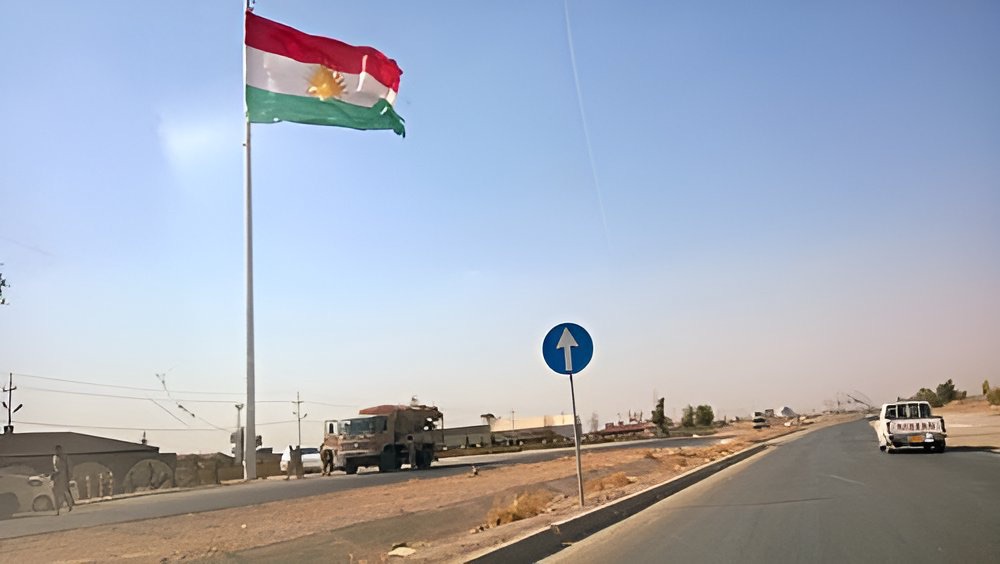
The Kurdish flag is the most important symbol of cohesive Kurdish identity. Since it was first hoisted in 1946 to represent the concept of an independent Kurdistan(called the Republic of Mahabad and founded in Iranian territory) it has become a symbol of the national identity of Kurds.
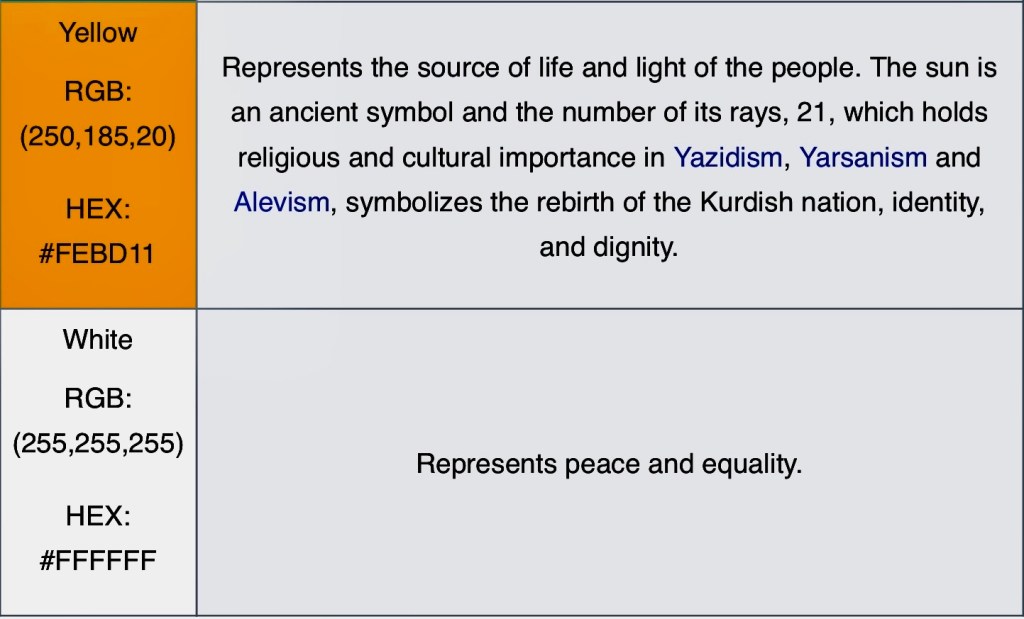
The main characteristic of the flag is the blazing golden sun emblem (Roj in Kurdish) at its center. The emblem’s sun disk has 21 rays, equal in size and shape, with the single odd ray at top and the two even rays on the bottom. (21 is a special number to the Kurds. The number 21 is scared in the old Yazdâni religions: Yezidism, Yarsanism, Alevism, etc. In particular, the holy figures in those religions all are born/reborn after only 21 days of gestation. The Yazdâni faiths also believe that the reincarnation/rebirth of the soul takes 21 days from the day of passing.)
 deliriouslove1970. The life & times of Gary and Denise Flanders. (Free and worth every penny. If you would like to compliment the editor, send to garytheflan@deliriouslove1970.com. If you would like to complain, call your mother.)
Leave a comment