
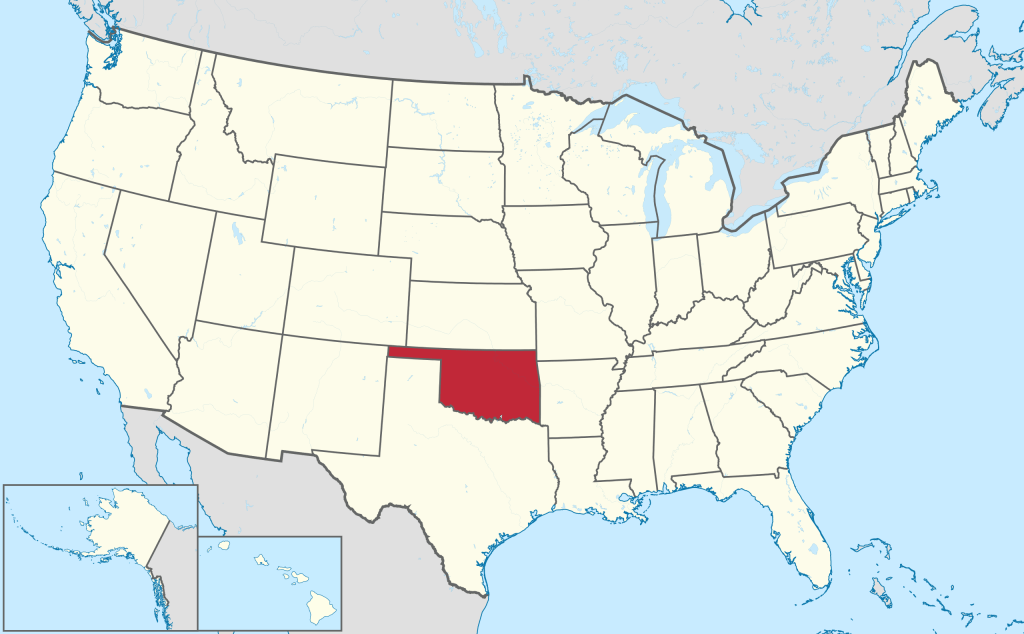
The state of Oklahoma. The word itself comes from two Choctaw words: okla-humma (Red People). The nickname ‘The Sooner State’ refers to the non-white people who staked claims on the land before the official opening of lands in the Oklahoma Territory.
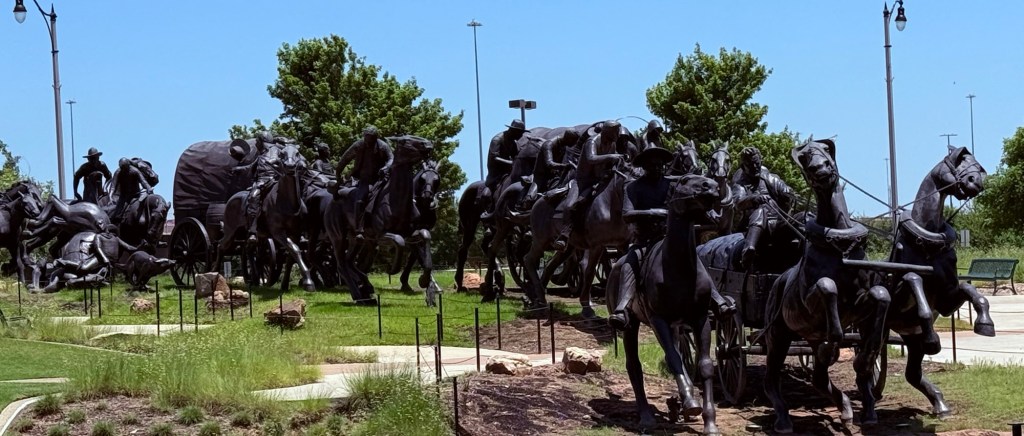
So, in effect they cheated the rules of the Oklahoma Land Rush by leaving before the official start and therefore they arrived ‘sooner’ than everyone else.
The history of the state is completely involved with the First American People who traveled through the land and the relocation of Native Americans into a place the white settler nation thought was a safe place to ‘store’ those people [ie, The Trail of Tears]. Oklahoma remains in the news even today as the US attempts to honor treaties.
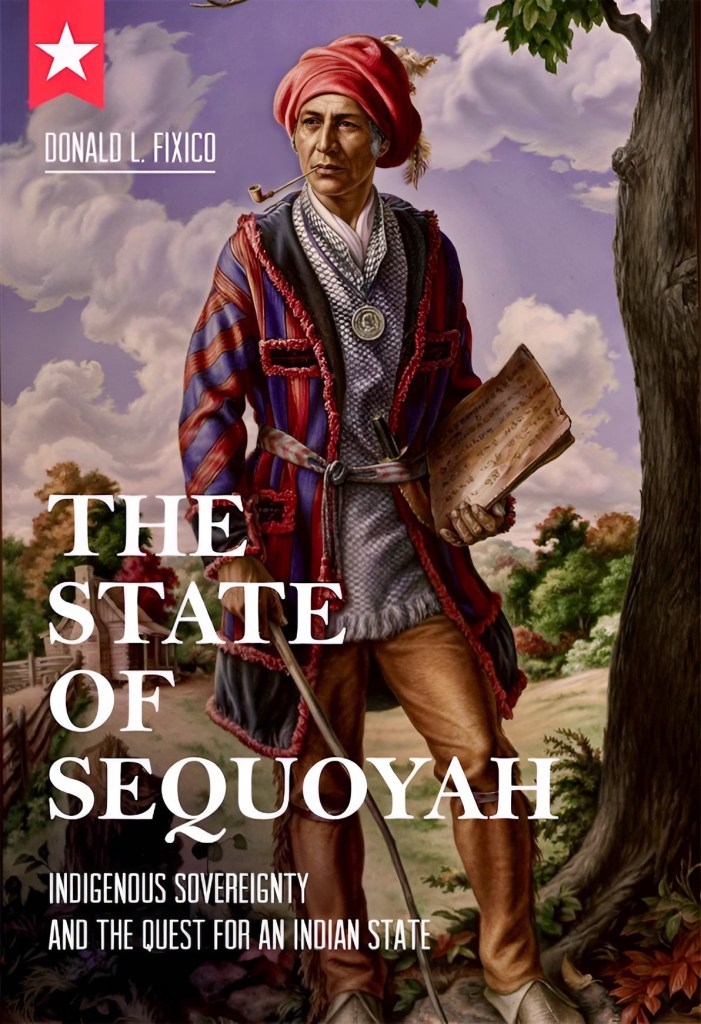
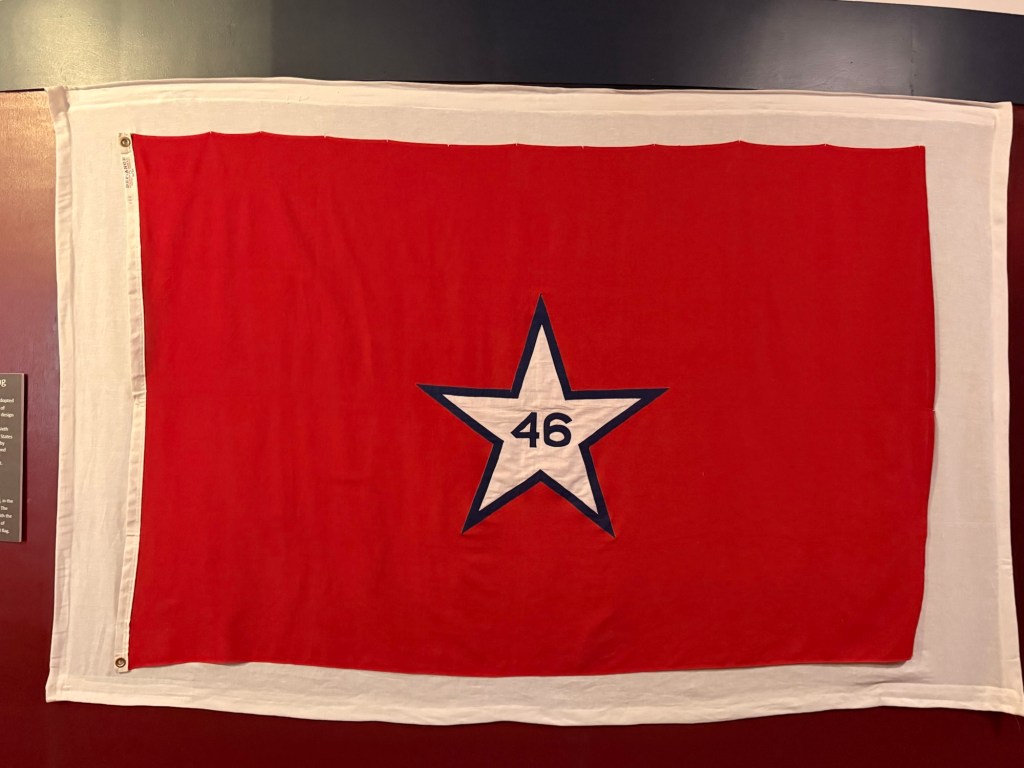
Few people today know that the forty-sixth state could have been Sequoyah, not Oklahoma. The Five Tribes of Indian Territory gathered in 1905 to form their own, Indian-led state. Leaders of the Cherokees, Chickasaws, Choctaws, Muscogees, and Seminoles drafted a constitution, which eligible voters then ratified. In the end, Congress denied their request, but the movement that fueled their efforts transcends that single defeat.
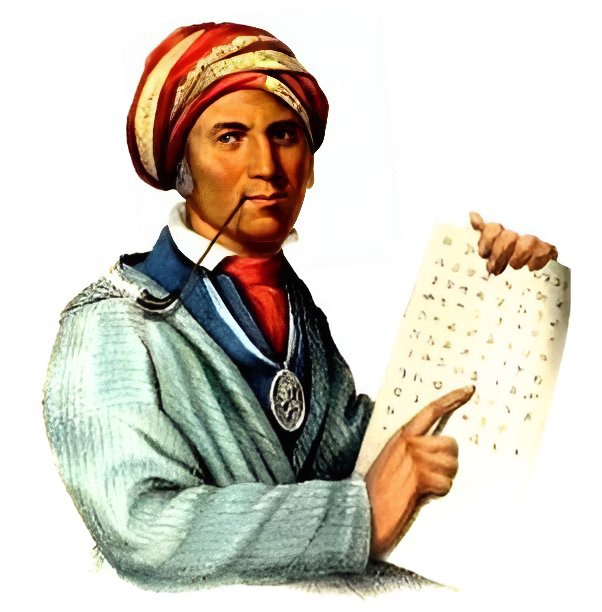
Sequoyah, also known as George Gist or George Guess, was born around 1770, near Fort Loudon alongside the Tennessee River. His mother, Wut-teh, was a member of the Cherokee tribe, the daughter of a Cherokee chief. His father was believed to be German, by the name of Nathaniel Gist. Sequoyah was raised in the Cherokee tribe by his mother who ran a trading post.
Although he did not speak English he became fascinated by the white man’s ability to write and their “talking leaves” (printed pages). He was amazed that this method of communication enabled the transmition of information over great distances. He was also greatly impressed with the ability to record history and accumulate knowledge from the printed word. Sequoyah became determined to produce a writing system that could be used by the Cherokees and started to experiment with an alphabet for the Cherokee language.

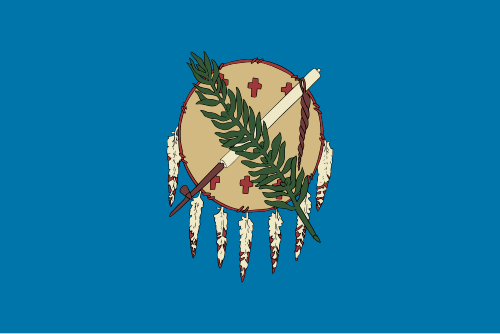
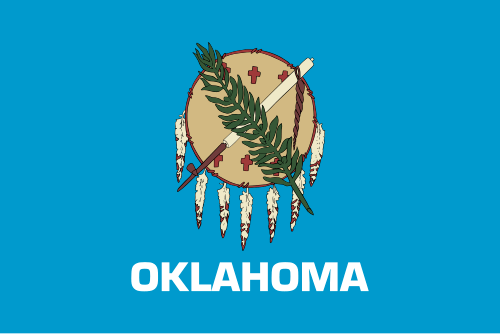
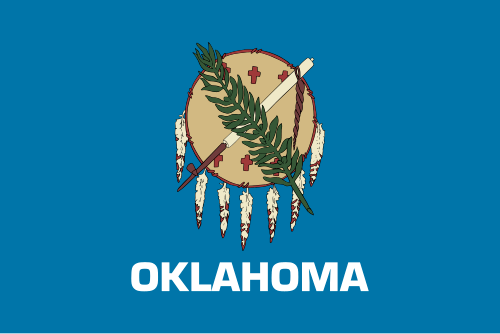
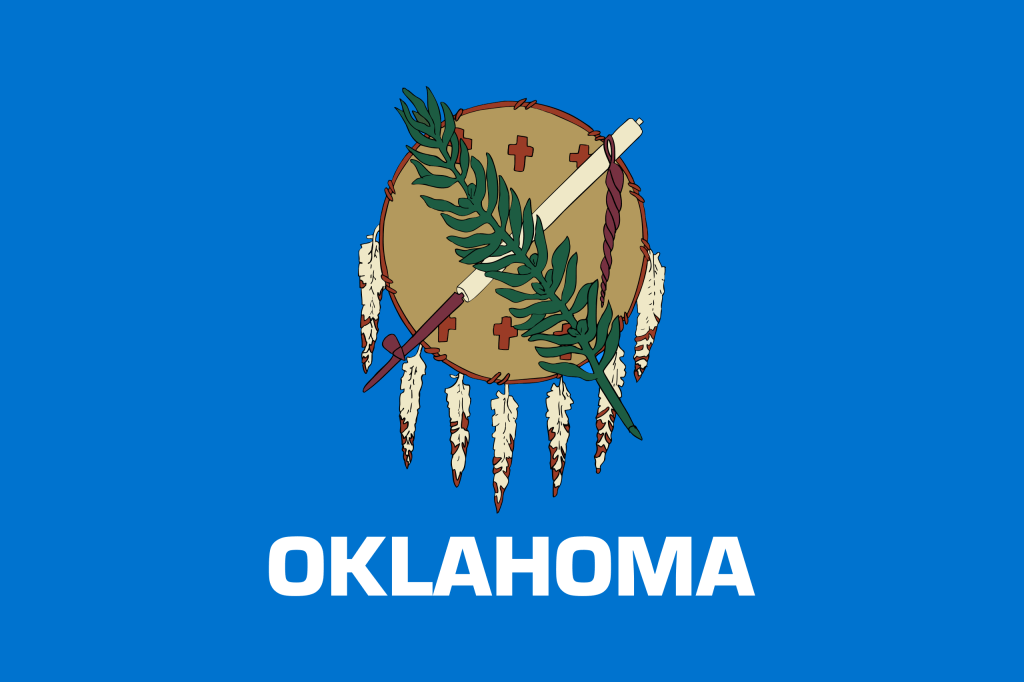
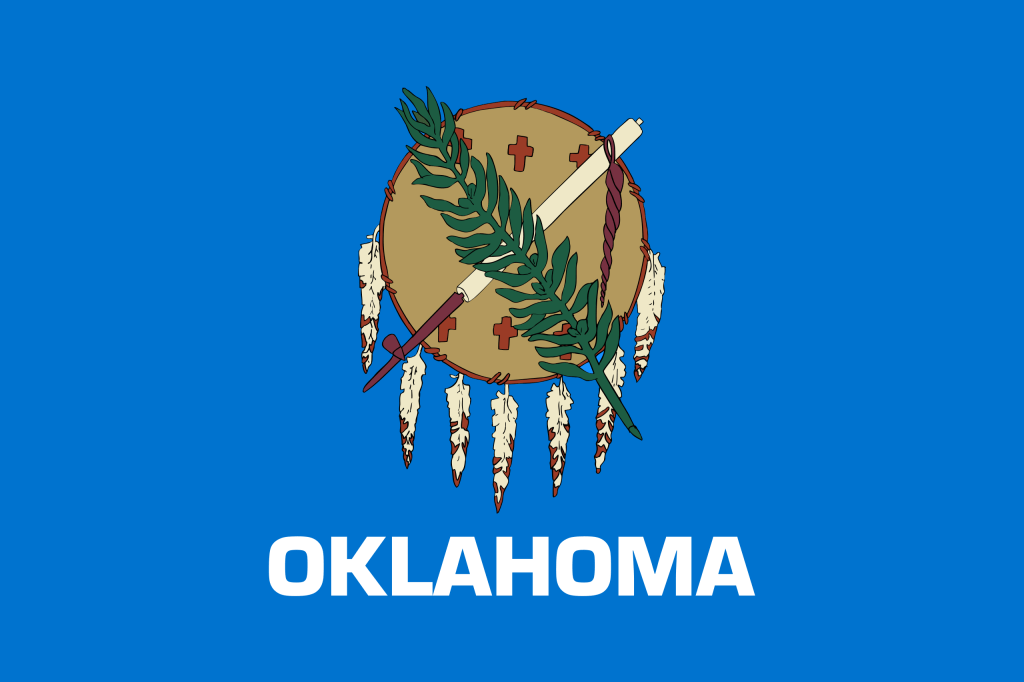
The flag is a Choctaw Sky blue field with the Osage Nation buffalo-skin shield with seven eagle feathers. The Osage is covered by two symbols of peace: the ceremonial pipe and an olive branch. The official flag salute says: “I salute the flag of the state of Oklahoma: It’s symbols of peace unite all people.” Flag design-wise there is no need to include the word Oklahoma, without it the flag would be an excellent representation of the state.
There is no other state in the Union where the relationship between the original people of the land and the white European settlers is an ongoing process than Oklahoma.

 deliriouslove1970. The life & times of Gary and Denise Flanders. (Free and worth every penny. If you would like to compliment the editor, send to garytheflan@deliriouslove1970.com. If you would like to complain, call your mother.)
Leave a comment