
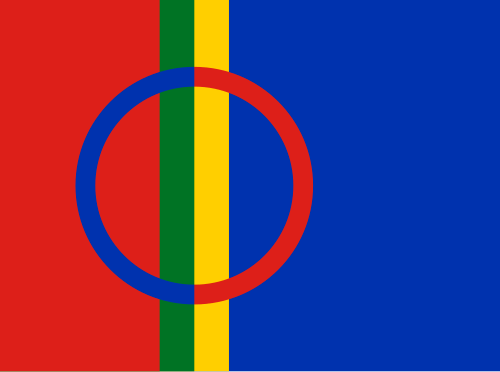
The Sami People Flag. Who are the Sami People; What is the significance of the flag; Why fly the flag today?
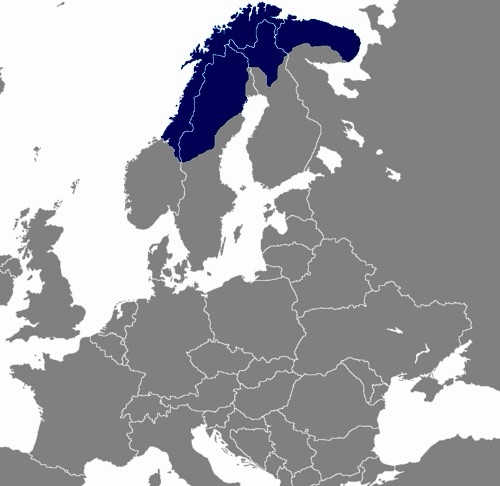
The Sámi (/ˈsɑːmi/SAH-mee; also spelled Sami or Saami) are the traditionally Sámi-speaking indigenous people inhabiting the region of Sápmi, which today encompasses large northern parts of Norway, Sweden, Finland, and of the Kola Peninsula in Russia. The region of Sápmi was formerly known as Lapland. Historically, the Sámi have been known in English as Lapps or Laplanders. However, these terms are regarded as offensive by the Sámi, who prefer their own endonym, e.g. Northern Sámi Sápmi.
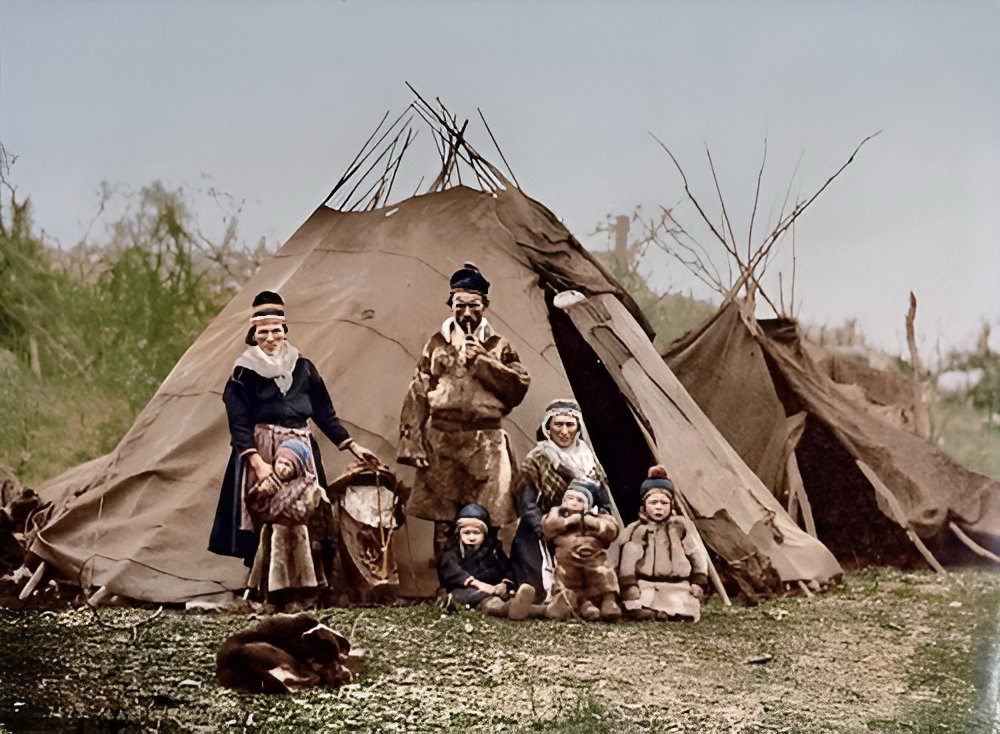
Basically the Sami people were nomadic and stayed in the northern parts of Scandinavia. As the Norwegian people moved north the Sami land became more desirable. “The strongest pressure took place from around 1900 to 1940, when Norway invested considerable money and effort to assimilate Sámi culture. Anyone who wanted to buy or lease state lands for agriculture in Finnmark had to prove knowledge of the Norwegian language and had to register with a Norwegian name. This partly caused the dislocation of Sámi people in the 1920s, which increased the gap between local Sámi groups (something still present today) that sometimes has the character of an internal Sámi ethnic conflict. Another example of forced displacement occurred between 1919 and 1920 in Norway and Sweden.”
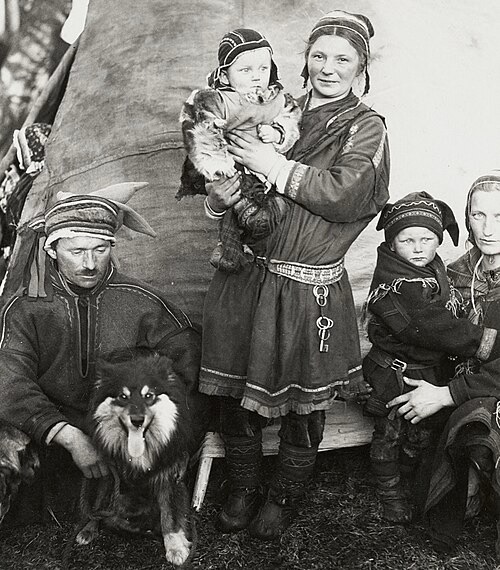
“The Sámi are still coping with the cultural consequences of language and culture loss caused by generations of Sámi children being taken to missionary or state-run boarding schools and the legacy of laws that were created to deny the Sámi rights (e.g., to their beliefs, language, land and to the practice of traditional livelihoods). The Sámi are experiencing cultural and environmental threats, including: oil exploration, mining, dam building, logging, climate change, military bombing ranges, tourism and commercial development.” [Sounds familiar to anyone aware of what happened in America.]
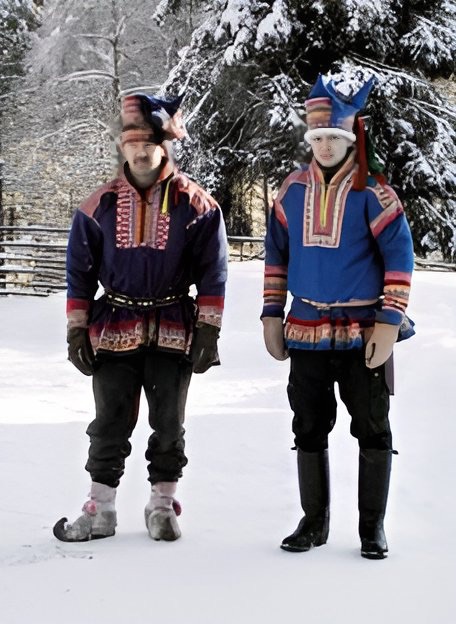
The Sami flag has undergone a number of changes over the years. Similar to all flags, this diverse group of people wanted a symbol to represent who they were.
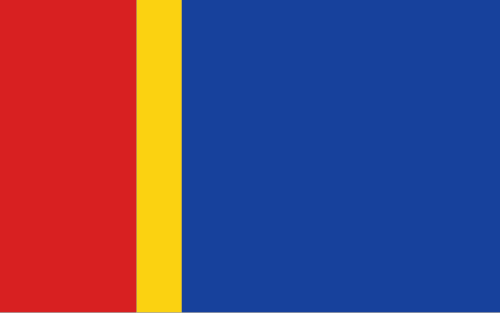
Borrowing the color scheme from the traditional gaktis, the clothing of the Sami.
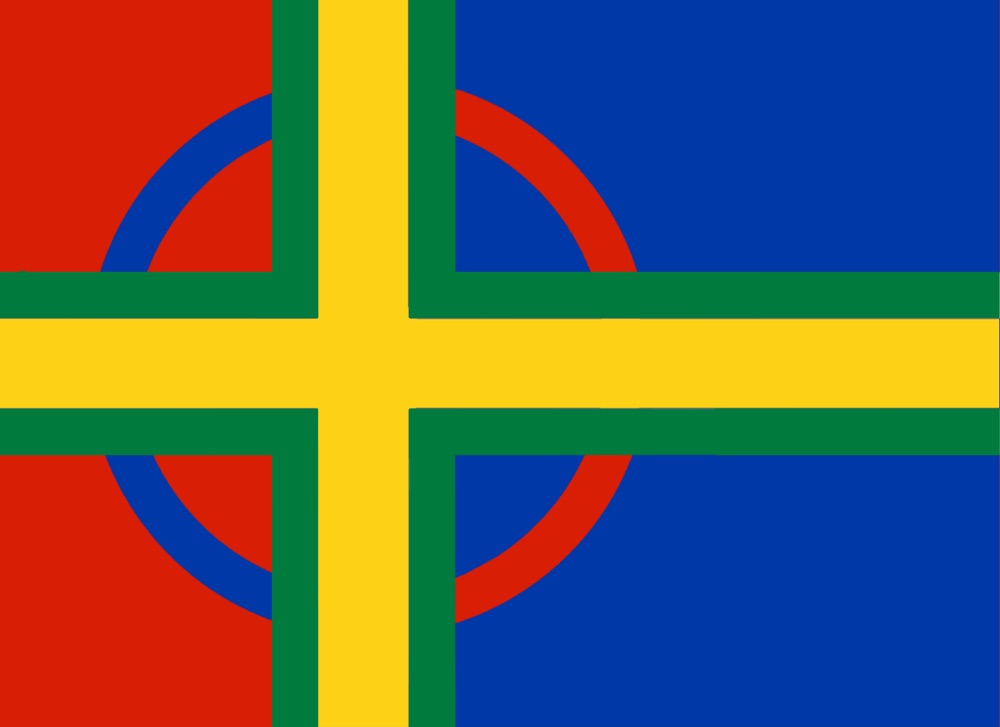
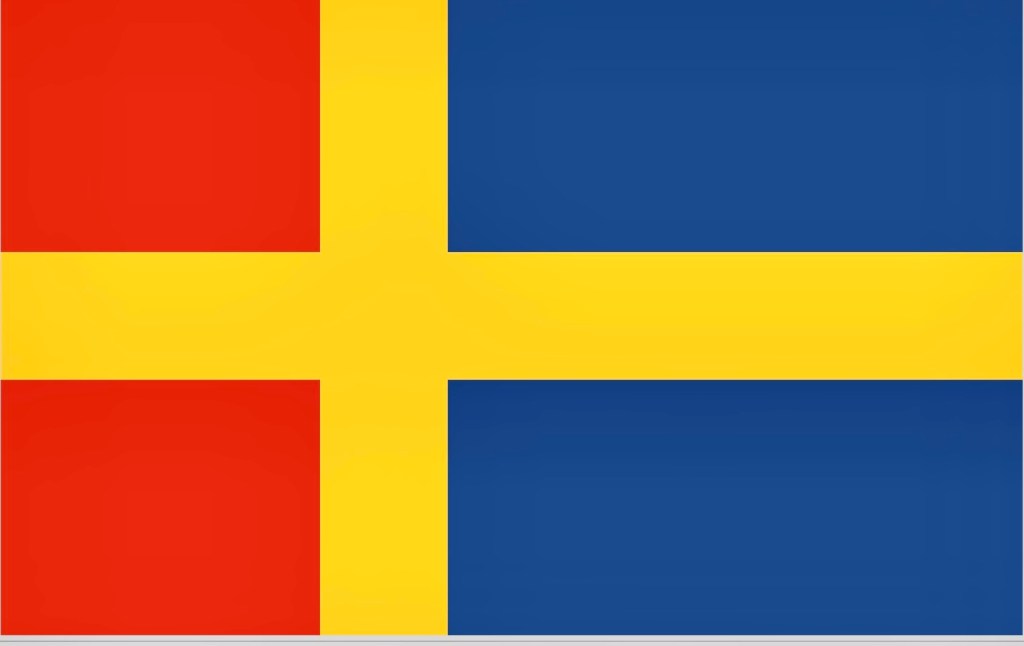

The basic structure of the Sámi flag contains the colour green, which is popular on many South Sámi gáktis. These four colours have been known since then as “the Sámi (national) colours”. Also added is a motif derived from a sun/moon symbol appearing on many shaman’s drums. While the drawings on shaman’s drums were only made in red (using an extract of the sacred alder tree), the motif on the flag uses both blue and red—the first representing the moon, the latter representing the sun.
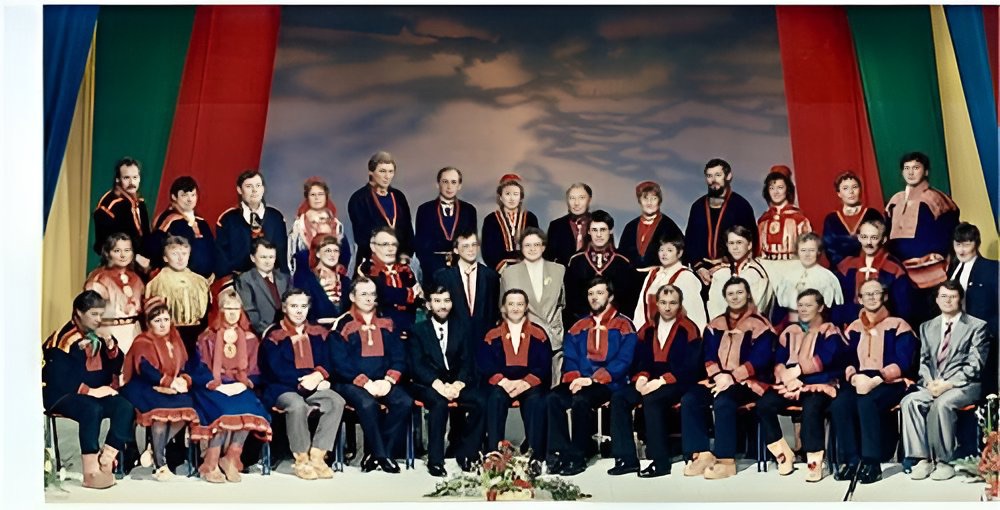
Why flag the Sami flag today? On November 9th, 1973 the Sami Parliament was formed and met for the first time. It would be as if all of the Indigenous people in America got together and formed a governing body to look after the rights and privileges of the First Americans.



 deliriouslove1970. The life & times of Gary and Denise Flanders. (Free and worth every penny. If you would like to compliment the editor, send to garytheflan@deliriouslove1970.com. If you would like to complain, call your mother.)
Leave a comment