


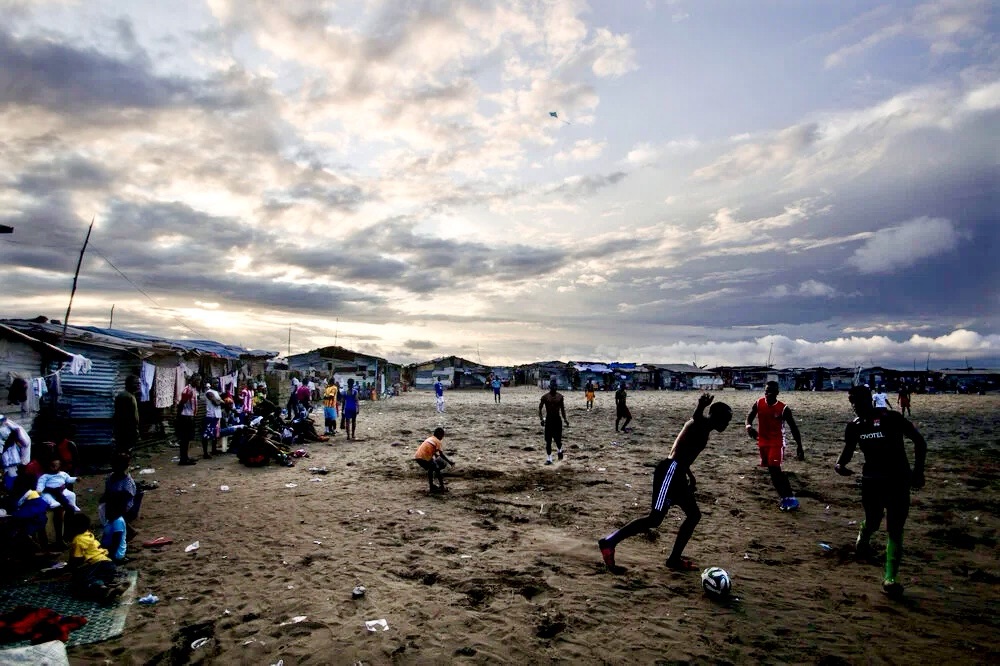
“Liberia (/laɪˈbɪəriə/) officially the Republic of Liberia, is a country on the West African coast. It is bordered by Sierra Leone to its northwest, Guinea to its north, Ivory Coast to its east, and the Atlantic Ocean to its south and southwest. It has a population of around 5.5 million and covers an area of 43,000 square miles (111,369 km2). The official language is English. Over 20 indigenous languages are spoken, reflecting the country’s ethnic and cultural diversity. The capital and largest city is Monrovia.”

“Liberia began in the early 19th century as a project of the American Colonization Society (ACS), which believed black people would face better chances for freedom and prosperity in Africa than in the United States. Between 1822 and the outbreak of the American Civil War in 1861, more than 15,000 freed and free-born African Americans, along with 3,198 Afro-Caribbeans, relocated to Liberia. Gradually developing an Americo-Liberian identity, the settlers carried their culture and tradition with them while colonizing the indigenous population. Led by the Americo-Liberians, Liberia declared independence on July 26, 1847, which the U.S. did not recognize until February 5, 1862.”

In the United States, there was a movement to settle African Americans, both free-born and formerly enslaved, in Africa. This was because they faced racial discrimination in the form of political disenfranchisement and the denial of civil, religious, and social rights. Formed in 1816, the American Colonization Society(ACS) was made up mostly of Quakers and slaveholders. Quakers believed black people would face better chances for freedom in Africa than in the U.S. While slaveholders opposed freedom for enslaved people, some viewed “repatriation” of free people of color as a way to avoid slave rebellions.
In 1822, the American Colonization Society began sending free people of color to the Pepper Coast voluntarily to establish a colony. Mortality from tropical diseases was high—of the 4,571 emigrants who arrived in Liberia between 1820 and 1843, only 1,819 survived. By 1867, the ACS (and state-related chapters) had assisted in the migration of more than 13,000 people of color from the United States and the Caribbean to Liberia. These free African Americans and their descendants married within their community and came to identify as Americo-Liberians. Many were of mixed race and educated in American culture; they did not identify with the indigenous natives of the tribes they encountered. They developed an ethnic group that had a cultural tradition infused with American notions of political republicanism and Protestant Christianity.
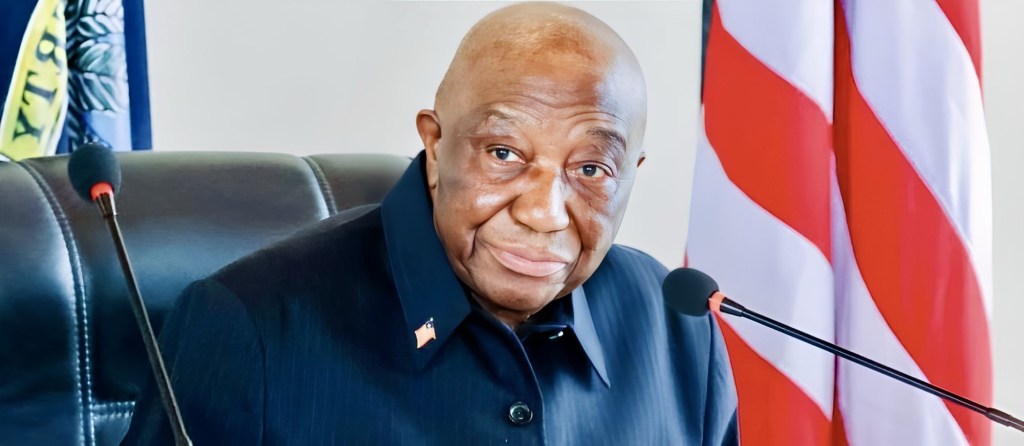
The President of the Republic of Liberia, His Excellency Joseph Nyuma Boakai, Sr., has by Proclamation declared Thursday, November 6, 2025, as National Thanksgiving Day and it is to be observed throughout the Republic as a national holiday.
According to a Foreign Ministry release, the proclamation calls on “Liberians and foreign residents, Priests, Imams, Bishops, Pastors, Clergies, and religious organizations to gather in their various places of Worship, and offer praise to the Almighty God so that He may continuously protect us as a people and a nation.”

The proclamation aligns with Liberia’s long-standing Thanksgiving tradition — one of the oldest public holidays in Africa — established by an Act of the National Legislature in 1883, designating the first Thursday of every November as a day of national thanksgiving.
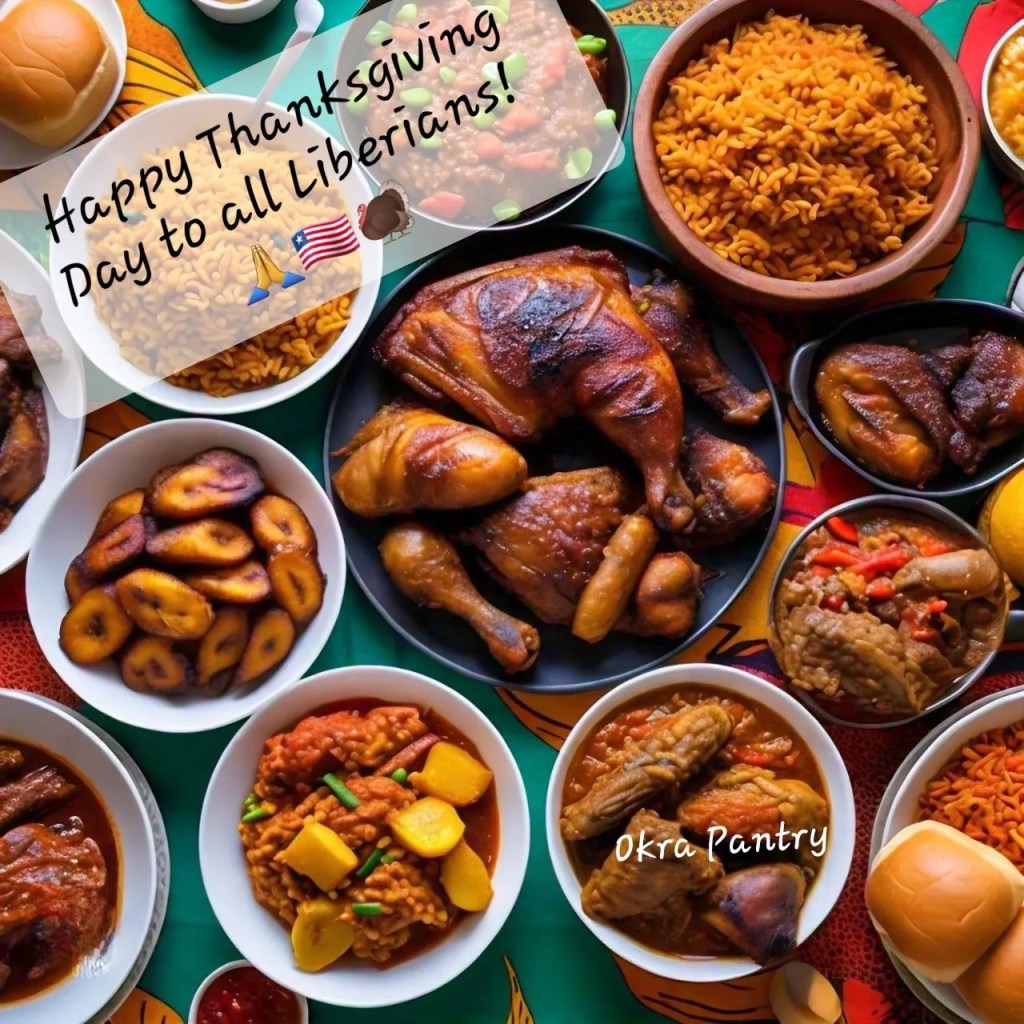
Because of its close ties historically to America there are some types of elements between the two countries in this holiday. But Liberia is forging their own traditions surrounding the culture of giving thanks.


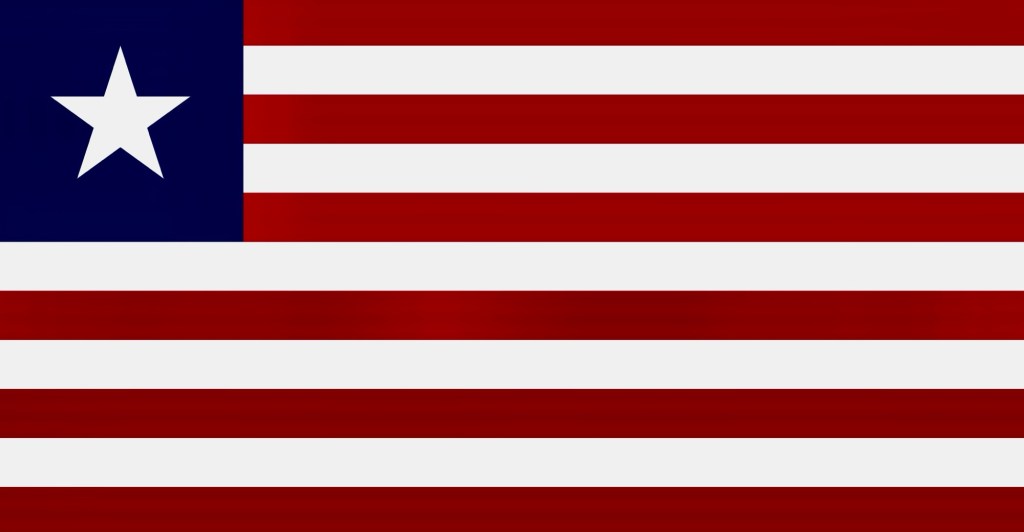
Happy Thanksgiving Liberia.

 deliriouslove1970. The life & times of Gary and Denise Flanders. (Free and worth every penny. If you would like to compliment the editor, send to garytheflan@deliriouslove1970.com. If you would like to complain, call your mother.)
Leave a comment