

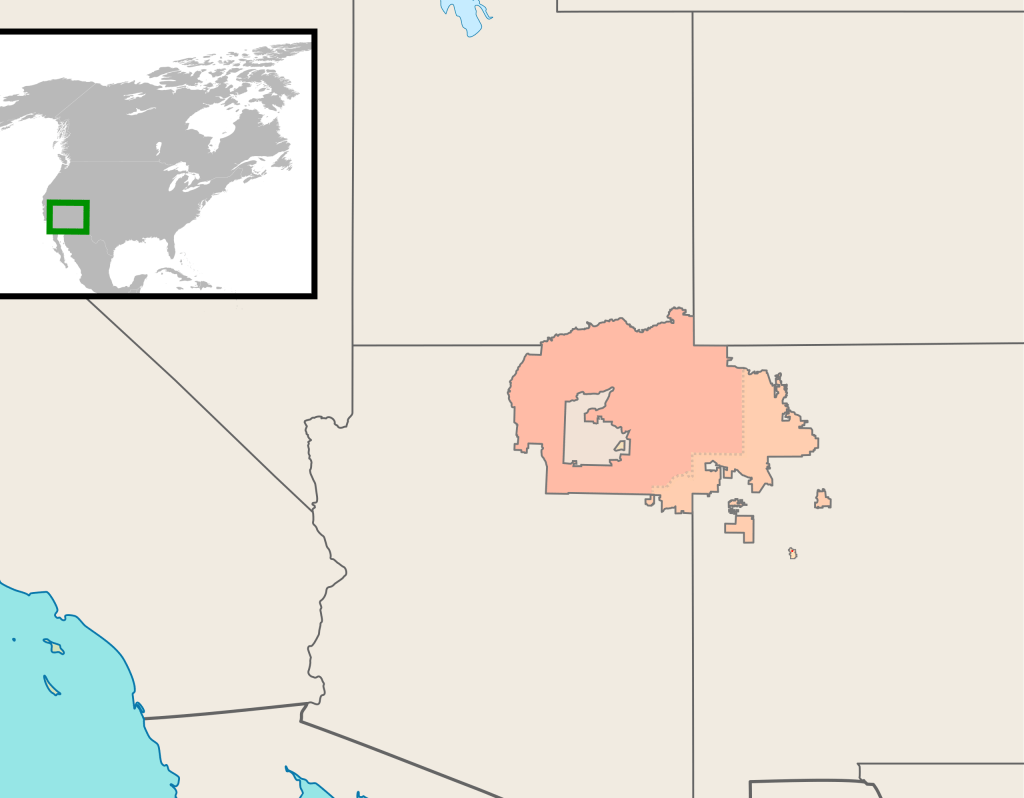
The largest resident tribe in the United States, The Navajo nation. The Host Nation people living on this land represent 14% of the Native American population. It spreads across parts of Arizona, New Mexico and Utah.
An important element of the flag is the tribal seal centered on the field. The seal was adopted in1952. It bears 50 arrows, representing the 50 States in the US. It represents the Navajo nation protected by the US. Within the ring of outward pointing arrows are three concentric circles of turquoise, yellow and red open at the top. They represent the rainbow, and the Navajo hoogan with the opening showing the Navajo sovereignty is never closed. Within the circles are two green corn plants (the sustainer of life) their yellow tips are full of pollen (used in Navajo ceremonies.) The four domestic animals representing elements of life. Within the corn are four sacred mountains. Above them a yellow sun shines.

The flag is a pale buff color (perhaps representing sand) bearing a map of the Navajo nation in the center. Elements of the seal appear on the flag. Surrounding the map are the four sacred mountains – black above, white on the right, turquoise below and yellow on the left. This color pattern is part of a reoccurring theme having to do with the Navajo creation story. Arching over the mountains and map is a rainbow of red, yellow and blue. Centered on the map is a white disk bearing the corn stalks and domestic animals along with symbols of other aspects of the Navajo economy: the traditional hogan, oil drilling, emblems of forestry, mining and recreational fishing and hunting.

From my friends at Welcome Native Spirit comes these insights. “As we grow up, we are exposed to the history of our country through the lens of the most overriding cultures. Nevertheless, important and captivating aspects of history are disregarded and purposefully left out of the public sphere. One such example is the rich and varied history and culture of the Native American people.
While most of us were taught about the Trail of Tears and the Battle of Little Bighorn, there exists much more to learn about the history of the Native American people than is typically taught in school and written in textbooks.
Why Native American History is Not Taught
The reasons why Native American history is not taught in American schools are multifaceted and varying. One of the primary reasons is the historical erasure and marginalization of the tribe’s histories in the United States.
The dominant cultural narrative in the United States has always focused on White Americans’ successes and accomplishments and, in most cases, at the expense of other marginalized communities like the African Americans and Natives. This has contributed to the lack of representation and visibility for Native American history in America’s mainstream education.
Another contributing factor to why Native American history is not taught is the anti-CRT (Critical Race Theory) movement that aims to ban teaching critical race theory and other linked concepts in United States schools. The movement has gained massive traction recently, with some U.S. states passing doctrines banning the teaching topics related to systemic racism—this includes the history and culture of the Native American people. CRT critics say it promotes a divisive and harmful ideology focusing on communities’ identity and victimization, not individual merit and achievements. On the other hand, proponents of the CRT emphasize that it is an important tool for comprehending ways in which systemic racism and oppression have today shaped the United States’ history, and this includes the experiences of the Native American people. Ignorance has led to prejudice and policies that have harmed these communities. In addressing this issue, states must also focus on adopting mandatory standards for teaching native american history—including their contributions since 1900 and the diversity among these communities. The local organizations should design these lessons and standards due to their multifaceted perspectives.
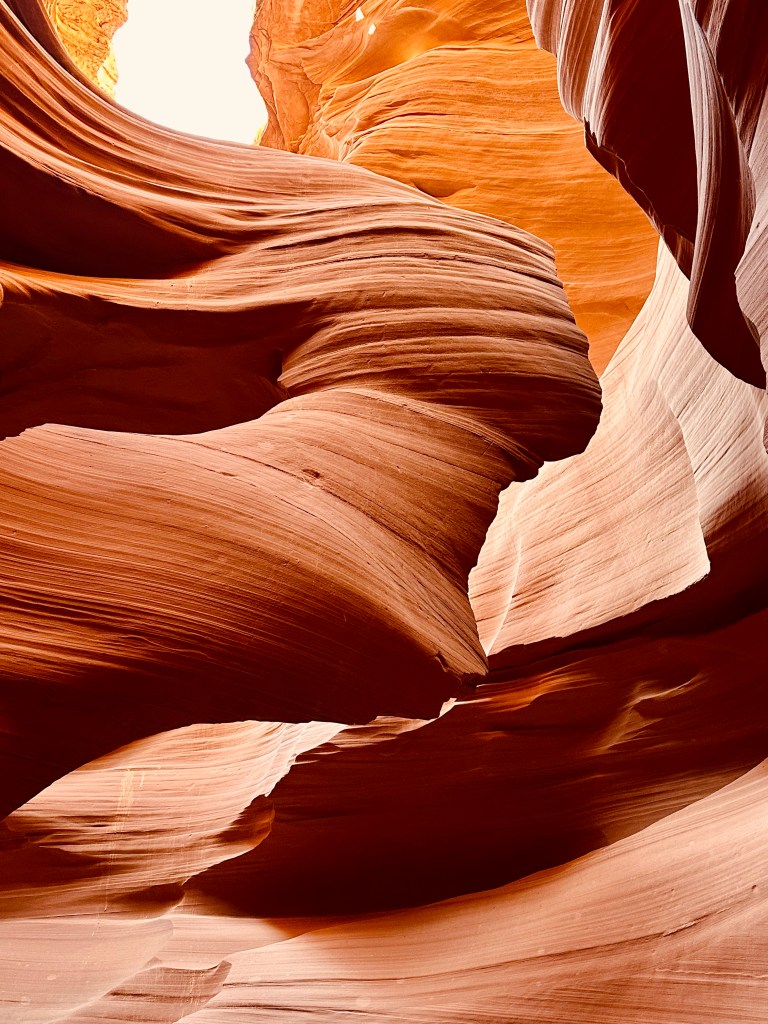
Native Facts You Were NOT Taught
Native American Female Warriors
In most Native American films, male warriors rode off to battle while their female counterparts remained behind to care for their families and camps. This was, however, not the case in real life, as many Native American women warriors fought alongside men and were duly respected. One of the most notable women was the Buffalo Calf Road Woman, who belonged to the Northern Cheyenne tribe involved in the Battle of Little Bighorn. According to the oral traditions from the Northern Cheyenne tribe, it was the Buffalo Calf Road Woman who dealt Custer his ultimate deadly blow.
The Land Size Of Navajo Nation
According to historical documents, the Navajo Nation is almost 25,000 sq miles—this area is about the size of West Virginia and twice the size of Maryland. This tribal land extends into Arizona, Utah, and New Mexico. In 2021, the tribe surpassed the Cherokee Nation to be the largest tribal nation by population and had almost 400,000 registered tribal members. This tribe also has the most speakers of any Native American tribe and language.
State-recognized Tribes
The United States has 63 state-recognized tribes spanning 11 states—Alabama, Connecticut, Georgia, Louisiana, Maryland, Massachusetts, New York, North Carolina, South Carolina, Vermont, and Virginia. The state-recognized tribes are recognized by their respective state governments and acknowledge their culture, religion, and history as part of the greater United States history.

300 Languages
Before European colonization, there existed over 300 languages spoken by Native American tribes. Today, most of these languages are dead due to assimilation and policies implemented by the U.S. government suppressing some of these languages. As per the U.S. Census Bureau, approximately 169 indigenous languages were spoken in the United States by 2013.
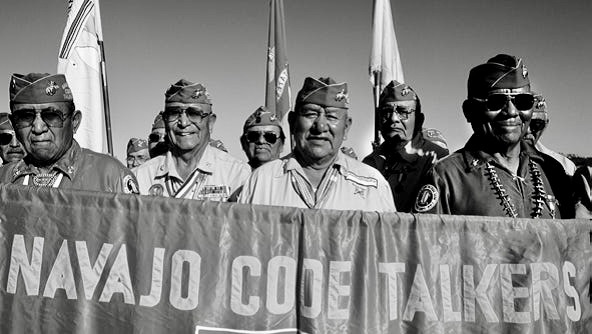
Native American Tribes Received Citizenship in 1924
In 1924, U.S. President Calvin Coolidge approved the famous Indian Citizenship Act despite some Native Americans being considered citizens by the Dawes Act 1887. Despite this, most Natives could not cast ballots and vote for leaders of their choice. The right to vote was restricted by state governments that enacted discriminatory practices. They were required to read and write and sometimes pass literacy tests to prevent them from voting. Until 1965, after the passage of the Voting Rights Act, these discriminatory practices were still in existence and used on minorities. Native Americans earned the right to fully vote 40 years after women.
welcomenativespirit.com
https://youtu.be/x1uJidwo77s?si=e1KaBAhvia7VYYWX


 deliriouslove1970. The life & times of Gary and Denise Flanders. (Free and worth every penny. If you would like to compliment the editor, send to garytheflan@deliriouslove1970.com. If you would like to complain, call your mother.)
Leave a comment