
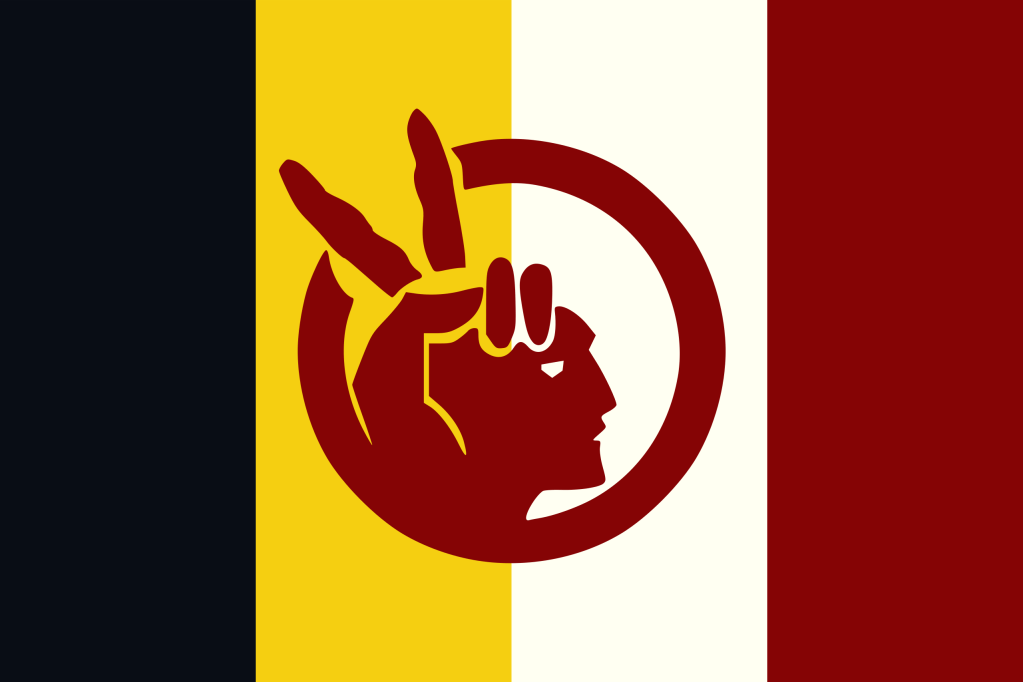
On August 3, 1990, President of the United StatesGeorge H. W. Bush declared the month of November as National American Indian Heritage Month. The bill read in part that “The President has authorized and requested to call upon Federal, State and local Governments, groups and organizations and the people of the United States to observe such month with appropriate programs, ceremonies and activities”. This landmark bill honoring America’s Native people represented a major step in the establishment of this celebration which began in 1976 when a Cherokee/Osage Indian named Jerry C. Elliott-High Eagle authored Native American Awareness Week legislation the first historical week of recognition in the nation for native peoples. This led to 1986 with then President Ronald Reagan proclaiming November 23–30, 1986, as “American Indian Week”.

The flag above is the flag of The American Indian Movement. The American Indian Movement(AIM) is an American Indian grassroots movement which was founded in Minneapolis, Minnesota in July 1968, initially centered in urban areas in order to address systemic issues of poverty, discrimination, and police brutality against American Indians. AIM soon widened its focus from urban issues to many Indigenous Tribal issues that American Indian groups have faced due to settler colonialismin the Americas. These issues have included treaty rights, high rates of unemployment, the lack of American Indian subjects in education, and the preservation of Indigenous cultures.
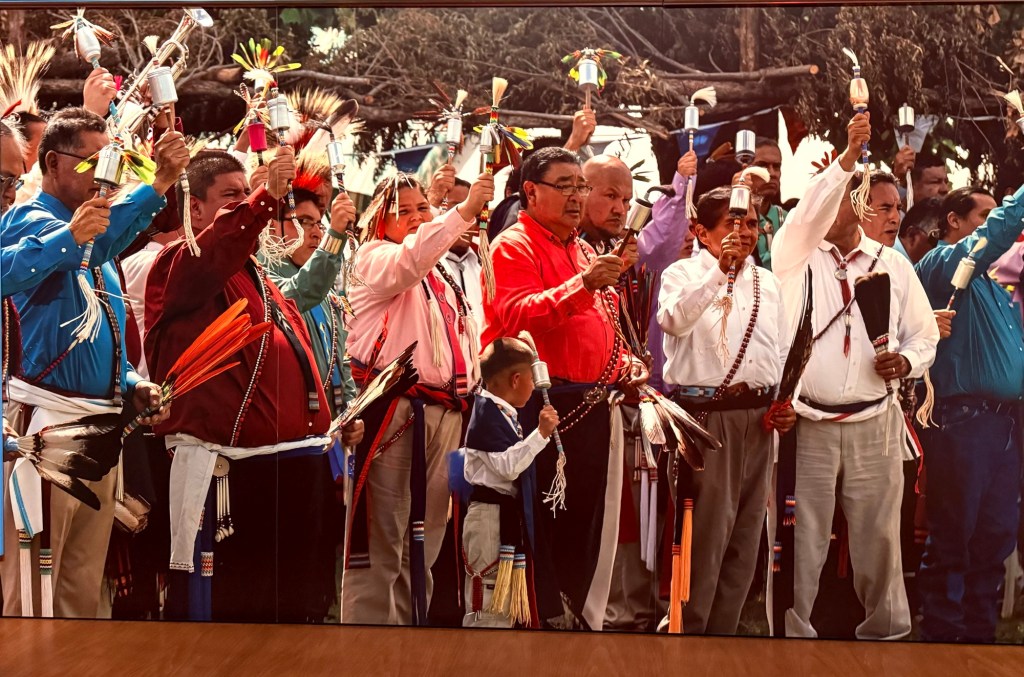

From my friends at Welcome Native Spirit comes these information.
Facts About Missing And Murdered Indigenous Women
There is widespread anger and sadness in First Nations communities. Sisters, wives, mothers, and daughters are gone from their families without clear answers. There are families whose loved ones are missing—babies growing up without mothers, mothers without daughters, and grandmothers without granddaughters. For Native Americans, this adds one more layer of trauma upon existing wounds that cannot heal. Communities are pleading for justice.
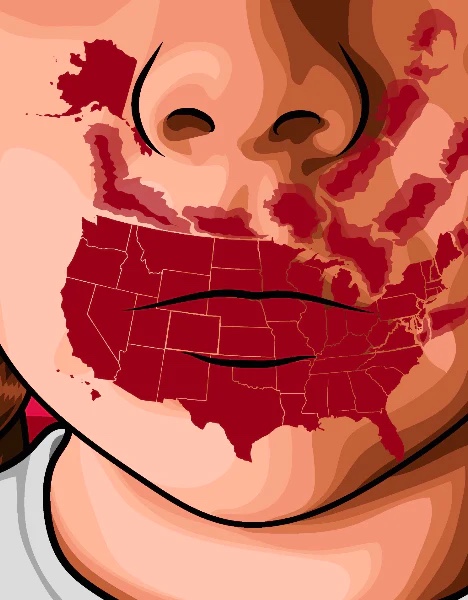
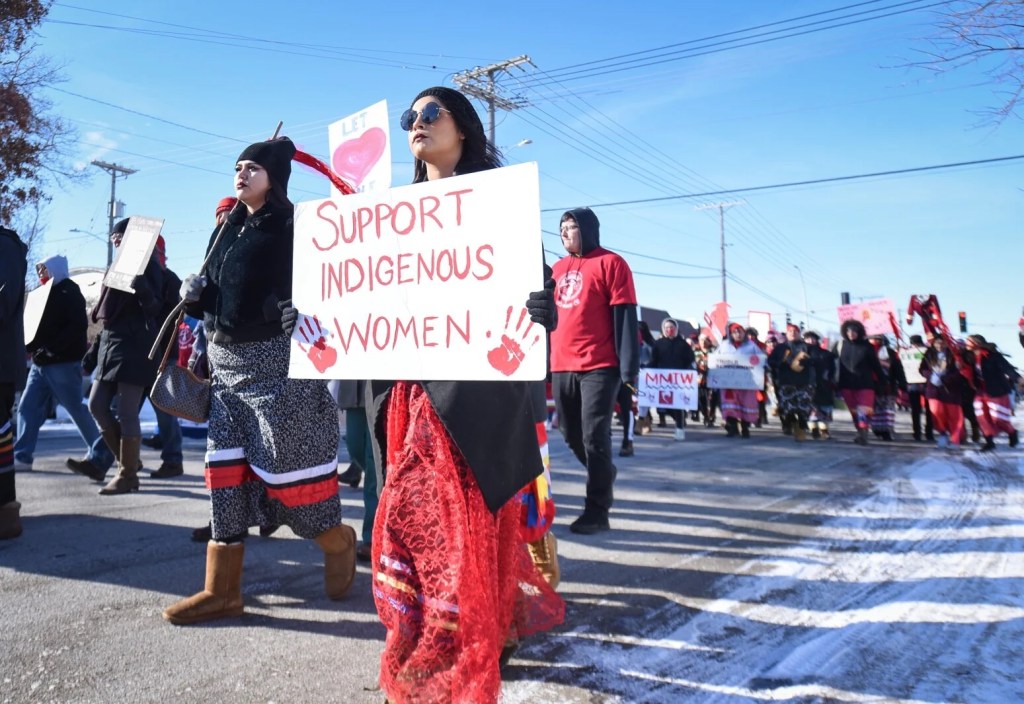
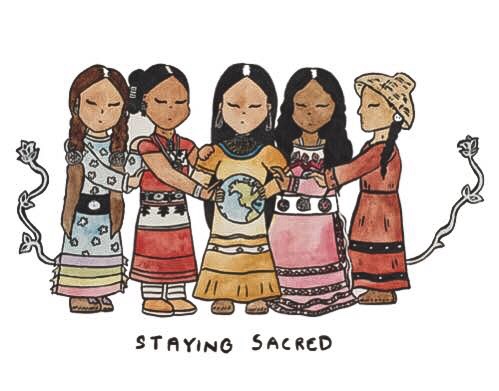
A red hand over the mouth has become the symbol of a growing movement, the MMIW movement. It stands for all the missing sisters whose voices are not heard. It stands for the silence of the media and law enforcement in the midst of this crisis. It stands for the oppression and subjugation of Native women who are now rising up to say #NoMoreStolenSisters.
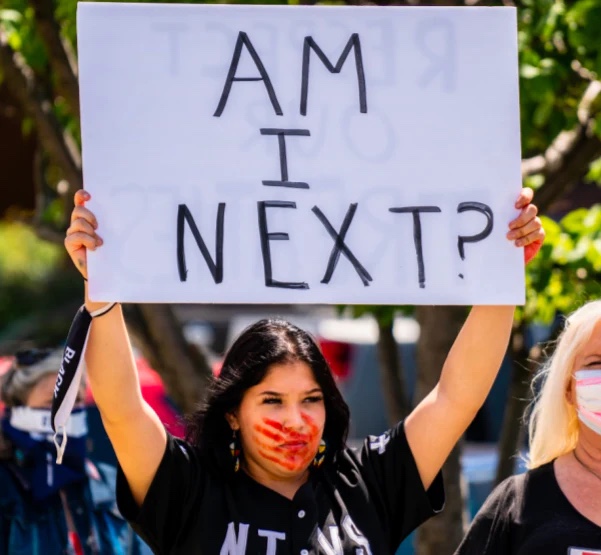
There are numerous reasons, but at the forefront lie issues stemming from the Indian Relocation Act and federal policies.
Many Native Americans do not live on the tribal lands or reservations (only 22%) and many frequent a lifestyle of transience between tribal and state lands. This presents a variety of crucial issues involving reporting policies, jurisdictional complications, and communication and coordination problems between agencies.
Native Americans residing in urban areas have few resources linked to their culture and tribal community. Many Urban Indians, people living in cities, fall into a “pipeline of vulnerability”: people of color, people experiencing poverty, people coming out of the foster care system, people lacking resources or family, people isolated emotionally, physically or psychologically. According to Janeen Comenote, executive director of the National Urban Indian Family Coalition, “poverty remains one of the most challenging aspects to contemporary urban Indian life. While I do recognize that a sizable chunk of our population[s] is solidly middle class, every Native person I know has either experienced poverty or has a family member who is. Housing and homelessness remain at the top-of-the-list of challenges.”
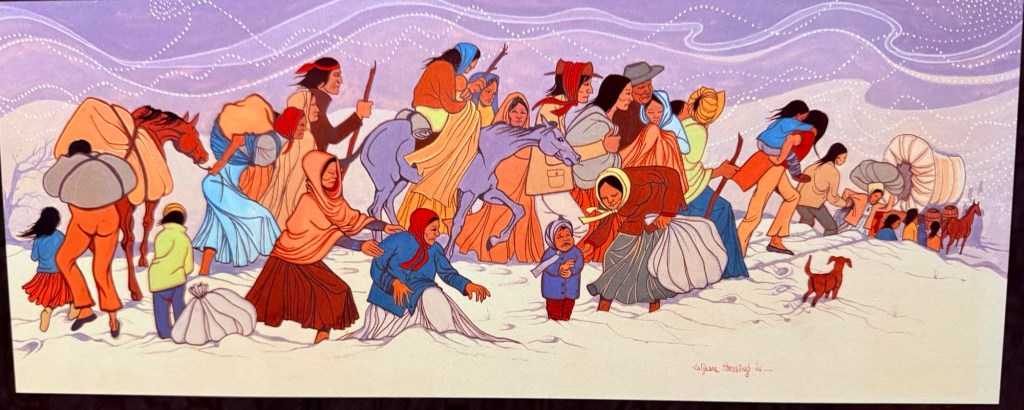

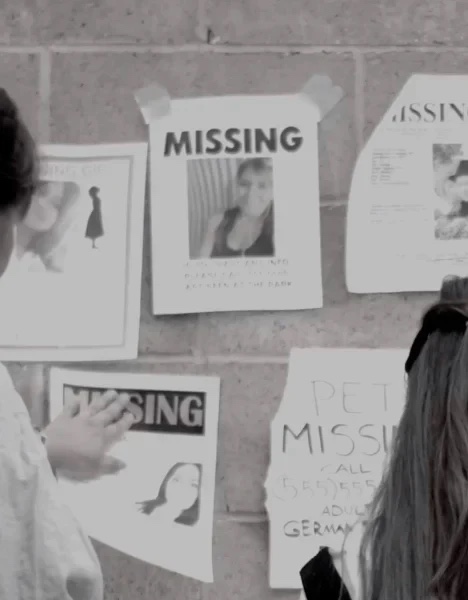
Native Americans today face some extraordinary challenges. These statistics from the Urban Indian Health Institute were compiled from a survey of 71 U.S. cities in 2016. The numbers speak for themselves: Native American women make up a significant portion of the missing and murdered cases. Not only is the murder rate ten times higher than the national average for women living on reservations but murder is the third leading cause of death for Native women.
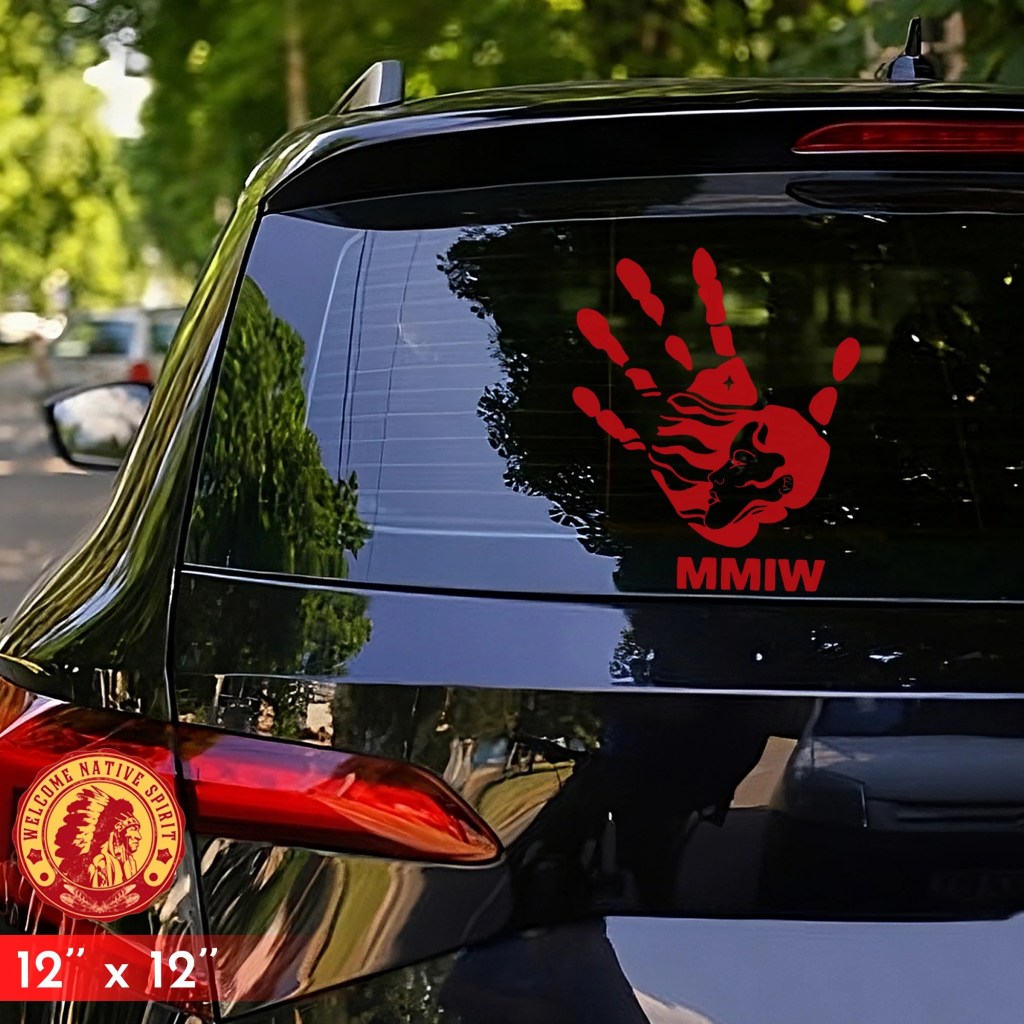
With every product you purchase from us, (Welcome Native Spirit) we pledge to donate $1 to support and uplift Indigenous peoples – Mauris tincidunt ante non tortor fermentum mollis.
– Aliquam ac diam cursus ipsum elementum tempus et eu justo.
– Quisque imperdiet mauris eget mauris.
– Praesent placerat nibh a lacus suscipit congue.
– Curabitur eleifend ante id dui tempus ultricies.


 deliriouslove1970. The life & times of Gary and Denise Flanders. (Free and worth every penny. If you would like to compliment the editor, send to garytheflan@deliriouslove1970.com. If you would like to complain, call your mother.)
Leave a comment