
Turkey, a country that occupies a unique geographic position, lying partly in Asia and partly in Europe. Throughout its history it has acted as both a barrier and a bridge between the two continents.
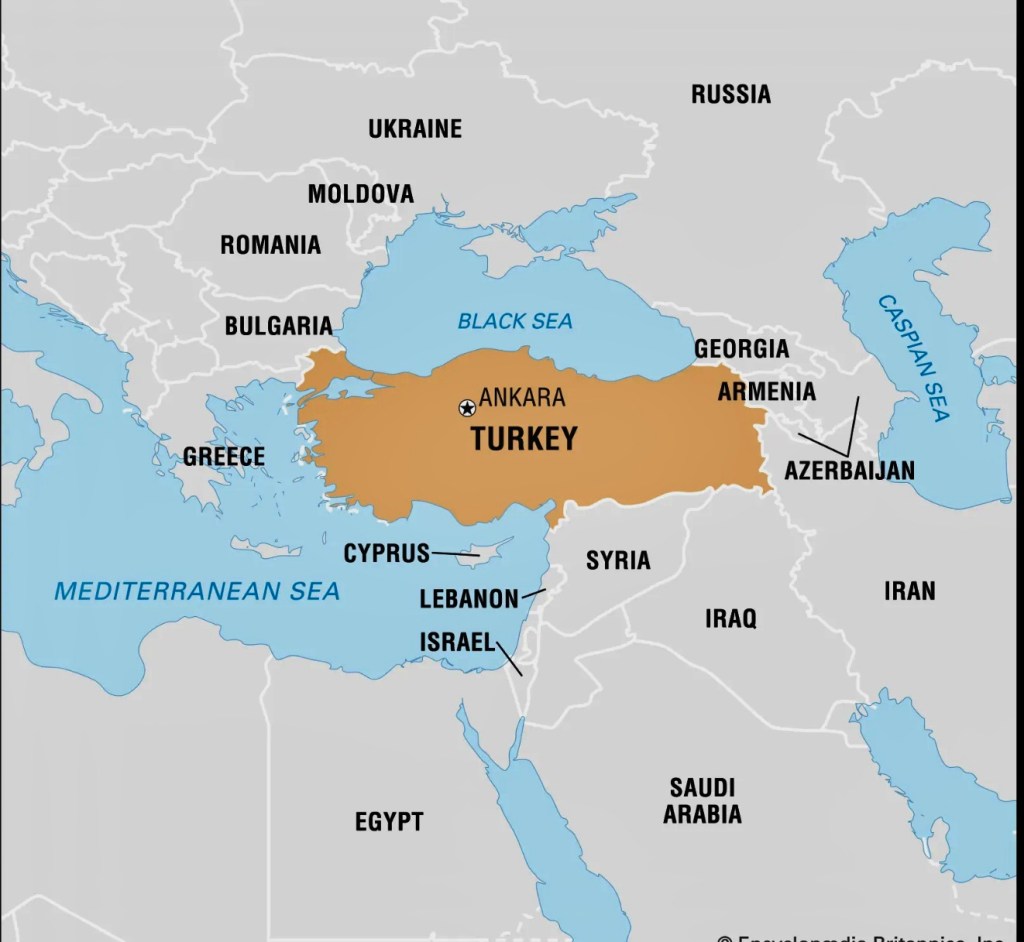
Turkey is situated at the crossroads of the Balkans, Caucasus, Middle East, and eastern Mediterranean. It is among the larger countries of the region in terms of territory and population, and its land area is greater than that of any European state. Nearly all of the country is in Asia, comprising the oblong peninsula of Asia Minor—also known as Anatolia (Anadolu)—and, in the east, part of a mountainous region sometimes known as the Armenian Highland. The remainder—Turkish Thrace (Trakya)—lies in the extreme southeastern part of Europe, a tiny remnant of an empire that once extended over much of the Balkans.
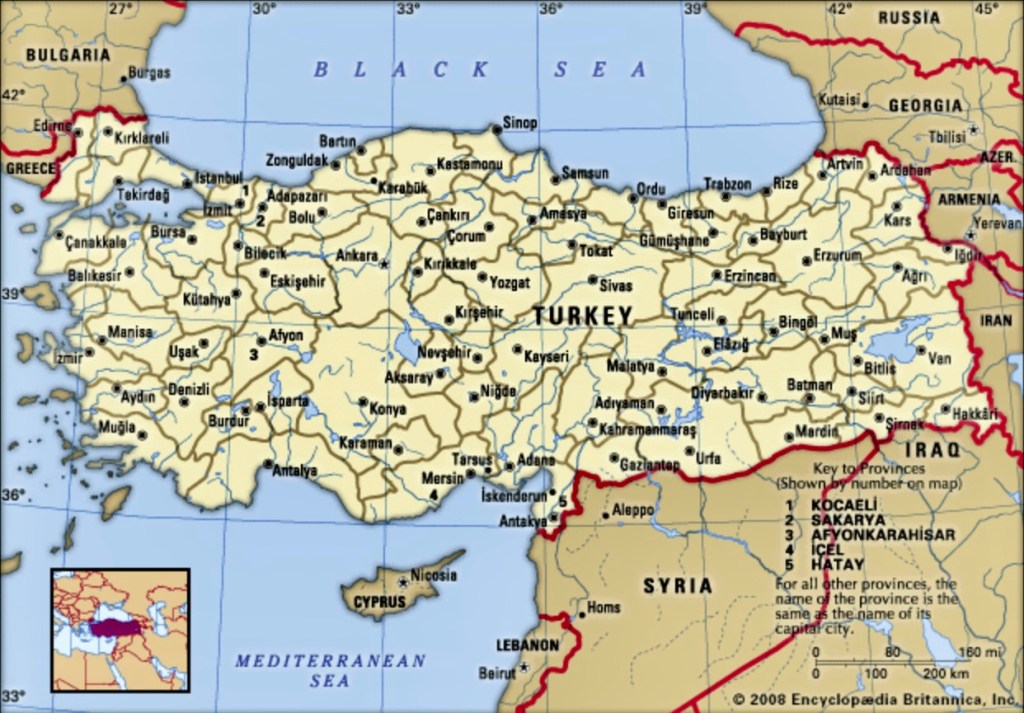
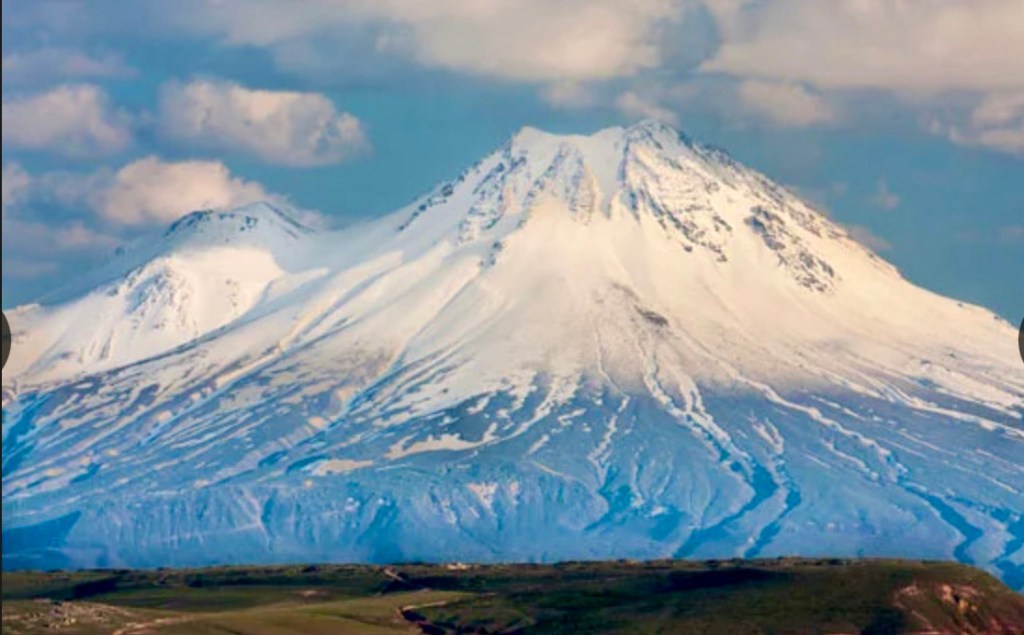
Turkey is a predominantly mountainous country, and true lowland is confined to the coastal fringes. About one-fourth of the surface has an elevation above 4,000 feet (1,200 metres), and less than two-fifths lies below 1,500 feet (460 metres). Mountain crests exceed 7,500 feet (2,300 metres) in many places, particularly in the east, where Turkey’s highest mountain, Mount Ararat (Ağrı), reaches 16,945 feet (5,165 metres) close to the borders with Armenia and Iran. In the southeast the Uludoruk Peak reaches 15,563 feet (4,744 metres); though further west, the Demirkazık Peak (12,320 feet [3,755 metres]) and Mount Aydos (11,414 feet [3,479 metres]) are also significant peaks. Steep slopes are common throughout the country, and flat or gently sloping land makes up barely one-sixth of the total area. These relief features affect other aspects of the physical environment, producing climates often much harsher than might be expected for a country of Turkey’s latitude and reducing the availability and productivity of agricultural land. Structurally, the country lies within the geologically young folded-mountain zone of Eurasia, which in Turkey trends predominantly east to west. The geology of Turkey is complex, with sedimentary rocks ranging from Paleozoic to Quaternary, numerous intrusions, and extensive areas of volcanic material. Four main regions can be identified: the northern folded zone, the southern folded zone, the central massif, and the Arabian platform.
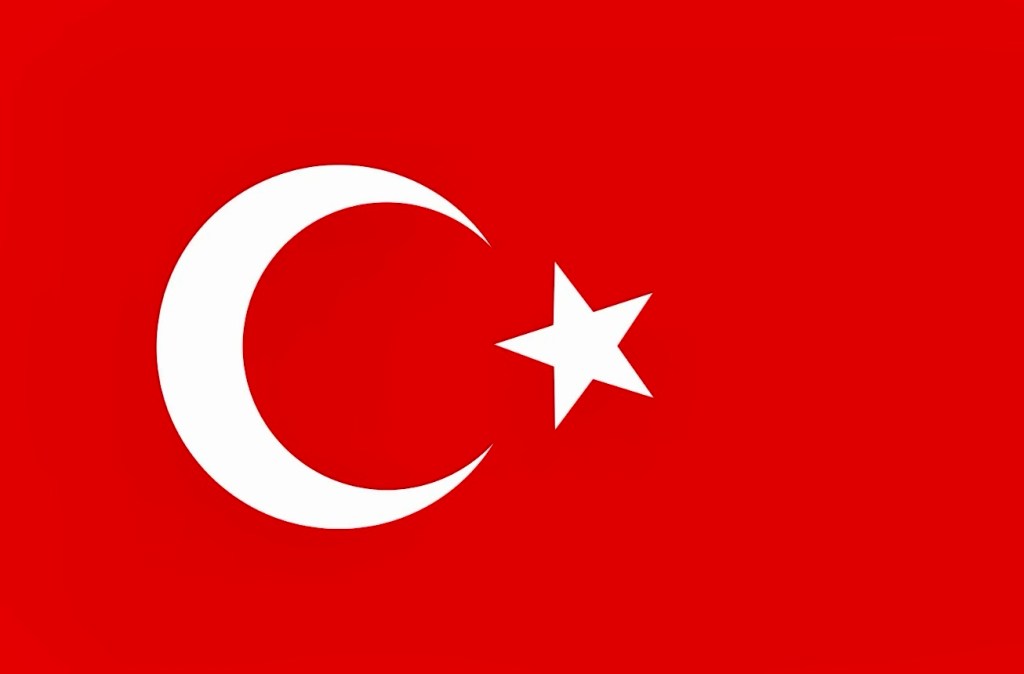
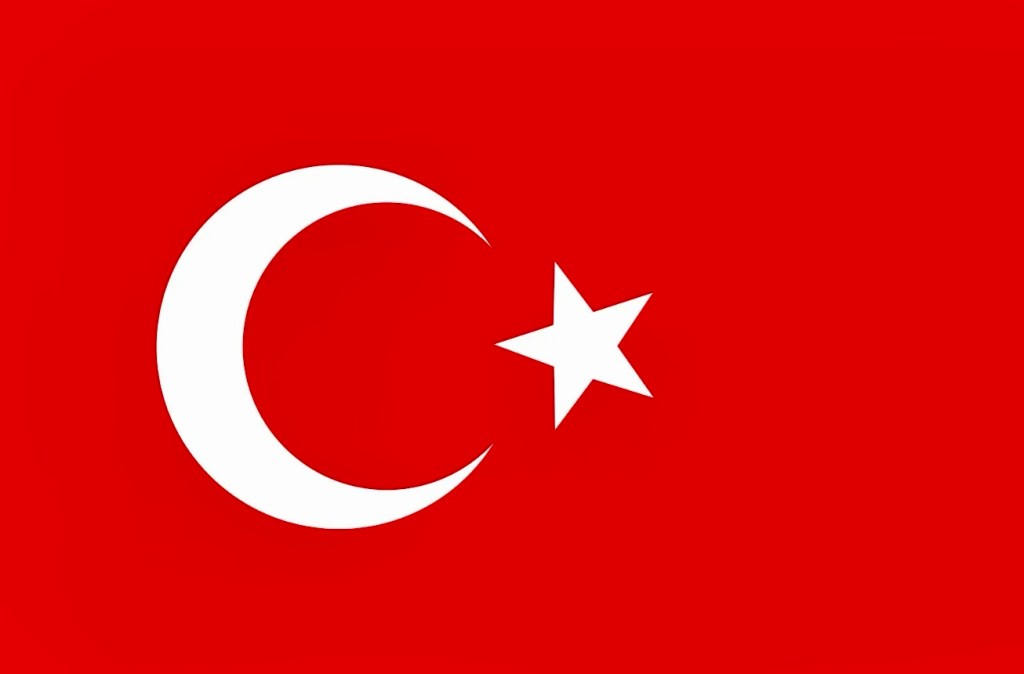
“The flag of Turkey: Various myths are associated with the symbolism of the red colour and the star and crescent, but none really explains their origins. Although the star and crescent are often seen as typical Muslim symbols, in fact they have a history long predating the rise of Islam. Ancient civilizations throughout the Middle East used a crescent moon as a religious symbol, and the ancient city of Byzantium was dedicated to the moon goddess, Diana. A star, emblematic of the Virgin Mary, was added to Diana’s crescent symbol when Emperor Constantine I made Christianity the official faith of the Roman Empire and renamed the city Constantinople in his own honour.” (Whitney Smith)
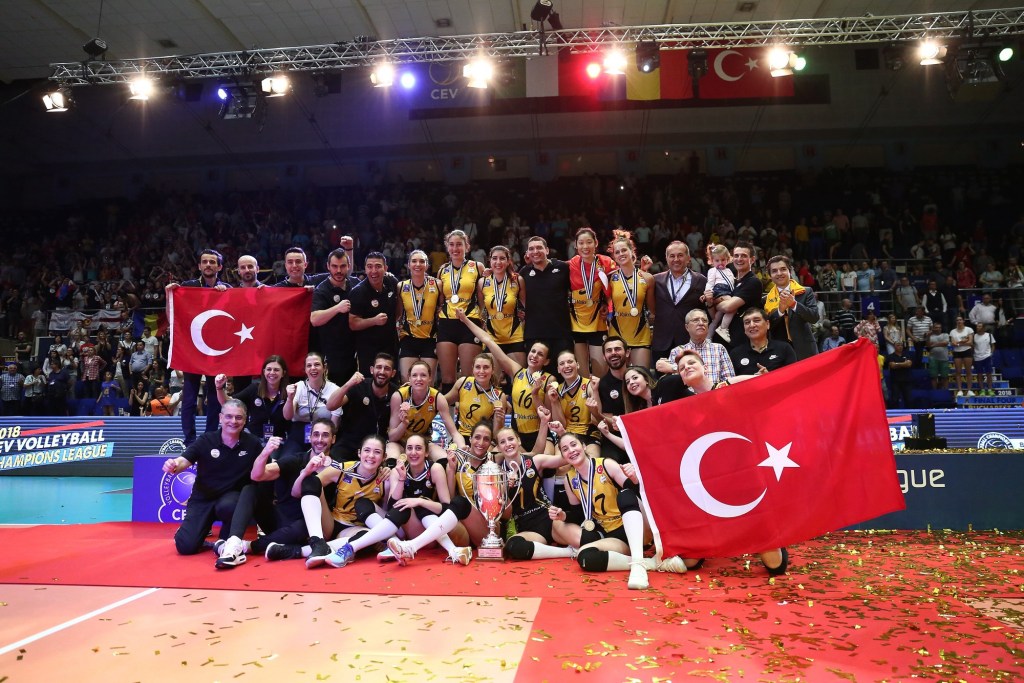
“The crescent and star became associated with Islam when the Muslim Turkic peoples of Central Asia captured the Anatolian peninsula (and, eventually, Constantinople) and added the crescent and star of the latter to their own plain red flags. There were several Turkish flags throughout the centuries of the Ottoman Empire, most of them incorporating the crescent and star and the colours red or green. In June 1793 the flag now used as the Turkish national flag was established for the navy, although its star had eight points instead of the current five. The reduction in the number of star points was made about 1844. That flag design was reconfirmed as the Turkish national banner on June 5, 1936, following the revolution led by Atatürk, who had established a republic in 1923 after the collapse of the Ottoman dynasty.” (Whitney Smith)
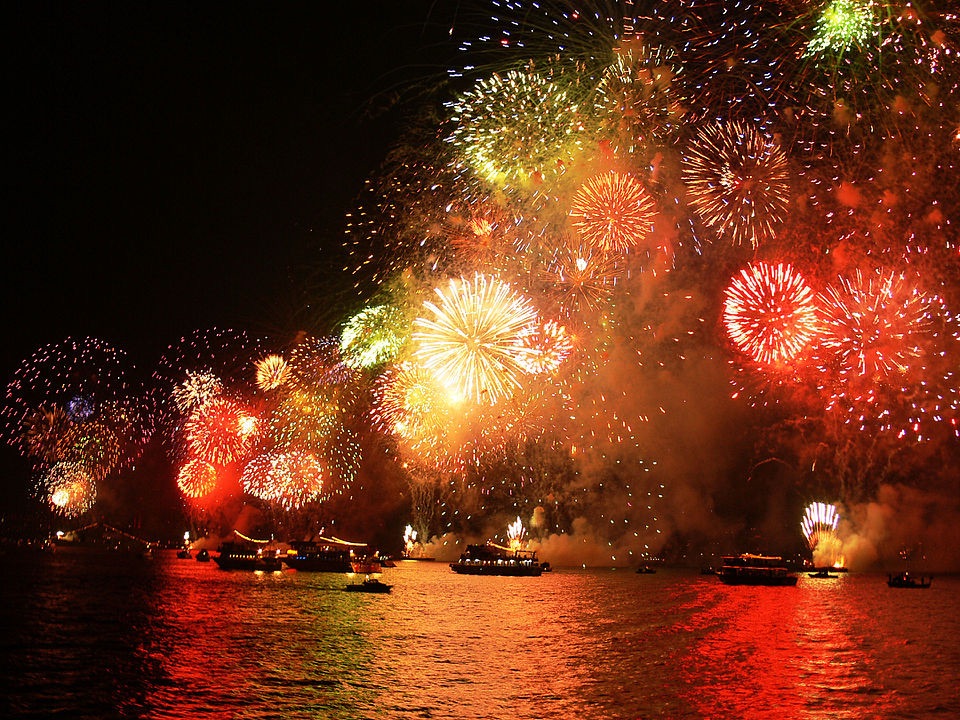
Republic Day (Turkish: Cumhuriyet Bayramı) is a public holiday in Turkey commemorating the proclamation of the Republic of Turkey, on 29 October 1923. The annual celebrations start at 1:00 pm on 28 October and continue for 35 hours.


 deliriouslove1970. The life & times of Gary and Denise Flanders. (Free and worth every penny. If you would like to compliment the editor, send to garytheflan@deliriouslove1970.com. If you would like to complain, call your mother.)
Leave a comment