
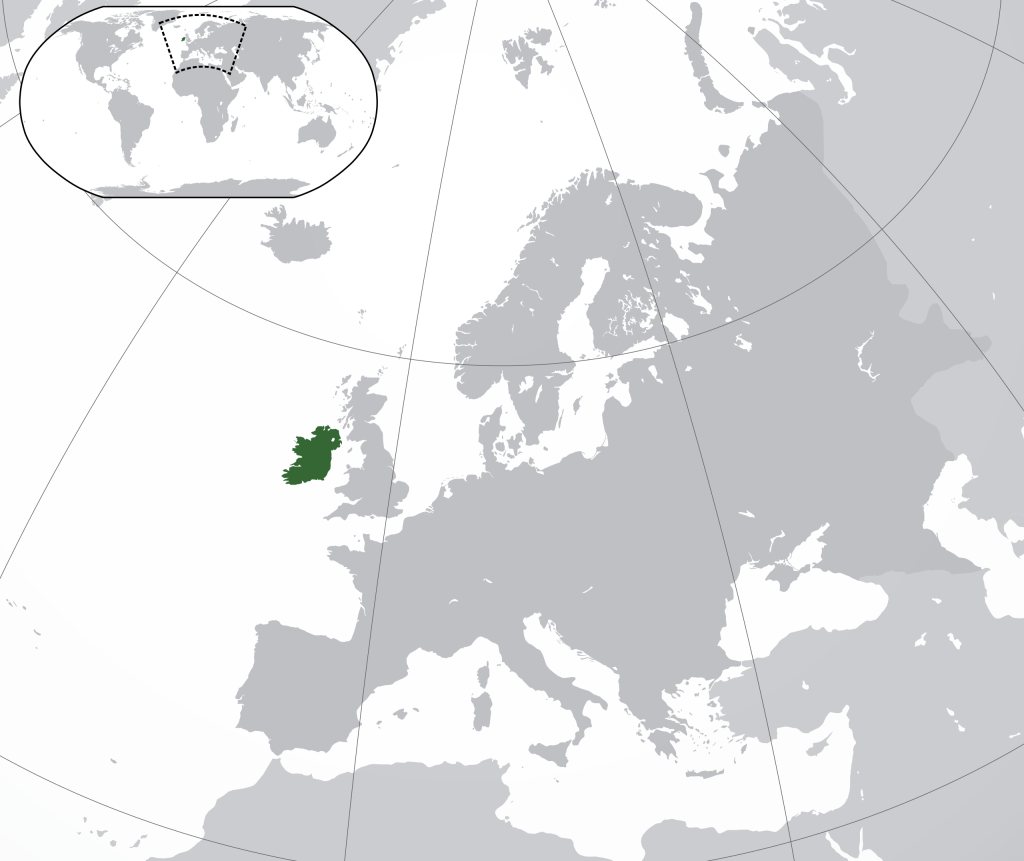
Ireland. An island in the North Atlantic. It is separated from Great Britain to its east by the North Channel, the Irish Sea, and St George’s Channel. Ireland is the second-largest island of the British Isles, the third-largest in Europe, and the twentieth-largest on Earth.
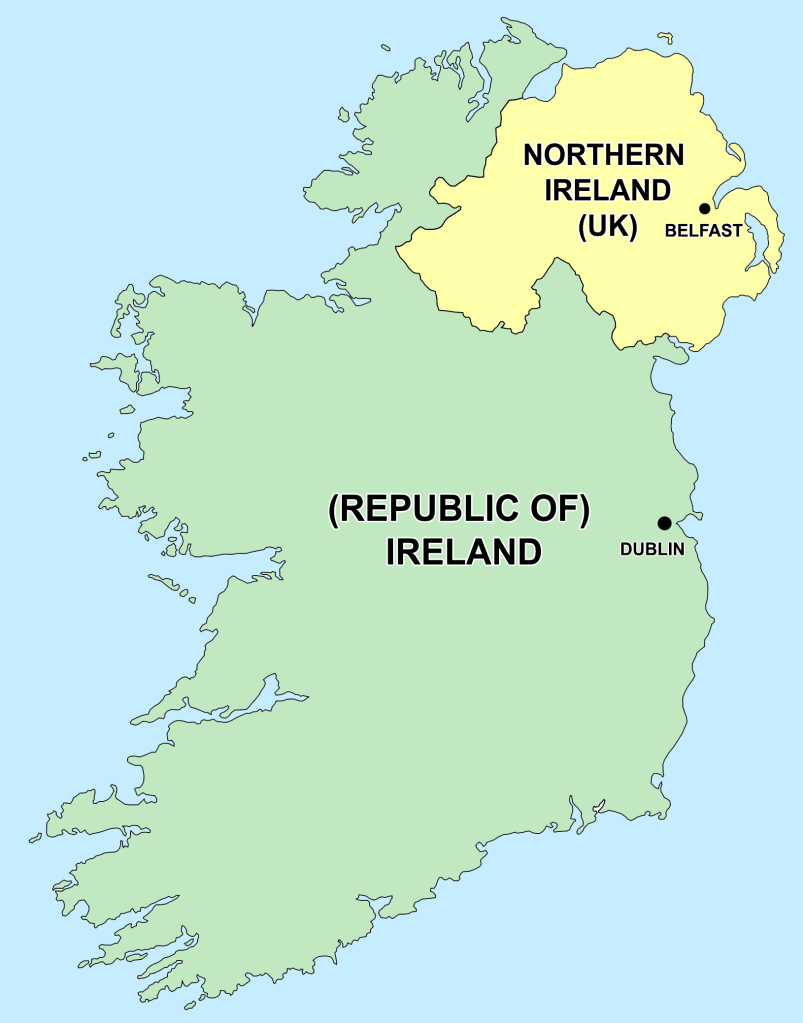
With a human history dating back to 10,500 BC, it has always had a contentious relationship with Britain. It has also had a geopolitical division for hundreds of years. Ireland is divided between the larger Republic of Ireland and Northern Ireland which remains closely related to the United Kingdom.
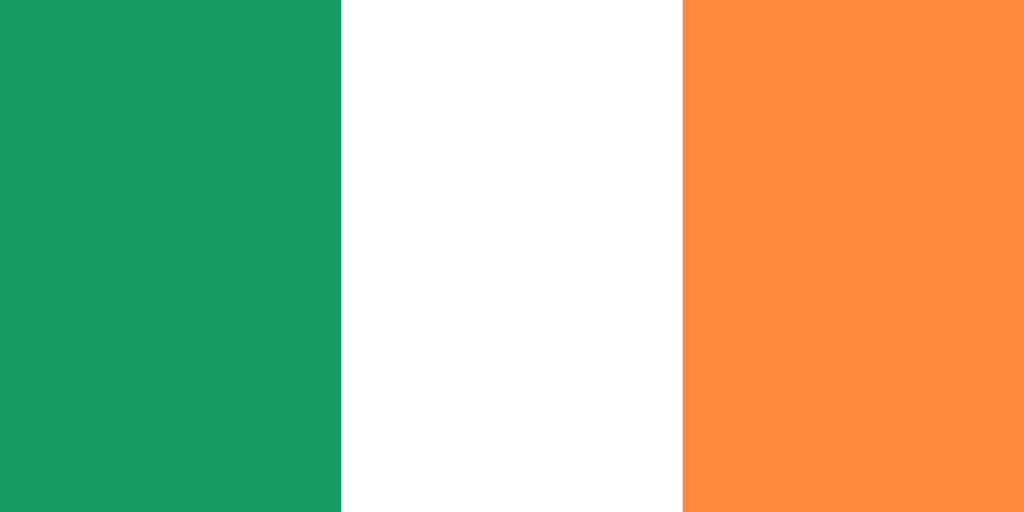
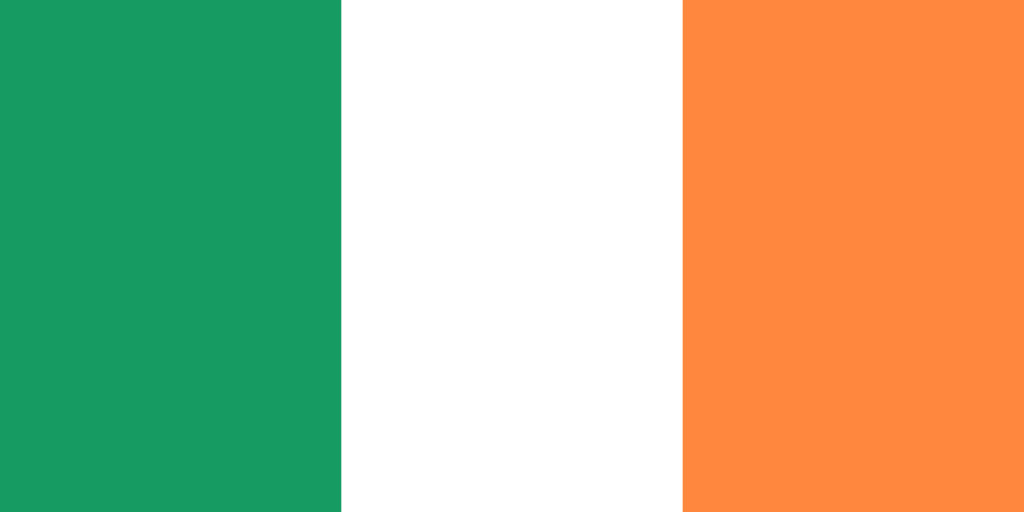
The flag, which is a good representation of the division is known as the Irish Tricolor. The basic design has been in existence since 1848. It is the hoped for union of the Catholics and Protestants. The green represents the Roman Catholics with the orange standing for the followers of William of Orange, the Protestants. The white in the middle is meant to be the peace, the hand shake, the union of these two groups.
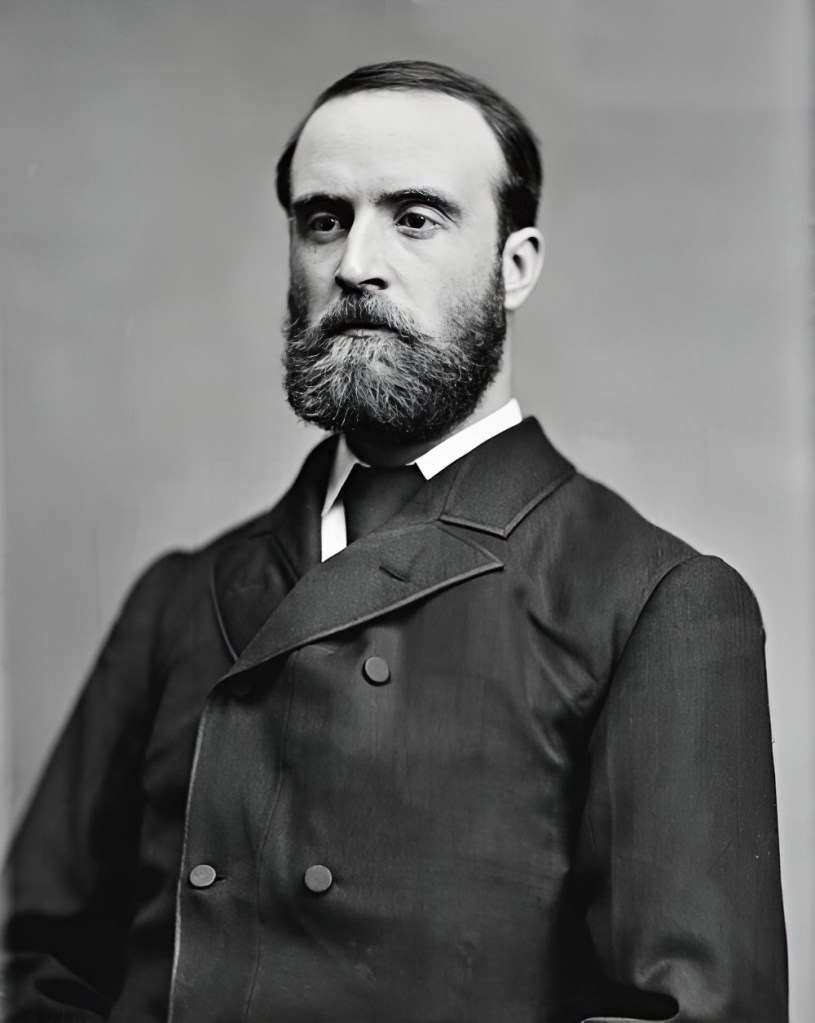
Today, October 6 is a National Holiday in The Republic of Ireland known as Ivy Day. It celebrates Charles Stewart Parnell. (At one time known as the ‘Uncrowned King of Ireland). He was a prominent Nationalist. Irish nationalism is a nationalist political movement which, in its broadest sense, asserts that the people of Ireland should govern Ireland as a sovereign state.
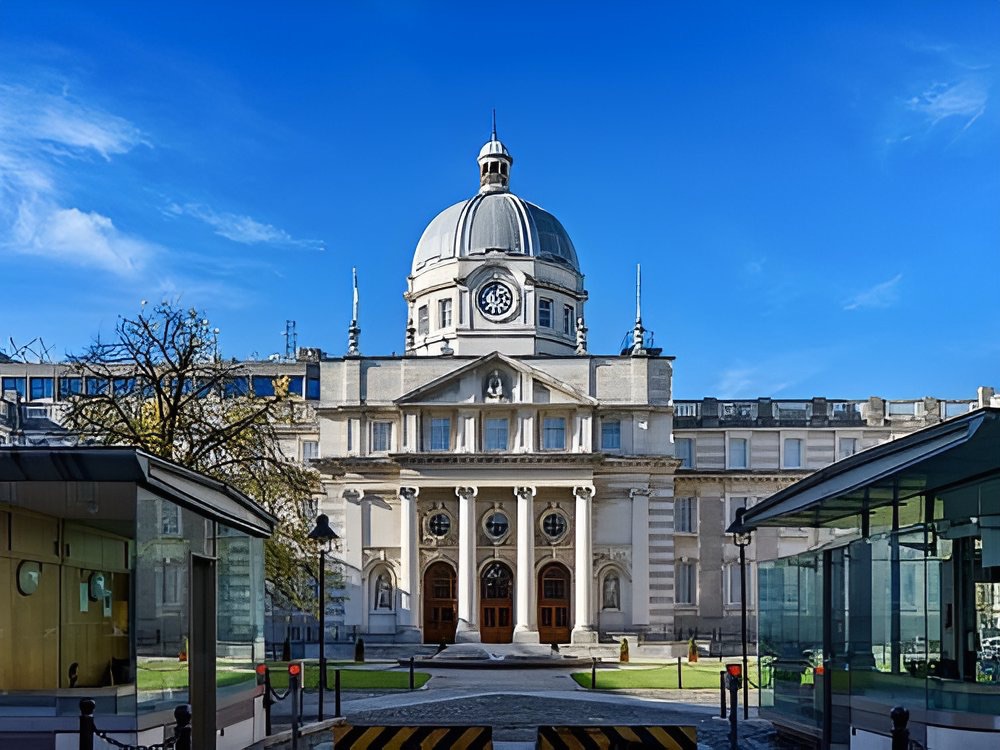
Irish nationalists believe that foreign English and later British rule in Ireland from the 1169 EnglishNorman Invasion of Ireland onwards has been detrimental to Irish interests. At the time of the partition of Ireland most of the island was Roman Catholic and largely indigenous, while a sizeable portion of the country, particularly in the north, was Protestant and chiefly descended from people of Great Britain who colonised the land as settlers during the reign of King James I in 1609. Partition was along these ethno-religious lines, with most of Ireland gaining independence, while six northern counties remained part of the United Kingdom. Irish nationalists support Irish reunification.
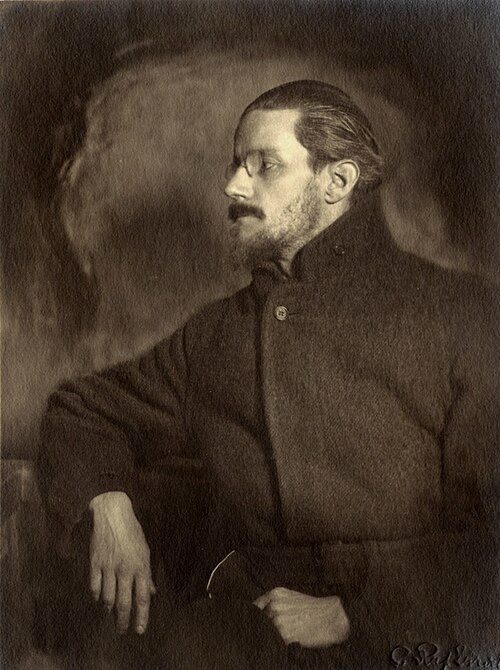
But, with all this history, why is it called ‘Ivy Day?’ In 1914 James Joyce wrote a short story “Ivy Day in the Committee Room“. It tells of a political meeting where Parnell and his influence is being discussed.
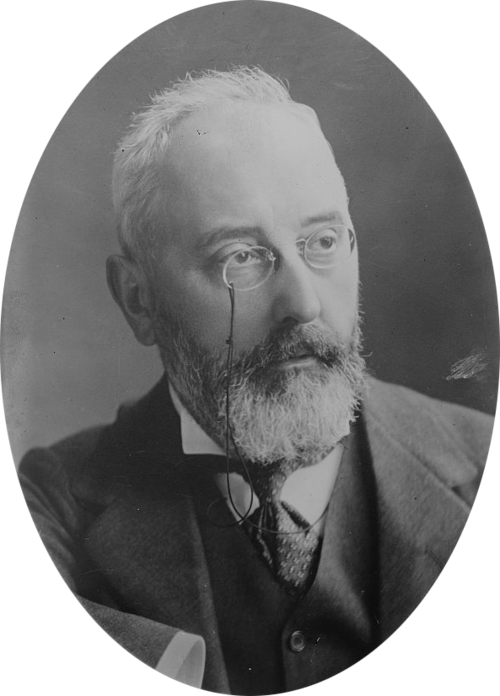
That was not the first time James Joyce had written about Parnell. When Joyce was 9 years old he wrote a poem about Parnell called “E Tu Healy”. The poem talked about the death of Parnell and how he was betrayed by the Irish Catholic Church and other Nationalist Politicians such as Healy. These were all views Joyce’s father held. The father printed the poem and distributed it throughout Dublin.
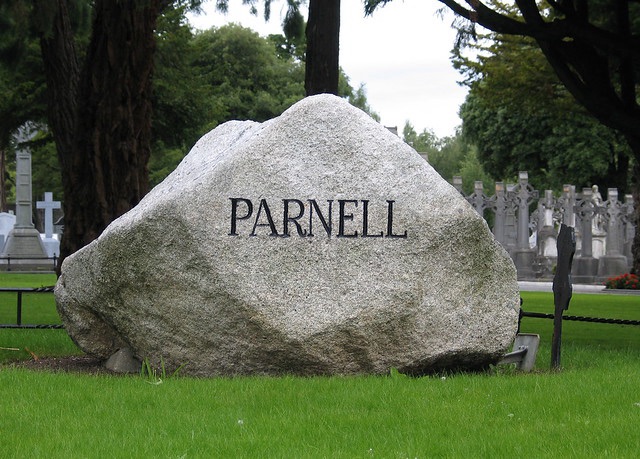
After the betrayal Parnell passed away. A small ceremony still takes place at Parnell’s graveside in Glasnevin Cemetery on the Sunday nearest 6 October.
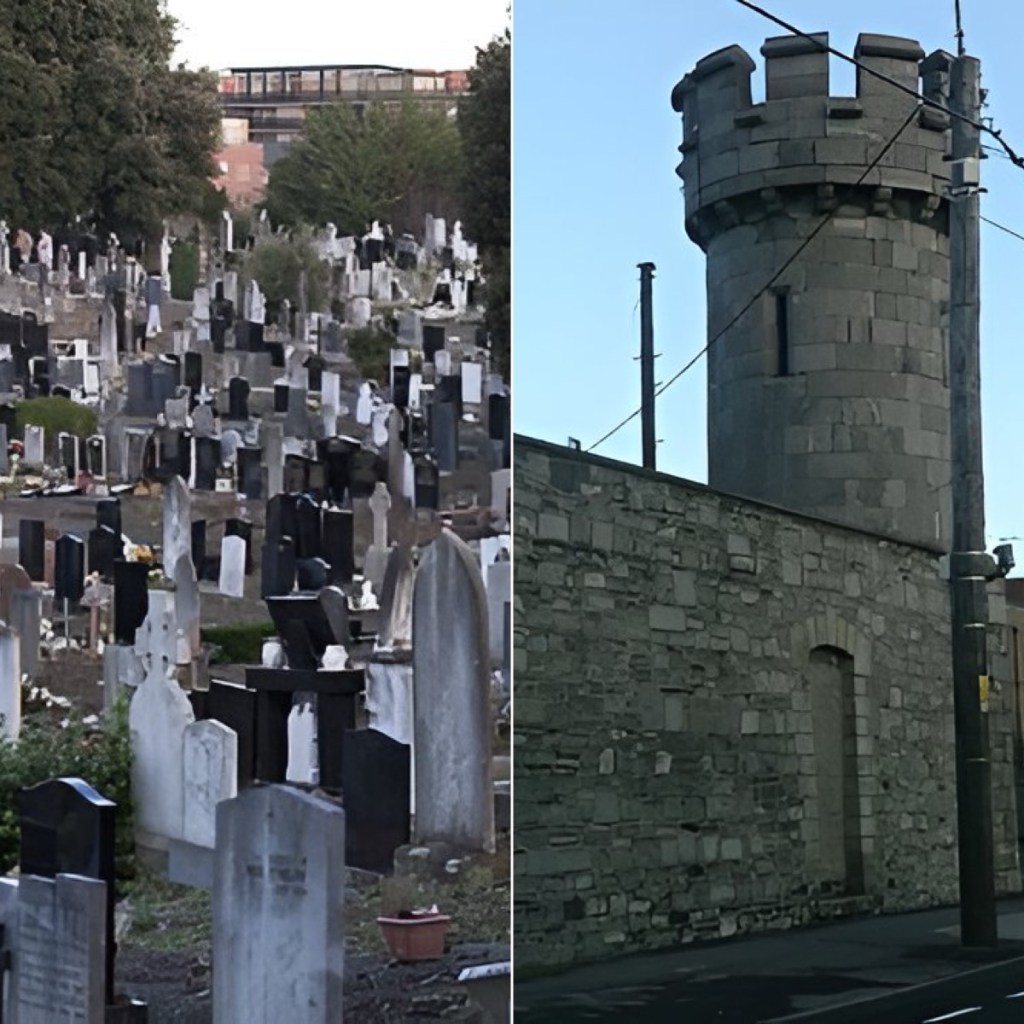
A brief word about Glasnevin Cemetery in Dublin. It is famous for the historic Dubliners buried there. It is surrounded by a high wall with watchtowers on each corner.
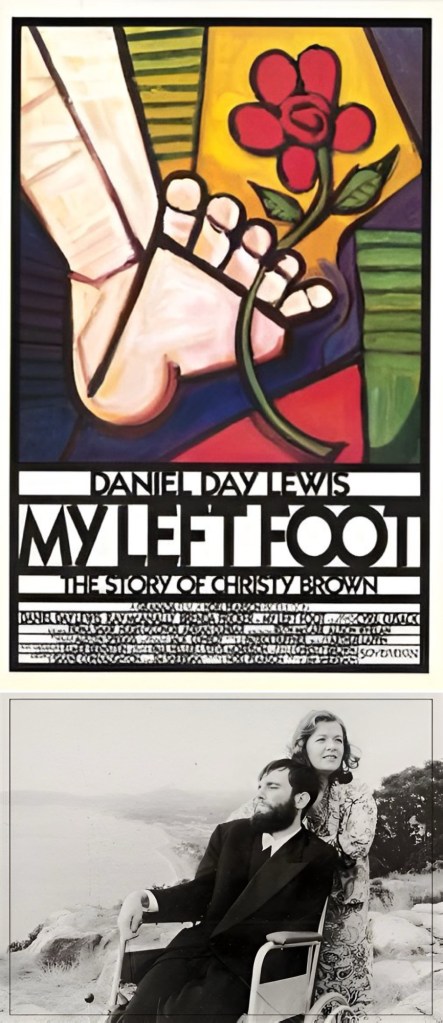
One of the most prominent modern figures buried there is the poet, painter Christy Brown. Daniel Day Lewis and Brenda Fricker both won Academy Awards for roles as Christy and his Mother.
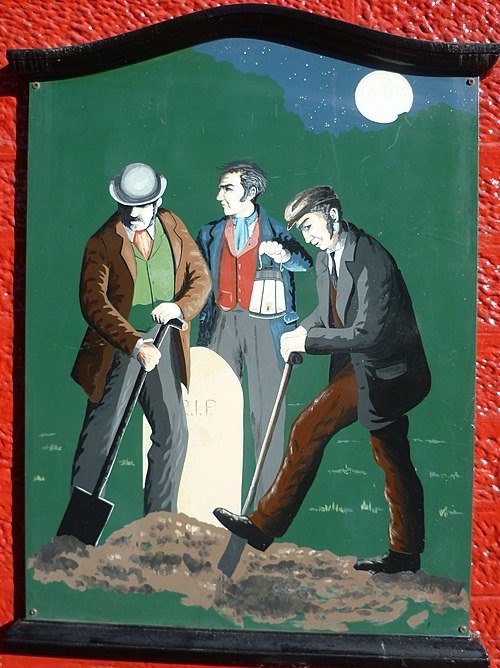
But what about those high walls and watchtowers? They were meant to keep out the ghoulish characters who were stealing bones and selling them for anatomy lectures at medical schools. Body Snatching was once a prosperous business throughout the world.
On that happy note:
Happy Ivy Day

 deliriouslove1970. The life & times of Gary and Denise Flanders. (Free and worth every penny. If you would like to compliment the editor, send to garytheflan@deliriouslove1970.com. If you would like to complain, call your mother.)
Leave a comment