
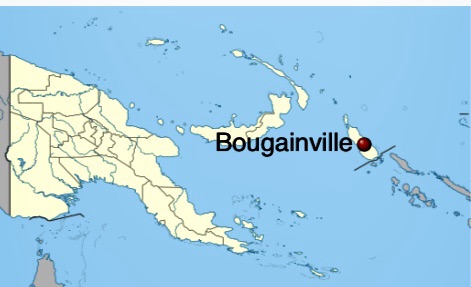
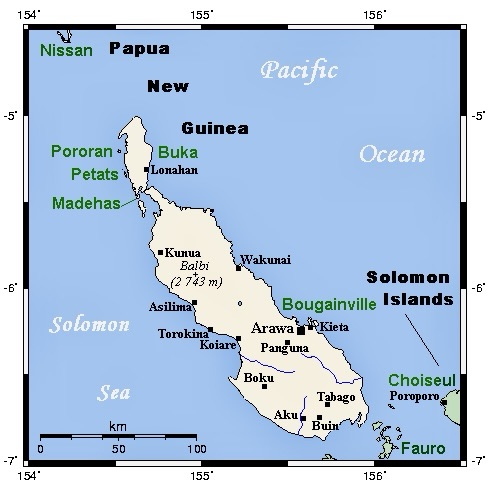

Bougainville Island (Papua New Guinea)Bougainville Island (Tok Pisin: Bogenvil) is the main island of the Autonomous Region of Bougainville, which is part of Papua New Guinea. Its land area is 9,300 km2(3,600 sq mi). The population of the whole province, including nearby islets such as the Carterets, is approximately 300,000 (2019 census). The highest point is Mount Balbi, on the main island, at 2,715 m (8,907 ft).
Bougainville is the largest island in the Solomon Islands archipelago. It was previously the main landmass in the German Empire–associated North Solomons. Most of the islands in this archipelago (which are primarily concentrated in the southern and eastern portions of it) are part of the politically independent Solomon Islands. Two of these islands—the closely connected Shortland Islands—are less than 9 km (5.6 mi) south or southeast of Bougainville, and about 30 km (19 mi) west of Choiseul, one of the settlements of which, Poroporo, faces Bougainville.
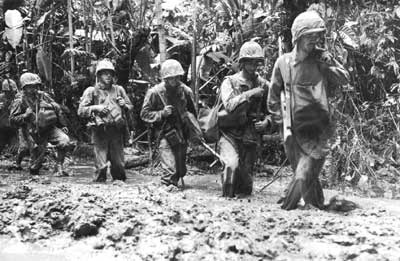
Because of its strategic location and resources it was a place many countries laid claim to. Germany first colonized it calling it German New Guinea. During World War 1 Australia occupied it. Japan invaded in 1942 and held it until the end of the World War II. After WWII Australia regained control.
Finally in 1975 The Parliament of Australia passed the Paula New Guinea Independence Act and gave the islands their independence.

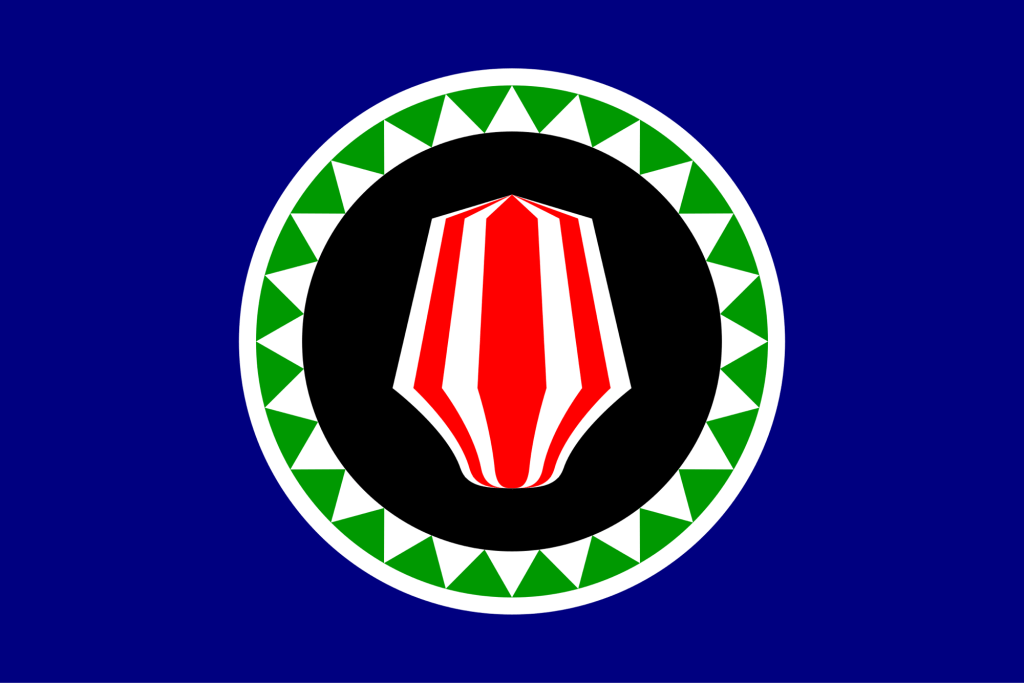
The flag is a symbol of the ‘Autonomous/regiub of Bougainville in Paupa New Guinea and was first adopted in 1975.
“According to the Bougainville Flag, Emblem and Anthem (Protection) Act 2018, the flag consists of “a depiction of an upe superimposed over concentric discs of black and white on a cobalt blue field”. The upe is a traditional headdress worn by Bougainvillean men as a symbol of adulthood. The black disc “represents the distinctive skin colour of the Bougainvillean people”, while the white disc represents the kapkap, a traditional symbol of authority made from mother of pearl. The 24 green equilateral triangles within the kapkap symbolise “the importance of land to the Bougainvillean people”, the blue field represents the ocean.”
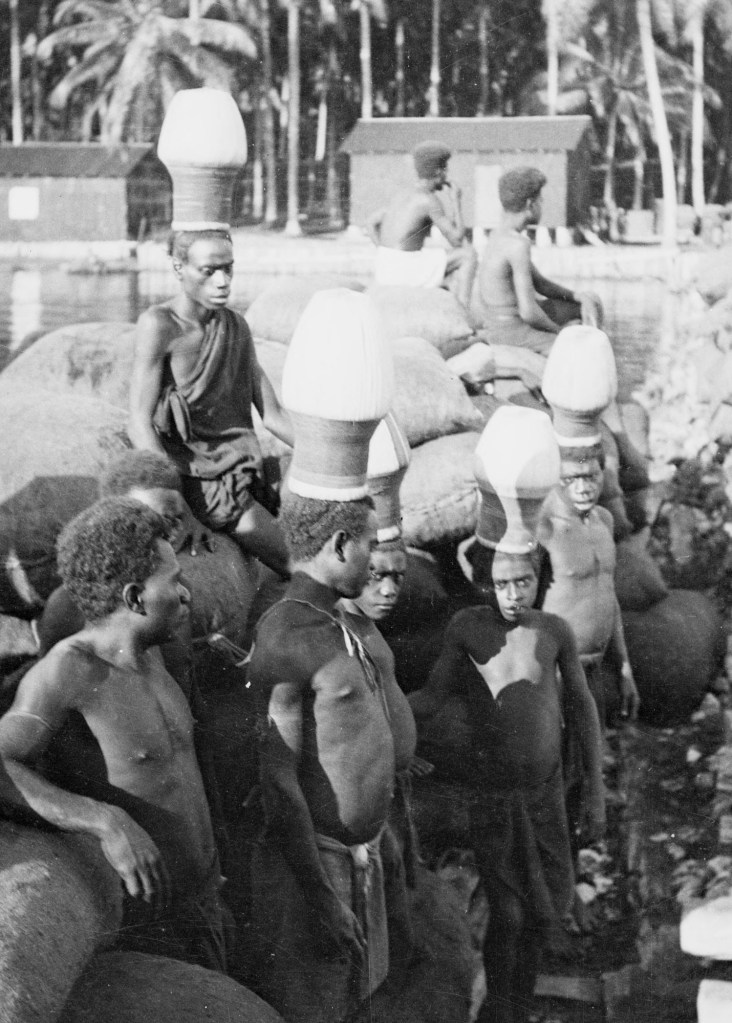
A well designed, creative and distinctive flag. A place with an interesting history and a continuing saga in this part of the globe.

 deliriouslove1970. The life & times of Gary and Denise Flanders. (Free and worth every penny. If you would like to compliment the editor, send to garytheflan@deliriouslove1970.com. If you would like to complain, call your mother.)
Leave a comment