
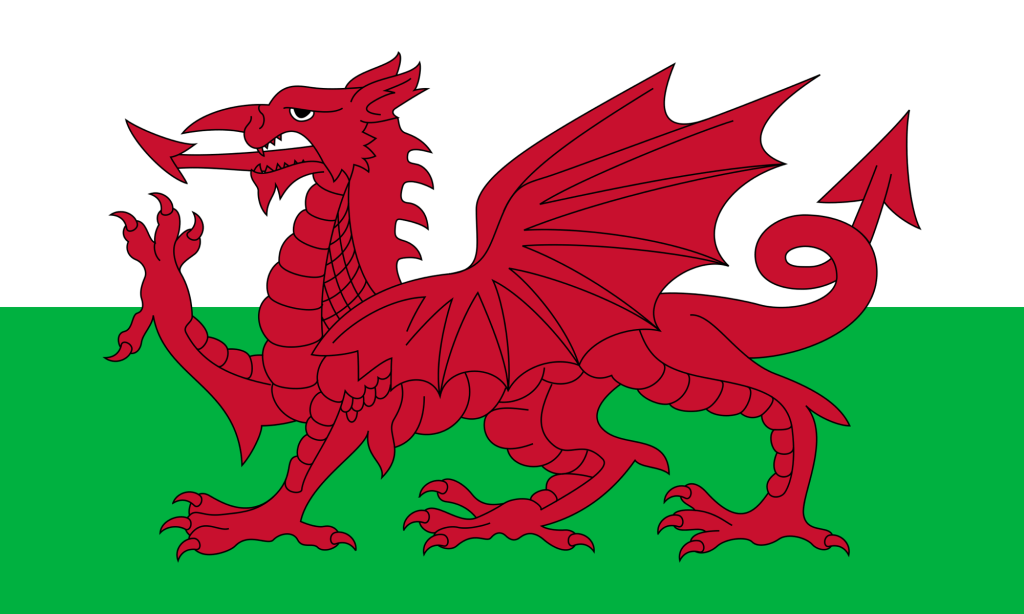
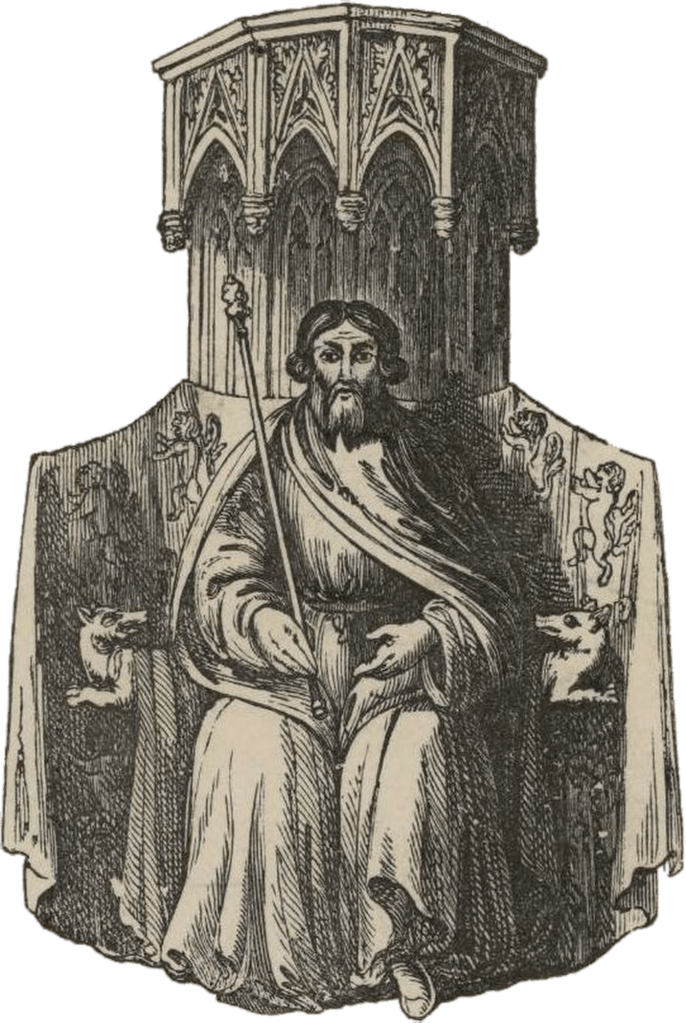
“Owain ap Gruffydd (c. 1354 – 20 September 1415), commonly known as Owain Glyndŵr or Glyn Dŵr(pronounced [ˈoʊain ɡlɨ̞nˈduːr], anglicised as Owen Glendower), was a Welsh leader, soldier and military commander in the late Middle Ages, who led a 15-year-long revoltwith the aim of ending English rule in Wales. He was an educated lawyer, forming the first Welsh parliament under his rule, and was the last native-born Welshman to claim the title Prince of Wales.”
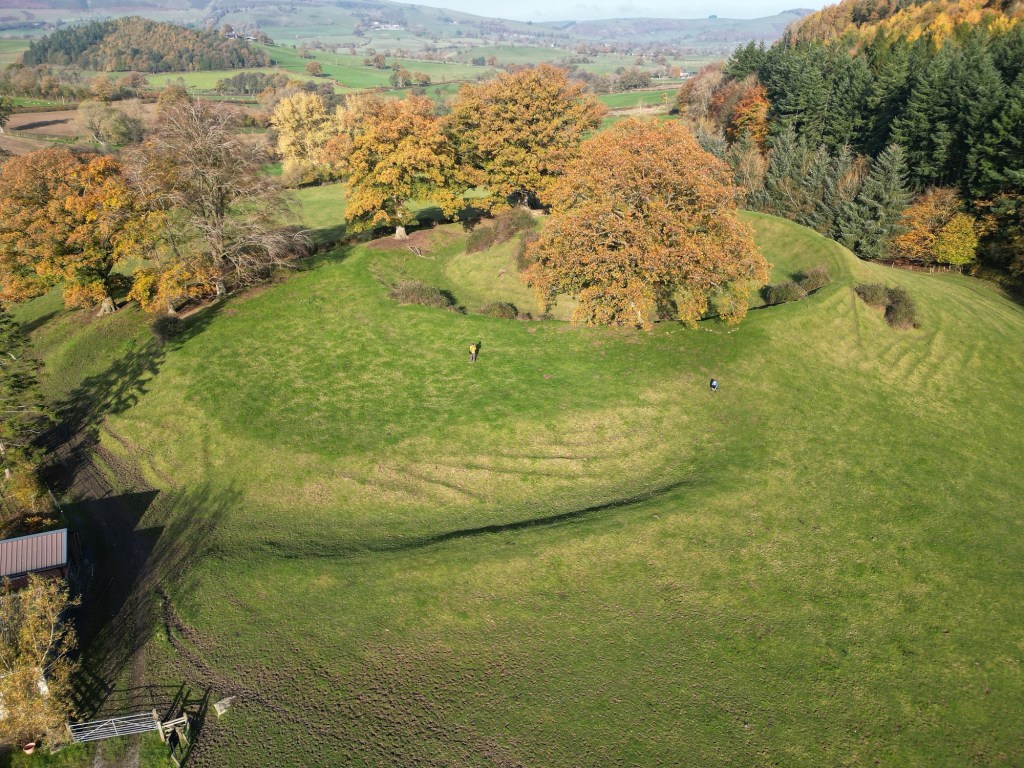
“During the year 1400, Owain Glyndŵr, a Welsh soldier and Lord of Glyndyfrdwy had a dispute with his neighbouring English Lord, the event spiralled into a revolt which pitted common Welsh countrymen and nobles against the English military. In response to the uprising, discriminatory penal laws were implemented against the Welsh people; this deepened civil unrest and significantly increased support for Glyndŵr across Wales. Then, in 1404, after a series of successful castle sieges and several battlefield victories for the Welsh, Owain gained control of the Wales and was proclaimed by his supporters as the Prince of Wales. Glyndŵr was supported in person by envoys from around Britain and Europe, and military aid was given from France. He proceeded to summon a national parliament in Machynlleth, where he attempted to create a new Wales in Britain. The action was deemed a provocation against the English King Henry IV, and the rebellion was subsequently challenged over the following years.”
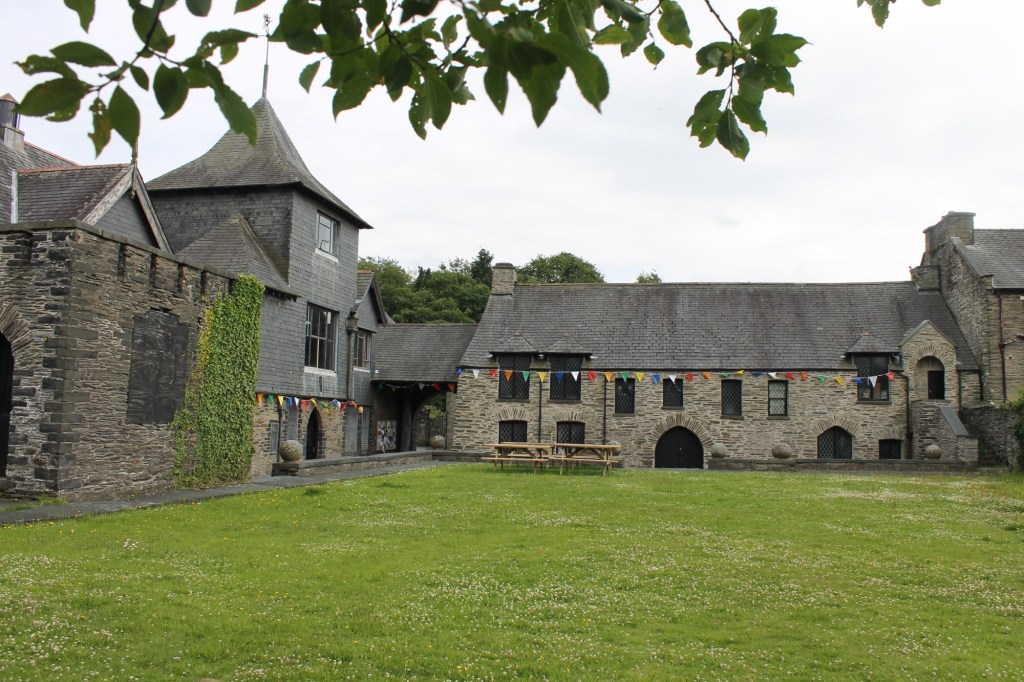
“Nothing certain is known of Glyndŵr after 1412. Despite enormous rewards being offered, he was neither captured nor betrayed. He ignored royal pardons. Tradition has it that he died and was buried possibly in the church of Saints Mael and Sulien at Corwen close to his home, or possibly on his estate in Sycharth or on the estates of his daughters’ husbands: Kentchurch in south Herefordshire or Monnington in west Herefordshire. The poet Lewys Glyn Cothi wrote an elegy for Gwenllian, an illegitimate daughter of Glyndŵr, where it was mentioned that at the time of the Welsh War of independence, the whole of Wales was under Glyndŵr’s command, with forty dukes as the prince’s allies, and that later in life he supported 62 female pensioners.
After his disappearance, a legend arose about the folk hero Jack of Kent, also known as Siôn Cent – the family chaplain of the Scudamore family – was, in fact, Owain Glyndŵr himself. Similarities have been compared between Siôn Cent and Glyndŵr (including physical appearance, age, education, and character), and claims that Owain spent his last years living with his daughter Alys, passing himself off as an aging Franciscan friar and family tutor. There are many folk tales of Glyndŵr donning disguises to gain an advantage over opponents during the rebellion.”



 deliriouslove1970. The life & times of Gary and Denise Flanders. (Free and worth every penny. If you would like to compliment the editor, send to garytheflan@deliriouslove1970.com. If you would like to complain, call your mother.)
Leave a comment