
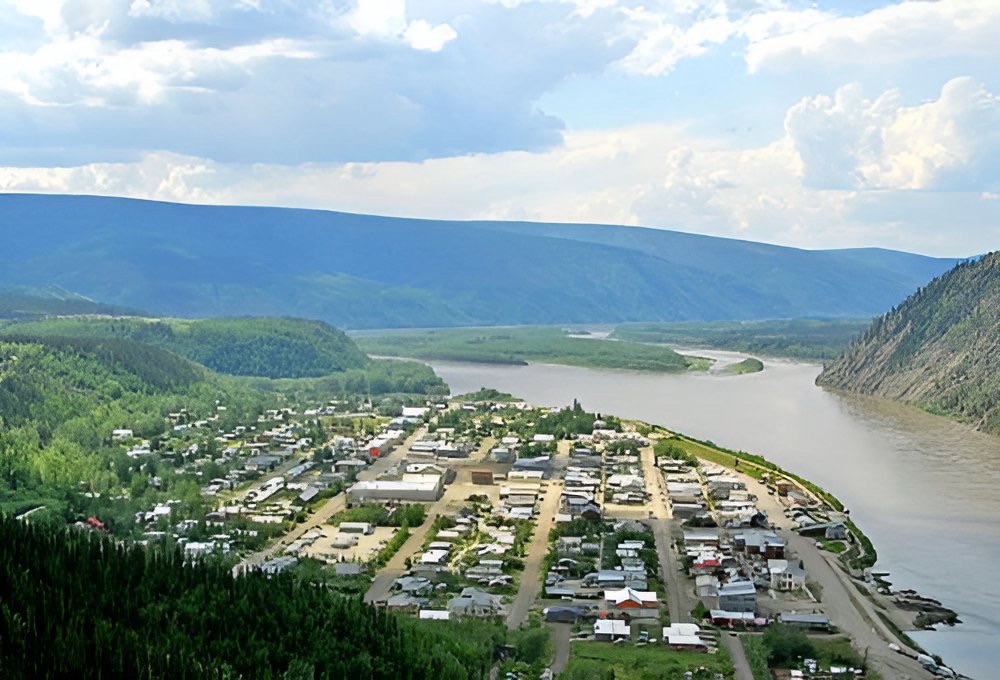
The Yukon. Formerly known as Yukon Territory. It is the least populated and westernmost territory in Canada.
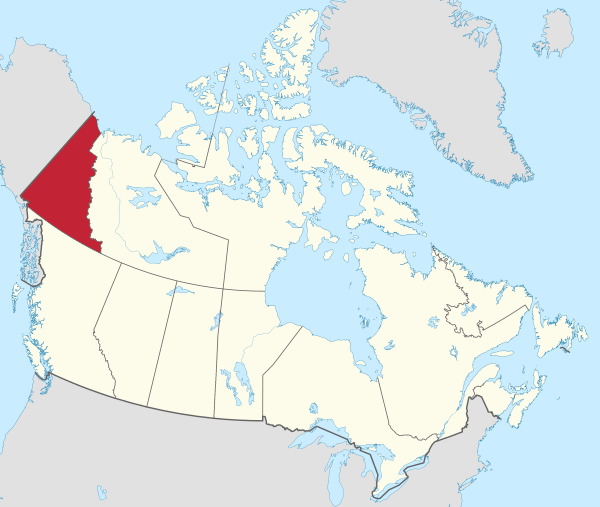
In 1898 it split from the North West Territory. In 2002 it was officially named Yukon. English and French are spoken and the Yukon government officially recognizes all First Nation languages.
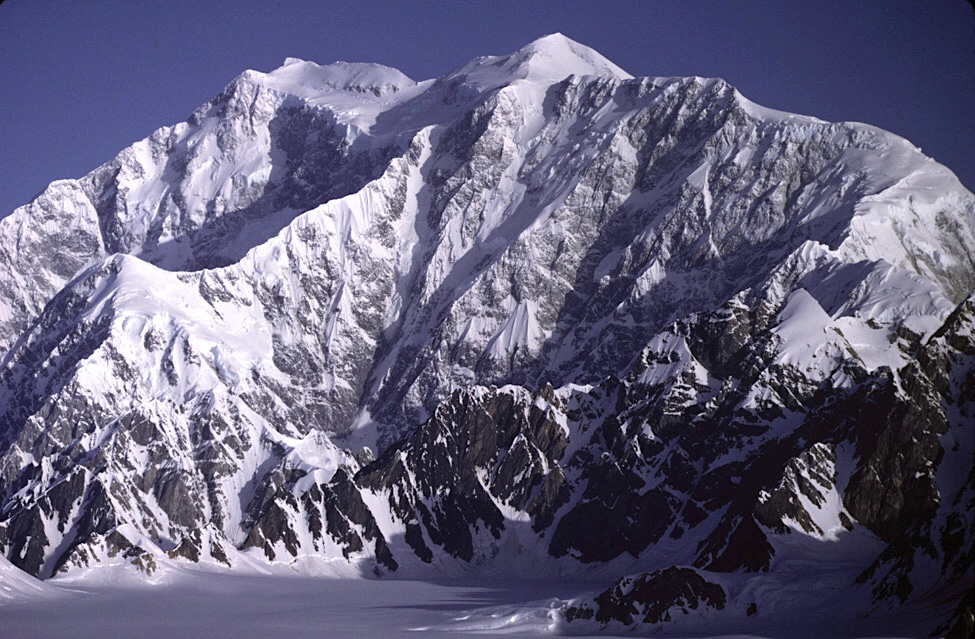
The name Yukon is derived from the First Nation Gwich’in people term for ‘white water river’. It denotes the source of the rivers – runoff from glaciers.
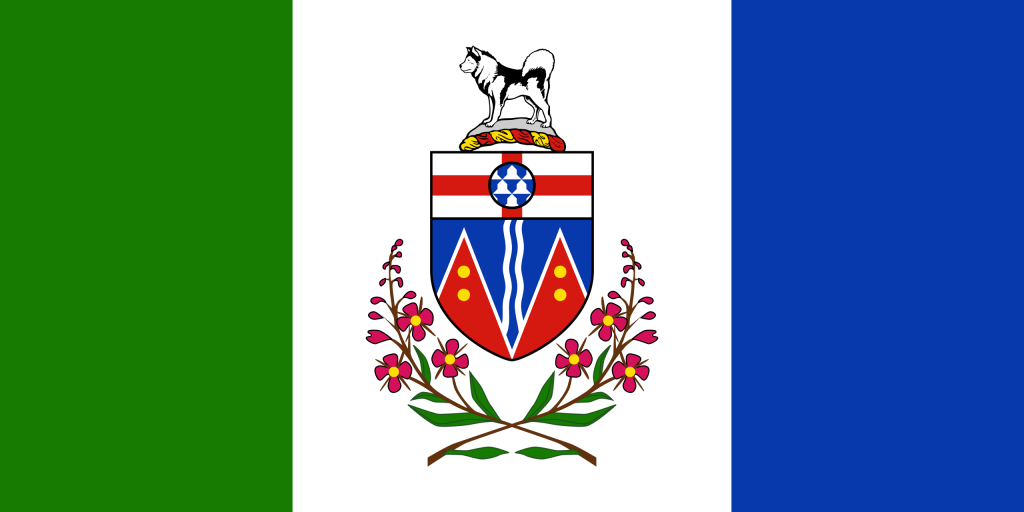
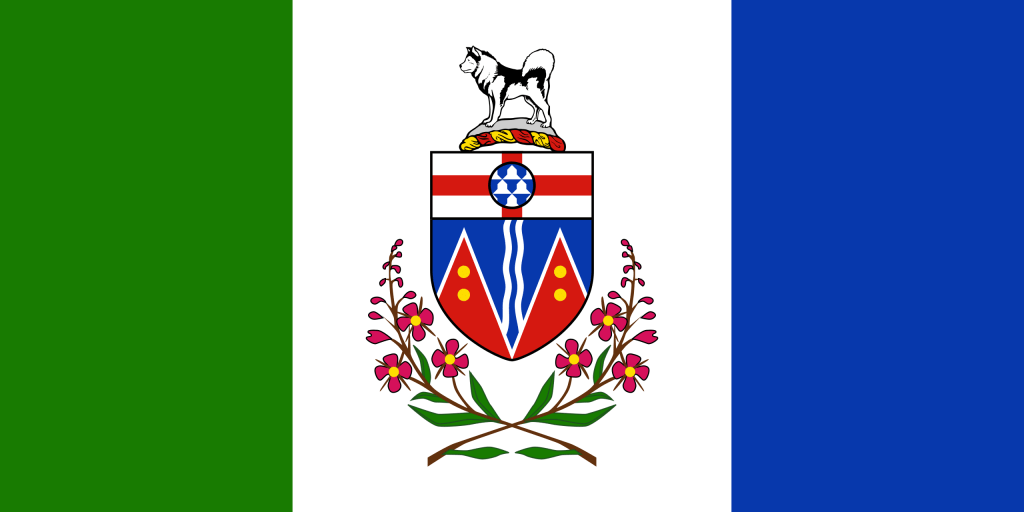
The flag came about after a design contest in 1968. (The winner received 100 Canadian dollars). It is a banded green, white and blue tricolor with the coat of arms in the middle. Green for the forests; White for the snow; Blue for the rivers. Under the coat of arms is a wreath of the territorial flower, the fireweed.

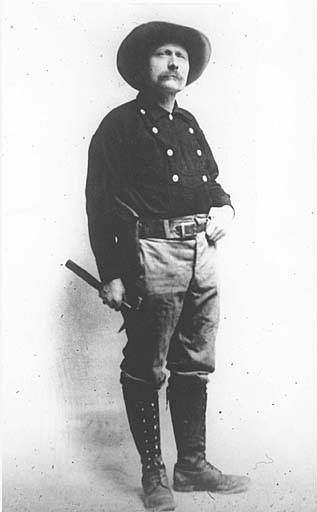
The Klondike Gold Rush centers on three individuals. George Carmack was a prospector working in what,would become The Yukon. He was not having any success finding gold but he did meet a First Nation Woman from the Tagish Tribe by the name of Shaaw Tlaa. They entered into a common law marriage and began a family.
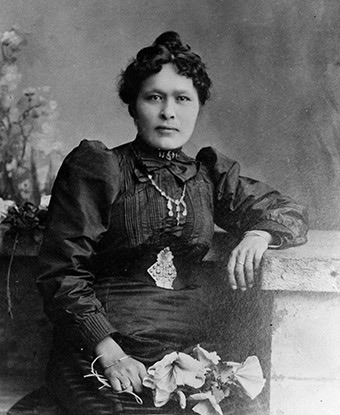
Kate Carmack had a brother, his Tagish name was Keish. His English name became James Mason. He spent his summers as a ‘packer’ carrying supplies from Alaska to the Yukon Territory for prospectors. He was a large man and very strong, it was said he regularly carried 100 pounds of supplies to sites. This earned him the nickname ‘Skookum James Mason’. Skookum was large or strong and reliable. He became friends with his sister’s husband and they formed a team of prospectors.
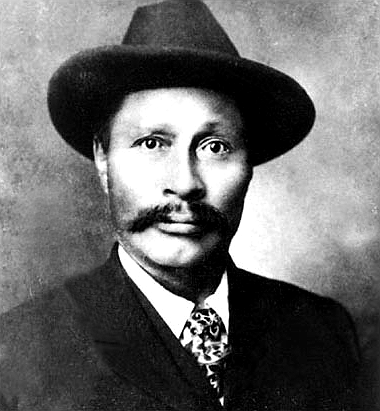
There were a few years and some splitting of the team but in 1896 they were back together and searching near Dawson (Bonanza) creek. There is much speculation as to which of the three actually spotted the first chunk of gold but one of them did.
It was estimated that over 100,000 people ‘rushed’ to the Yukon to search for gold.

 deliriouslove1970. The life & times of Gary and Denise Flanders. (Free and worth every penny. If you would like to compliment the editor, send to garytheflan@deliriouslove1970.com. If you would like to complain, call your mother.)
Leave a comment