
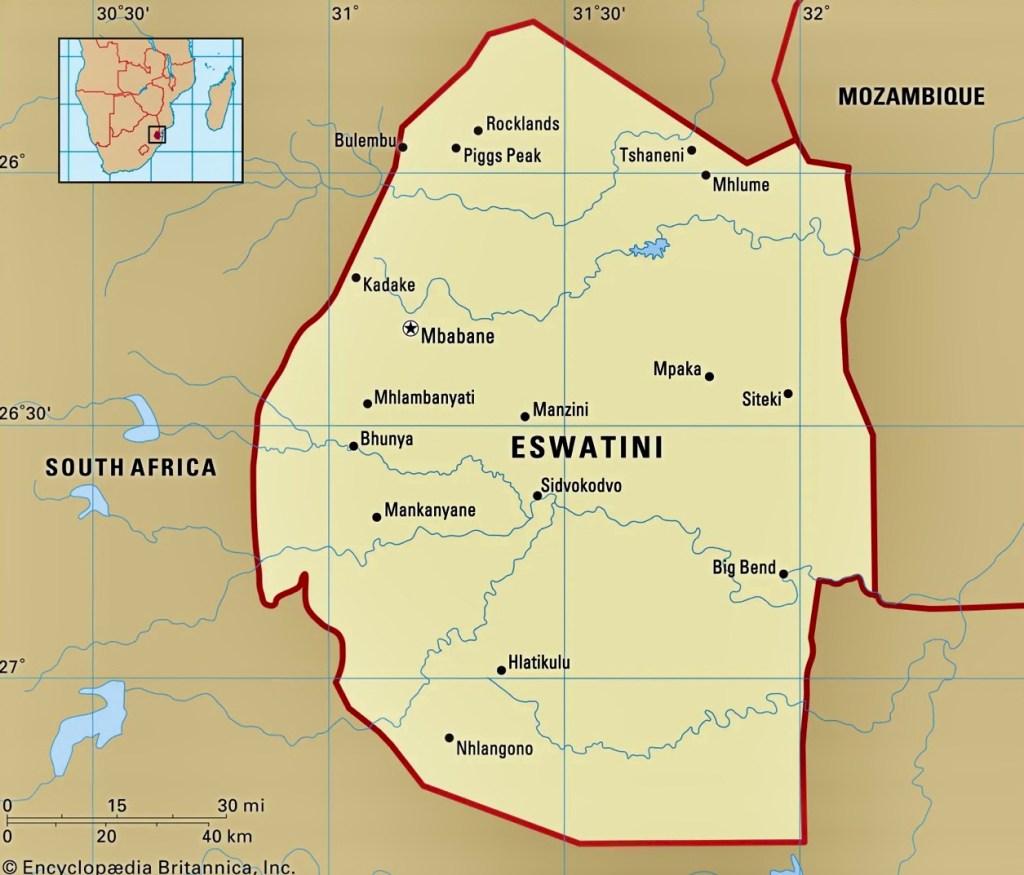
Eswatini, formally the Kingdom of Eswatini, also known by its former official names Swaziland and the Kingdom of Swaziland, is a landlocked country in Southern Africa. It is bordered by South Africa on all sides except the northeast, where it shares a border with Mozambique. At no more than 200 km (120 mi) north to south and 130 km (81 mi) east to west, Eswatini is one of the smallest countries in Africa; despite this, its climate and topography are diverse, ranging from a cool and mountainous high veld to a hot and dry low veld.
In the colonial era, as a protectorate, and later as an independent country, Eswatini was long known as Swaziland. The name Swazi is the Anglicized name of an early king and nation builder, Mswati II, who ruled from 1840 to 1868.
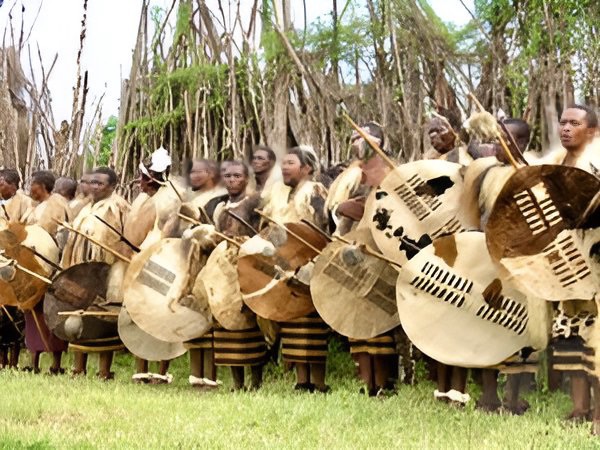
The population is composed primarily of ethnic Swazis. The prevalent language is Swazi (siSwati in native form). The Swazis established their kingdom in the mid-18th century under the leadership of Ngwane III. The country and the Swazi take their names from Mswati II, the 19th-century king under whose rule the country was expanded and unified; its boundaries were drawn up in 1881 in the midst of the Scramble for Africa.

On 19 April 2018, Mswati III, head of the royal family and King, announced that the Kingdom of Swaziland had been renamed as the Kingdom of Eswatini, reflecting the extant Swazi name for the state eSwatini, to mark the 50th anniversary of Swazi independence. The name Eswatini means “land of the Swazis” in the Swazi language and was partially intended to prevent confusion with the similarly named Switzerland.

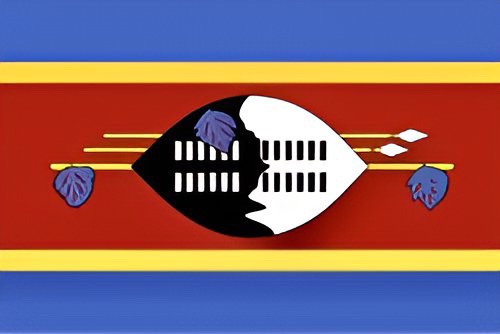
The modern flag was designed by King Sobhuza, in 1941 and used as a military flag.
Other flags:
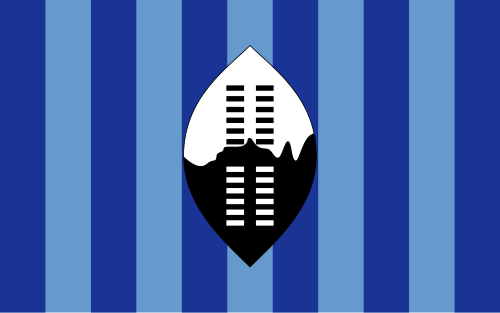
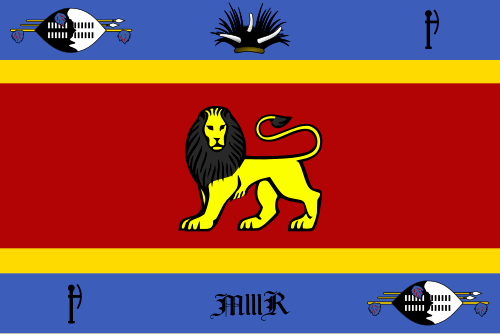
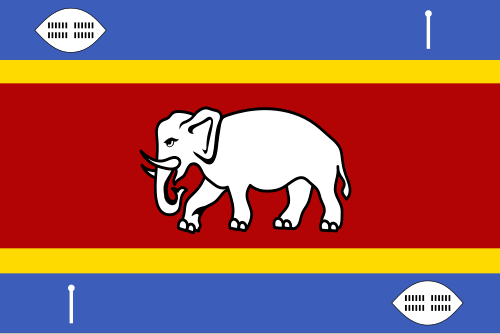
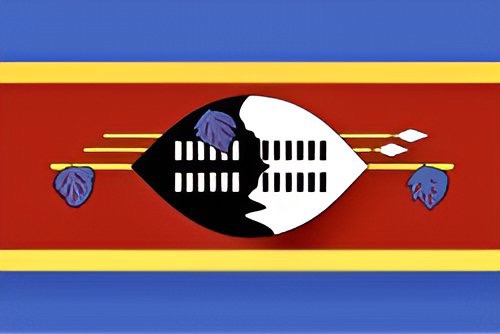
The flag has five horizontal stripes — two blue stripes at the top and bottom while the center stripe is red, and two thin yellow stripes border the red stripe. On the red stripe is an ox hide combat shield from the traditional Swazi Emabutfo Regiment, laid horizontally. The shield is reinforced by a staff from which hangs injobo tassels — bunches of feathers of the widowbird and the lourie, which are only used by the king – and two assegais above it. In 2011, some versions of the flag began using black for the colour of the tassels to match the widowbird’s natural colour. The College of Arms in London registered the flag on 30 October 1967. The first official hoisting of the flag was conducted on this day.


 deliriouslove1970. The life & times of Gary and Denise Flanders. (Free and worth every penny. If you would like to compliment the editor, send to garytheflan@deliriouslove1970.com. If you would like to complain, call your mother.)
Leave a comment