
The Kingdom of Belgium. A country in Western Europe bordered by The Netherlands to the north, Germany to the east, Luxembourg to the southeast, France to the southwest and the North Sea to the northwest.

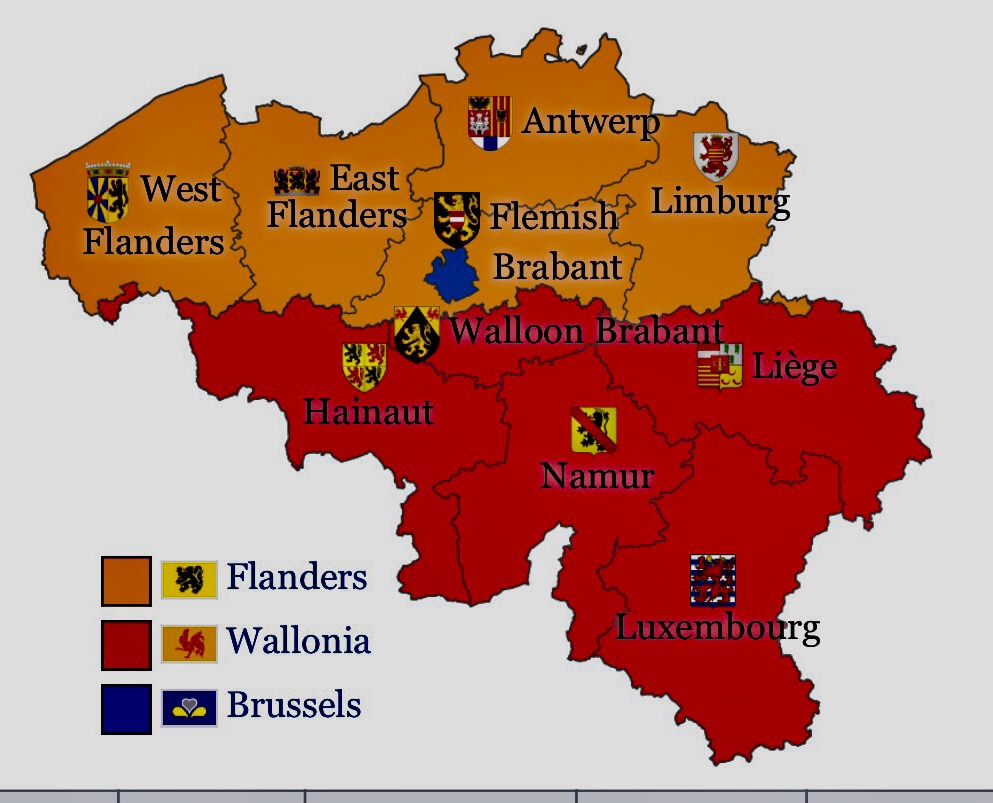
It is divided into three autonomous regions: Flanders in the north, Wallonia in the south and Brussels-Capital region.
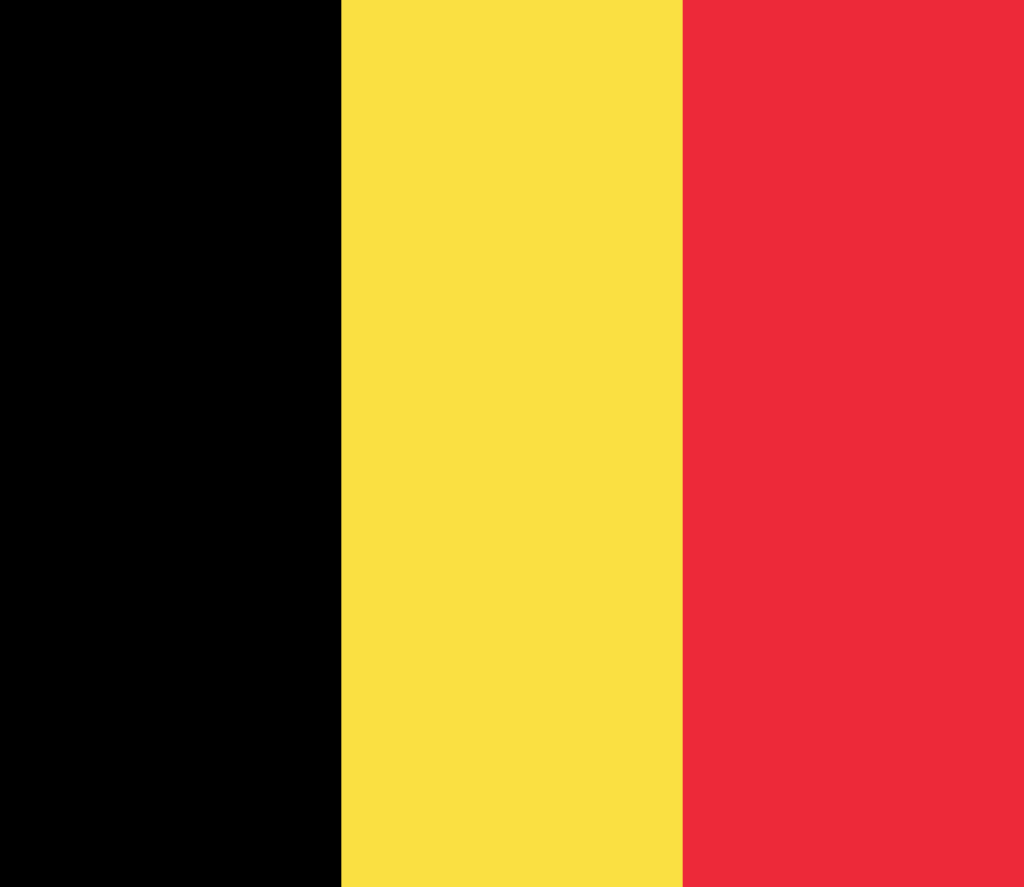
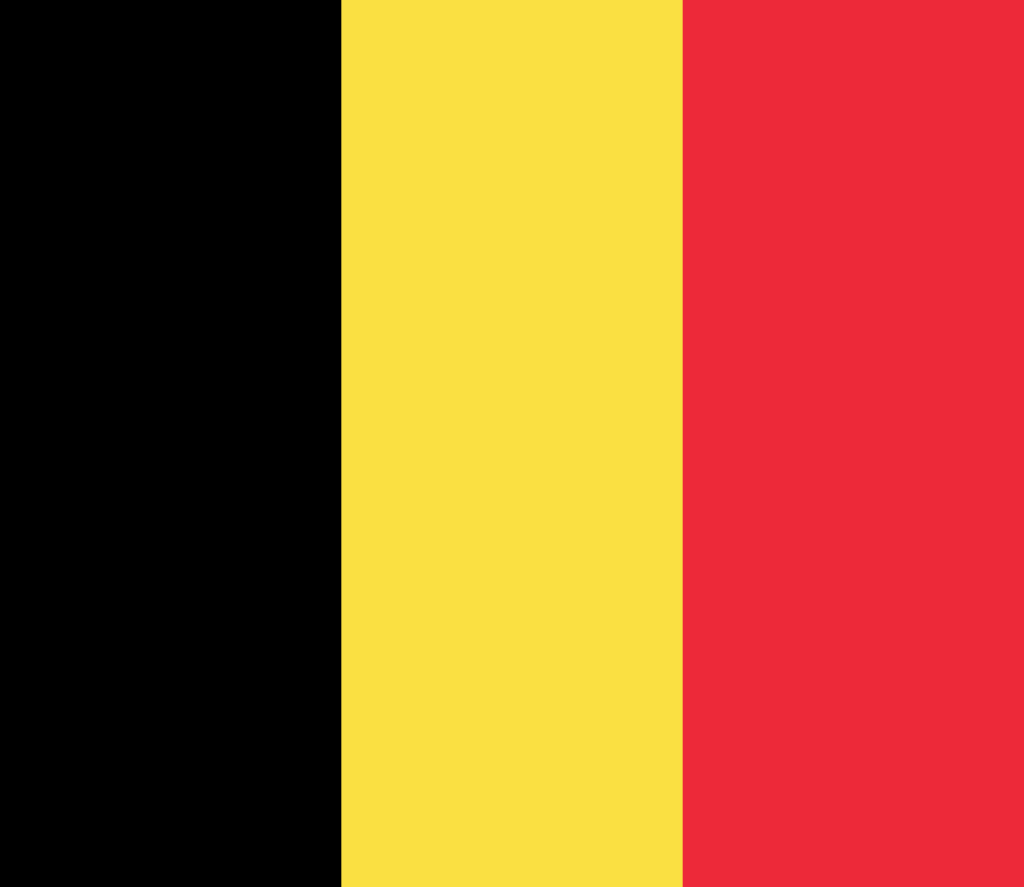
The flag is a tricolor of three equal bands containing the national colors: Black, Yellow and Red. These three colors have been associated with the region since 1459 when they appeared on the coat of arms of the Duchy of Brabant.

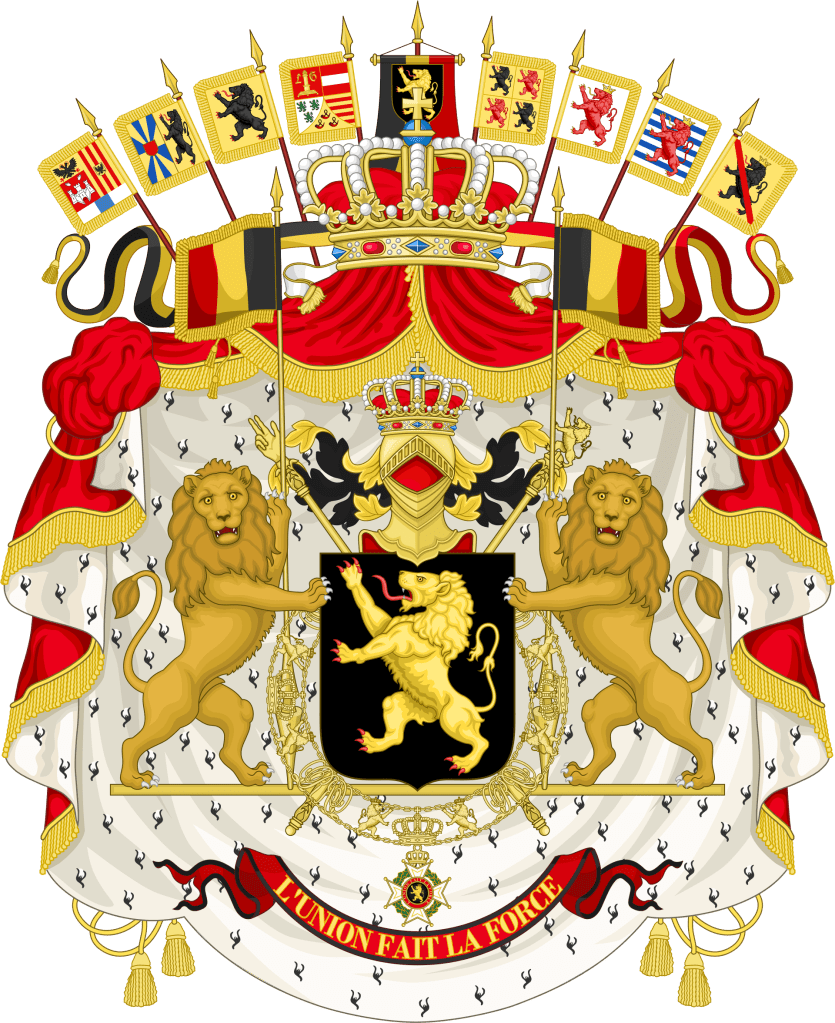
Black, yellow and red are carried on in the official coat of arms for Belgium.
Independence Day also known as National Day commemorates the investiture of Leopoldo I as the first King of the Belgians.
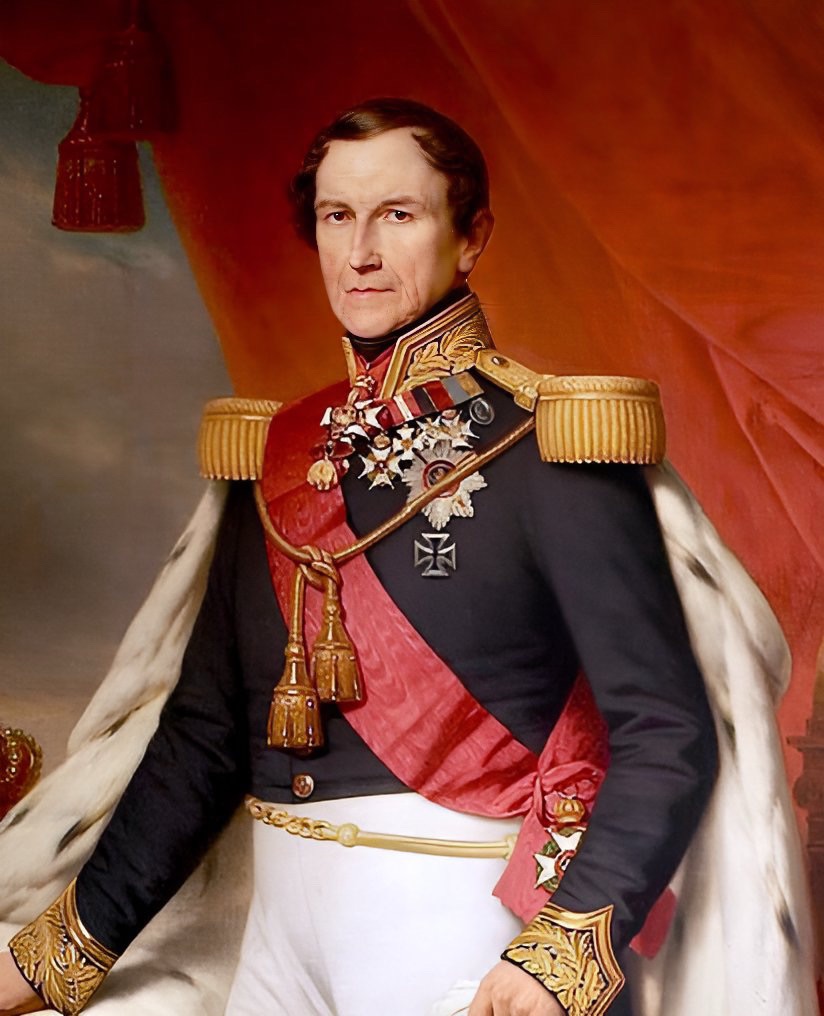
In the aftermath of the Napoleonic Wars, Belgium became part of the United Netherlands. After a period of growing unrest, the Belgian Revolution forced Dutch forces out of the country between August and October 1830. By November, the different revolutionary factions had coalesced around the idea of national independence and began drafting a constitution for an independent Belgian state. It was decided that it would become a constitutional and popular monarchy, reflecting the romantic nationalism popular at the time. Searching for a monarch, the revolutionaries decided on Prince Leopold of Saxe-Coburg-Gotha who was a German aristocrat popular in the United Kingdom. Leopold arrived in Brussels in early July 1831 and, on 21 July, swore allegiance to the constitution, becoming the country’s first monarch. 21 July 1831 is thus considered to mark the start of the modern Kingdom of Belgium.



 deliriouslove1970. The life & times of Gary and Denise Flanders. (Free and worth every penny. If you would like to compliment the editor, send to garytheflan@deliriouslove1970.com. If you would like to complain, call your mother.)
Leave a comment