
“Officially the Republic of Colombia, is a country primarily located in South America with insular regions in North America. The Colombian mainland is bordered by the Caribbean Sea to the north, Venezuela to the east and northeast, Brazil to the southeast, Ecuador and Peru to the south and southwest, the Pacific Ocean to the west, and Panama to the northwest.
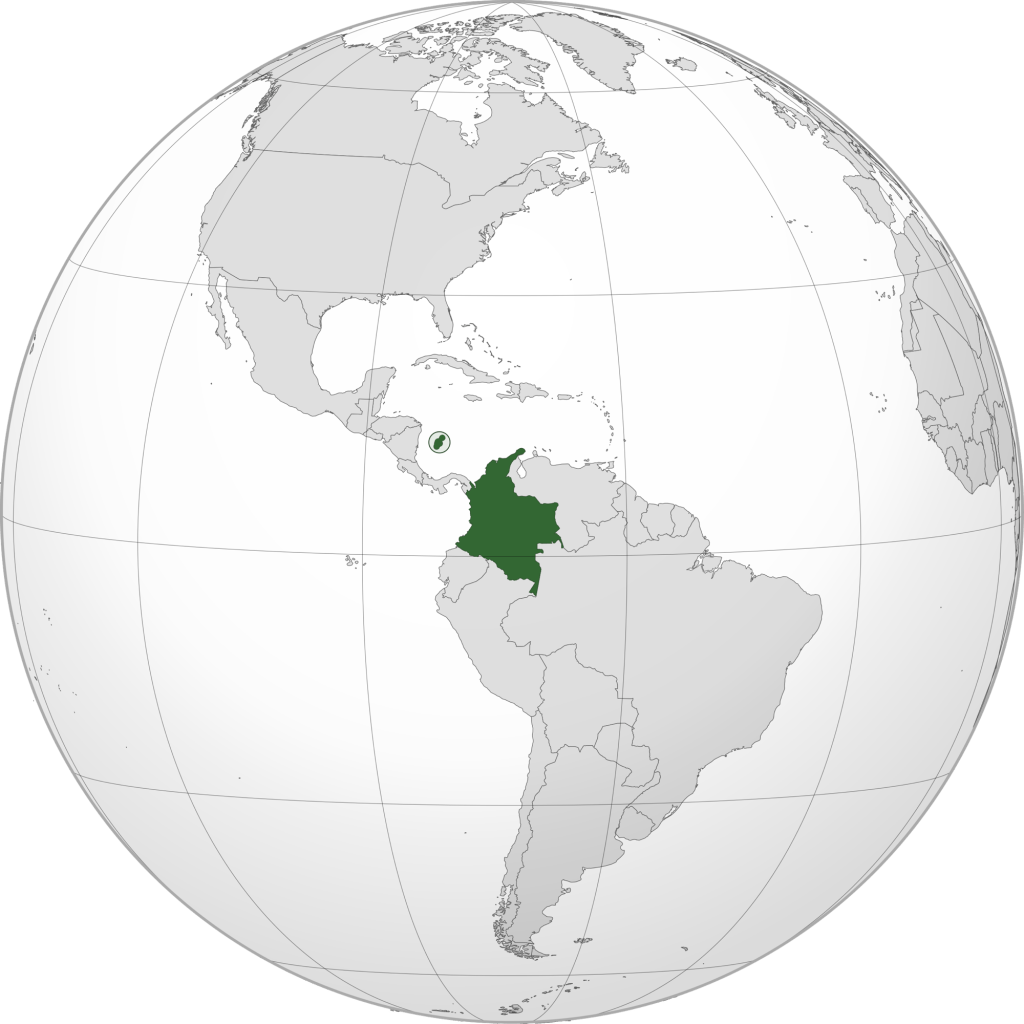
“Colombia is one of the world’s seventeen megadiverse countries; it has the highest level of biodiversity per square mile in the world and the second-highest level overall. Its territory encompasses Amazon rainforest, highlands, grasslands and deserts. It is the only country in South America with coastlines (and islands) along both the Atlantic and Pacific oceans. Colombia is a key member of major global and regional organizations including the UN, the WTO, the OECD, the OAS, the Pacific Alliance and the Andean Community; it is also a NATO Global Partner and a major non-NATO ally of the United States.”
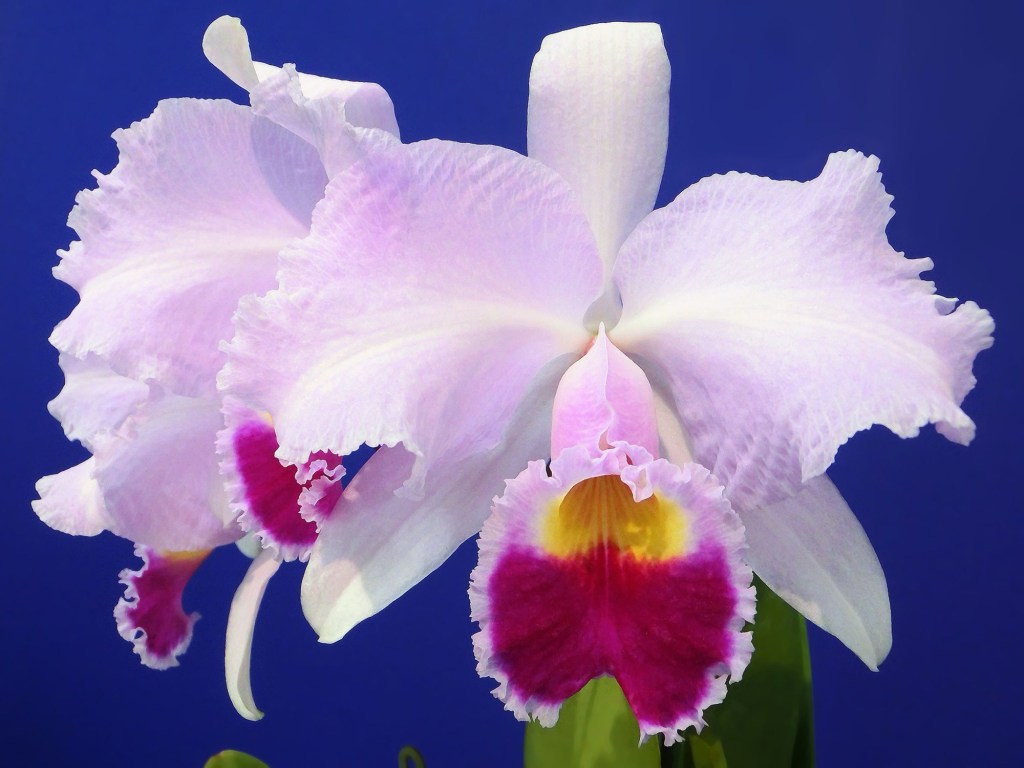
“Colombia being one of the megadiverse countries in biodiversity, ranks first in bird species. Colombia is the country with the planet’s highest biodiversity, having the highest rate of species by area as well as the largest number of endemisms (species that are not found naturally anywhere else) of any country. About 10% of the species of the Earth live in Colombia, including over 1,900 species of bird, more than in Europe and North America combined. Colombia has 10% of the world’s mammals species, 14% of the amphibian species and 18% of the bird species of the world.”
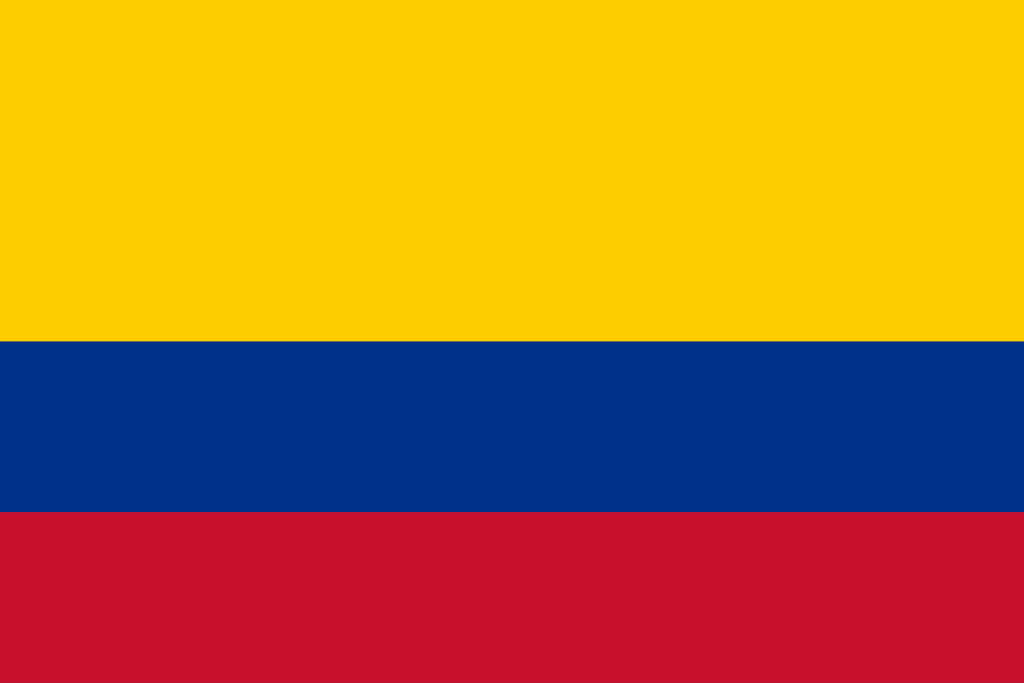
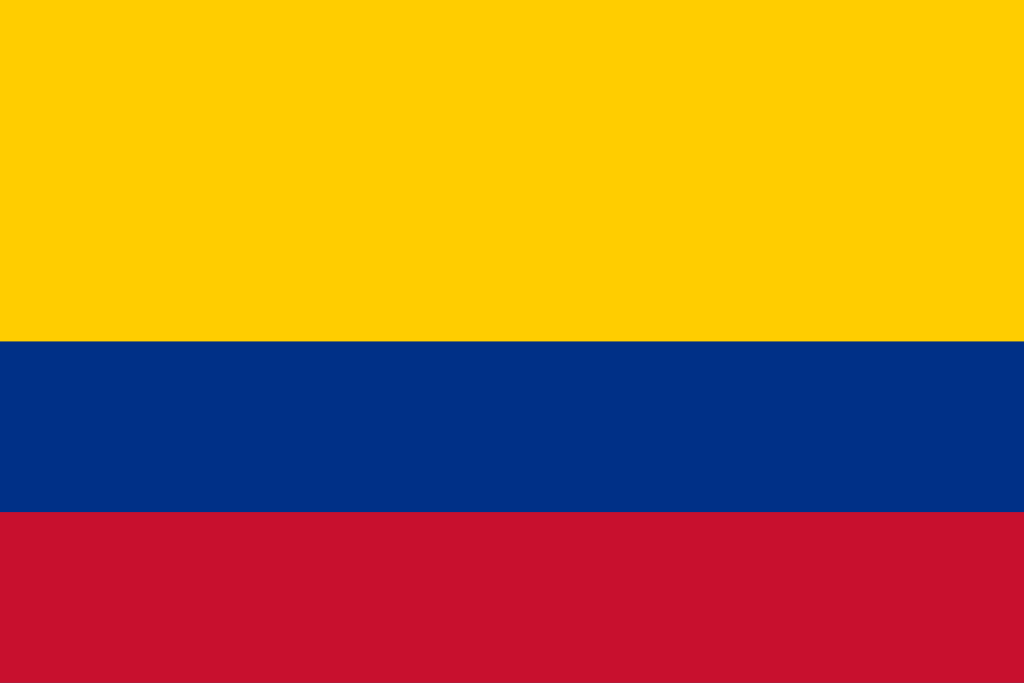
The national flag of Colombia symbolizes that the nation gained its independence from Spain on 20 July 1810.
According to the government of Colombia, the colors represent:
- Yellow: Represents the riches of the country, the wealth of the Colombian soil, the gold, sovereignty, harmony, justice and agriculture, as well as the Sun, the source of light.
- Blue: Represents the sky above, the seas on Colombia’s shores, and the rivers that run through.
- Red: Represents the blood spilled for Colombia’s independence and also the effort of Colombian people, their determination and perseverance. It represents that although Colombia’s people once struggled, they have since thrived.
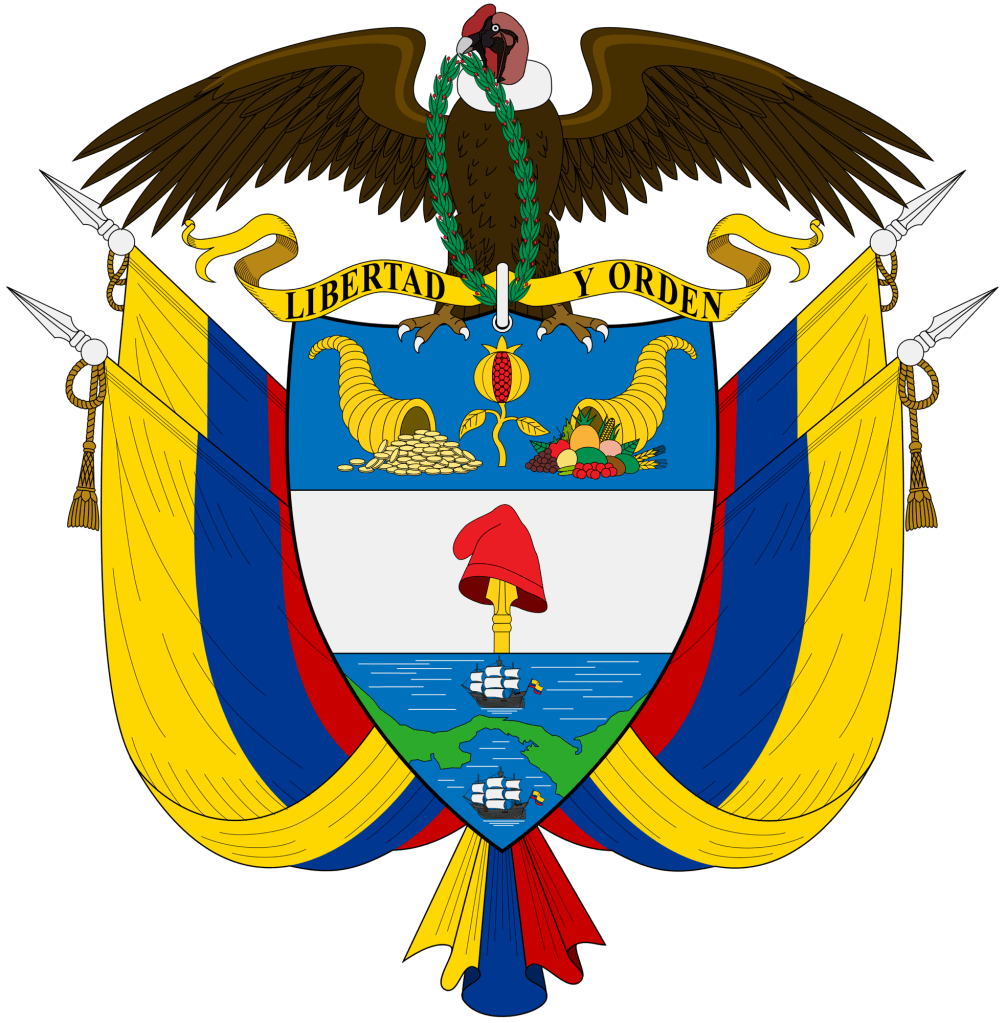
The flag also appears in the coat of arms. The coat of arms of Colombia contains a shield with numerous symbols. Perched on top of the shield is an Andean condor holding an olive crown and the condor symbolizing freedom. The national motto, Libertad y Orden (Spanish for Liberty and Order), is on a scroll in between the bird and the shield in black font over golden background. The condor is depicted as displayed (with his wings extended) and looking to the right.

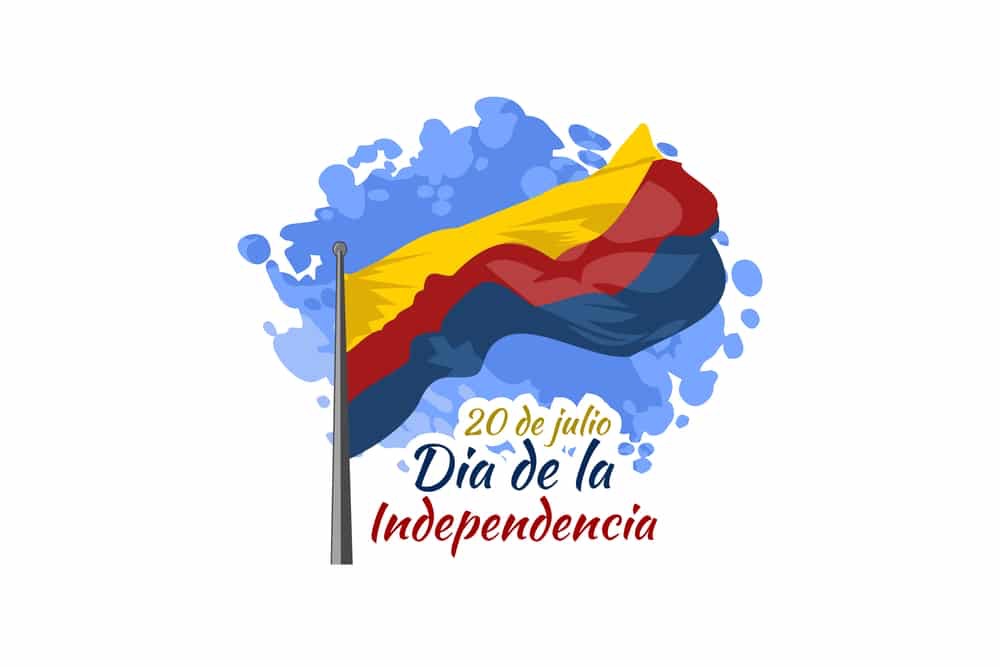
Colombian Independence Day is celebrated on July 20 each year. This day marks the beginning of Colombia’s struggle for independence from Spanish rule, which started in 1810. The event is significant as it symbolizes the fight for freedom and the establishment of national identity.
Historical Background
Key Events Leading to Independence
- Spanish Colonization: The Spanish arrived in Colombia in 1499, establishing the Viceroyalty of New Granada.
- Growing Resentment: By the early 19th century, tensions rose due to heavy taxation and limited rights for the local Criollo population (people of Spanish descent born in the Americas).
- Napoleonic Wars: The invasion of Spain by Napoleon in 1808 created a power vacuum, leading to increased calls for independence.
The Flowerpot Incident
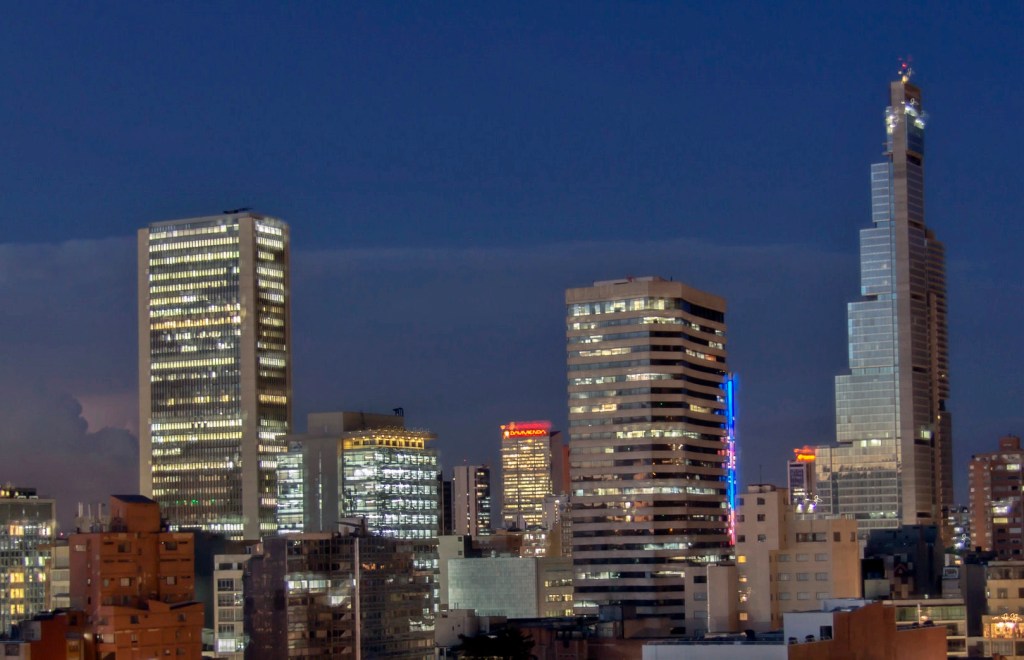
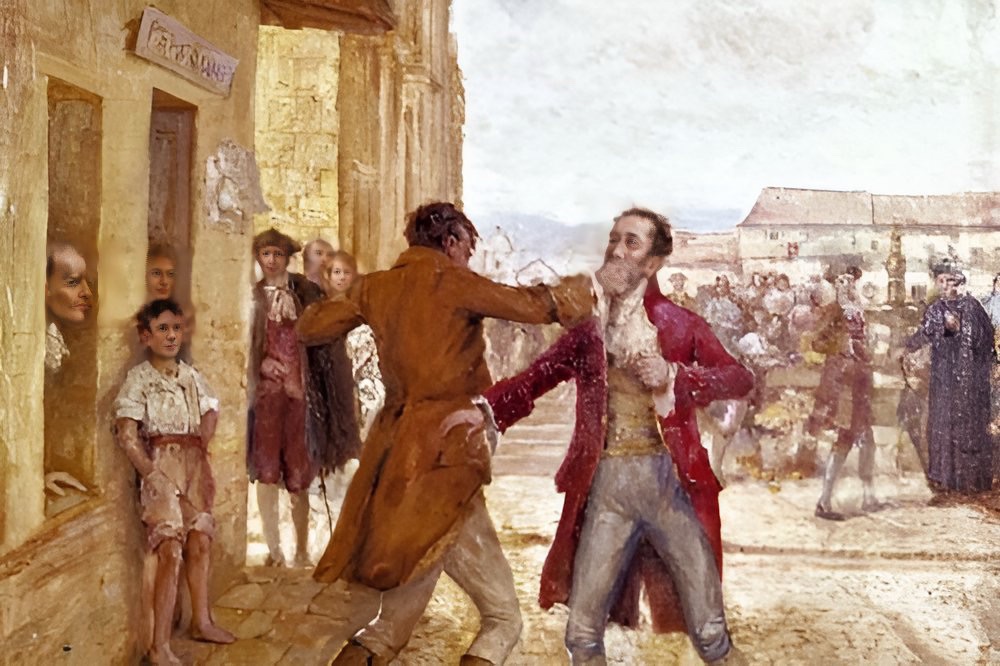
On July 20, 1810, a group of Criollos visited a local businessman, José González Llorente, to borrow a flowerpot. When he refused, a confrontation ensued, sparking riots in Bogotá. This incident is often cited as the catalyst for the independence movement.


 deliriouslove1970. The life & times of Gary and Denise Flanders. (Free and worth every penny. If you would like to compliment the editor, send to garytheflan@deliriouslove1970.com. If you would like to complain, call your mother.)
Leave a comment