
Kent (Ancient Greek: Κάντιον, romanized: Kántion) is a ceremonial county in South East England. It is bordered by Essex across the Thames Estuary to the north, the Strait of Dover to the south-east, East Sussex to the south-west, Surreyto the west, and Greater London to the north-west.
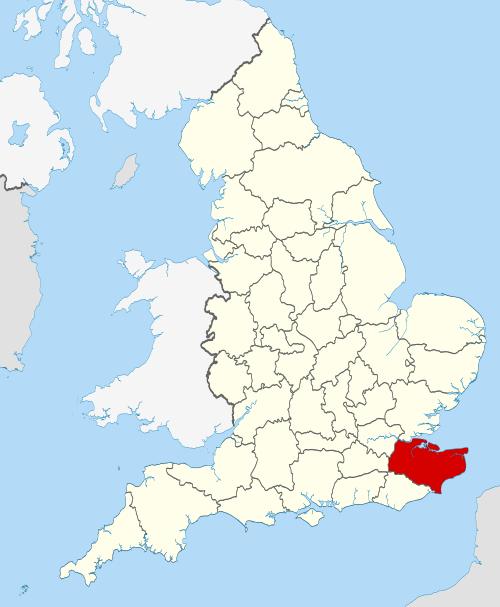
The county has an area of 3,544 square kilometres (1,368 sq mi) and had population of 1,875,893 in 2022, making it the fifth most populous county in England.
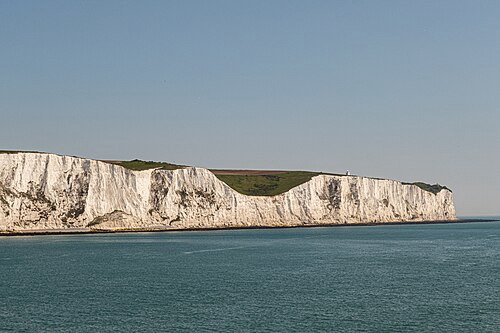
The north of Kent is a plain bordering the Thames Estuary. South of this is the North Downs, a chalk downland ridge which crosses the county from north-west to south-east and which forms dramatic chalk cliffs, including the White Cliffs of Dover, where it meets the English Channel.
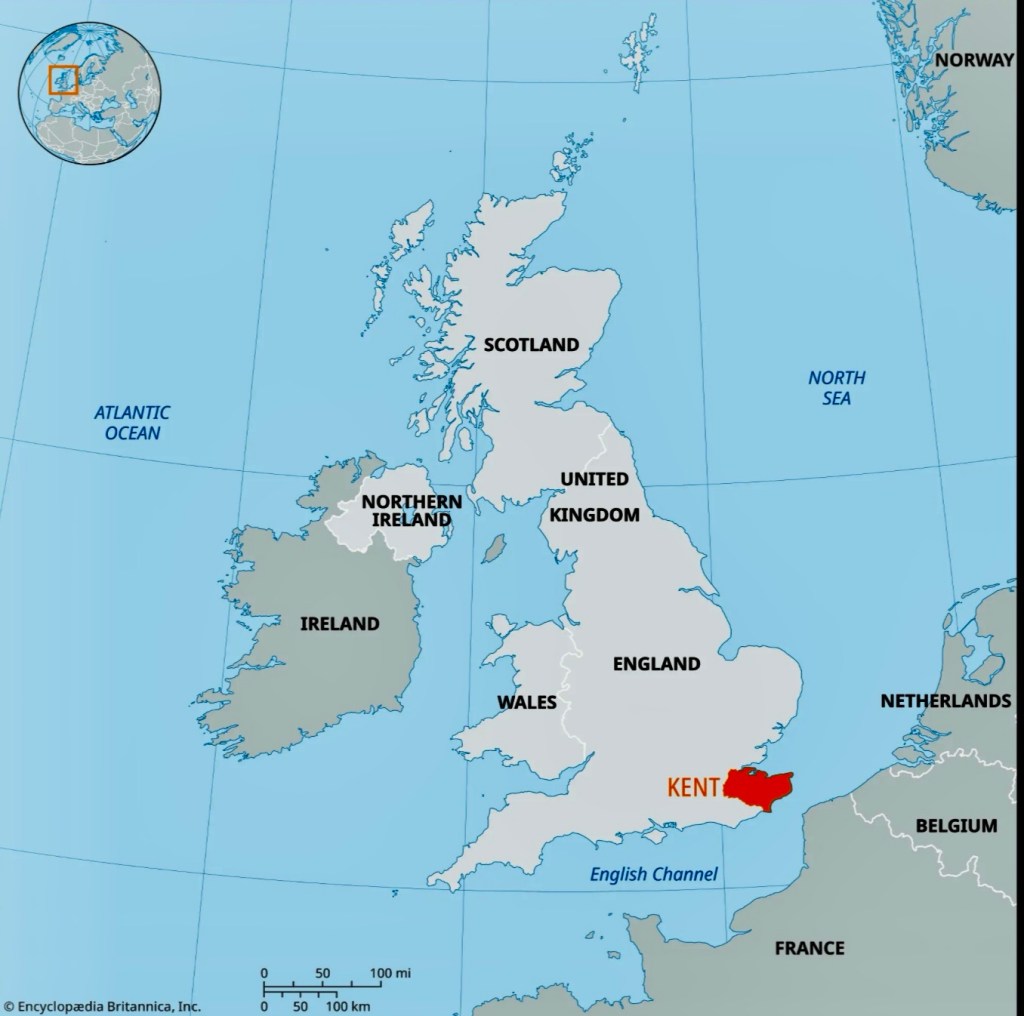
Kent’s location between London and the Strait of Dover, the narrowest crossing point between England and mainland Europe, has led to the county being the point of entry for many prominent figures and groups in British history.
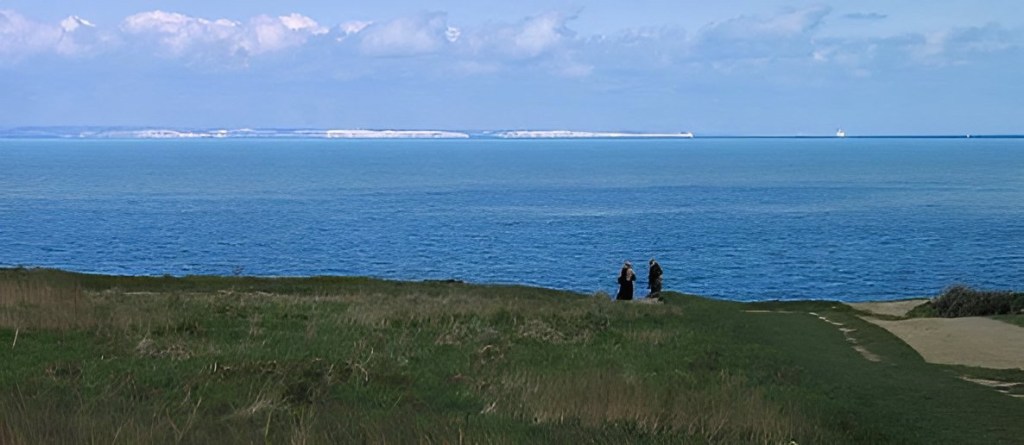
It was one of the first British territories to be settled by Germanic tribes, most notably the Jutes, following the withdrawal of the Romans. In the 6th century, Saint Augustine landed in the county to begin the conversion of England to Christianity and became the first archbishop of Canterbury; Canterbury Cathedral is now a World Heritage Site. England relied on the county’s ports to provide warships through much of its history; the Cinque Ports in the 10th and 14th centuries and Chatham Dockyard in the 16th–20th centuries were of particular importance. Dover Castle has been described as the “key of England” due to its strategic significance.

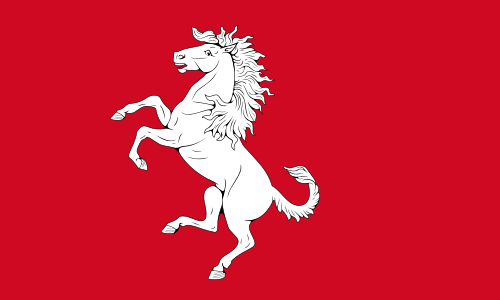
The flag once again takes major themes from the Coat of Arms.

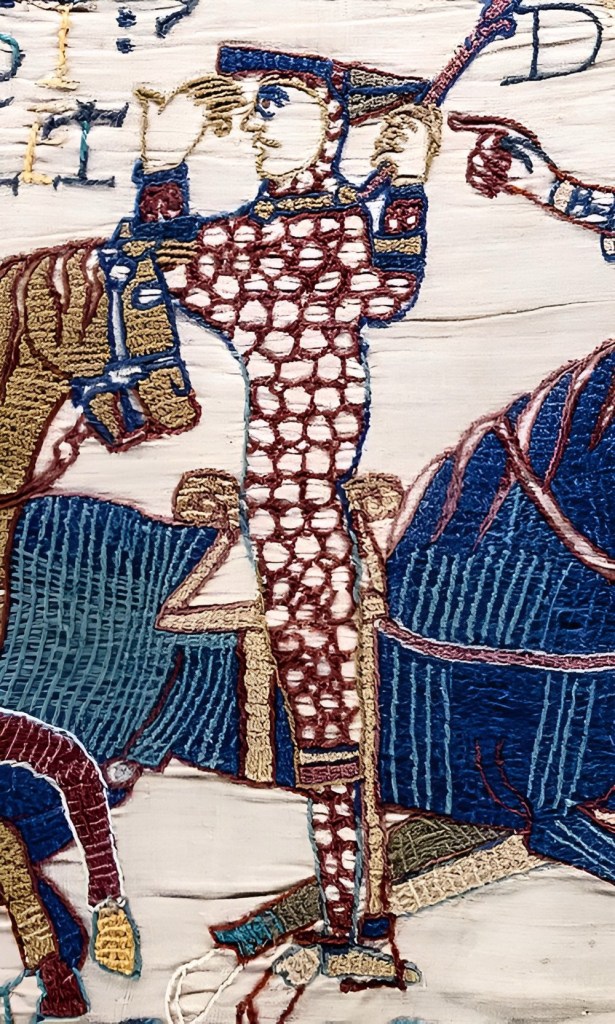
William is depicted in the Bayeux Tapestry during the Battle of Hastings, lifting his helmet to show that he is still alive. Sometimes called ‘William the Bastard’ was he was the first Norman King of England. His coronation took place at Westminster Abbey. It was the first crowning at the abbey and set the precedent for the future. We have visited the memorial to him at Westminster Abbey.

The flag features the white horse of Kent on a red background, all are themes from the coat of arms. The horse is rampant, standing on one leg. I appreciate the history of the design of this good flag.



 deliriouslove1970. The life & times of Gary and Denise Flanders. (Free and worth every penny. If you would like to compliment the editor, send to garytheflan@deliriouslove1970.com. If you would like to complain, call your mother.)
Leave a comment