

Wiltshire (/ˈwɪlt.ʃər, -ʃɪr/ abbreviated to Wilts) is a ceremonial county in South West England. It borders Gloucestershireto the north, Oxfordshire to the north-east, Berkshire to the east, Hampshire to the south-east and south, Dorset to the south, and Somerset to the west. The largest settlement is Swindon, and Trowbridge is the county town.

Undulating chalk down lands characterize much of the county. Downland, chalkland, chalk downs or just downs are areas of open chalkhills, such as the North Downs. This term is used to describe the characteristic landscape in southern England where chalk is exposed at the surface. The name “downs” is derived from the Celtic word “dun”, meaning “fort” or “fastness” (and by extension “fortified settlement”, from which it entered English as “town”, similar to Germanic “burg”/“burough”), though the original meaning would have been “hill”, as early forts were commonly hillforts – compare Germanic “burg” (fort) and “berg” (mountain).
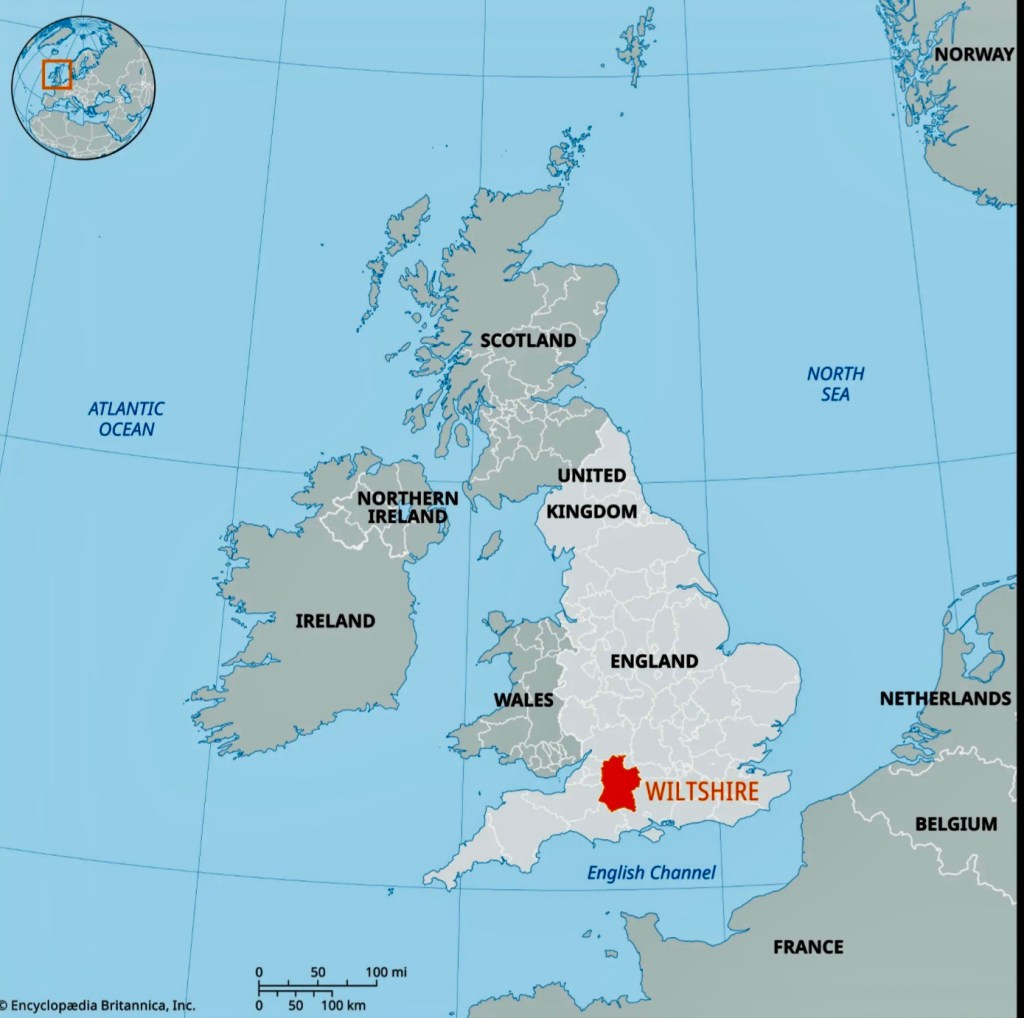
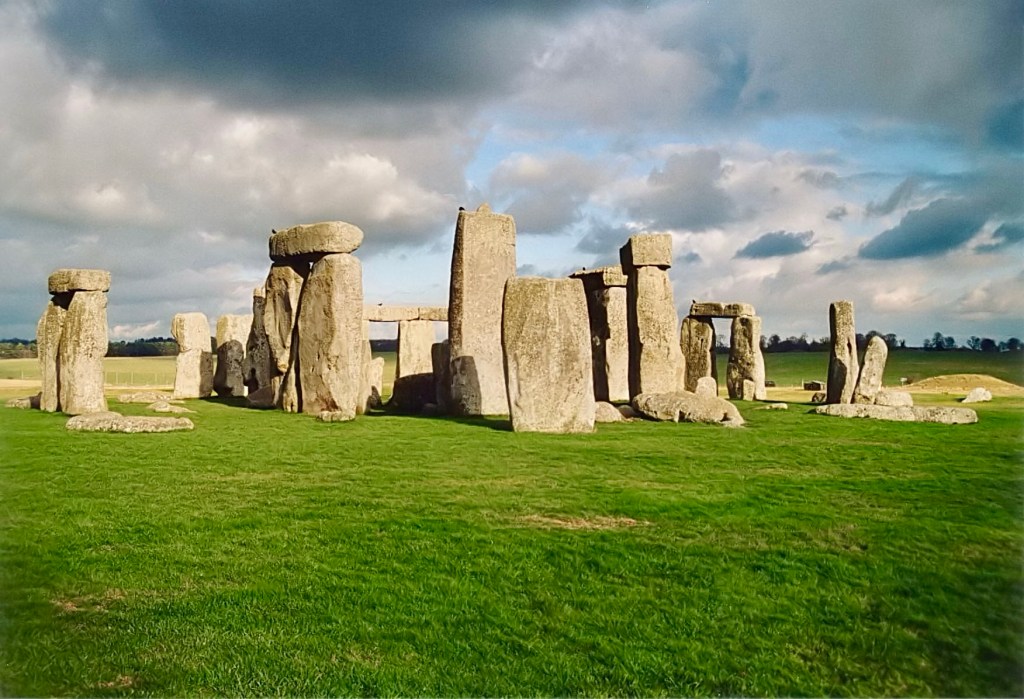
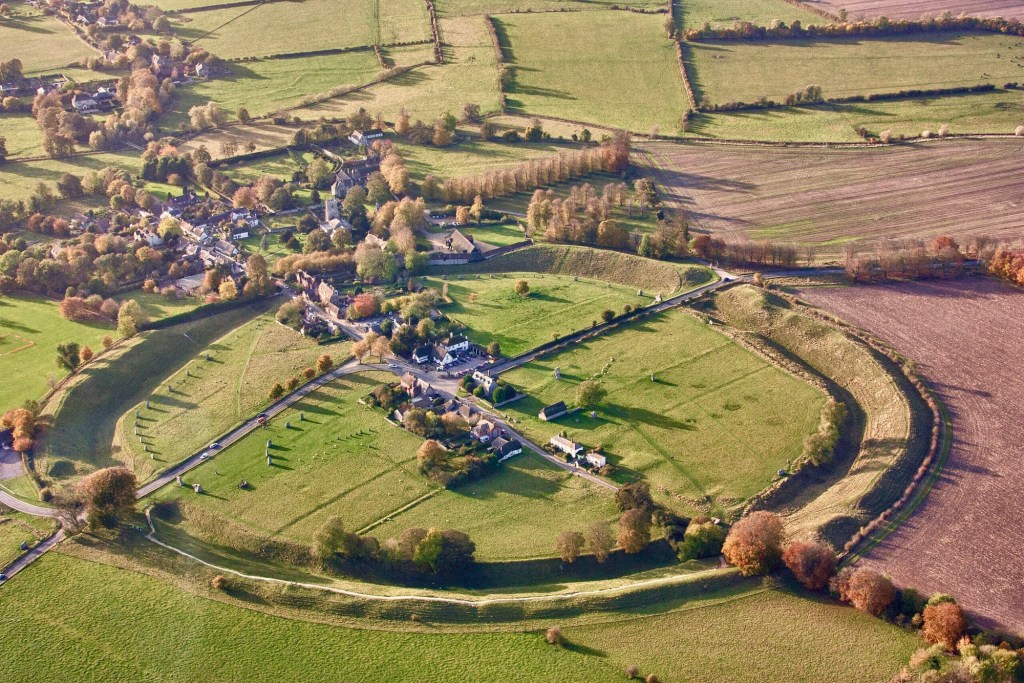
Wiltshire is notable for its pre-Roman archaeology. The Mesolithic, Neolithic and Bronze Age people that occupied southern Britain built settlements on the hills and downland that cover Wiltshire. Stonehenge and Avebury are perhaps the most famous Neolithic sites in the UK.
Wiltshire has an EFL team, the Swindon Town Football Club, the Robins. At one time they were in the Primere League but have been relegated a number of times and now play in a much lower league.

The Wiltshire flag was approved by the Wiltshire Council in December 2009. As with so many European flags it borrows themes from the coat, or banner of arms of the council.
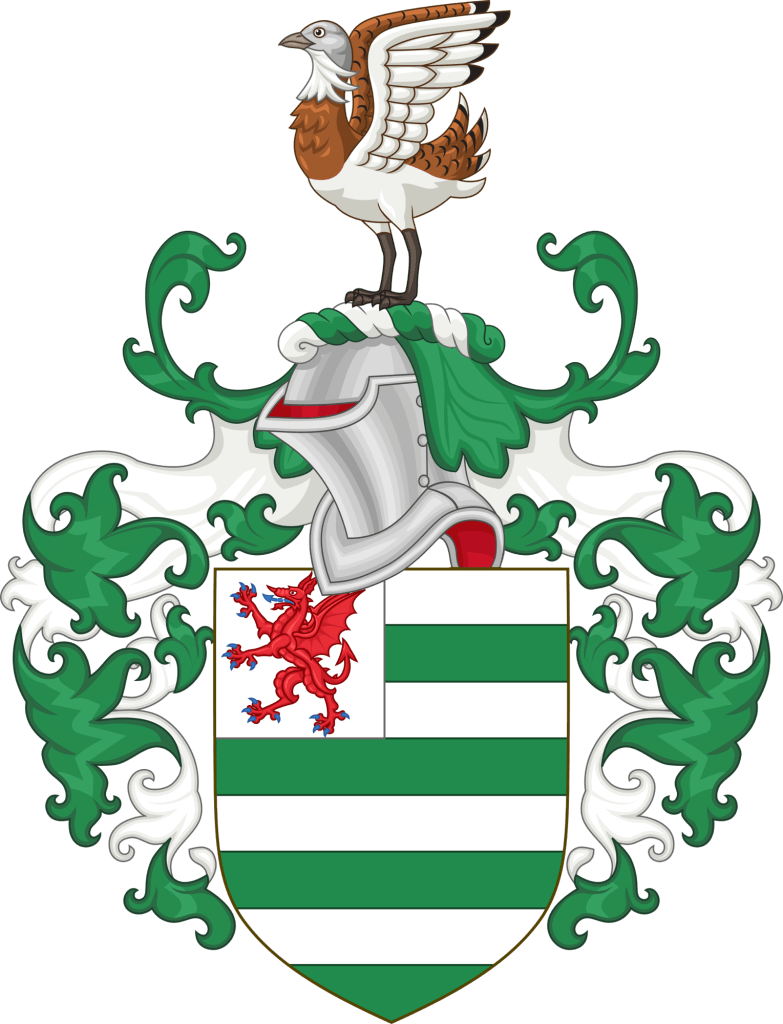
The flag is also known as the ‘Bustard Flag’ it depicts in the center a golden great bustard, which has been extinct in England since 1832 but is now the subject of a breeding program on Salisbury Plain.
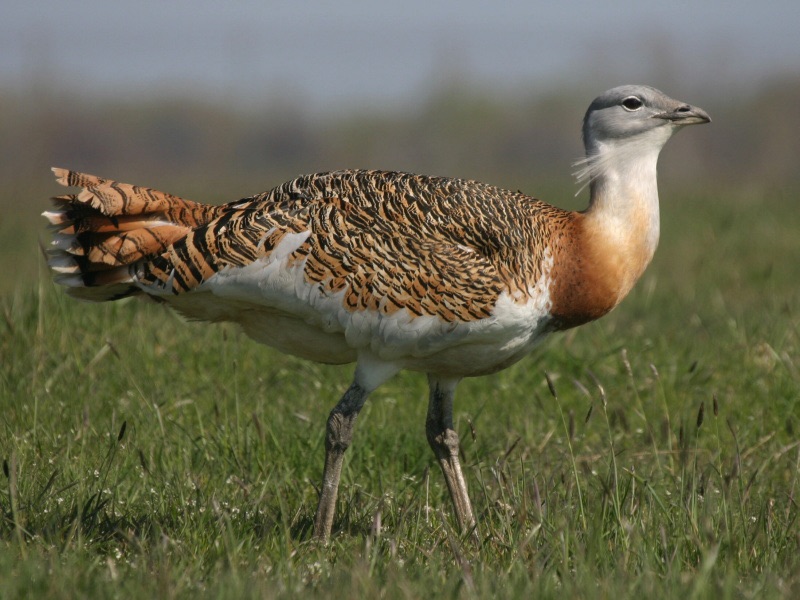
The bird is surrounded by a green and white circle representing the stone circles of Stonehenge and Avebury and also the six surrounding counties. The field consists of green and white stripes which reference the council coat of arms but also represent the chalk and grass of the counties downlands. White can also represent peace and the green joy, hope or safety. A lot goes into the design of a good flag and this is a good flag.

 deliriouslove1970. The life & times of Gary and Denise Flanders. (Free and worth every penny. If you would like to compliment the editor, send to garytheflan@deliriouslove1970.com. If you would like to complain, call your mother.)
Leave a comment