
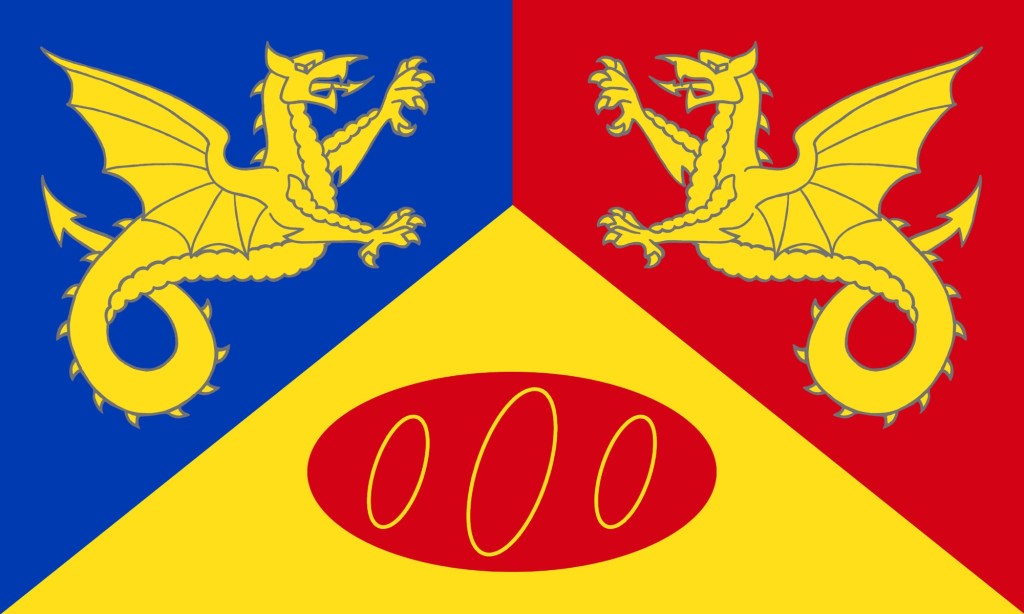
[Warning (sic): contains nerdy but interesting flag details about a fascinating flag]
The flag of a small rural village in Wales. This is an example of a small town that has its own significant flag. It holds up my theory that UK and most of Europe knows how to design a flag. {Take note US cities}
Cwmcarvan (Welsh: Cwmcarfan) is a small rural village in Monmouthshire, south east Wales. It is located 4 miles south west of Monmouth and about 4 miles east of Raglan, off the old A40 road two miles NW of Trellech.
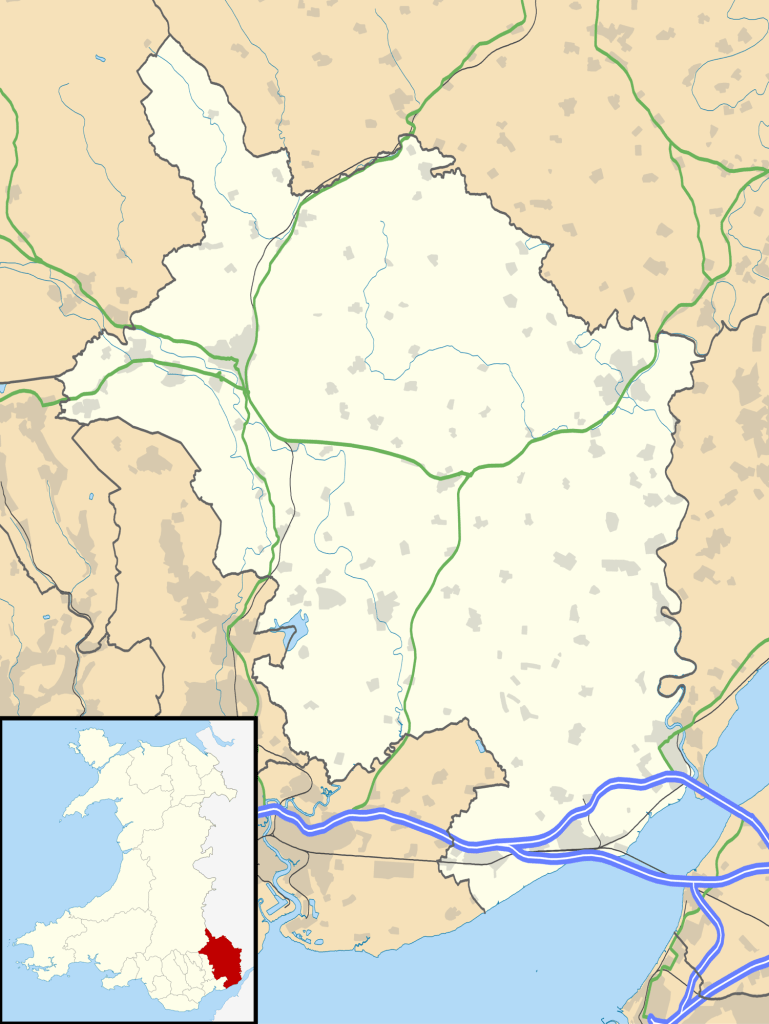
Outside of the village is an important site where a battle took place that affected all of Wales.
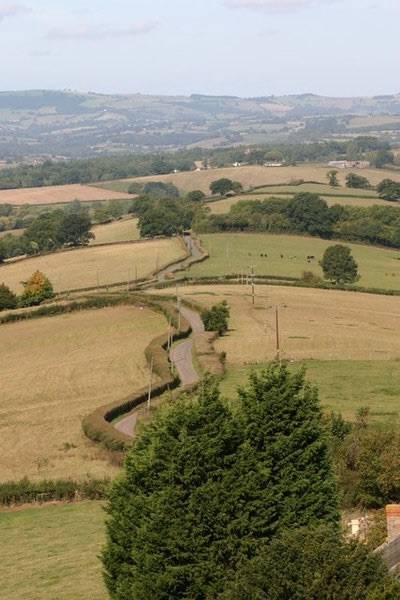
The hill of Craig-y-dorth, is near to the village of Cwmcarvan (Welsh: Cwmcarfan) in Monmouthshire (Sir Fynwy) in south-east Wales. In August 1404, it was the site of a battle between Owain Glyndŵr’s forces and those of the English. Glyndŵr was victorious and the defeated English forces were either slain or put to flight.
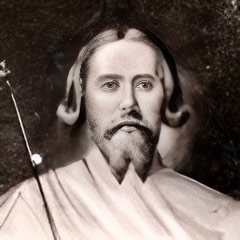
Owain Glyndŵr (c.1349-c.1416) was the leader of a Welsh revolt against English rule between 1400 and 1409. Years of attempts to subordinate the Welsh to the English crown and harsh rule had created a climate ripe for popular revolt. Owain Glyndŵr was well placed to lead this fight for freedom. He was charismatic and directly descended from Welsh aristocracy and royalty.
Such was his success that by 1403 the forces of Owain Glyndŵr controlled a major part of Wales. In 1404 he captured the significantly important castles of Aberystwyth, Criccieth and Harlech. Owain Glyndŵr was crowned as Prince of Wales when the first Welsh Parliament was held at Machynlleth in 1404. He made clear his view of the need for an independent Welsh nation. After 1406 Glyndŵr‘s forces began to experience defeats and in 1409 he lost his power base of Harlech castle.
Owain Glyndŵr was never captured and many believe he moved into the Welsh hills. There is no confirmed record of his death. Owain Glyndŵr’s popular uprising and staggering successes almost achieved Welsh aspirations for independence. This leaves him holding a special place in the hearts of the Welsh people. He remains a national hero along with a desire to complete the task of securing Wales’s destiny as an independent and sovereign nation.
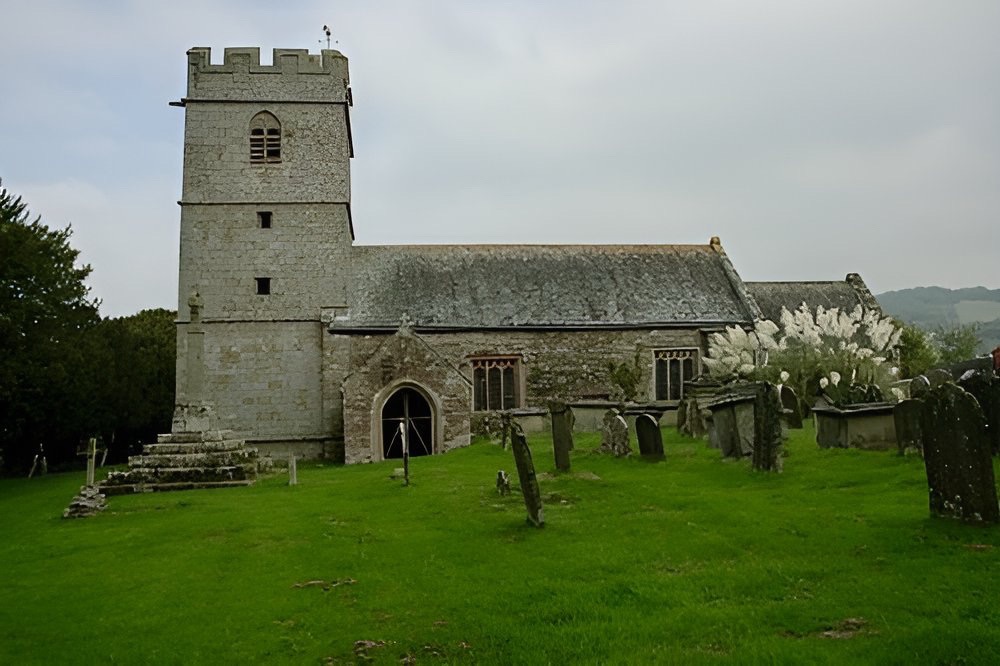
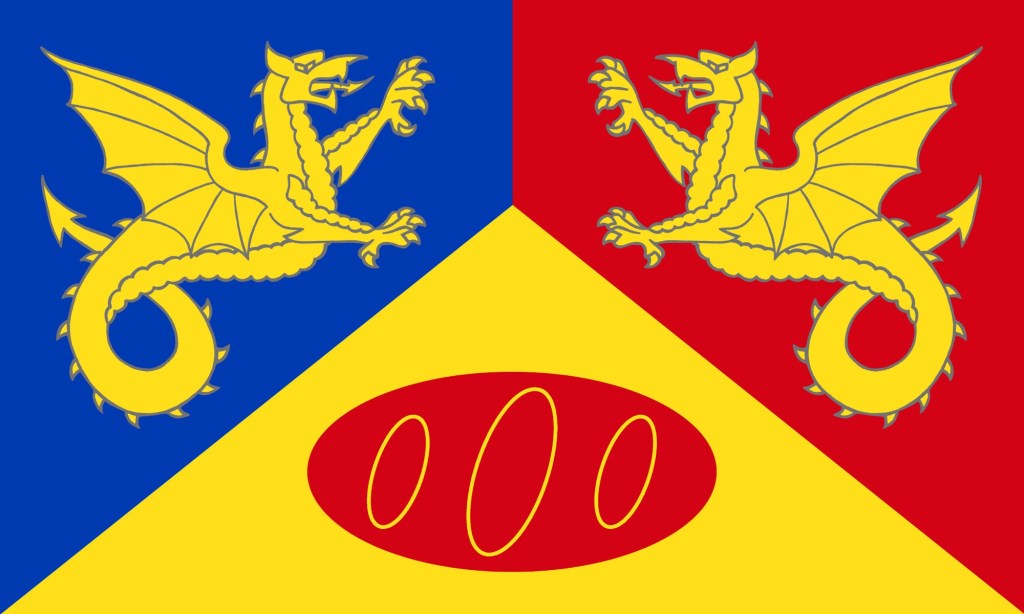
Now to that interesting flag. It was designed in 2013 by two citizens and adopted by a public vote. It was officially certified by the Chief Flag Institute Vexillologist, Graham Bartram.
Craig-y-Dorth or ‘hill of the loaf’ is represented by a red heraldic loaf within an inverted triangle.
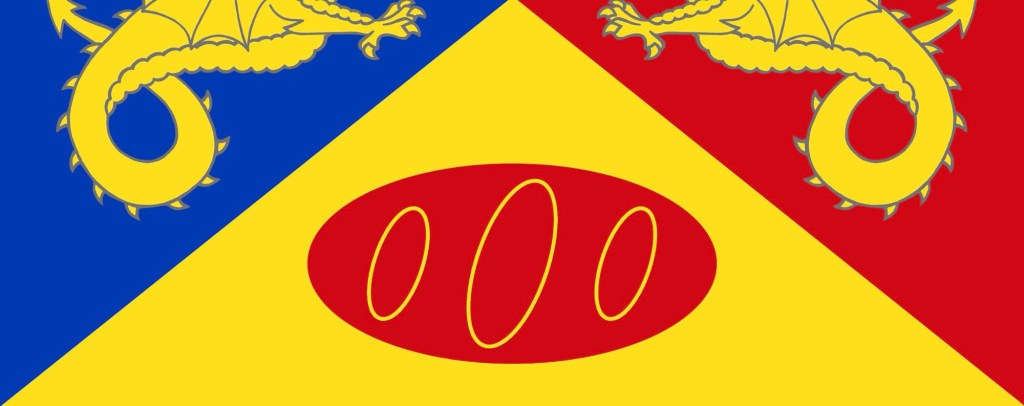
On either side are two golden wyverns couchant facing each other as in battle.
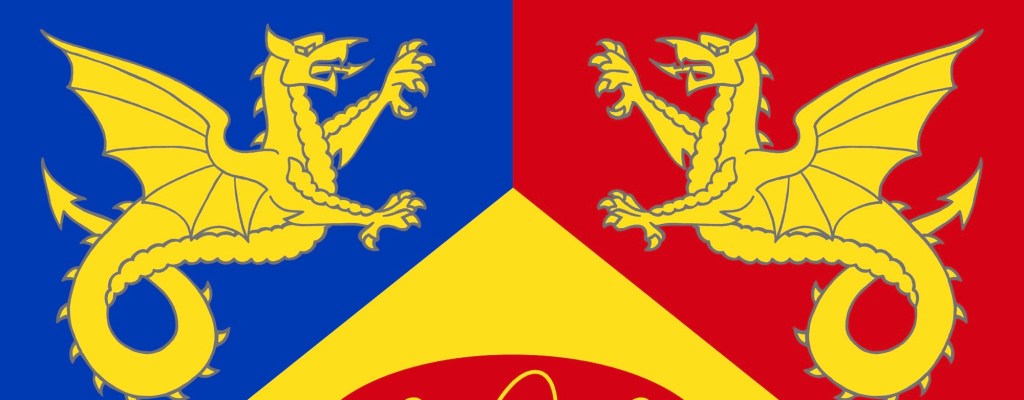
A Wyvern is a mythical beast similar to a dragon. A Wyvern has no hind quarters and the rear is like a serpent with a barbed tail. The heraldic term couchant meanings lying down.
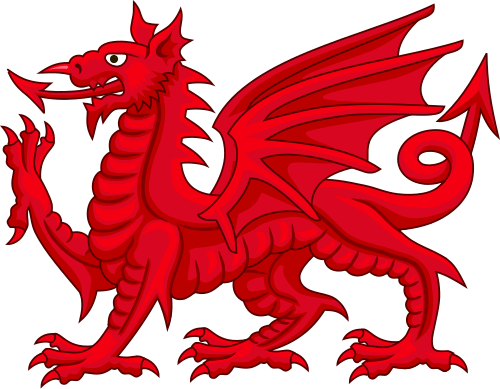
The Wyvern is a forerunner of the Welsh Dragon. The Wyvern appears on the battle standard of Owain Glyndwr when he was Prince of Wales.
The blue on the Craig-y-Dorth flag represents the blue of the old Kingdom of Ghent, which also appears in the Monmouthshire flag. The red derives from Glyndwr’s battle standard.
 deliriouslove1970. The life & times of Gary and Denise Flanders. (Free and worth every penny. If you would like to compliment the editor, send to garytheflan@deliriouslove1970.com. If you would like to complain, call your mother.)
Leave a comment