
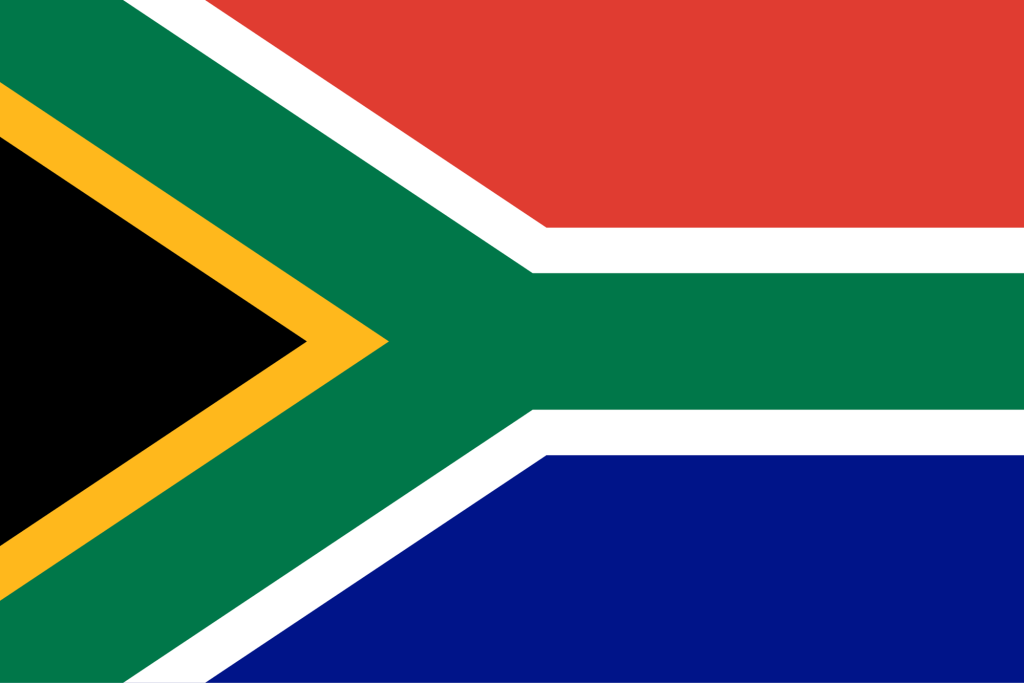
South Africa, officially the Republic of South Africa (RSA), is the southernmost country in Africa. Its nine provinces are bounded to the south by 2,798 kilometres (1,739 miles) of coastline that stretches along the South Atlantic and Indian Ocean to the north by the neighbouring countries of Namibia, Botswana, and Zimbabwe; to the east and northeast by Mozambique and Eswatini; and it encloses Lesotho. Covering an area of 1,221,037 square kilometres (471,445 square miles), the country has a populationof over 64 million people. Pretoria is the administrative capital, while Cape Town, as the seat of Parliament, is the legislative capital, and Bloemfontein is regarded as the judicial capital. The largest, most populous city is Johannesburg, followed by Cape Town and Durban.
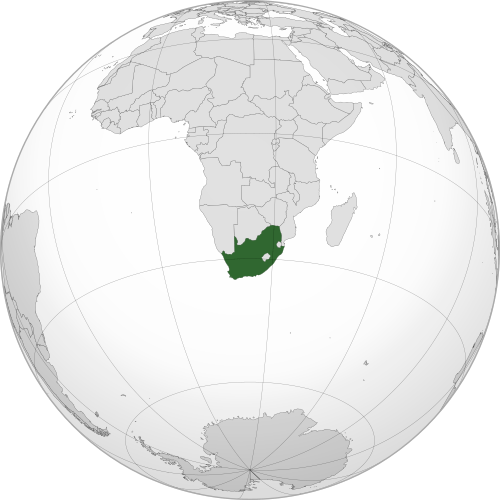
Archaeological findings suggest that various hominid species existed in South Africa about 2.5 million years ago, and modern humans inhabited the region over 100,000 years ago. The first known people were the indigenous Khoisan, and Bantu-speaking peoples from West and Central Africa later migrated to the region 2,000 to 1,000 years ago. In the north, the Kingdom of Mapungubwe formed in the 13th century.

Due to it’s strategic location and natural beauty, in 1652 the Dutch invaded and and established the first European settlement at Table Bay.

Not to be outdone, the British came, kicked out the Dutch and did what they did best – colonized the country. Valuable minerals were found and industrialization happened. Through in a couple of big wars (The Boer wars) and many uprisings South Africa became a republic in 1961.
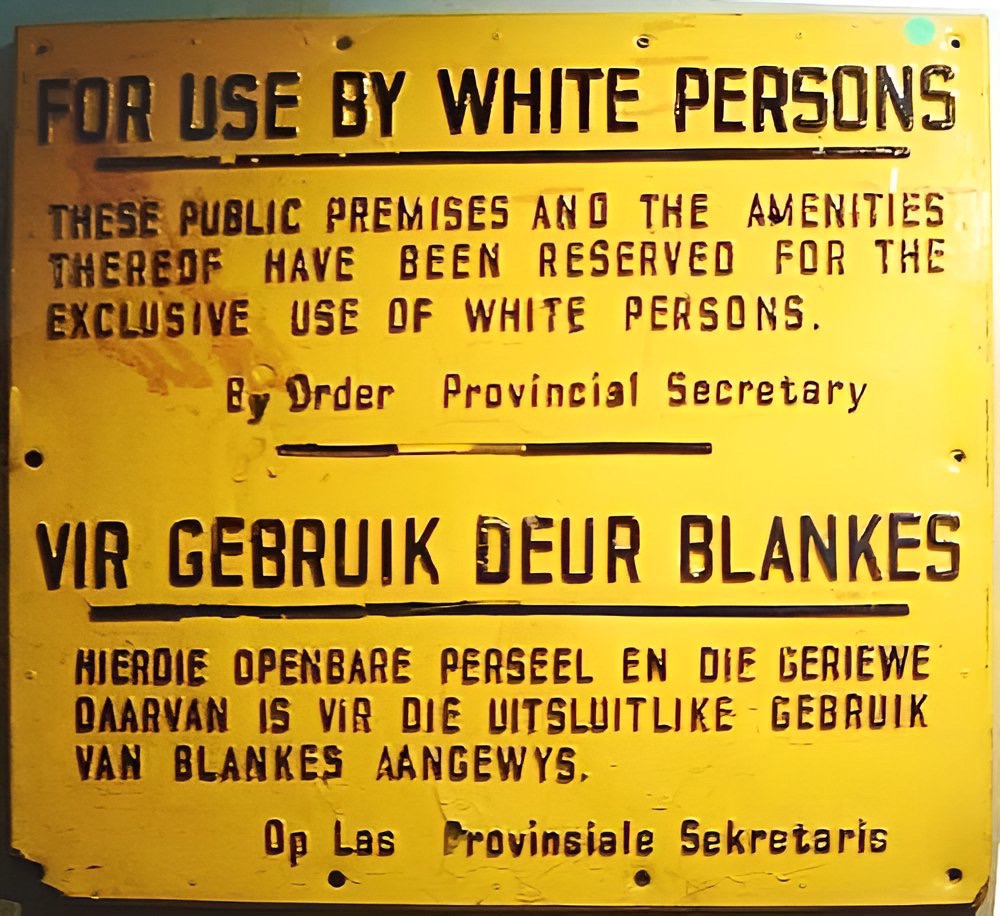
In 1948 the National Party imposed apartheid the repeal of these laws did not come about until 1994.
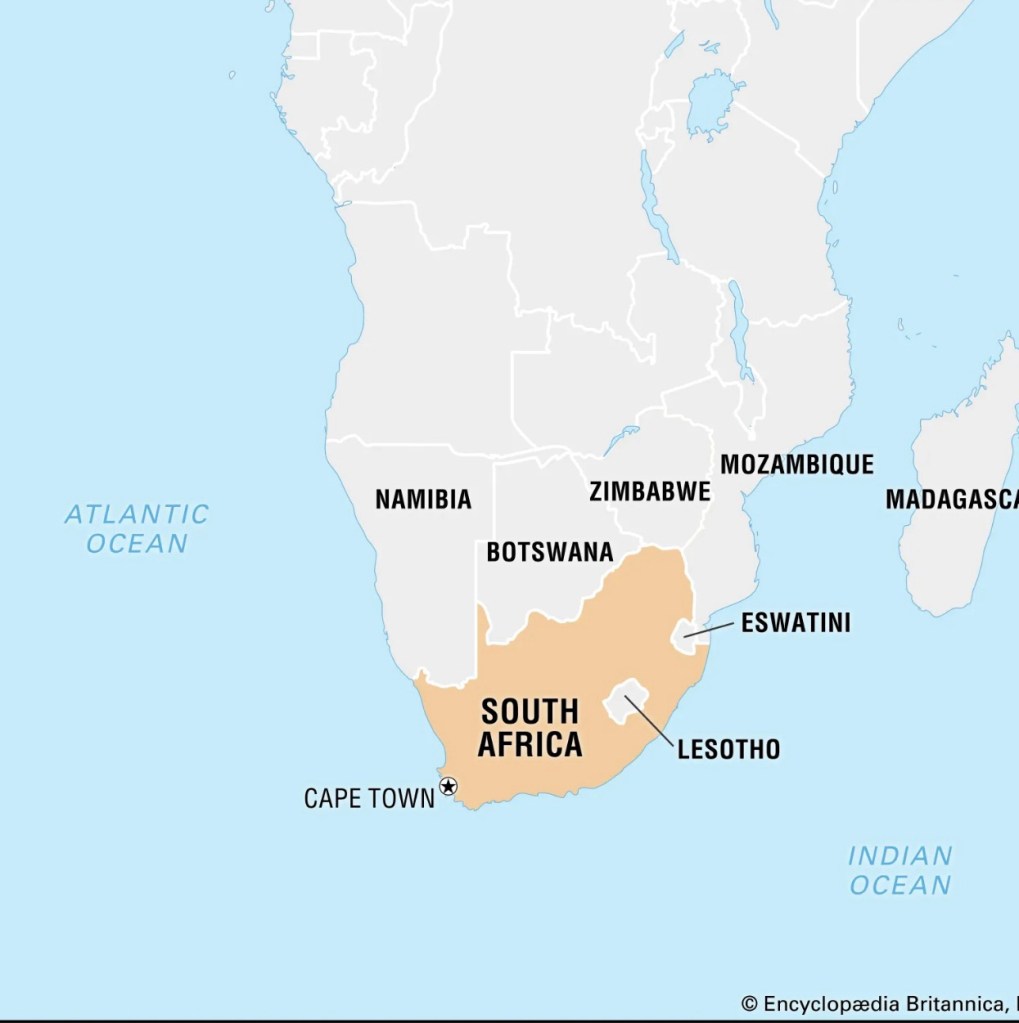
The name “South Africa” is derived from the country’s geographic location at the southern tip of Africa. Upon formation, the country was named the Union of South Africa in English and Unie van Zuid-Afrika in Dutch, reflecting its origin from the unification of four British colonies. Since 1961, the long formal name in English has been the “Republic of South Africa” and Republiek van Suid-Afrika in Afrikaans. The country has an official name in 12 official languages.
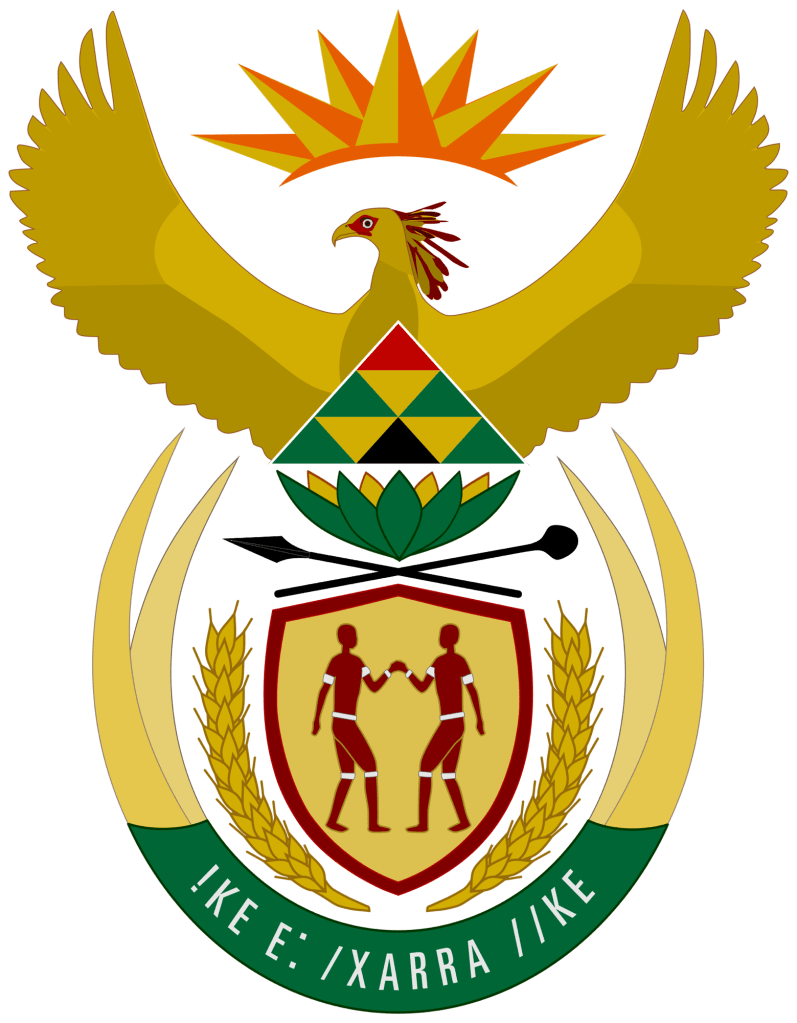
Following the end of apartheid, the new constitution of South Africainitially retained the coat of arms granted to South Africa in 1910. However, they had been viewed as outdated due to being designed by the British and Afrikaner minorities and not being representative of the black majority.[3] The design process for a new coat of arms was initiated in 1999, the Department of Arts, Culture, Science and Technologyrequested ideas for the new coat of arms from the public.
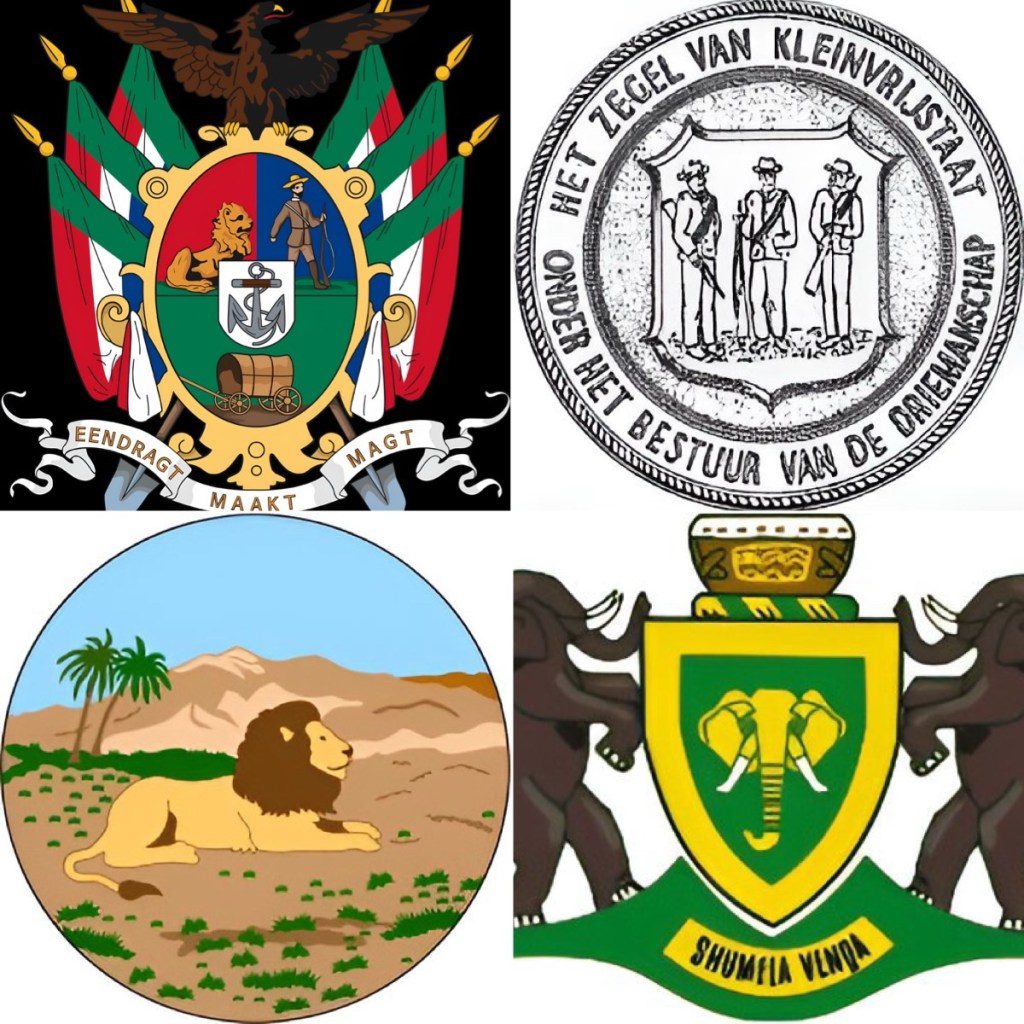

The two major European populations in South Africa, the Dutch (now Afrikaners) and the English, brought flags whose use persisted until 1994. The orange-white-blue tricolour of the 17th-century Netherlands was the basis for the national flag officially hoisted on May 31, 1928, by the Union of South Africa. The British Union Jack and the flags of the Transvaal and Orange Free State were added to the centre of that flag. Absent was any symbol for the overwhelming majority of the population, black Africans, or for the country’s Coloured (mixed-race) and Indian inhabitants.
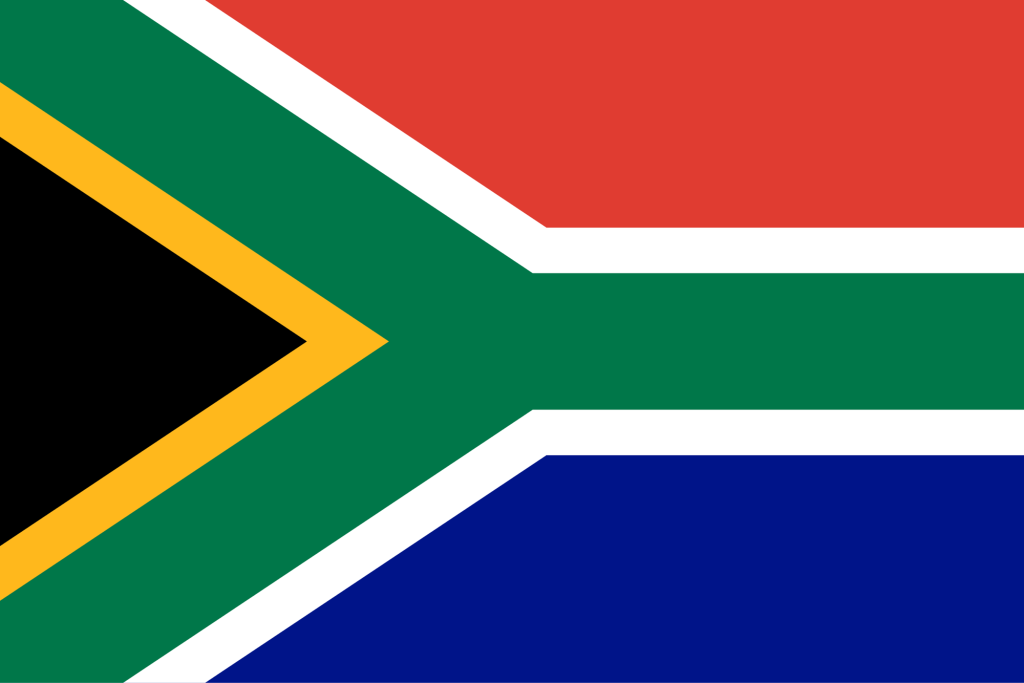
“The new flag is unique in combining six colours; traditional flags had two or three colours, and some modern flags four or five colours. The flag colours could be related to various groups—red-white-blue for English people and Afrikaners, green for Muslims, black-green-yellow for ANC supporters, red-white-black-green-yellow for Zulus, and so on. Intentionally, however, and in contrast to most other modern national flags, the new design for South Africa explicitly avoids any specific symbolic association for the colours, as this was considered “treading on dangerous ground.” The flag, intended as temporary, was confirmed by the 1996 constitution as permanent, based on the overwhelming popular support it had gained and on the optimistic spirit of South Africans regarding their national future.” (Written by Whitney Smith, the ‘Godfather of Vexillology.)

South Africa recently joined the club of world leaders who have had an embarrassing meeting at the White House. Their brilliant President Cyril Ramaphosa was ‘ambushed’ by falsehoods and lies from the leader of the United States. So sad.
 deliriouslove1970. The life & times of Gary and Denise Flanders. (Free and worth every penny. If you would like to compliment the editor, send to garytheflan@deliriouslove1970.com. If you would like to complain, call your mother.)
Leave a comment