
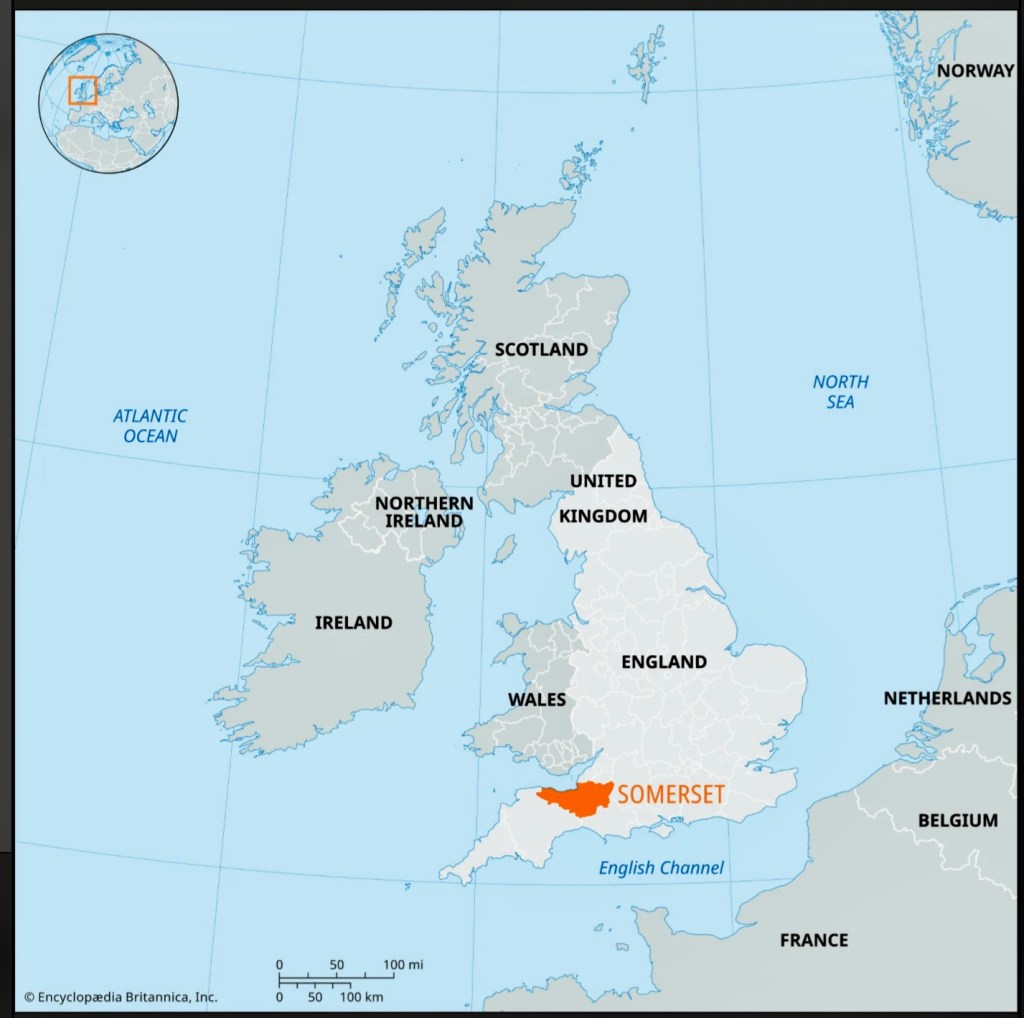
“Somerset is a ceremonial county in South West England. It is bordered by the Bristol Channel, Gloucestershire, and Bristol to the north, Wiltshire to the east, Dorsetto the south-east, and Devon to the south-west. The largest settlement is the city of Bath, and the county town is Taunton.
Somerset is full of the ancient history of England. There are many artifacts in the Natural History Museum in London including the near complete skeleton known as the ‘Cheddar man’. It is the oldest complete skeleton ever found in Britain, dating to 8470-8230 BC.
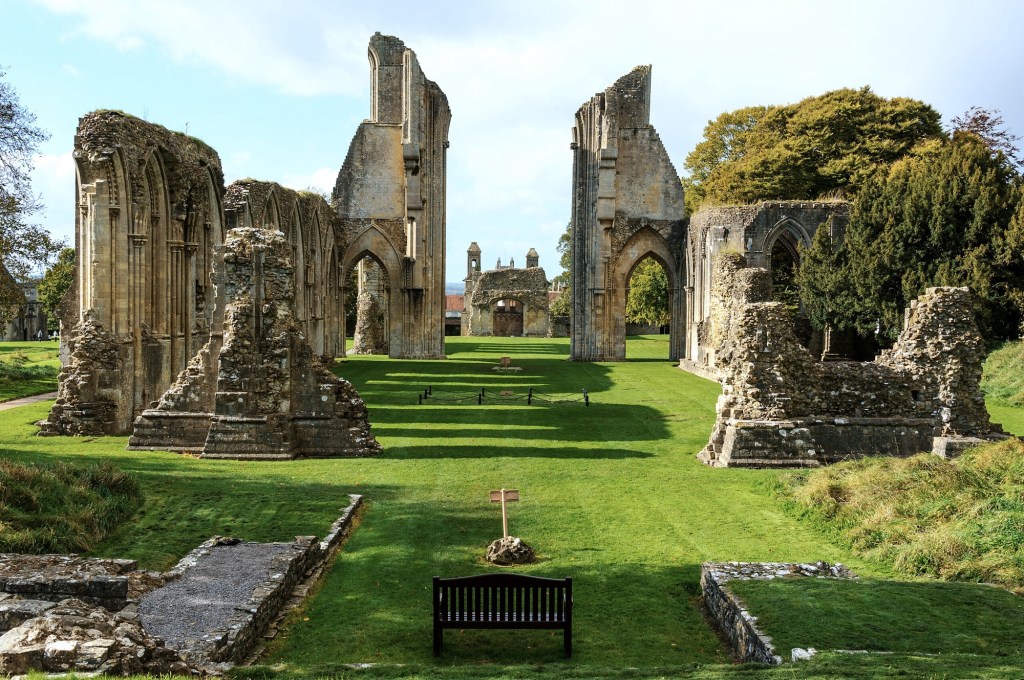
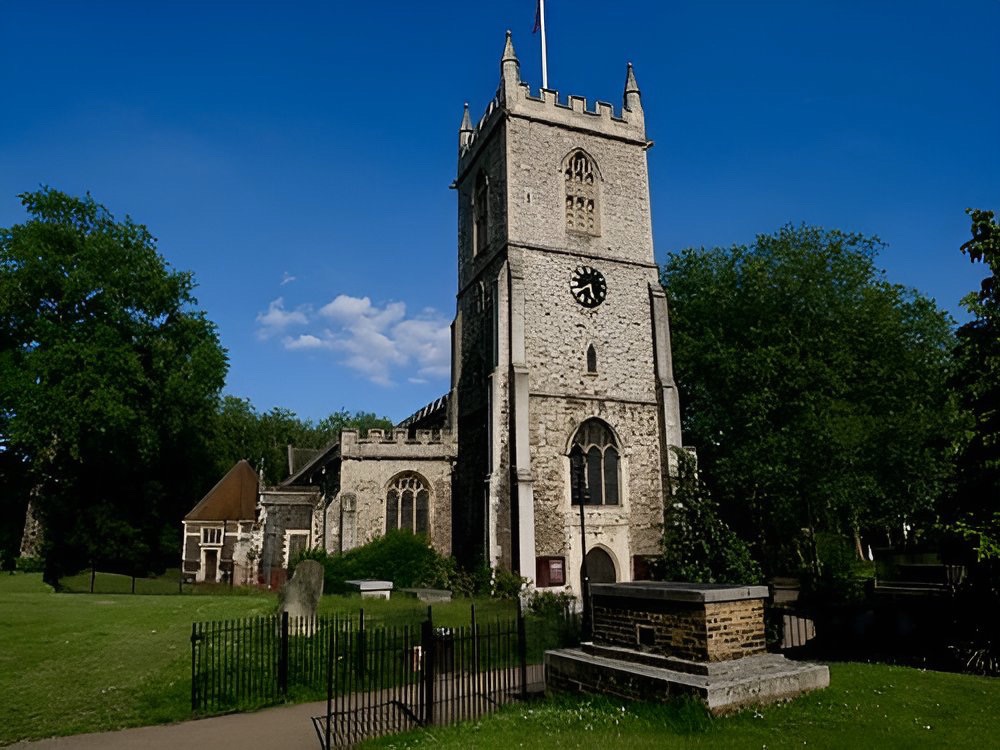
The ruins of Glastonbury Abbey where King Arthur and Guinevere are purported to be buried.
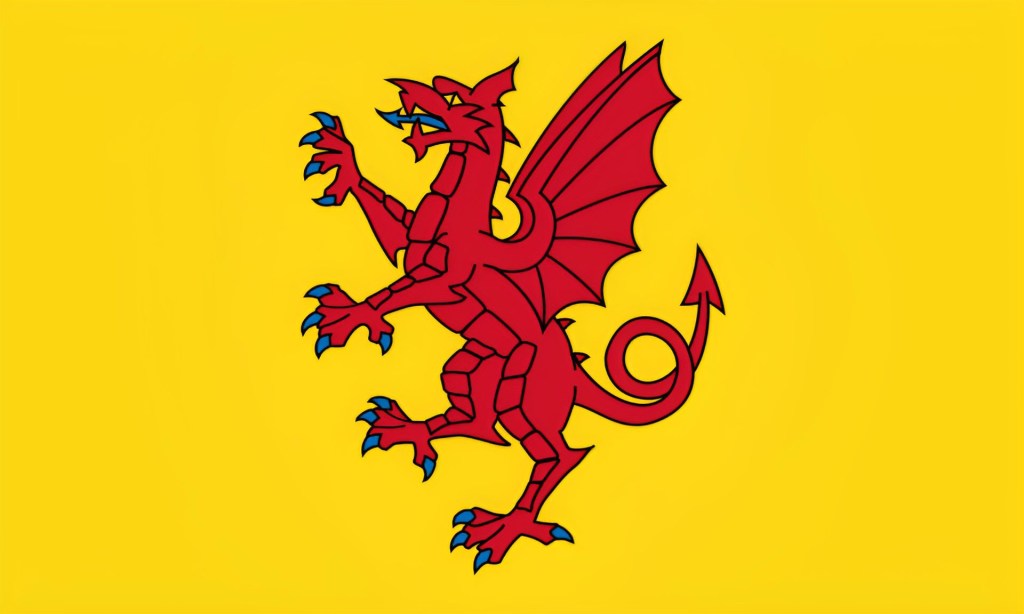
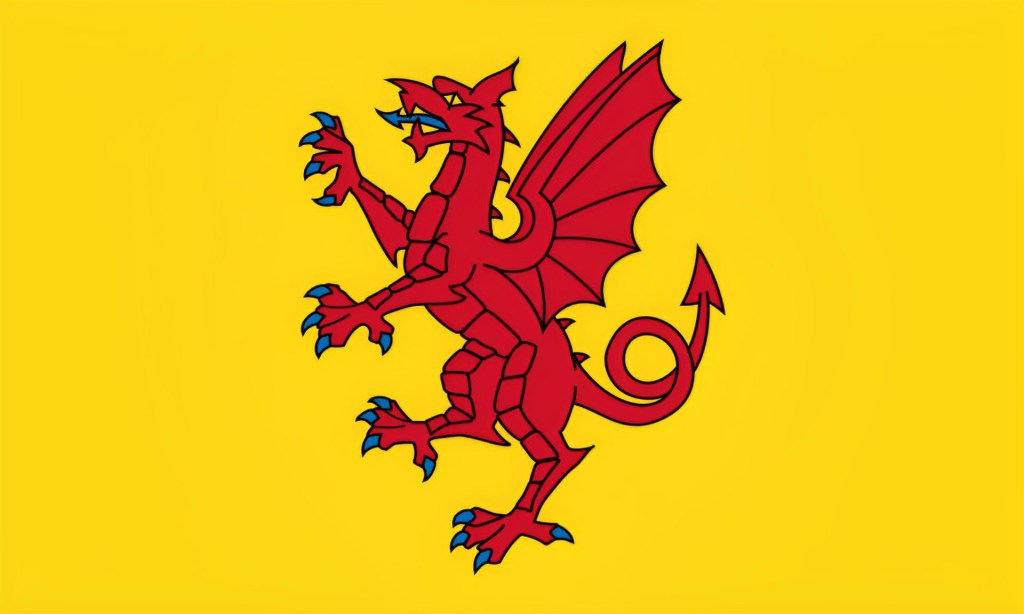
In 2005 there was a movement to finally create a flag for the county. Some people wanted to use the Somerset County Council’s logo in either its current form or modified into a flag. In 2006 a website was created and people were asked to submit ideas.
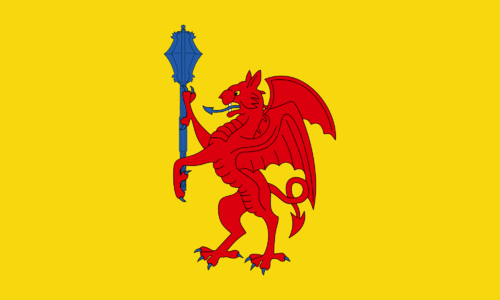
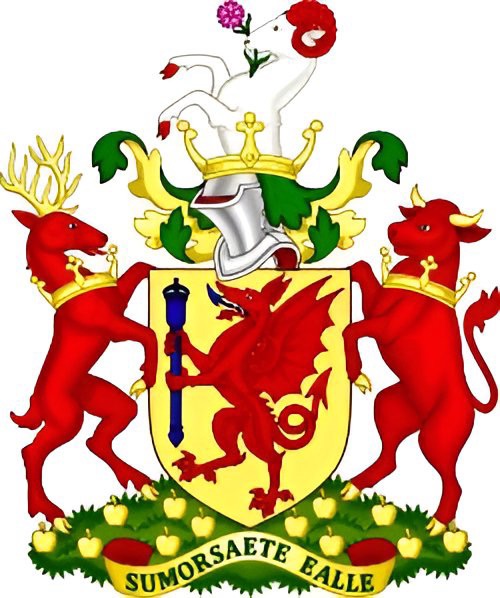
There is some history to the basic design of the winner of the flag contest. In 1911 the College of Arms (The organization that controls flags and coats of arms in England) awarded Somerset County a formal heraldic description of the coat of arms. “a Dragon Rampant Gules holding in the claws a Mace erect Azure”, meaning a red upright dragon on a gold background holding an upright blue mace.” On the flag the mace was dropped.
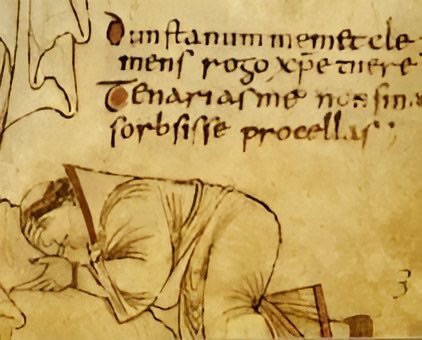
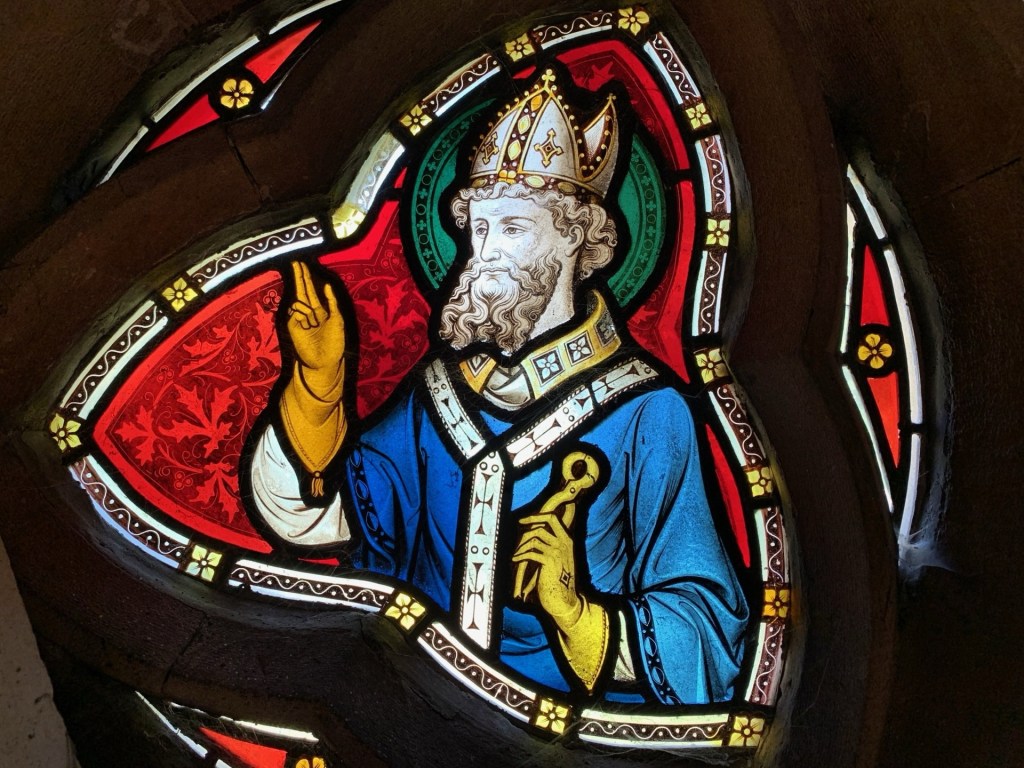
I said all of that to say this: Recently it was a big deal holiday in Somerset: St Dunstan’s Day. Dunstan (909 – 988) was the Abbot of Glastonbury Abbey in Somerset. His work restored monastic life in England and reformed the English Church. He was the most popular saint in England for 200 years. He was the patron saint of the blacksmith trade.
He was a gifted musician and a metalworker. While training in the metal arts the story went that the devil came and tempted Dunstan. Dunstan grabbed the devil by the nose with his tongs.
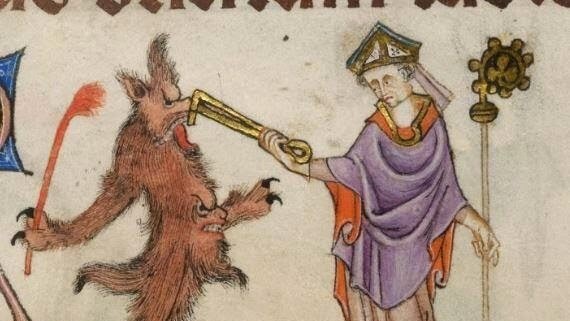
“St Dunstan, as the story goes,
Once pull’d the devil by the nose
With red-hot tongs, which made him roar,
That he was heard three miles or more.”
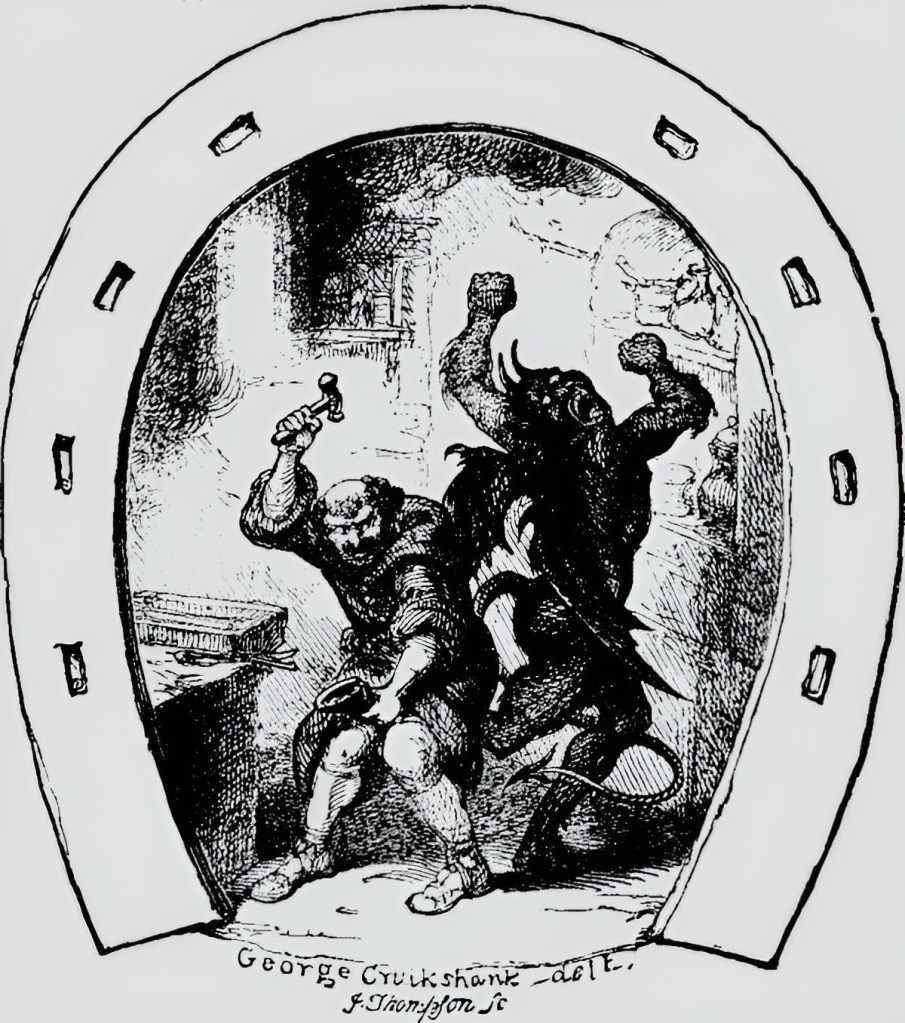
“Another story relates how Dunstan nailed a horseshoe to the Devil’s foot when he was asked to re-shoe the Devil’s cloven hoof. This caused the Devil great pain, and Dunstan only agreed to remove the shoe and release the Devil after he promised never to enter a place where a horseshoe is over the door. This is claimed as the origin of the lucky horseshoe.”
 deliriouslove1970. The life & times of Gary and Denise Flanders. (Free and worth every penny. If you would like to compliment the editor, send to garytheflan@deliriouslove1970.com. If you would like to complain, call your mother.)
Leave a comment