
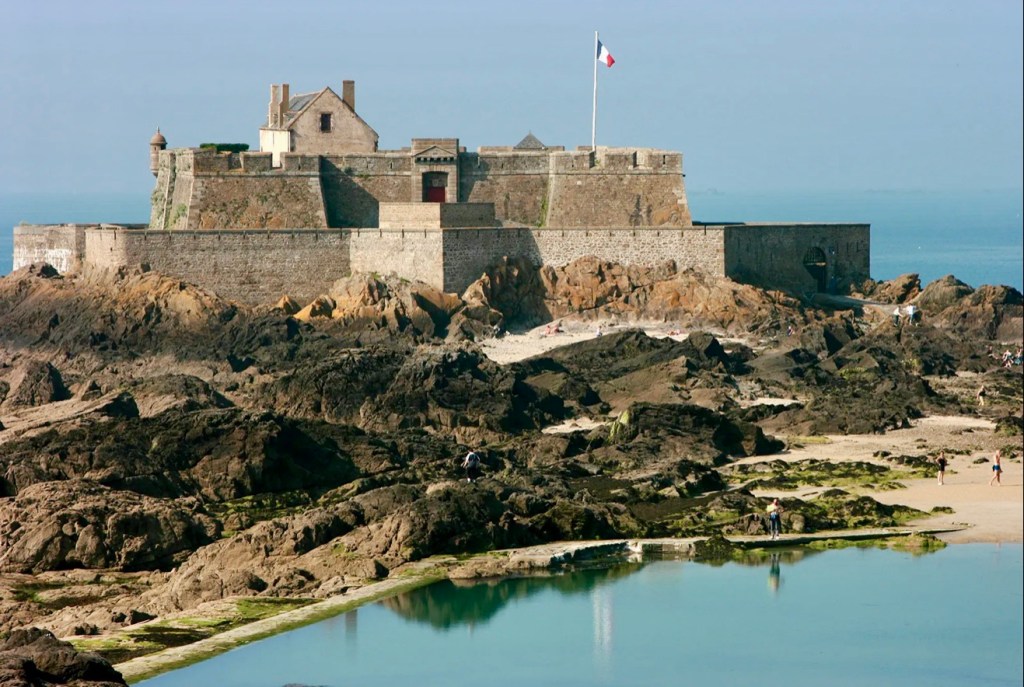
“Brittany is a peninsula, historical country and cultural area in the north-west of modern France, covering the western part of what was known as Armorica in Roman Gaul. It became an independent kingdom and then a duchy before being united with the Kingdom of France in 1532 as a province governed as a separate nation under the crown. Brittany is the traditional homeland of the Breton peopleand is one of the six Celtic nations, retaining a distinct cultural identity that reflects its history.”
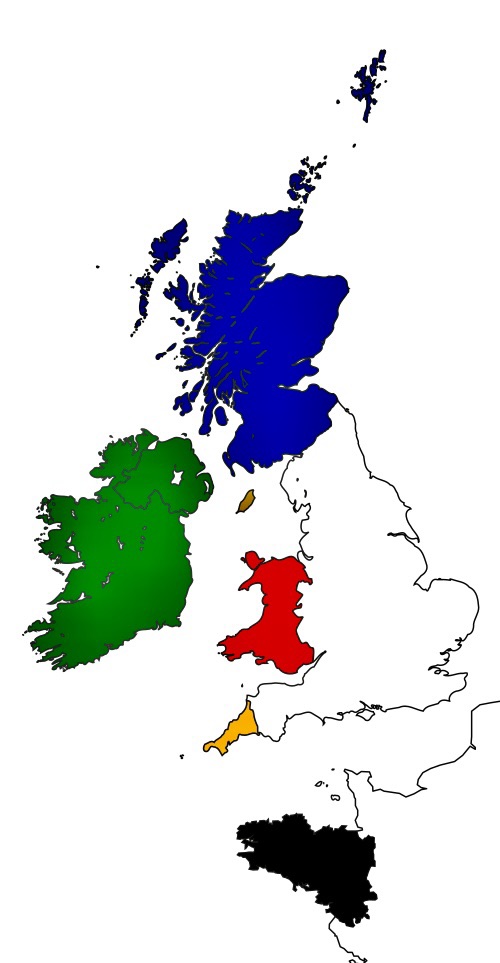
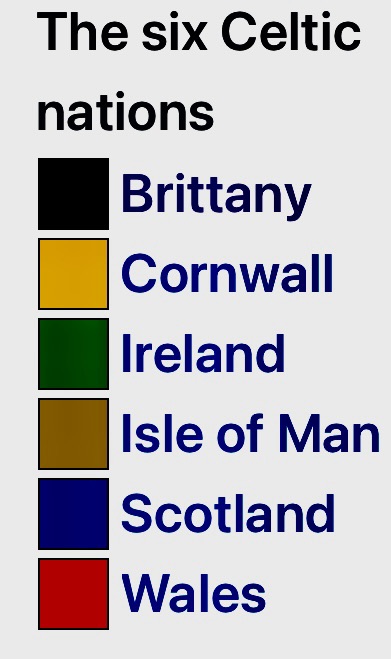
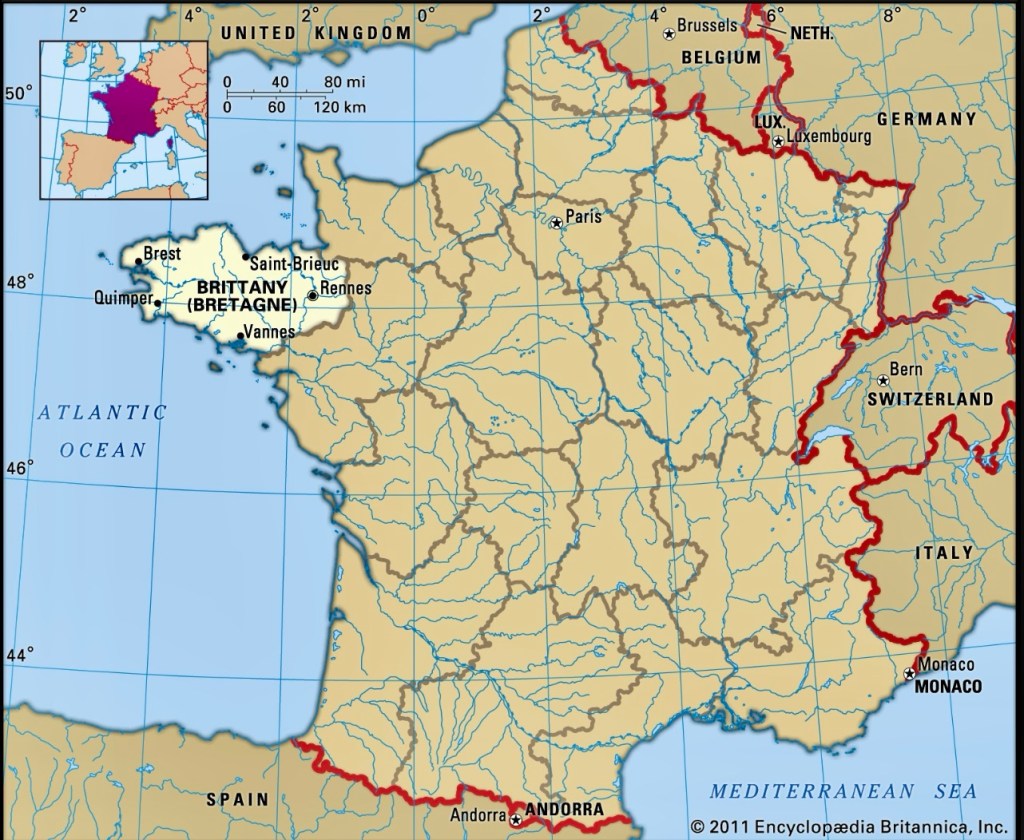
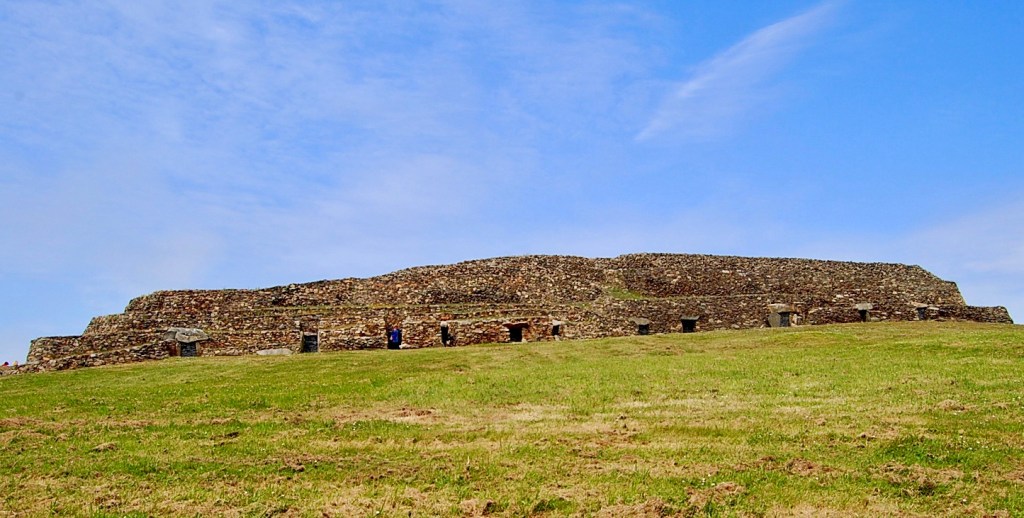
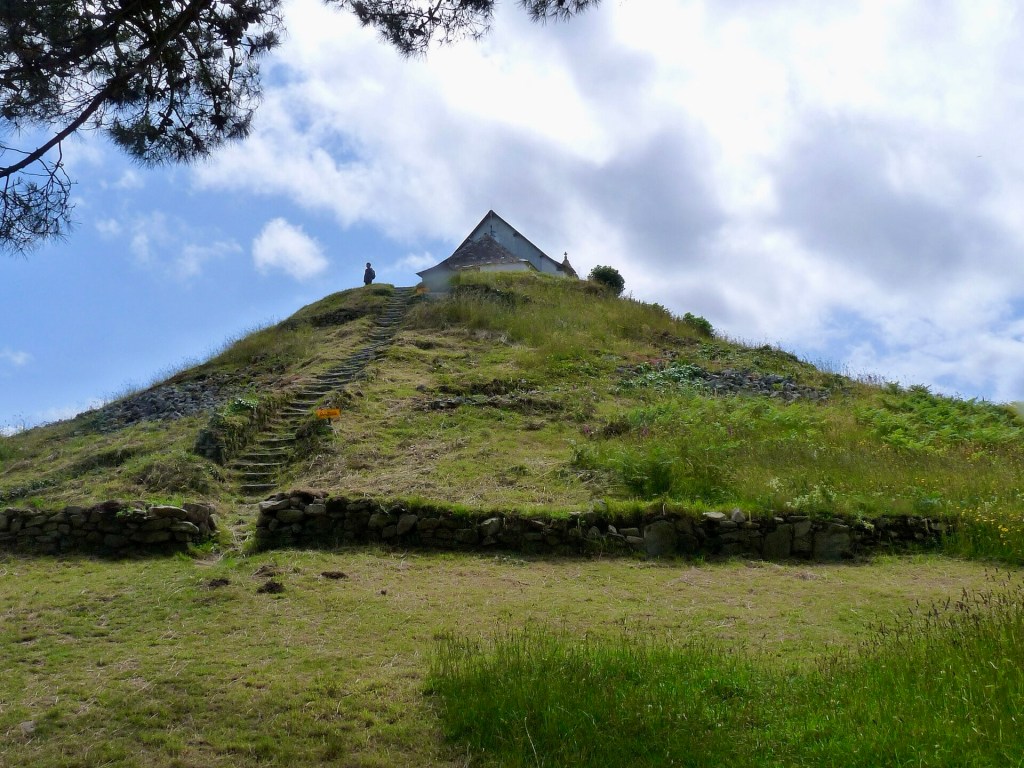
At one time Brittany was known as ‘Little Britain’ as opposed to Great Britain, due to its location (bordered by the English Channel) and the Celtic origins. Brittany is the site of some of the world’s oldest standing architecture.
The word Brittany, along with its French, Breton and Galloequivalents Bretagne, Breizhand Bertaèyn, derive from the LatinBritannia, which means “land of the Britons“.

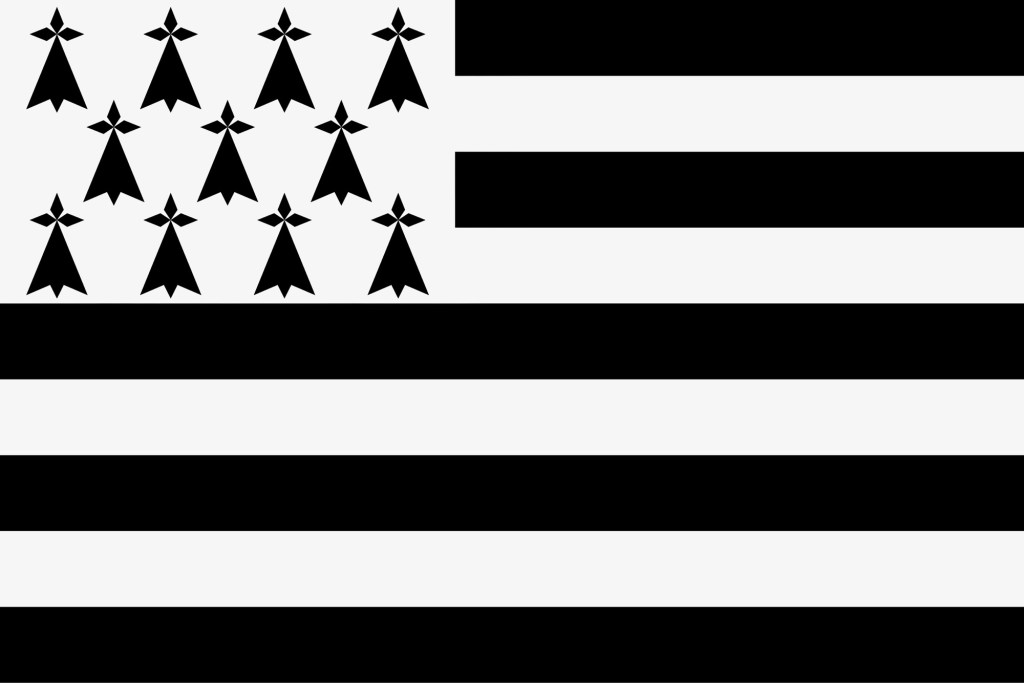
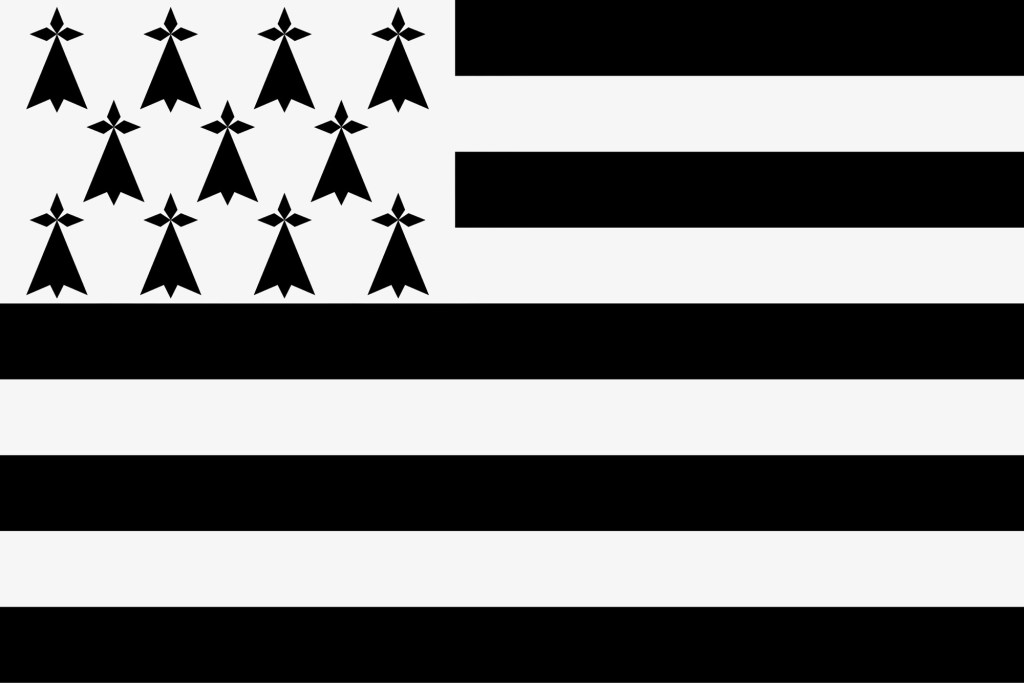
The flag is called the Gwenn-ha-du([ɡwɛnaˈdyː]), which means white and black, in Breton (French: blanc et noir). The flag was designed in 1923 by Morvan Marchal.

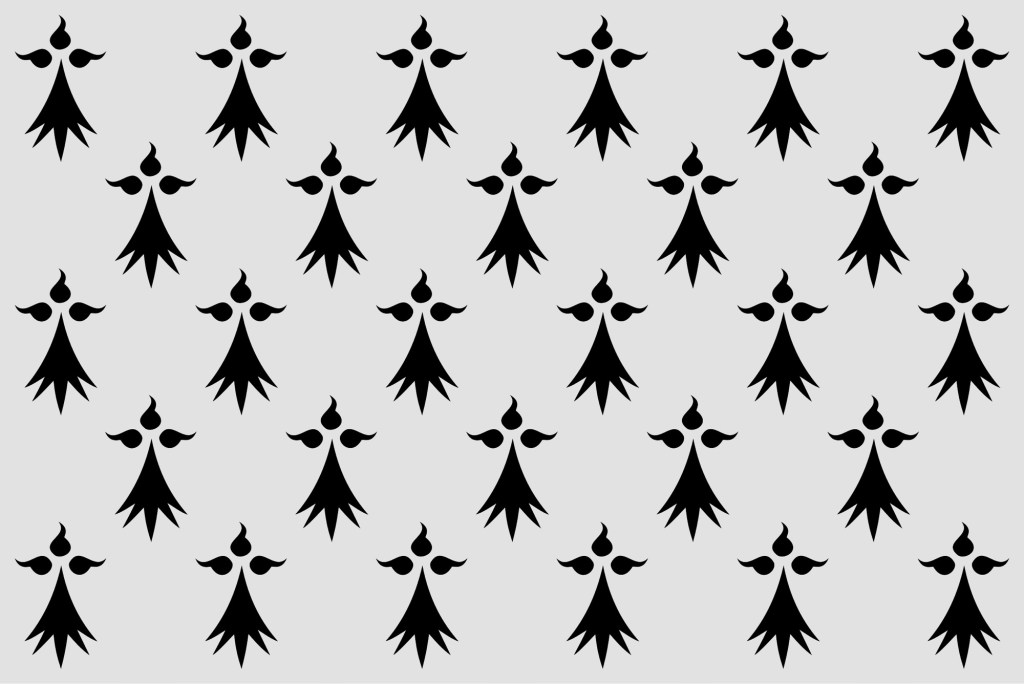
Marshal used the flag of the United States as his inspiration, seen as a symbol of freedom. The nine horizontal stripes represent the traditional dioceses of Brittany into which the duchy was divided historically. The five black stripes represent the French or Gallo speaking dioceses of Dol, Nantes, Rennes, Saint-Malo and Saint-Brieuc; the four white stripes represent the Breton-speaking diocesesof Trégor, Léon, Cornouaille and Vannes. The erminecanton recalls the arms of the Duchy of Brittany.
 deliriouslove1970. The life & times of Gary and Denise Flanders. (Free and worth every penny. If you would like to compliment the editor, send to garytheflan@deliriouslove1970.com. If you would like to complain, call your mother.)
Leave a comment