

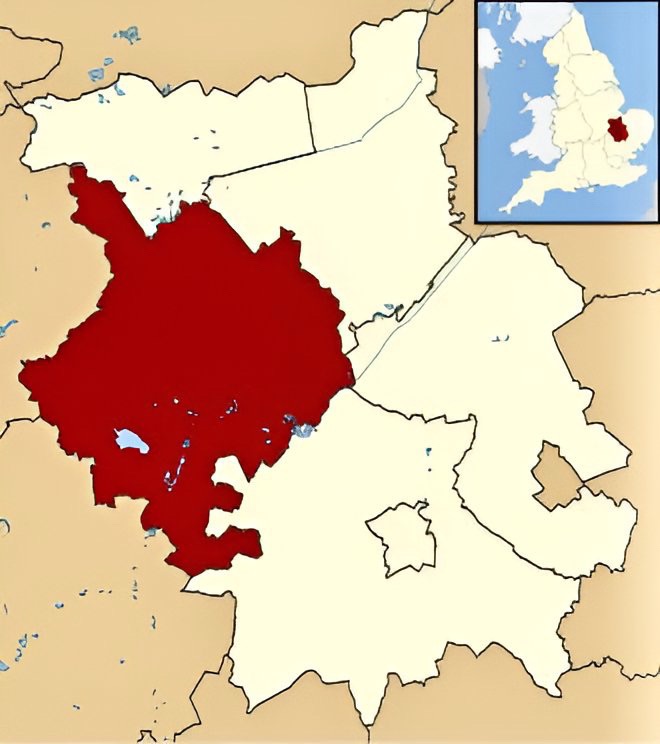
“Huntingdonshire(/ˈhʌntɪŋdənʃər, -ʃɪər/; abbreviated Hunts) is a local government district in Cambridgeshire, England, which was historically a county in its own right. It borders Peterborough to the north, Fenland to the north-east, East Cambridgeshire to the east, South Cambridgeshire to the south-east, Central Bedfordshire and Bedford to the south-west, and North Northamptonshire to the west. Huntingdonshire, along with Peterborough, Fenland and East Cambridgeshire, serves as the area of land between The Midlands and East Anglia and is often considered to carry a mixed identity for this reason. It is also sometimes considered an informal county.”
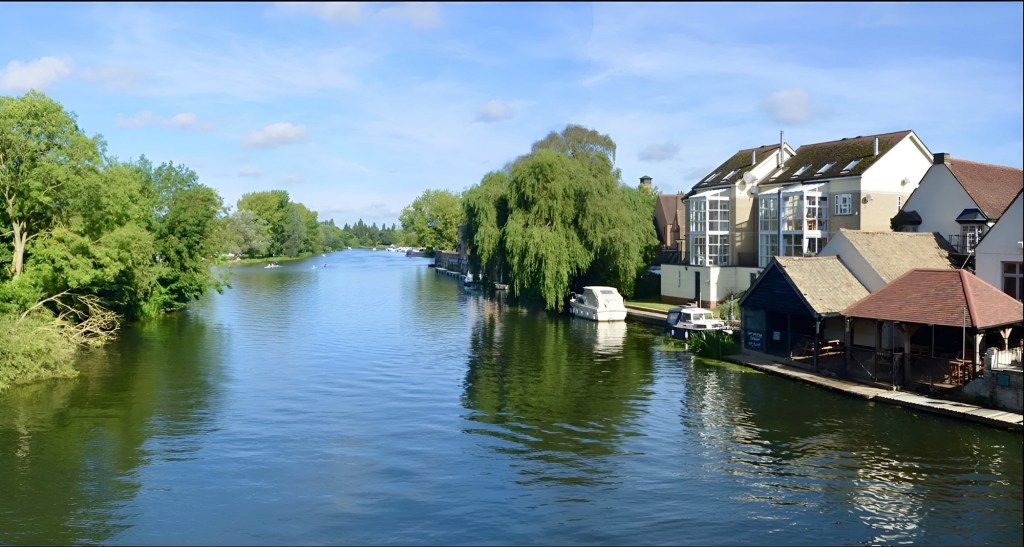
“In prehistoric times the county consisted mostly of dense woods and marshland and was thinly populated. During the Roman occupation the clay uplands were cleared and settled, and towns were established at Godmanchester and Chesterton. Little is known about the settlement of the county by Angles or Saxons during the early Middle Ages, but invading Danes established a headquarters in the town of Huntingdon in the 9th century. During the 10th century the English reconquered the area. Many medieval abbeys (now in ruins) were established within or adjacent to the former marshlands, which were drained and brought under cultivation by the 18th century. Old (mostly medieval) stone bridges still in use attest to the historic importance of the towns of St. Ives, St. Neots, and adjacent Huntingdon and Godmanchester”

Perhaps the most famous citizen of Huntingdonshire is Oliver Cromwell. “Oliver Cromwell (25 April 1599 – 3 September 1658) was an English statesman, politician, and soldier, widely regarded as one of the most important figures in British history. He came to prominence during the Wars of the Three Kingdoms, initially as a senior commander in the Parliamentarian army and latterly as a politician. A leading advocate of the execution of Charles I in January 1649, which led to the establishment of the Commonwealth of England, he ruled as Lord Protector from December 1653 until his death in September 1658.”

Oliver is not to be confused with his Great Great Grand Uncle, Thomas Cromwell, who was the main minister to King Henry VIII. It was Thomas who influenced Henry to officially break with the Roman Catholic Church and declare the Anglican Church – the Church of England.

Sixty years after the death of Henry VIII, Oliver Cromwell became the important statesman for the Commonwealth. [The Cromwell name has an interesting history. Thomas Cromwell’s sister Katherine married a Welsh Lawyer named Morgan Williams – their son Richard Williams decided to take the name Cromwell to honor his famous Uncle, Thomas. Cromwell sounded better than Williams. Oliver was Richard’s Great Grandson. The practice of using the Cromwell name continued through generations.]
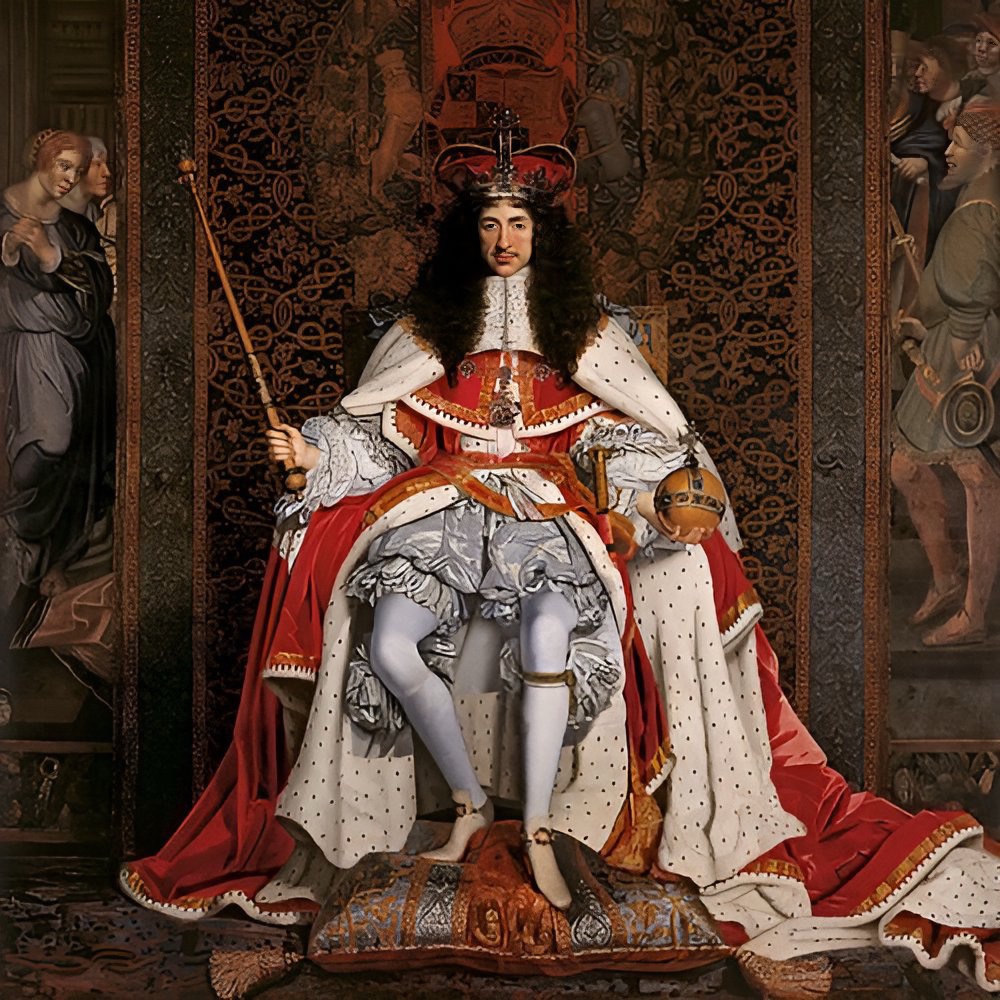
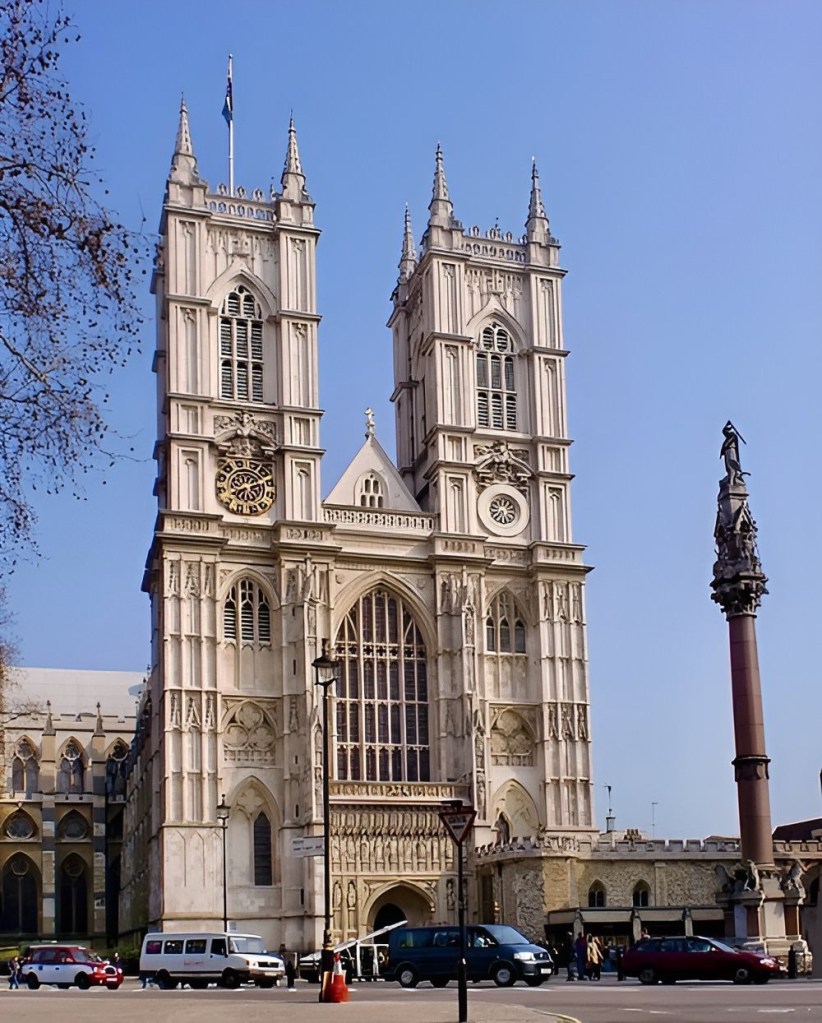
Oliver Cromwell was not without controversy. He pushed hard for the execution of King Charles I. After Cromwell’s death he was succeeded by Richard Cromwell who was a weak leader and this ushered in the Stuart Restoration and the crowning of Charles II. After the crowning Oliver Cromwell’s body was removed from Westminster Abbey and rehanged at Tyburn. His head was cut off and displayed on the roof of Westminster Hall until 1684. Winston Churchill described him as a military dictator while others view him as a hero. His brutality in the campaign in Ireland was horrific.
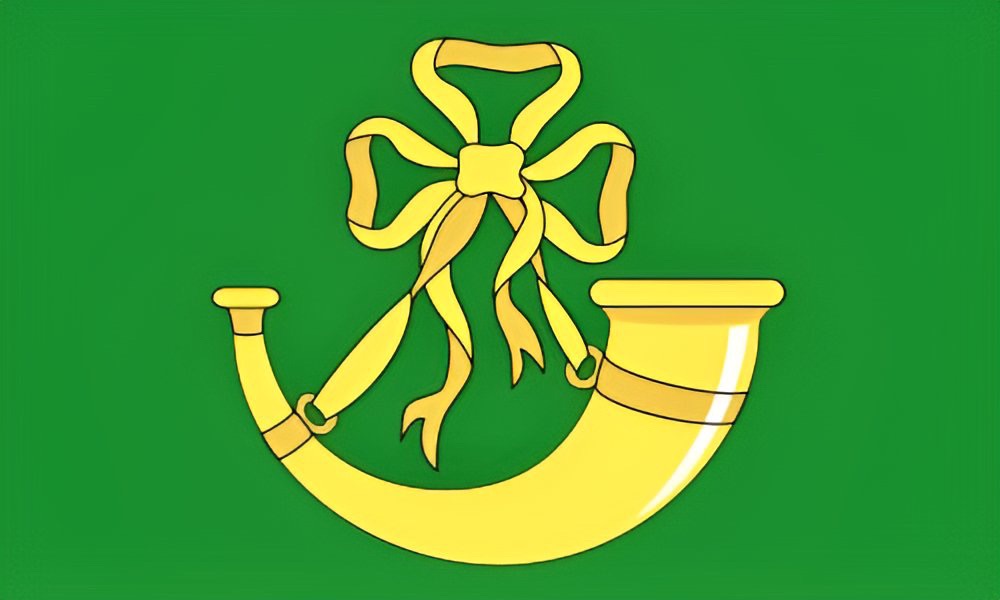
The flag was first proposed by the Huntingdonshire Society in 2007.
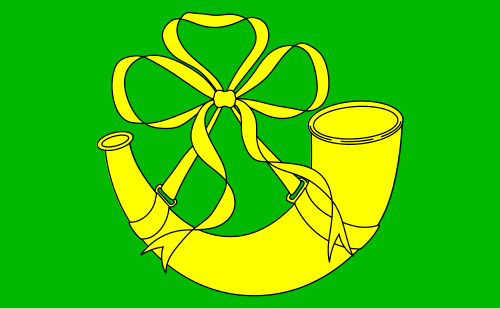
The basics of the original flag were contained in the arms which the College of Arms granted in 1937. This design was a ‘a green flag with a gold beribboned hunting horn.’ Graham Bertram, the Chief Vexillologist of the Flag Institute proposed alterations which the Huntingdonshire Society accepted.
 deliriouslove1970. The life & times of Gary and Denise Flanders. (Free and worth every penny. If you would like to compliment the editor, send to garytheflan@deliriouslove1970.com. If you would like to complain, call your mother.)
Leave a comment