

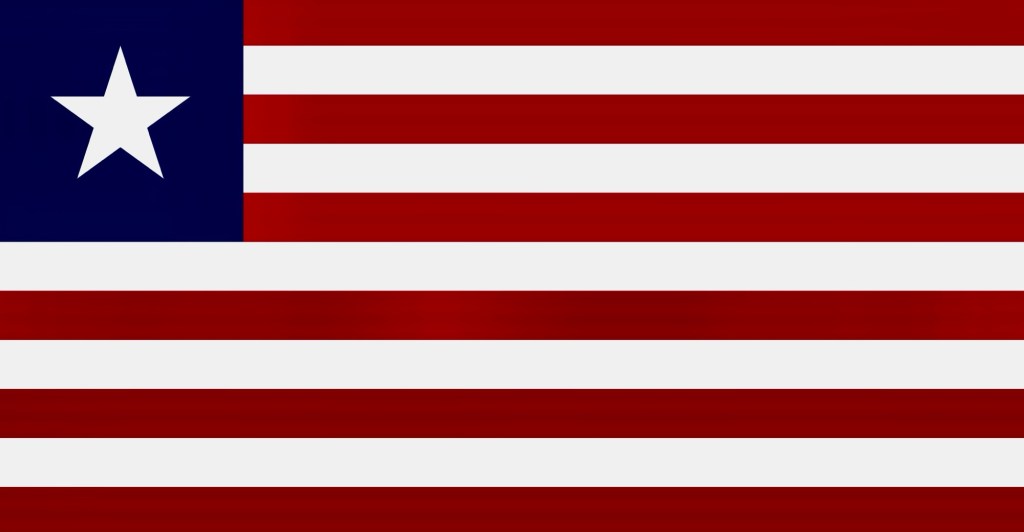
“Liberia (/laɪˈbɪəriə/) officially the Republic of Liberia, is a country on the West African coast. It is bordered by Sierra Leone to its northwest, Guinea to its north, Ivory Coast to its east, and the Atlantic Ocean to its south and southwest. It has a population of around 5.5 million and covers an area of 43,000 square miles (111,369 km2). The official language is English. Over 20 indigenous languages are spoken, reflecting the country’s ethnic and cultural diversity. The capital and largest city is Monrovia.”
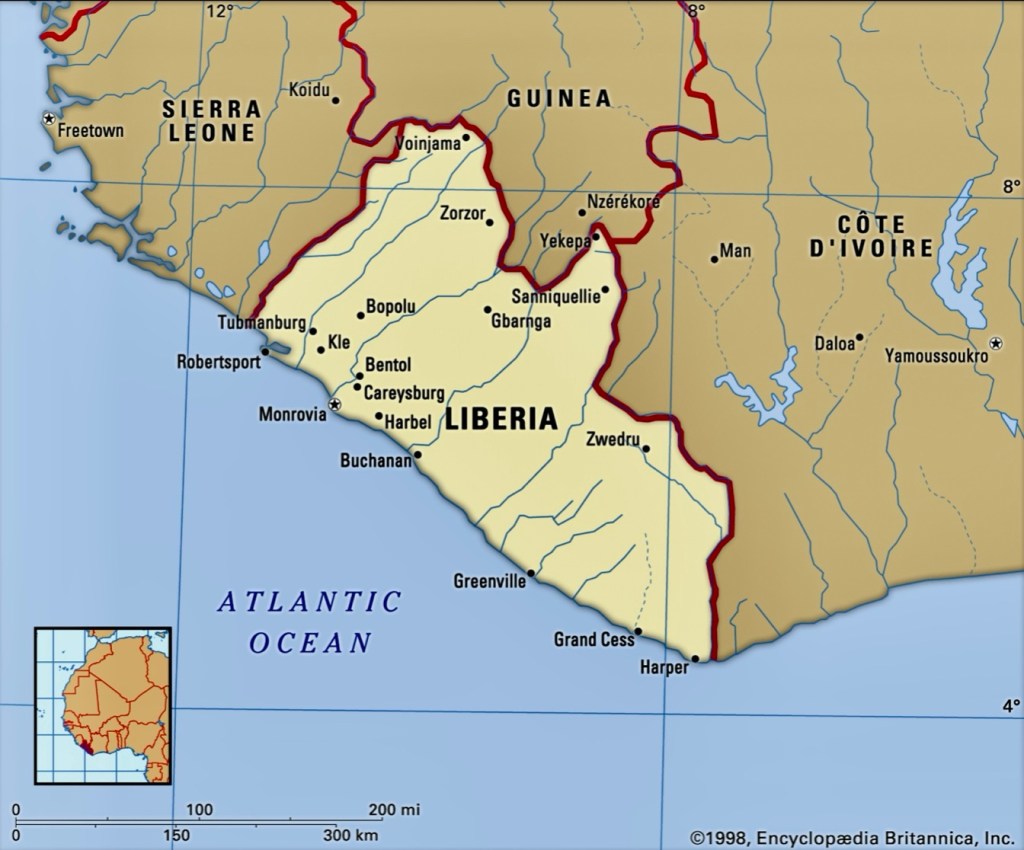
“Liberia began in the early 19th century as a project of the American Colonization Society (ACS), which believed black people would face better chances for freedom and prosperity in Africa than in the United States. Between 1822 and the outbreak of the American Civil War in 1861, more than 15,000 freed and free-born African Americans, along with 3,198 Afro-Caribbeans, relocated to Liberia. Gradually developing an Americo-Liberianidentity, the settlers carried their culture and tradition with them while colonizing the indigenous population. Led by the Americo-Liberians, Liberia declared independence on July 26, 1847, which the U.S. did not recognize until February 5, 1862.”

“The National Unification Day is a national holiday that also has another name as the “Integration day”. This day marks Liberia’s Unification and Integration Policy, which aims at tackling political, social, and economic disparities in the country”
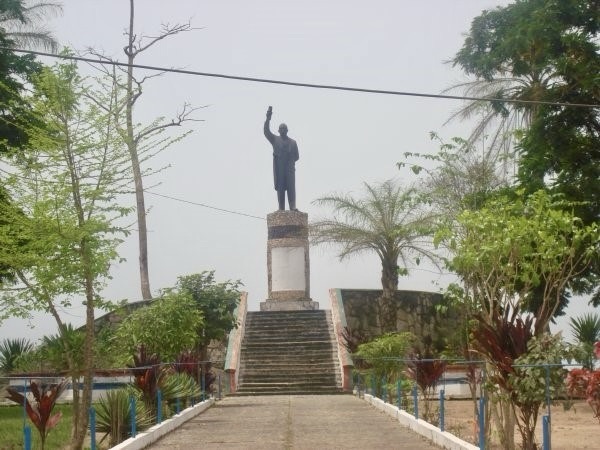
“In Liberia’s national history, the country has once faced animosity between the Americo-Liberian elite and the indigenous majority. Moreover, this contradiction was the most pressing issue for the Liberian public. Accordingly, the country was badly devastated by two consecutive civil wars between 1989 and 2003 due to this social problem.
Thus, the unification and integration in Liberia have great significance to the nation and also its citizens. To cope with the historical conflict, successive presidents of Liberia have been making tremendous efforts. The most influential and pioneering success in history took place under the leadership of President William V. S. Tubman, who led from 1944 to 1971. During that period, the divide between these two groups was diminished.”
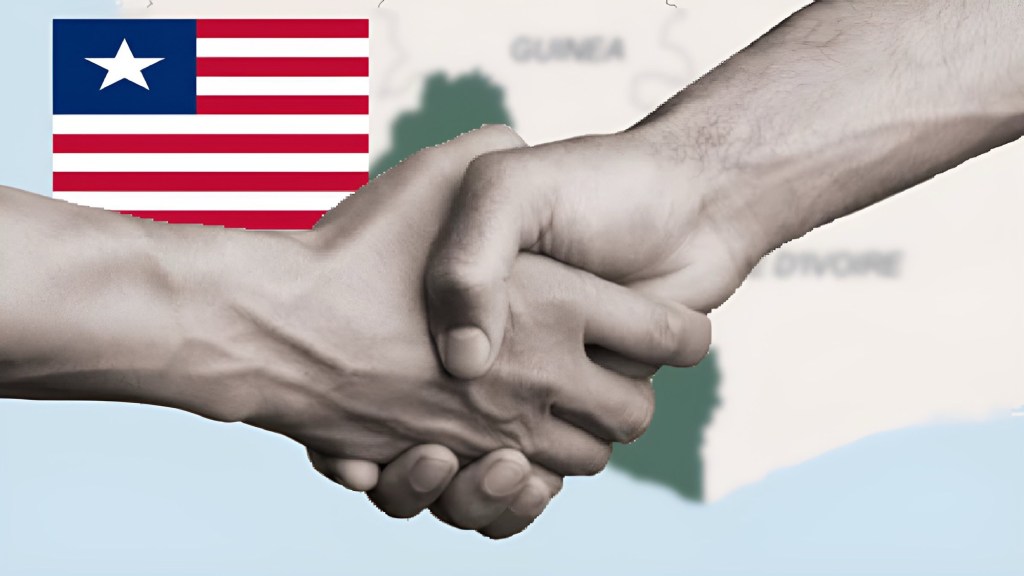
To build a national identity, the Legislature of Liberia passed an Act in the 1959/1960 Session declaring the 14th Day of May of Each Year as National Unification Day of the Republic of Liberia. The day reminds Liberians to remember what they hold in common and not to dwell on how they diverge.
 deliriouslove1970. The life & times of Gary and Denise Flanders. (Free and worth every penny. If you would like to compliment the editor, send to garytheflan@deliriouslove1970.com. If you would like to complain, call your mother.)
Leave a comment