
I was born five years after the end of World War II. It was in the middle of the time when the USA began its obsession with determining who were the good guys and who were the bad guys. Occasionally subtle, but mostly overtly, it was ‘hammered’ into me that I must fear Russia.

After Russia ‘we’ were on a roll to find new bad guys who represented a threat to something…I’m not sure what. Incredibly stupid mistakes were made and thousands of lives were lost all in service to whoever the bad guy de jour seemed to be.
We were just told who to fear. We were not encouraged to study the bad guys, let alone meet any real people. So we find ourselves in the situation where we have the new boogie man: China.
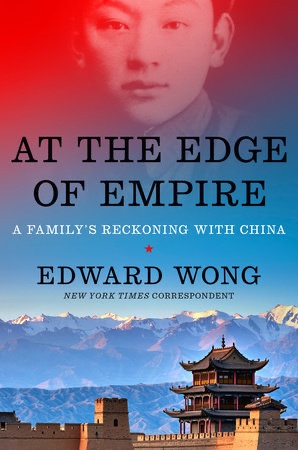
Denise and I have not only met Chinese people but have loved and been deeply loved by Chinese people. Why wouldn’t we want to learn more about their lives? A fascinating book about modern China is my reading material right now. And, why wouldn’t I want to understand what a holiday like ‘Youth Day’ is all about?
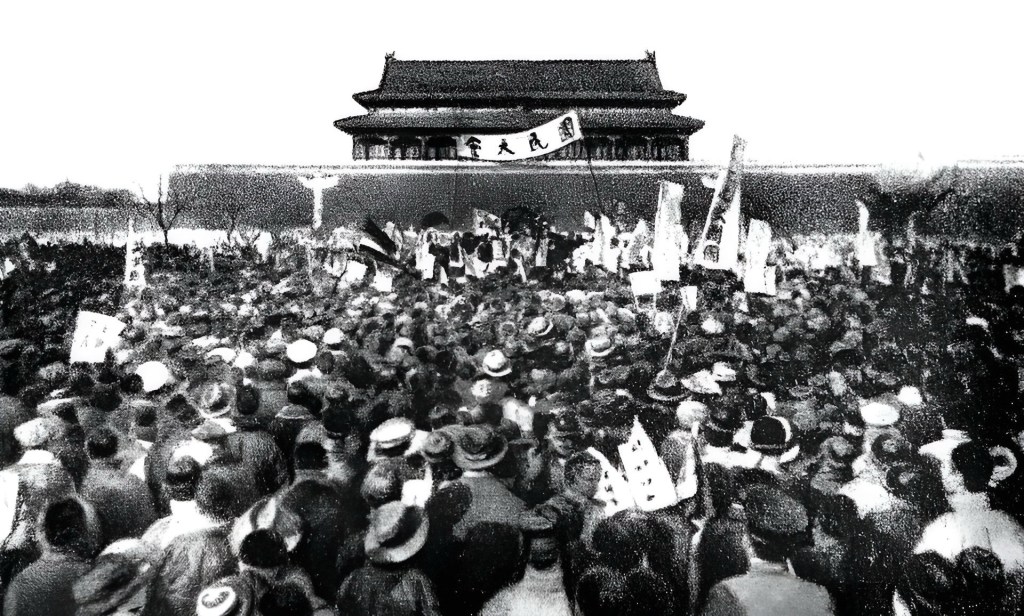
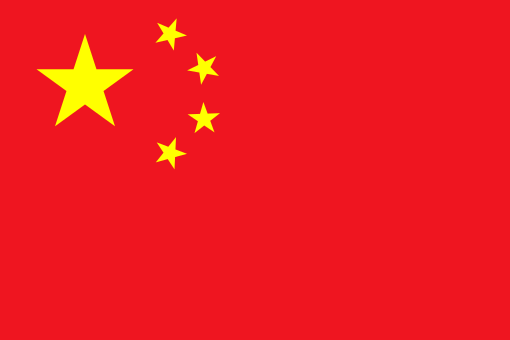
Youth Day (Chinese: 五四青年节) is a holiday celebrated annually on May 4 in the People’s Republic of China, in honor of young people aged 14 and older. It was established to commemorate the 1919 May Fourth Movement.
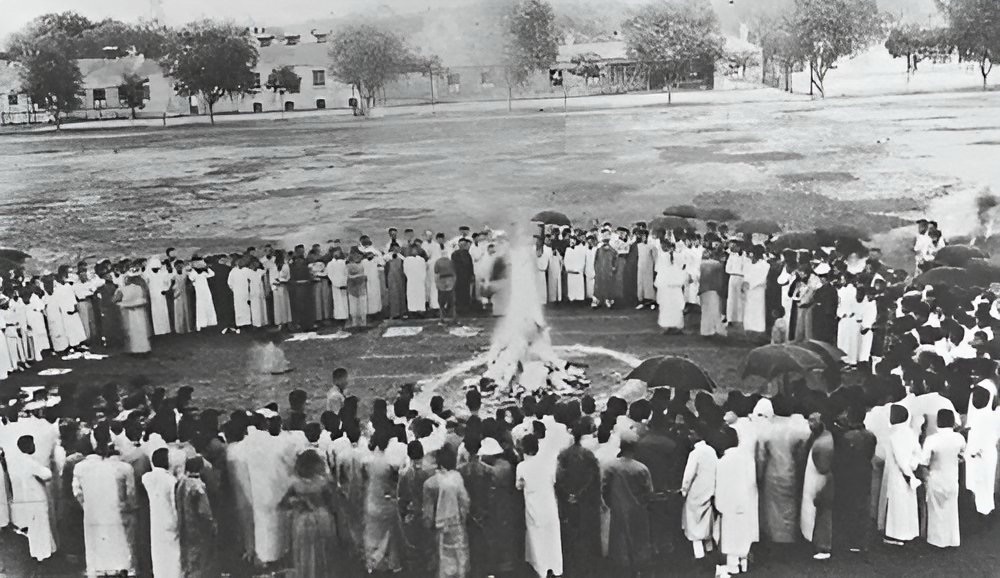
“The May Fourth Movementwas a Chinese cultural and anti-imperialist political movement which grew out of student protests in Beijing on May 4, 1919. Students gathered in front of Tiananmento protest the Chinese government‘s weak response to the Treaty of Versaillesdecision to allow the Empire of Japan to retain territories in Shandong that had been surrendered by the German Empire after the Siege of Tsingtao in 1914. The demonstrations sparked nationwide protests and spurred an upsurge in Chinese nationalism, a shift towards political mobilization, away from cultural activities, and a move towards a populist base, away from traditional intellectual and political elites”
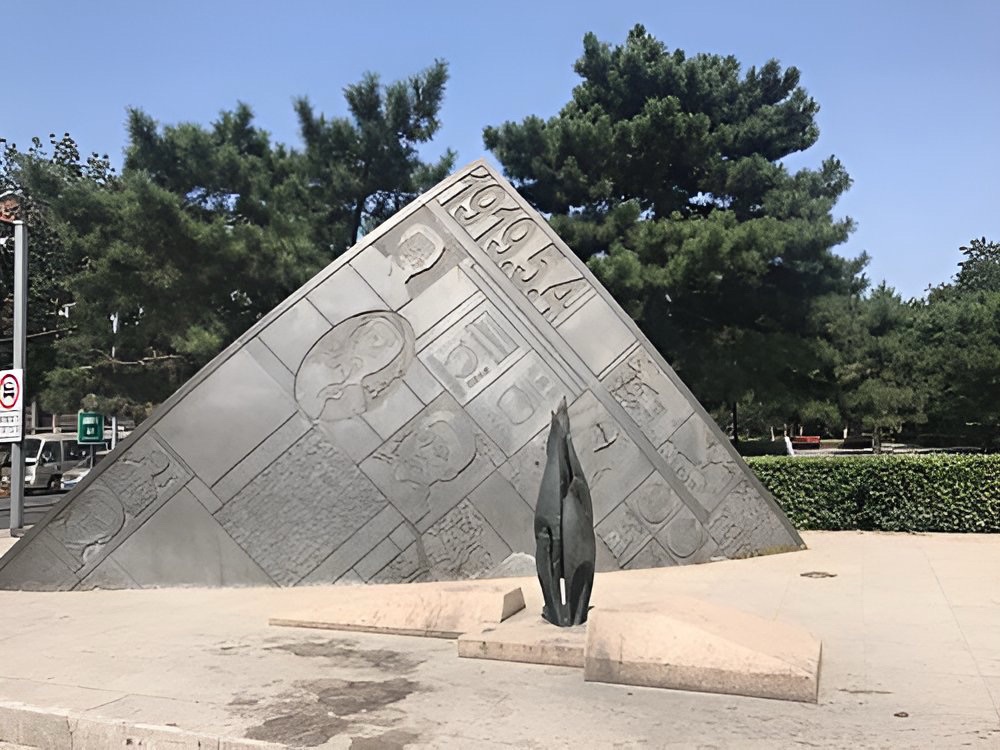
Therefore it was students protesting and saying to the leaders: ‘What Japan did to our country in World War II was so horrific and their attempt at keeping land they took is not acceptable therefore your agreement in this treaty is unacceptable.’ Basically the leadership, even Mao, said, ‘the kids are right.’
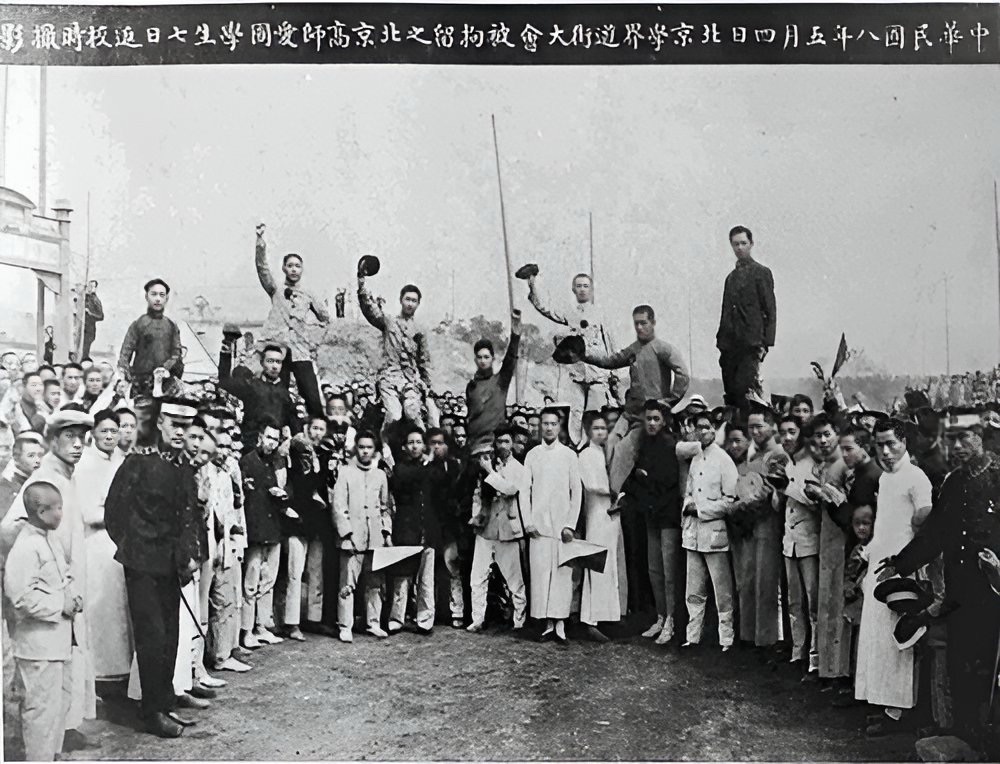
Protests continued in the days after May 4 with police, workers and citizens joining with the kids. The holiday commemorating the May 4th movement went in and out of style with its final name being changed to ‘Youth Day.’ At one time all citizens between 14 and 18 were given the day off from all responsibilities, it was settled that it would be a half day. The May 4th Movement is called a significant turning point for modern China.
 deliriouslove1970. The life & times of Gary and Denise Flanders. (Free and worth every penny. If you would like to compliment the editor, send to garytheflan@deliriouslove1970.com. If you would like to complain, call your mother.)
Leave a comment