
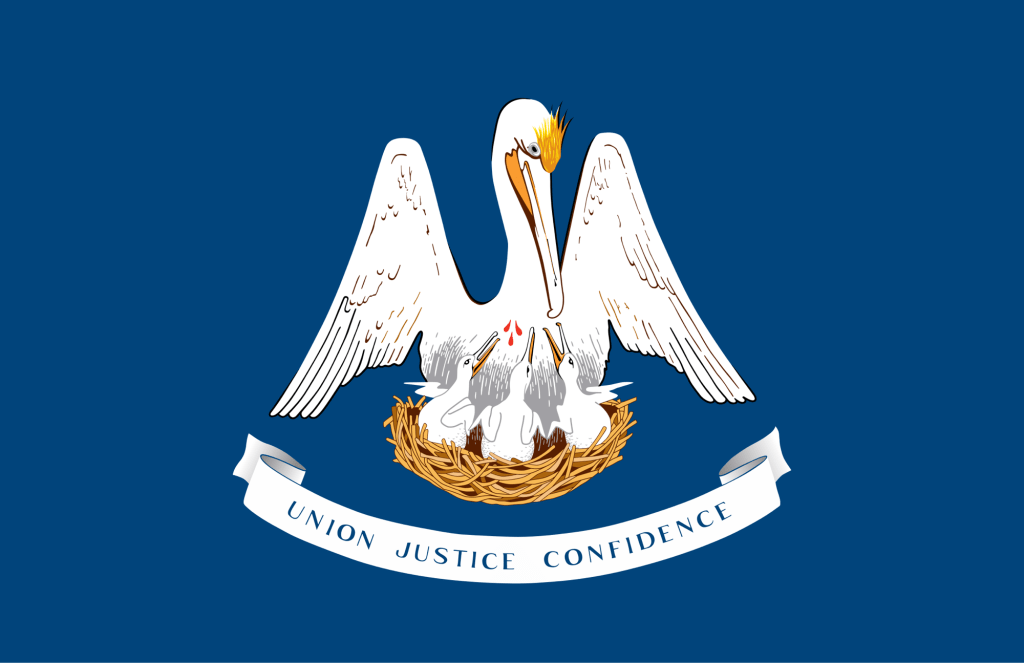
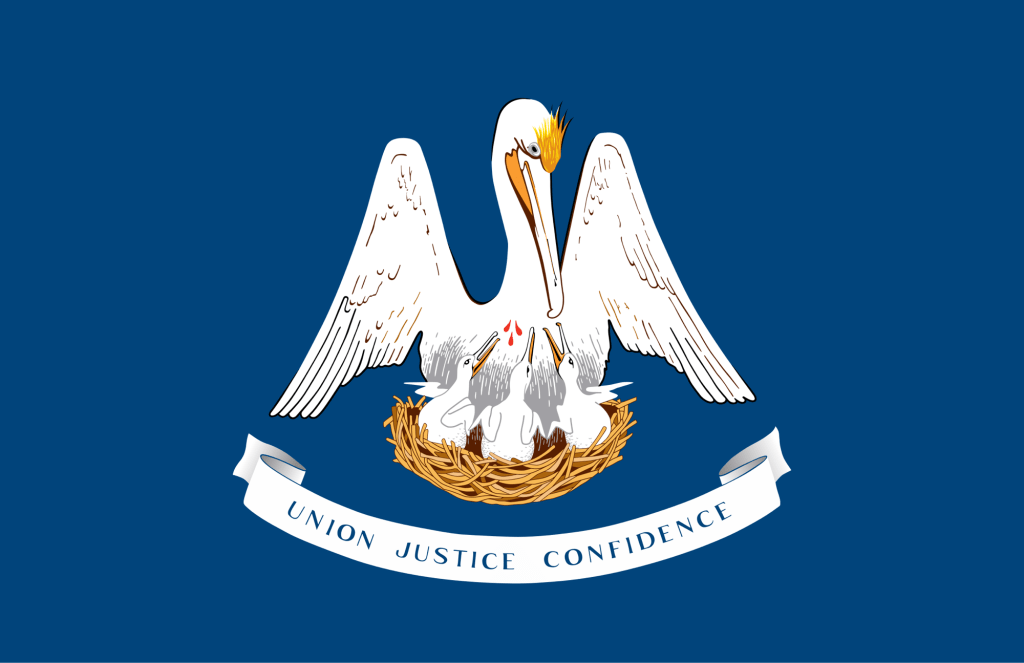
Louisiana[pronunciation French: Louisiane[lwizjan] Spanish: Luisiana[lwiˈsjana]; Louisiana Creole: Lwizyàn) is a state in the Deep South and South Central regions of the United States. It borders Texas to the west, Arkansas to the north, and Mississippi to the east.
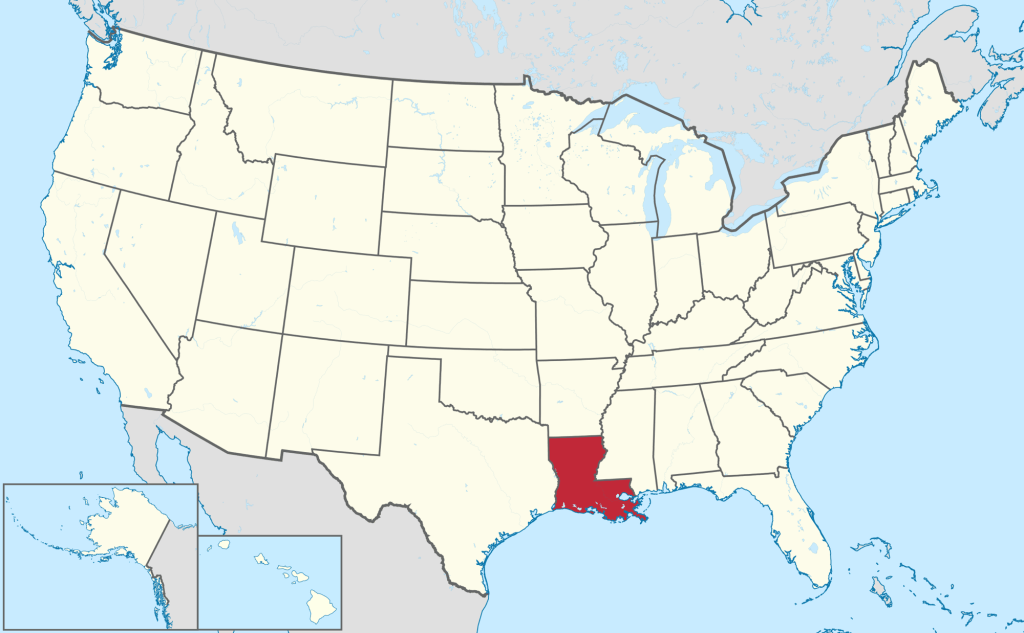
Reflecting its French heritage, Louisiana is the only U.S. state with political subdivisions termed parishes, which are equivalent to counties, making it one of only two U.S. states not subdivided into counties (the other being Alaskaand its boroughs). Baton Rouge is the state’s capital, and New Orleans, a French Louisiana region, is its largest city with a population of about 383,000 people. Louisiana has a coastline with the Gulf of Mexico to the south; a large part of its eastern boundary is demarcated by the Mississippi River.
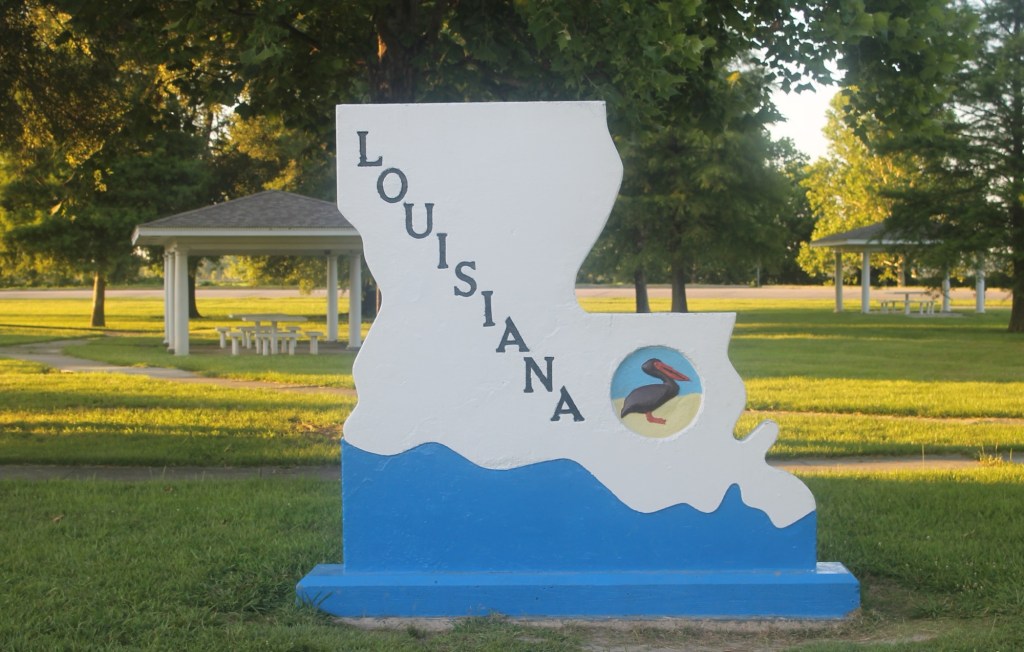
“The history of the area that is now the U.S. state of Louisiana, can be traced back thousands of years to when it was occupied by indigenous peoples. The first indications of permanent settlement, ushering in the Archaic period, appear about 5,500 years ago. “
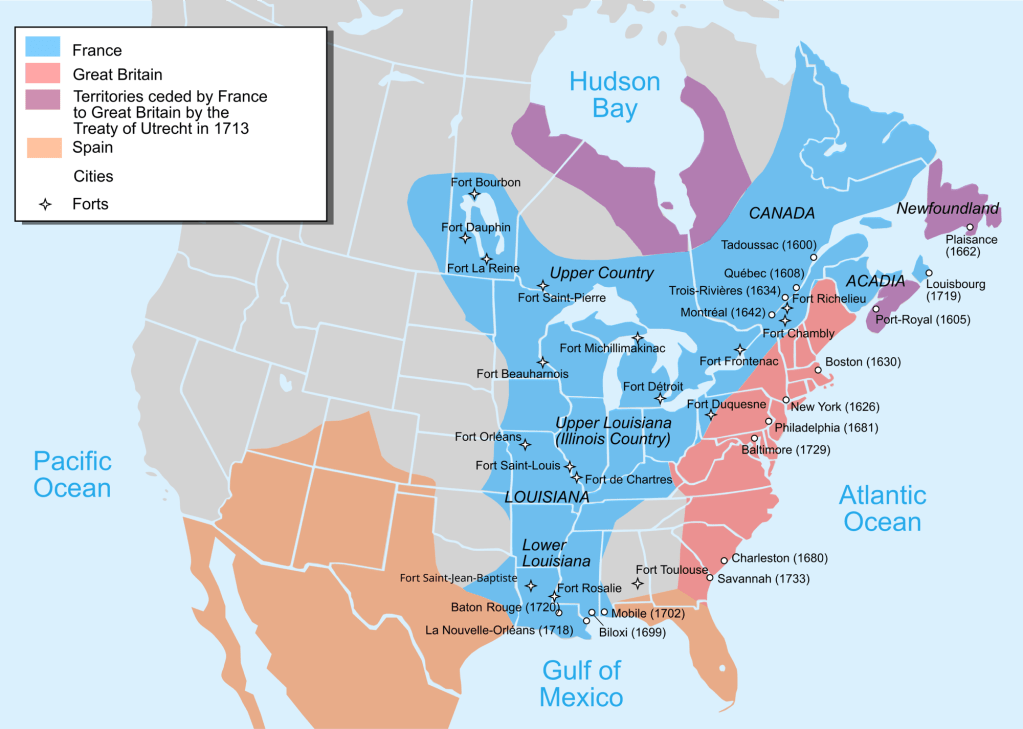
“The French colony of Louisiana originally claimed all the land on both sides of the Mississippi River and north to French territory in Canada around the Great Lakes. A royal ordinance of 1722—following the transfer of the Illinois Country‘s governance from Canada to Louisiana—may have featured the broadest definition of the region: all land claimed by France south of the Great Lakes between the Rocky Mountainsand the Alleghenies
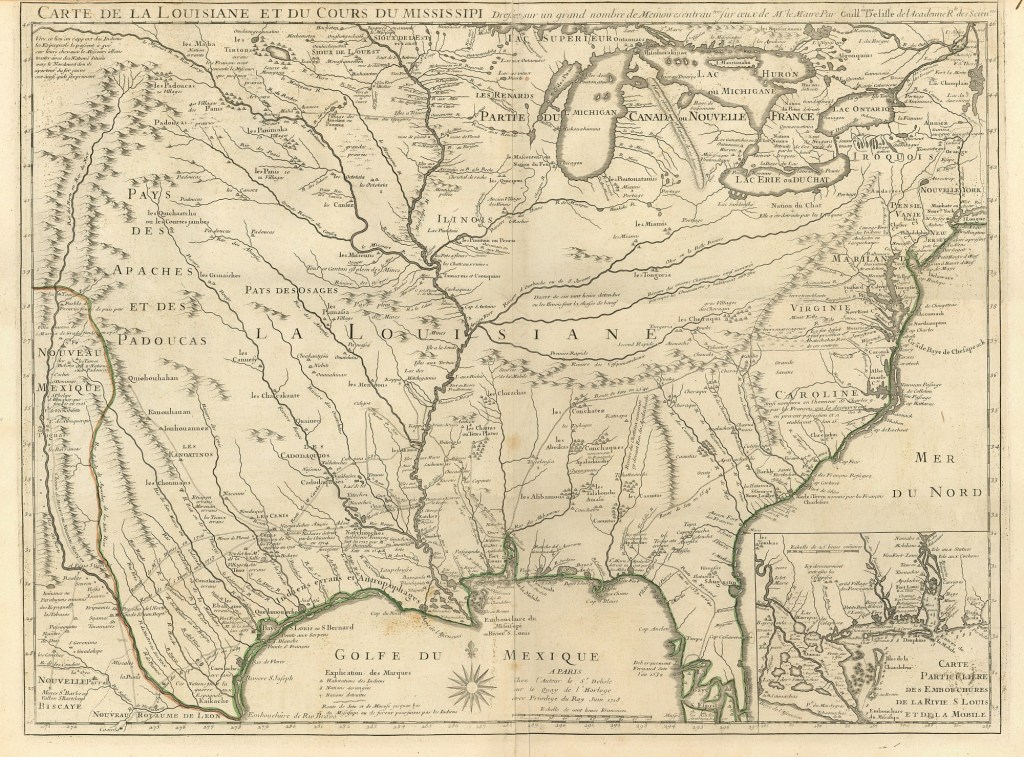
“European influence began in the 1500s, and La Louisiane (named after Louis XIV of France) became a colony of the Kingdom of France in 1682, before passing to Spain in 1763.”
“France ceded most of its territory east of the Mississippi to the Kingdom of Great Britain after its defeat in the Seven Years’ War. The area around New Orleans and the parishes around Lake Pontchartrain, along with the rest of Louisiana, became a possession of Spain after the Seven Years’ War by the Treaty of Paris of 1763.”
“In 1800, France’s Napoleon Bonaparte reacquired Louisiana from Spain in the Treaty of San Ildefonso, an arrangement kept secret for some two years. Documents have revealed that he harbored secret ambitions to reconstruct a large colonial empire in the Americas. This notion faltered.”
Louisiana became part of the Louisiana Purchase from France in 1803.”
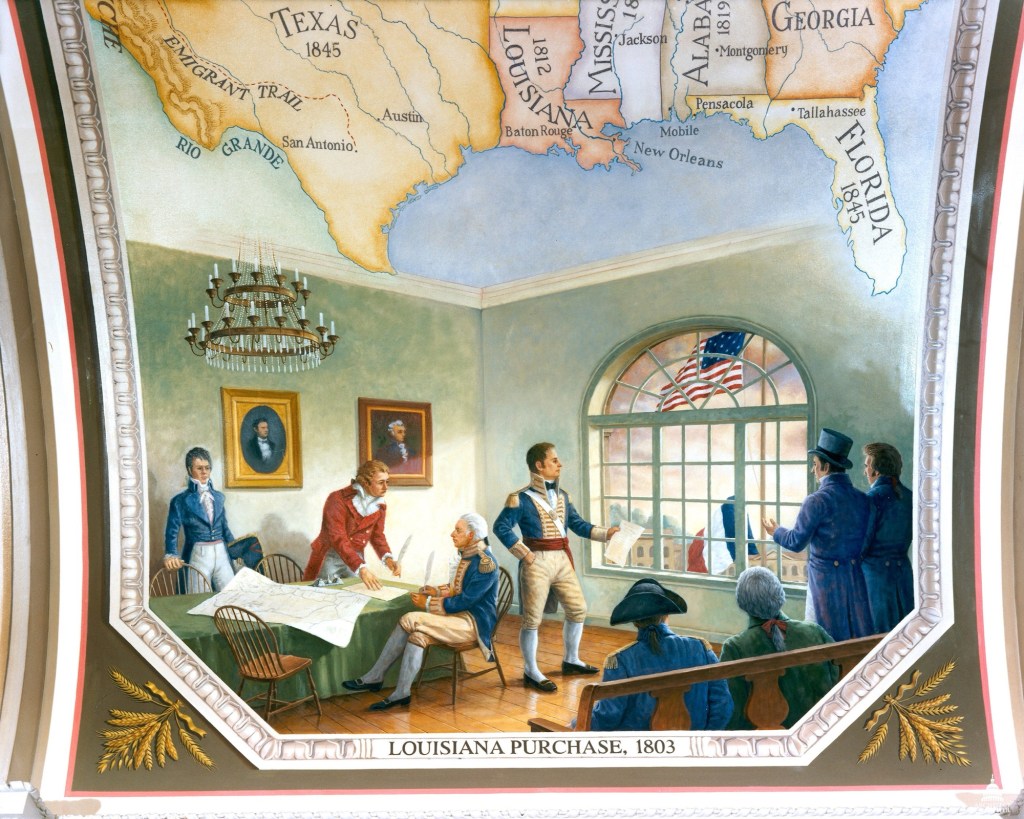

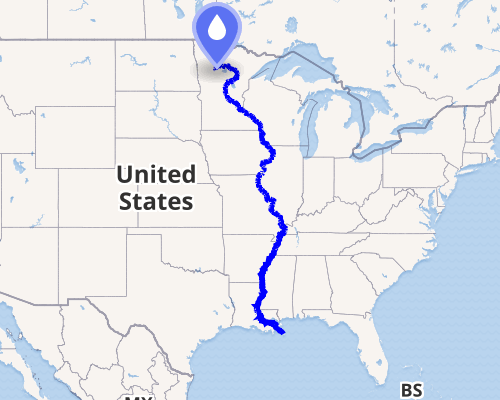
The issue that was foremost to Louisiana becoming a state was slavery. Would it be a free state or a slave state? It was neutral for a while then became a slave state. By 1840 it had the biggest slave market in the United States. New Orleans was one of the wealthiest cities in the country, and the third largest city in the country. The one constant always in play was its boarder of the Mississippi River.

After some debate, the House and Senate passed an act approving Louisiana’s statehood. President James Madison signed the legislation on April 8, 1812 which designated April 30, 1812 as the day of formal admission into the Union. April 30 was significant: on that day in 1803 Robert Livingston and James Monroe signed the Louisiana Purchase Treaty and Conventions in Paris, France. Interestingly there is a printing error on this copy of the bill—the bill number was H.R. 88, not 87 as is printed at the top of the document

 deliriouslove1970. The life & times of Gary and Denise Flanders. (Free and worth every penny. If you would like to compliment the editor, send to garytheflan@deliriouslove1970.com. If you would like to complain, call your mother.)
Leave a comment