

“Saint George (Ancient Greek: Γεώργιος, Geṓrgios; died 23 April 303), also known as George of Lydda, was an early Christian martyr who is venerated as a saint in Christianity. According to holy tradition, he was a soldier in the Roman army. Of Cappadocian Greek origin, he became a member of the Praetorian Guard for Roman emperorDiocletian, but was sentenced to death for refusing to recant his Christian faith. He became one of the most venerated saints, heroes, and megalomartyrs in Christianity, and he has been especially venerated as a military saint since the Crusades. He is respected by Christians, Druze, as well as some Muslims as a martyr of monotheistic faith. He is the patron saint of England.
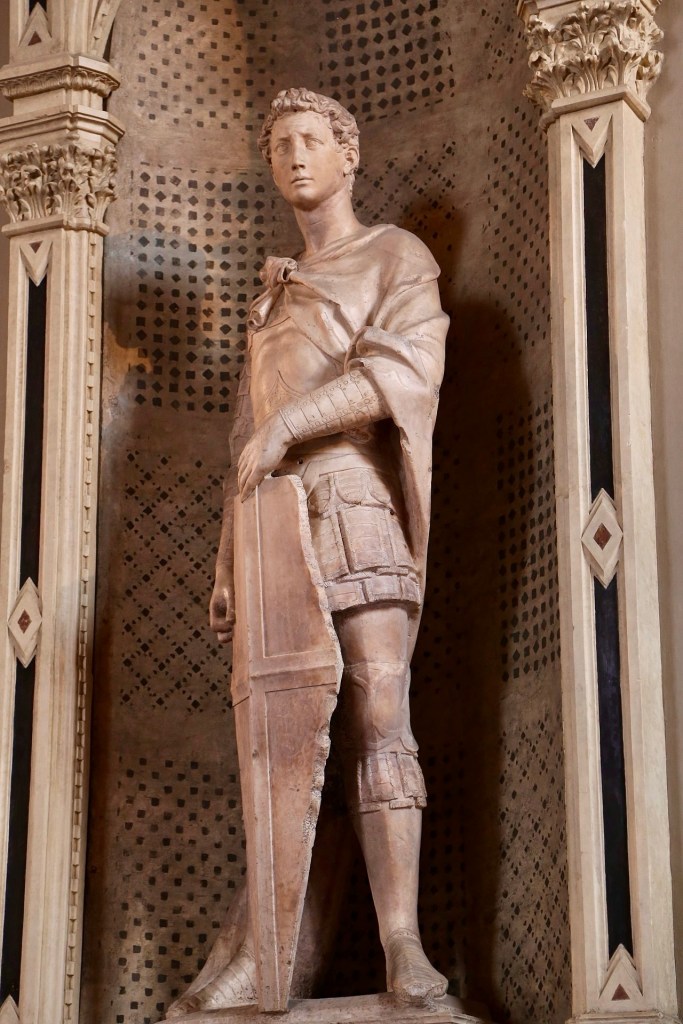
In legend, Saint George defeats a dragon at Dragon Hill, Uffington. The story goes that the dragon was extorting tribute from the villagers. When the village ran out of livestock and trinkets they started giving the dragon a human tribute every day. One day the princess herself was chosen as the next offering. As she was walking towards the dragon’s cave crying. St George shows up and the princess warns him that the dragon may might kill him too. George refused to flee and slays the dragon to rescue the princess.
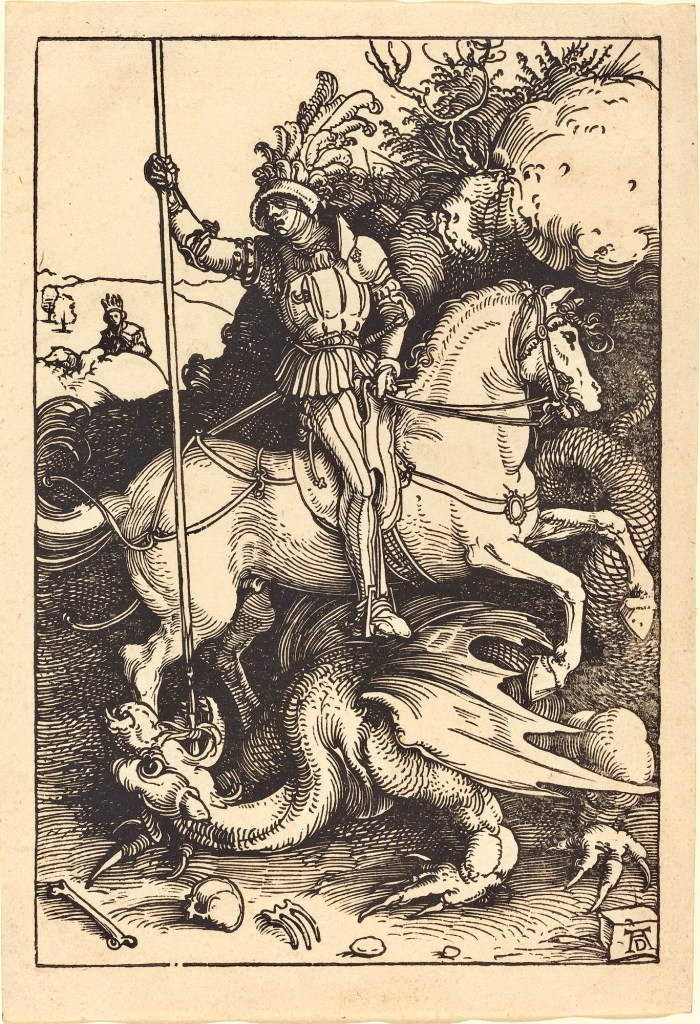


King Edward III, ruling from 1327 to 1377, was noted for his military success. In 1348 he established ‘The Most Order of The Garter’, still operational today, it is the most senior order of knighthood in the British honors system and he included the Red Cross of St George cementing it as a symbol of England.
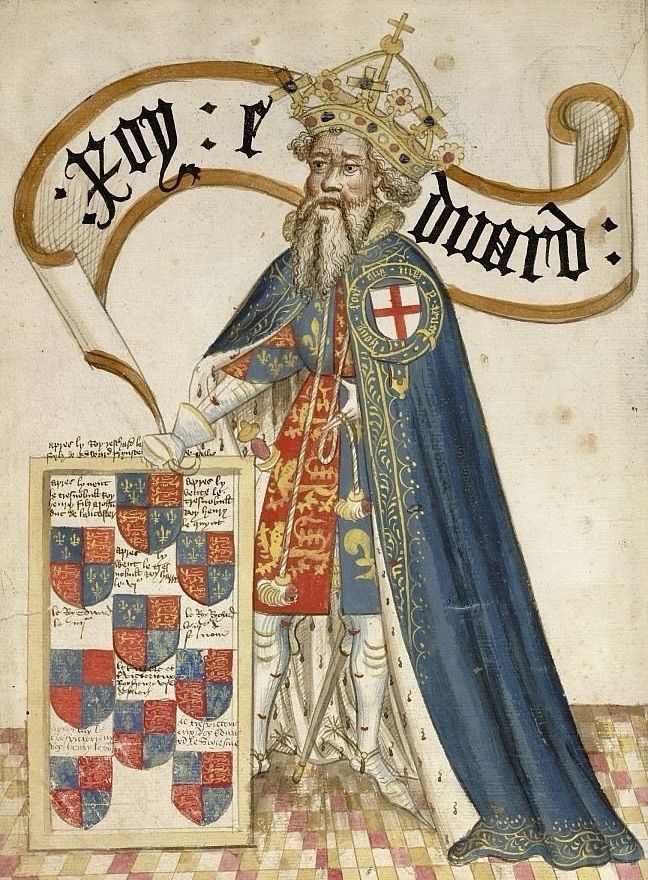

You see the Red Cross on each of these important symbols of England. It became known as the ‘Cross of St George.’ The cross and the image of St George continues to be relevant today.
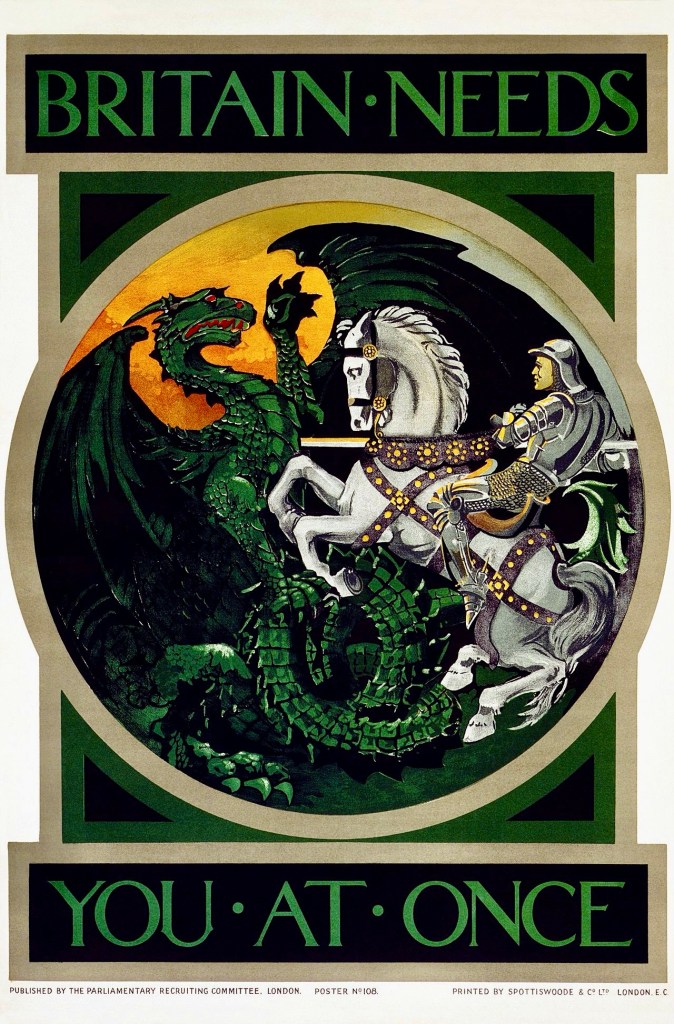
In the language of the United Kingdom, England is a constituent country within the United Kingdom. The UK is one country with four countries in it.

Each of those countries except for Northern Ireland has a flag. Since the 1990, the Red Cross flag of England has been widely used.





 deliriouslove1970. The life & times of Gary and Denise Flanders. (Free and worth every penny. If you would like to compliment the editor, send to garytheflan@deliriouslove1970.com. If you would like to complain, call your mother.)
Leave a comment