
“Caithness, historic county in extreme northern Scotland, facing the Atlantic Ocean and the Pentland Firth (which separates it from the Orkney Islands) on the north and the North Sea on the east. It contains Dunnet Head, the northernmost point in Great Britain, which juts into the Atlantic east of Thurso.”
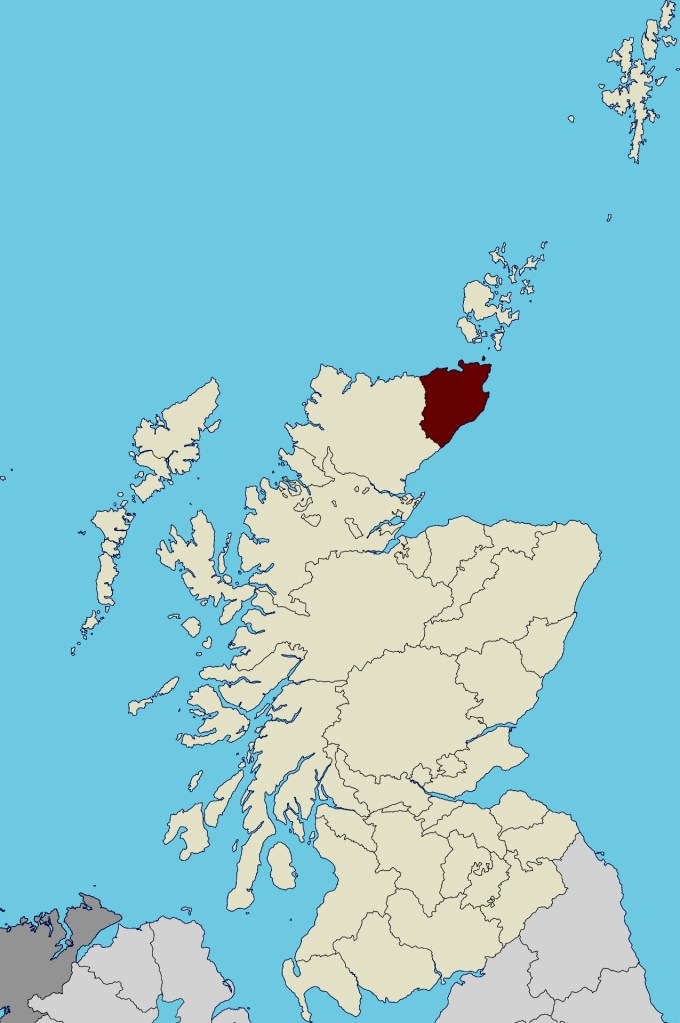

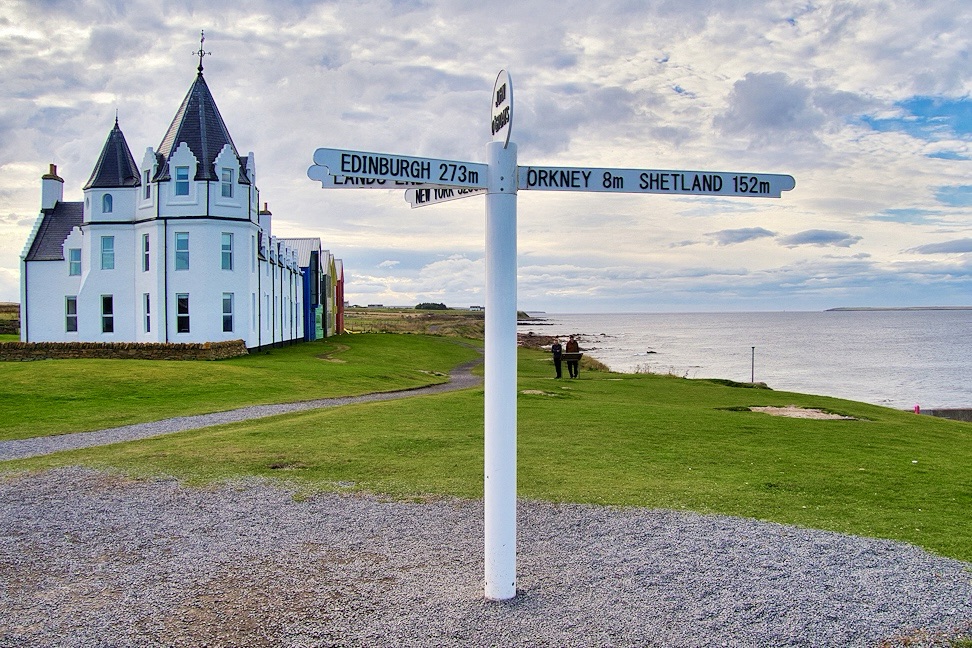
There are two towns, being Wick, which was the county town, and Thurso. The county includes the northernmost point of mainland Britain at Dunnet Head, and also the most north-easterly point at Duncansby Head near John o’ Groats. The Flow Country is the largest blanket bog in Europe, and covers a large inland area in the west of the county.
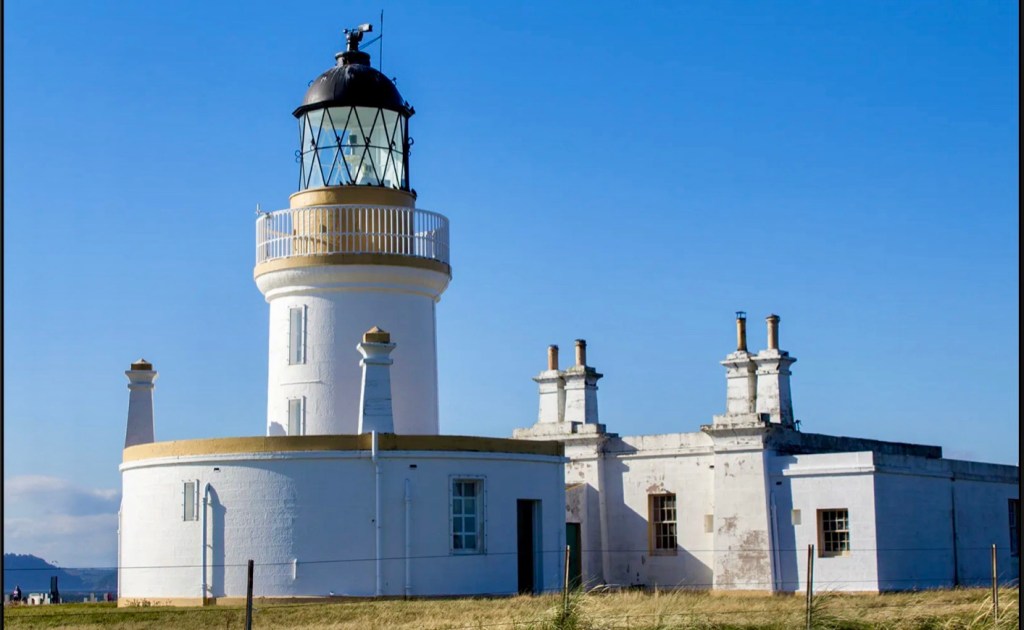
Caithness has an ancient history and was firmly a part of the Scottish Kingdom under William The lion. The ‘Caith’ of its name comes from the name of a Pictish tribe known as the Cat people, whose Kingdom of Cat covered what would become Caithness and parts of Sutherland. The Old Norse name means ‘headland’. The Gaelic name for Caithness, Gallaibh means ‘among the strangers.

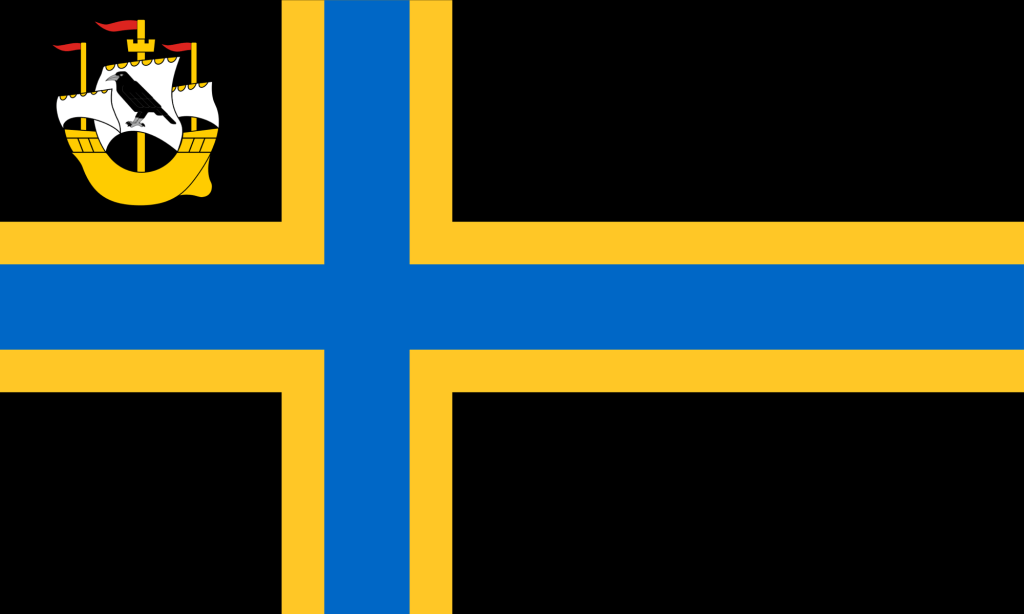
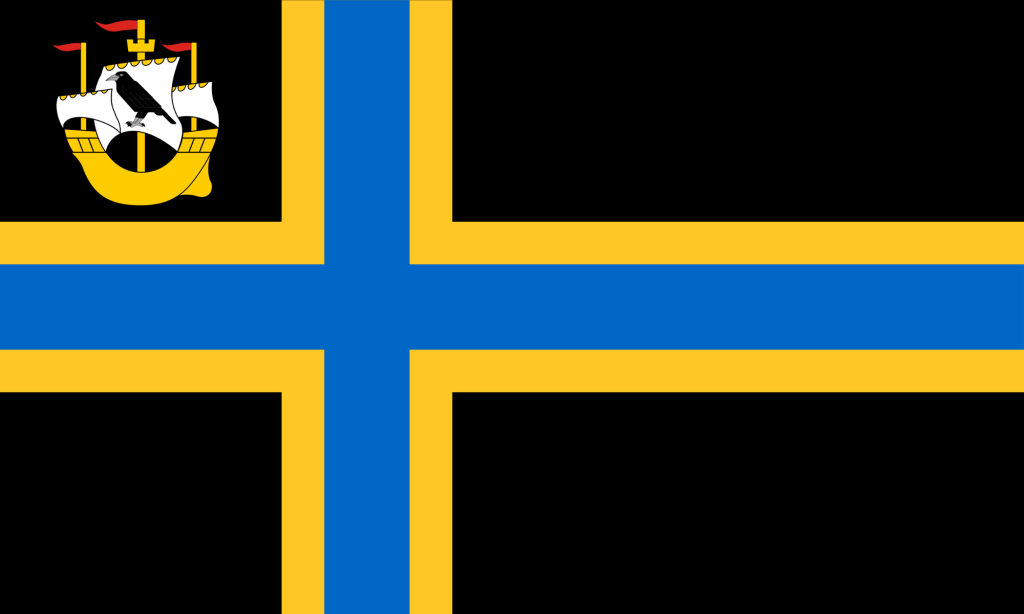
The flag became the official flag in 2016 after a competition arranged by the Highland Council. The winner was announced by the person known as ‘The Right Honourable the Lord Lyon King of Arms’
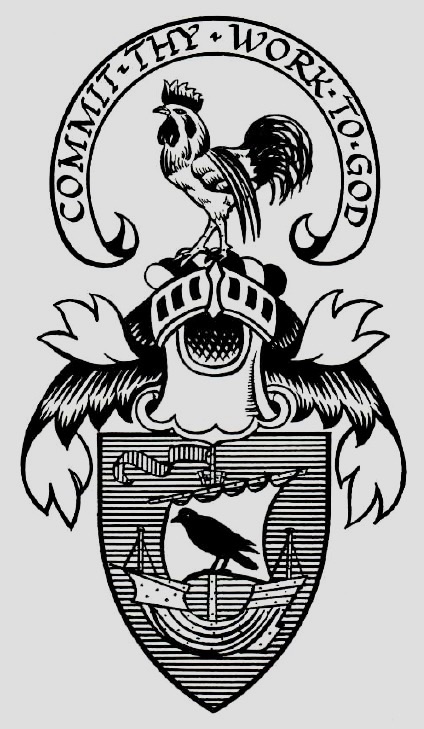
“The Nordic cross on the flag design symbolises the ancient ties of the county to the Vikings. The black recalls the county’s geology with the famous Caithness flagstone, while the gold and blue allude to the beaches and sea reinforcing the maritime nature of the county and its heritage. The traditional emblem of Caithness, a galley, is placed in the first quarter, with a raven upon its sail as it appears in the county’s civic arms.
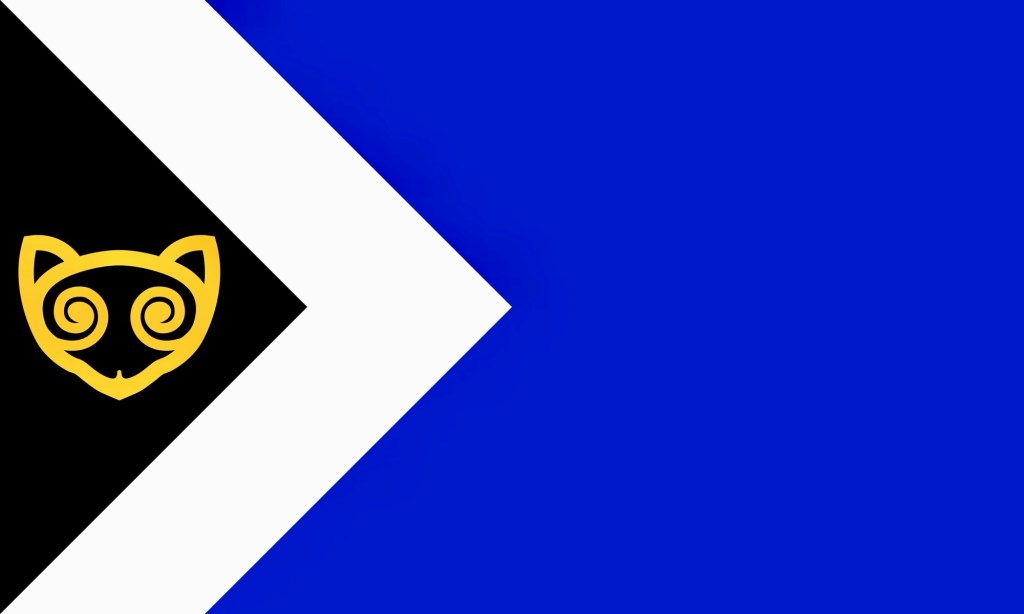
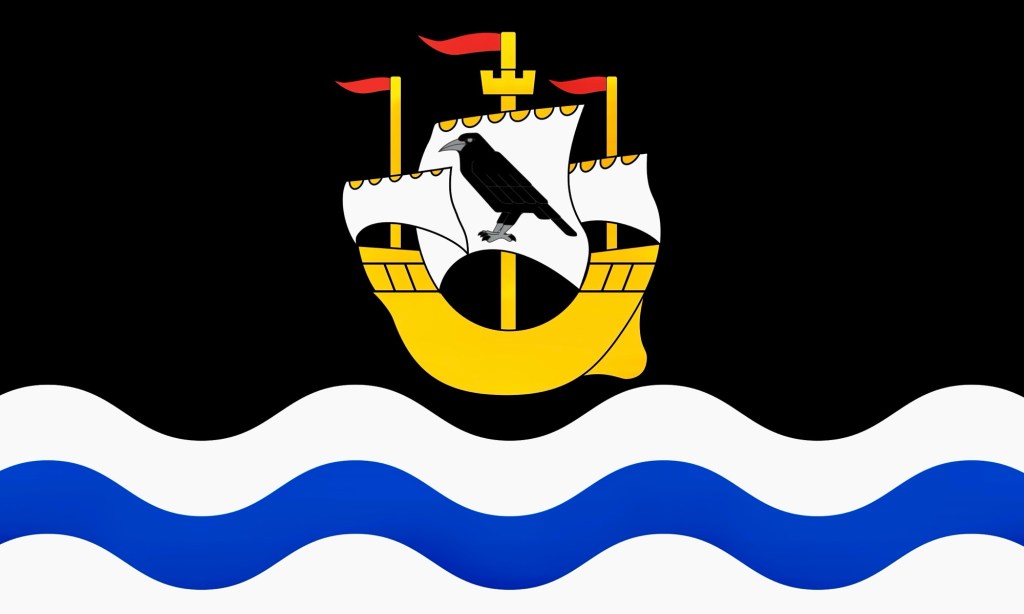
Here are two of the designs that did not win the competition:

 deliriouslove1970. The life & times of Gary and Denise Flanders. (Free and worth every penny. If you would like to compliment the editor, send to garytheflan@deliriouslove1970.com. If you would like to complain, call your mother.)
Leave a comment