

“The Romani people also known as the Roma are an Indo-Aryan ethnic group who traditionally lived a nomadic, itinerant lifestyle. Linguistic and genetic evidence suggests that the Romani people originated in the Indian subcontinent, in particular the region of Rajasthan. [Most commonly referred to as ‘Gypsies’. Some Romani embrace this term, others consider it to be derogatory.]
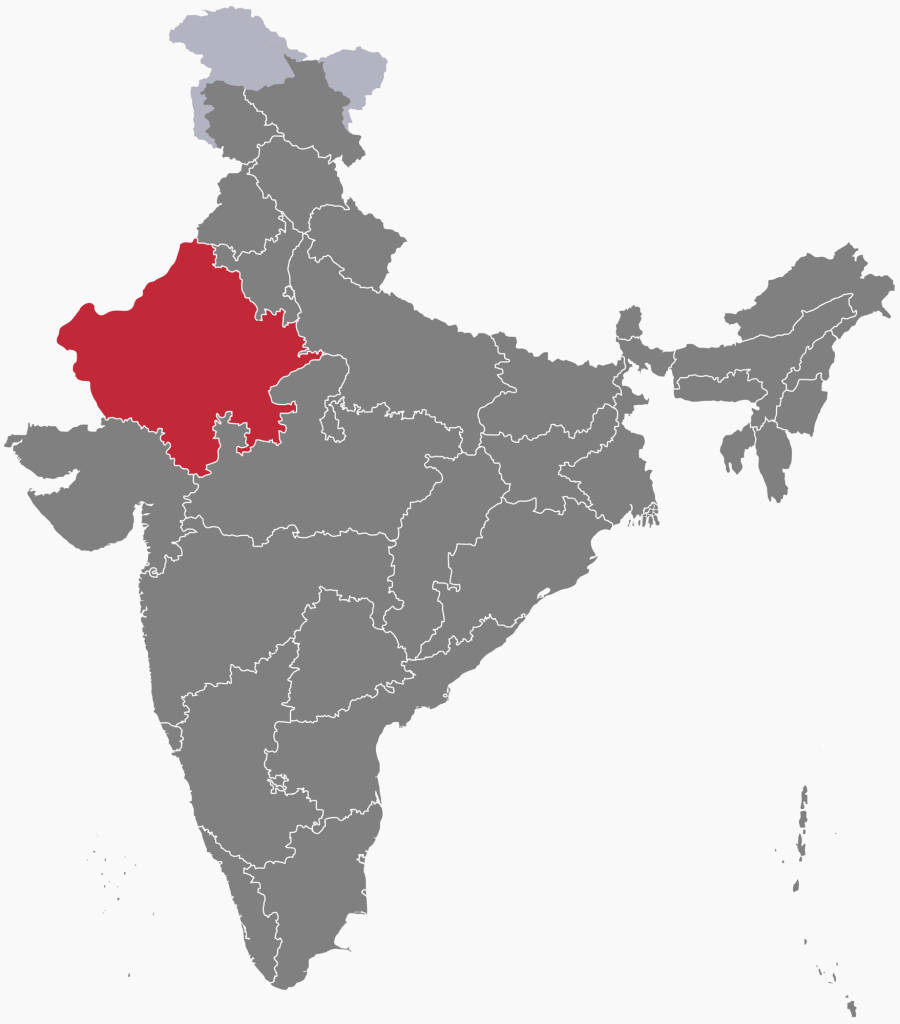
“Their first wave of westward migration is believed to have occurred sometime between the 5th and 11th centuries. They are thought to have first arrived in Europe sometime between the 7th and 14th centuries. Although they are widely dispersed, their most concentrated populations are believed to be in Bulgaria, Hungary, Romania, Serbia and Slovakia.”

World wide population of Romani is somewhere between 2 and 12 million. The United States with 1 million and Brazil with 800,000 are the top two population centers. Many Gypsies refuse to be registered in any type of census due to fear of discrimination.

“The English word Rom derives from Romani Rom, meaning ‘man, husband’ (plural romá). The etymology of the word is unclear. The Oxford English Dictionary says it likely derives from Sanskritḍomba, meaning ‘lower-caste person working as a wandering musician’, itself deriving from a Dravidian word, such as domba, ḍomba (‘caste of acrobats, jugglers, clowns’). The development of the word was also influenced by Byzantine Greek Ῥωμ- (for example Ῥώμη ‘a name of Rome and Constantinople’).”

It is fascinating to me that for most of their existence the Romani, or Gypsies, have been nomadic, traveling throughout the world. They were first brought to America as slaves by Christopher Columbus. They have always been looked down upon as inferior. In some European countries they faced forced sterilization to reduce their population. This went on well into the 20th Century. They experienced outrageous persecution wherever they migrated. Nazi Germany murdered an estimated 500,000 during World War II.

The World Council of Churches funded the first World Romani Congress in 1971. The flag was affirmed as the flag of the Romani people.

The Romani flag consists of a background of blue and green, representing the heavens and earth, respectively; it also contains a 16-spoke red dharmachakra, or cartwheel, in the center. The latter element stands for the itinerant tradition of the Romani people and is also an homage to the flag of India, added to the flag by scholar Weer Rajendra Rishi. It superseded a number of tribal emblems and banners, several of which evoked claims of Romani descent from the Ancient Egyptians.
It is difficult for me to write about a flag of a stateless group of people. From a Vexillologist standpoint it is a well designed flag with significant symbolism.


 deliriouslove1970. The life & times of Gary and Denise Flanders. (Free and worth every penny. If you would like to compliment the editor, send to garytheflan@deliriouslove1970.com. If you would like to complain, call your mother.)
Leave a comment