

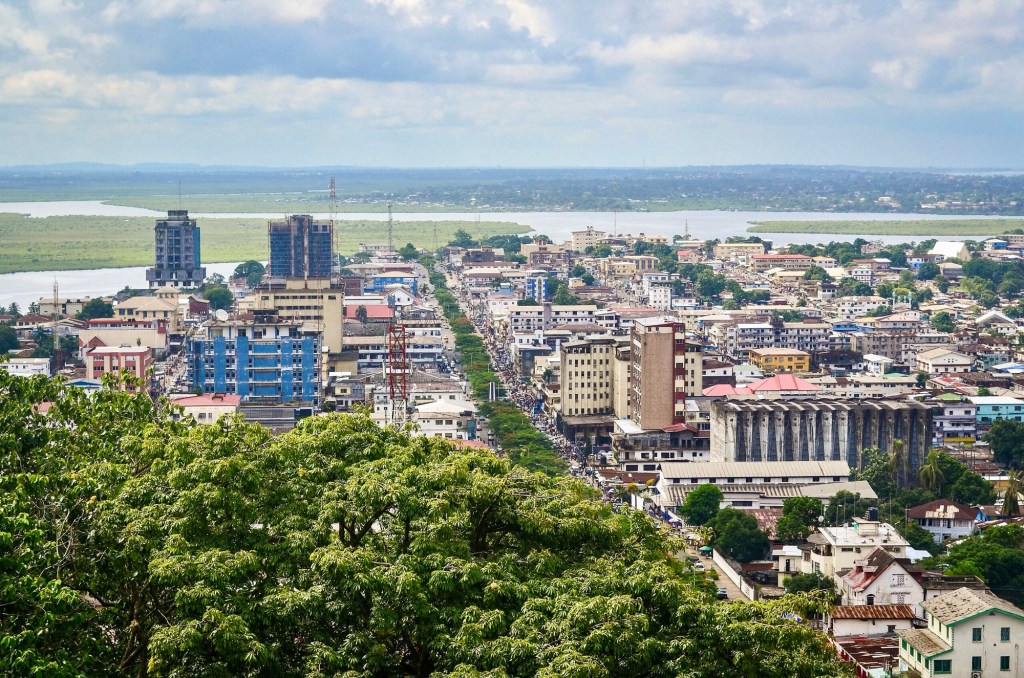
“Liberia (/laɪˈbɪəriə/) officially the Republic of Liberia, is a country on the West African coast. It is bordered by Sierra Leone to its northwest, Guinea to its north, Ivory Coast to its east, and the Atlantic Ocean to its south and southwest. It has a population of around 5.5 million and covers an area of 43,000 square miles (111,369 km2). The official language is English. Over 20 indigenous languages are spoken, reflecting the country’s ethnic and cultural diversity. The capital and largest city is Monrovia.”

“Liberia began in the early 19th century as a project of the American Colonization Society (ACS), which believed black people would face better chances for freedom and prosperity in Africa than in the United States. Between 1822 and the outbreak of the American Civil War in 1861, more than 15,000 freed and free-born African Americans, along with 3,198 Afro-Caribbeans, relocated to Liberia. Gradually developing an Americo-Liberianidentity, the settlers carried their culture and tradition with them while colonizing the indigenous population. Led by the Americo-Liberians, Liberia declared independence on July 26, 1847, which the U.S. did not recognize until February 5, 1862.”

Today is the 77th anniversary of the establishment of the World Health Organization. This year’s theme, “Healthy Beginnings, Hopeful Futures”, highlights the critical need to prioritize interventions to improve maternal and newborn health.
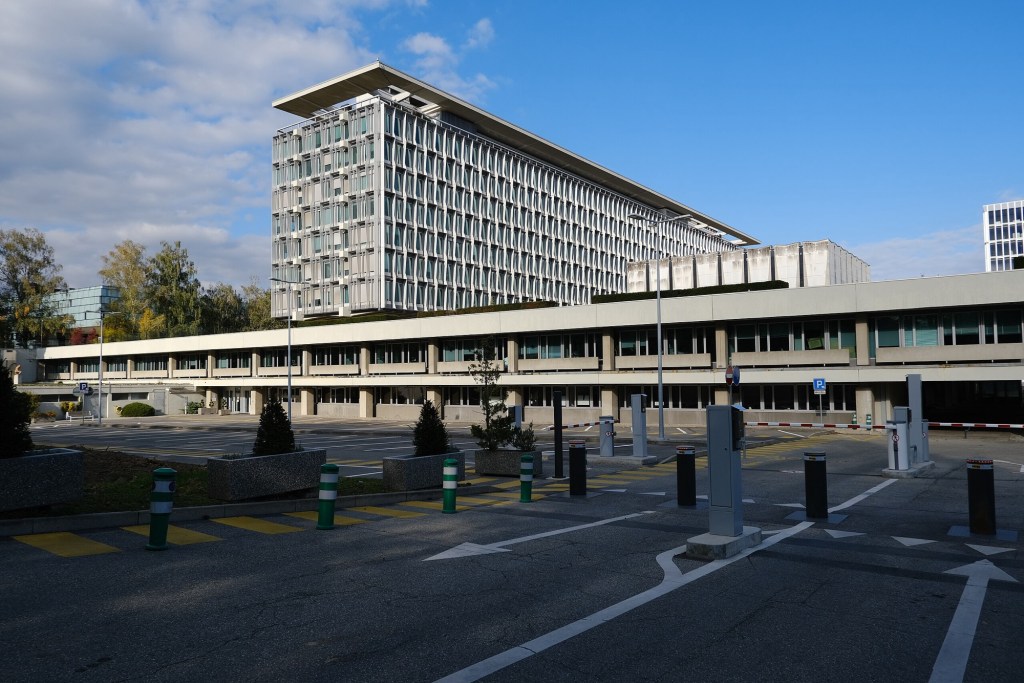
The World Health Organization(WHO) is a specialized agency of the United Nations which coordinates responses to international public health issues and emergencies. The WHO’s purpose is to achieve the highest possible level of health for all the world’s people, defining health as “a state of complete physical, mental and social well-being and not merely the absence of disease or infirmity.” The main functions of the World Health Organization include promoting the control of epidemic and endemic diseases; providing and improving the teaching and training in public health, the medical treatment of disease, and related matters; and promoting the establishment of international standards for biological products.
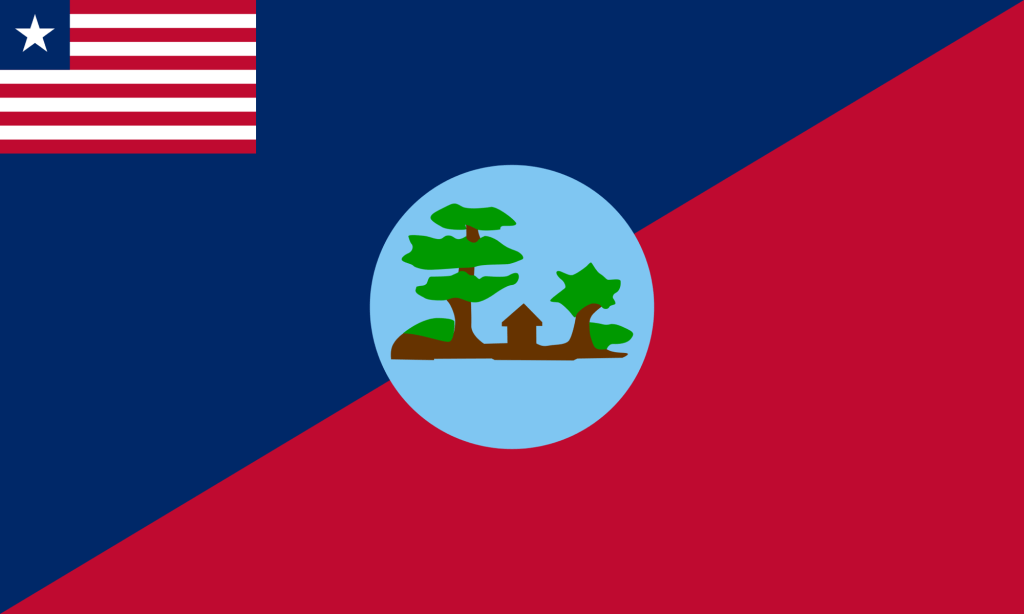
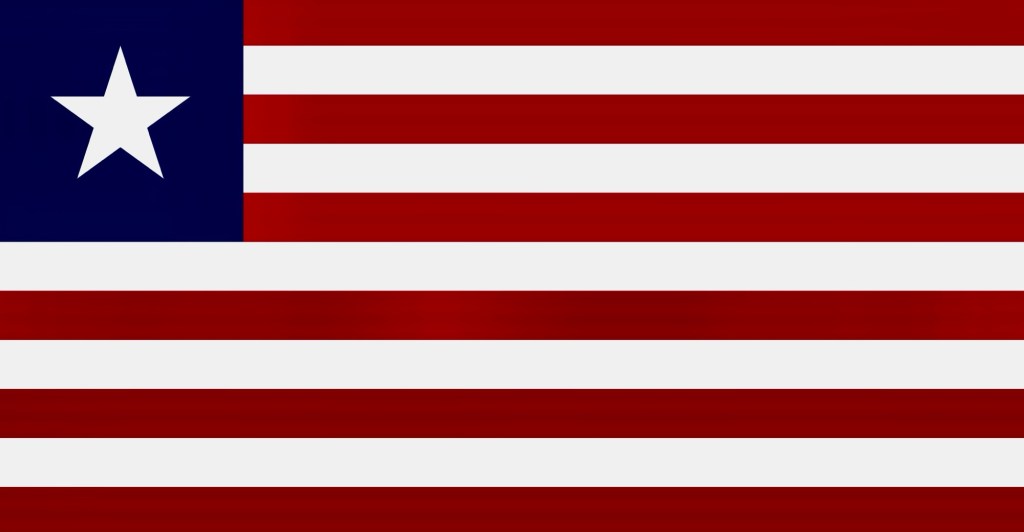
Why have the flag of Liberia representing the WHO?
In 2024, the Government of Liberia declared the level of maternal deaths a Public Health Emergency to accelerate the development and implementation of appropriate interventions to curb these preventable maternal and newborn deaths in the country. To support these efforts, WHO has been working with the Ministry of Health and partners to:
– Strengthen and invest in primary healthcare, particularly around the time of birth and the first day, first week and first month of life as half the stillbirths, and most babies are dying in this time period.
– Improve the quality of maternal and newborn care from pregnancy to the entire postnatal period, including strengthening midwifery.
– Expand quality services for small and/or sick newborns, including through strengthening neonatal nursing, and scaling up support for, and implementation of kangaroo mother care.
– Reduce inequities in accordance with the principles of universal health coverage, including addressing the needs of mothers and newborns in humanitarian and fragile settings.
– Promote engagement of and empower mothers, families and communities to participate in and demand quality maternal and newborn care.
– Strengthen measurement, programme tracking and accountability to count every maternal and newborn death, and every stillbirth.
To mark the World Health Day 2025 in Liberia, the WHO Country Office in collaboration with the Ministry of Health, the UN Country Team, and key partners will kick-off a year-long campaign to ramp up efforts to end preventable maternal and newborn deaths, and to prioritize women’s longer-term health and well-being. The inaugural event will begin with a health walk, followed by an indoor program in Bentol City, Montserrado County, serving as an opportunity to renew advocacy for collective efforts, including domestic investments, to accelerate the reduction of maternal and newborn deaths in Liberia.
WHO will continue to collaborate with the Ministry of Health and the Government of Liberia and partners to accelerate comprehensive improvement of maternal and newborn health services in the country with the aim to reduce maternal and newborn deaths and ensure the wellbeing of women and children.
[It is shameful that the United States is ending our involvement in the WHO. To ignore the health of the world is simply not right.]
 deliriouslove1970. The life & times of Gary and Denise Flanders. (Free and worth every penny. If you would like to compliment the editor, send to garytheflan@deliriouslove1970.com. If you would like to complain, call your mother.)
Leave a comment