
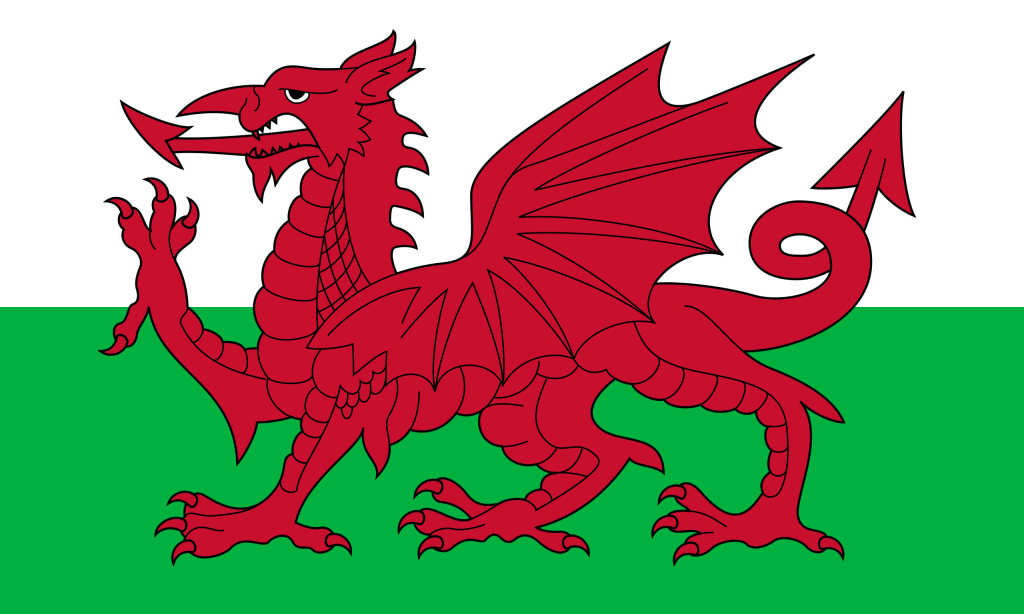
A country within a country, Wales is bordered by England to the east, the Irish Sea to the north and west, and the Bristol Channel to the south: Wales.
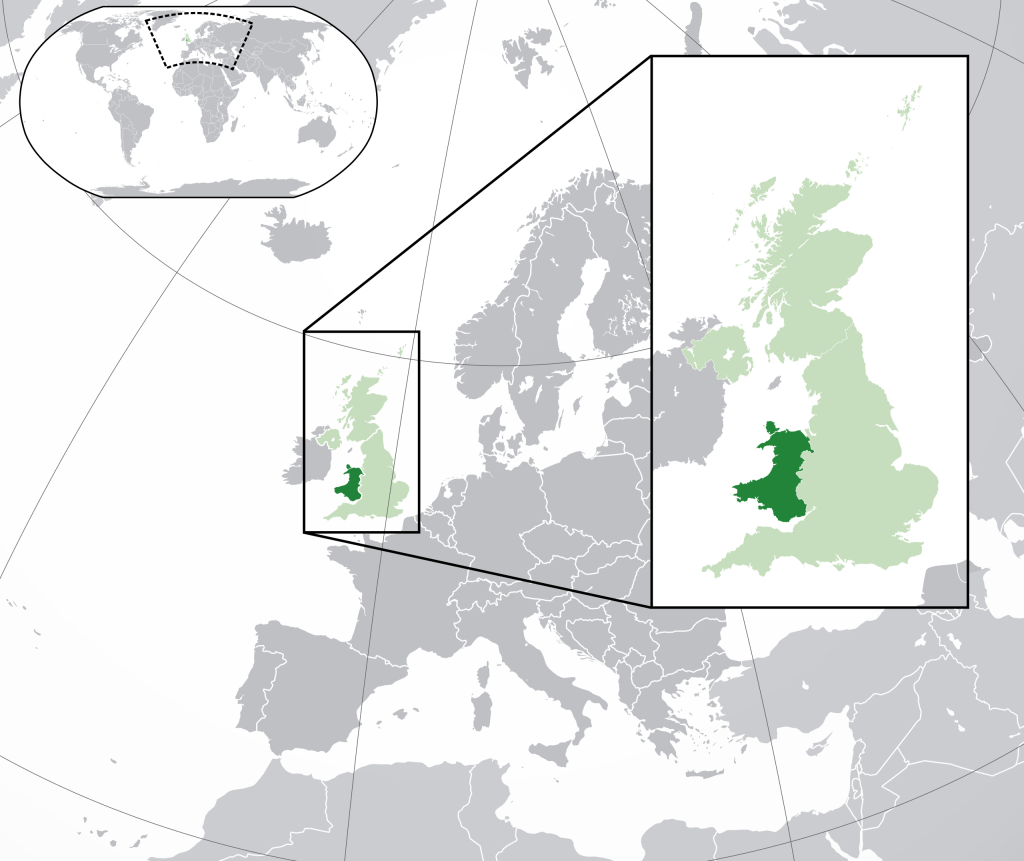
It has an ancient history with human activity for at least 29,000 years. It has a long and occasionally tense relationship with Great Britain. It is considered a ‘modern Celtic nation.’ Battles and treaties and more battles resulted in England ‘annexing’ Wales in 1542. The official language is both English and Welsh. Even though it is part of Great Britain, Wales maintains it fierce cultural identity. When competing in football (sic soccer) the Welsh team is spurred on with robust singing by the Welsh crowds, the motto of Wales is: Cymru am byth” “Wales Forever”.
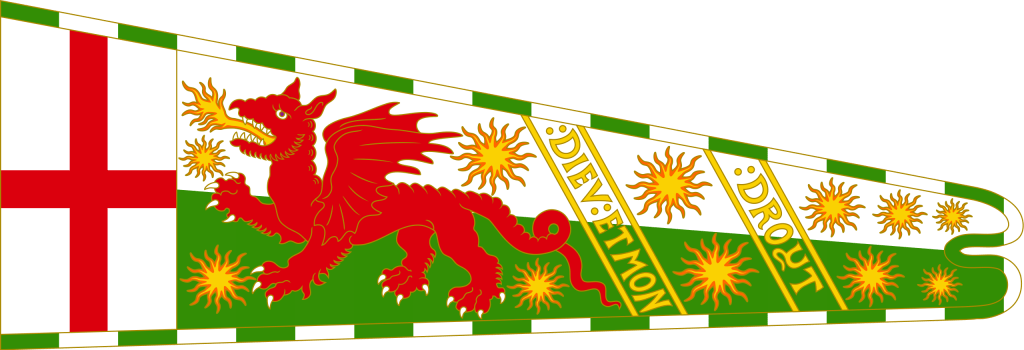


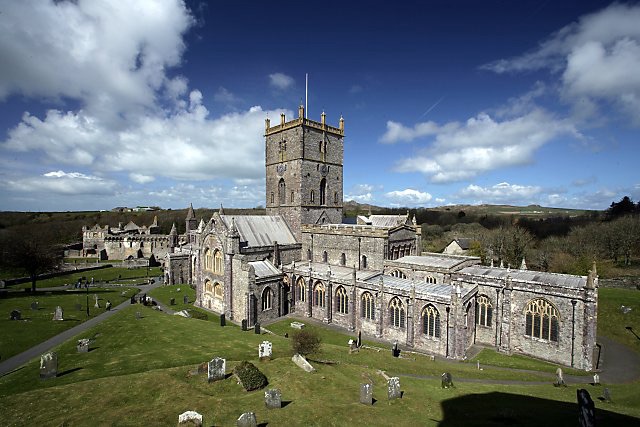
“Saint David’s Day (Welsh: Dydd Gŵyl Dewi Sant or Dydd Gŵyl Dewi[ˈdɨːð ˌɡuːɨ̯l ˌdɛu̯.i ˈsant, ˈdiːð ̩ɡʊi̯lˌdɛu̯.i]), or the Feast of Saint David, is the feast day of Saint David, the patron saint of Wales, and falls on 1 March, the date of Saint David’s death in 589 AD.” “David’s fame as a teacher and his asceticism spread among Celtic Christians, and he helped found about 1200 monasteries. His foundation at Glyn Rhosyn became an important Christian shrine, and the most important centre in Wales. The date of Saint David’s death is believed to be 1 March 589. His final words to the community of monks were: “Brothers be ye constant. The yoke which with single mind ye have taken, bear ye to the end; and whatsoever ye have seen with me and heard, keep and fulfil.”

“Traditional festivities include wearing daffodils and leeks, recognised symbols of Wales and Saint David, respectively, eating traditional Welsh food including cawl, and women wearing traditional Welsh dress. An increasing number of cities and towns across Wales, including Cardiff, Swansea, and Aberystwyth also put on parades throughout the day.”
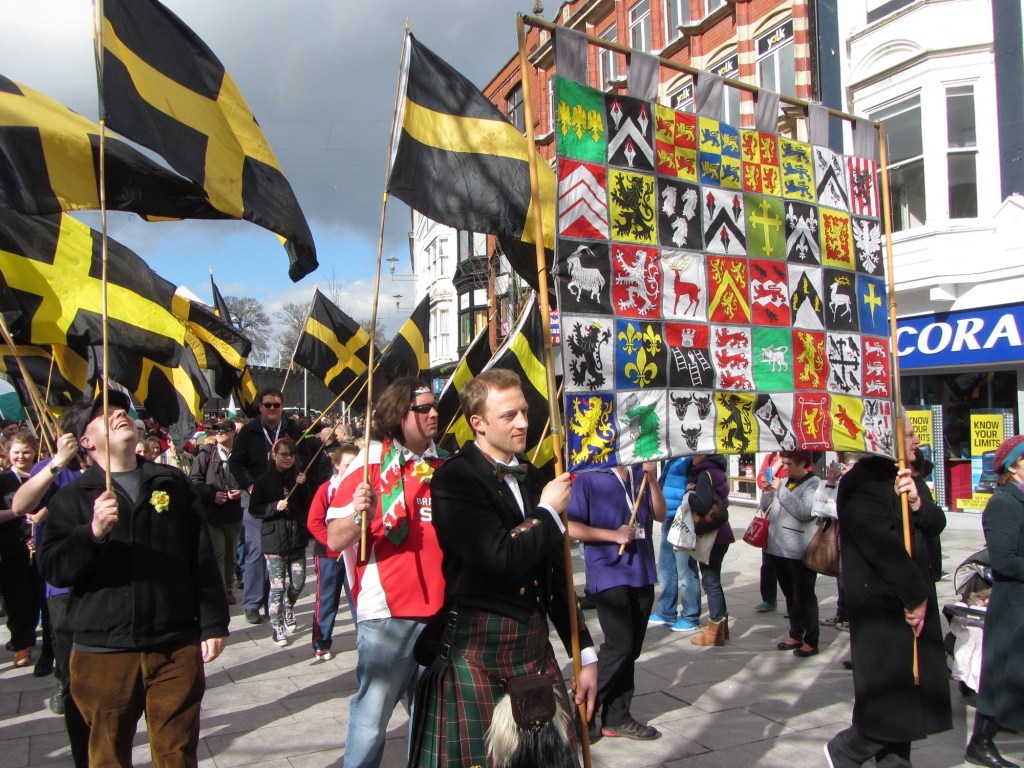
“The day is not a public holiday in Wales, which has prompted calls for a St David’s Day to be a bank holiday in Wales and some organisations designating unofficial celebrations.
The feast has been regularly celebrated since the canonisation of David in the 12th century by Pope Callixtus II.”



 deliriouslove1970. The life & times of Gary and Denise Flanders. (Free and worth every penny. If you would like to compliment the editor, send to garytheflan@deliriouslove1970.com. If you would like to complain, call your mother.)
Leave a comment