
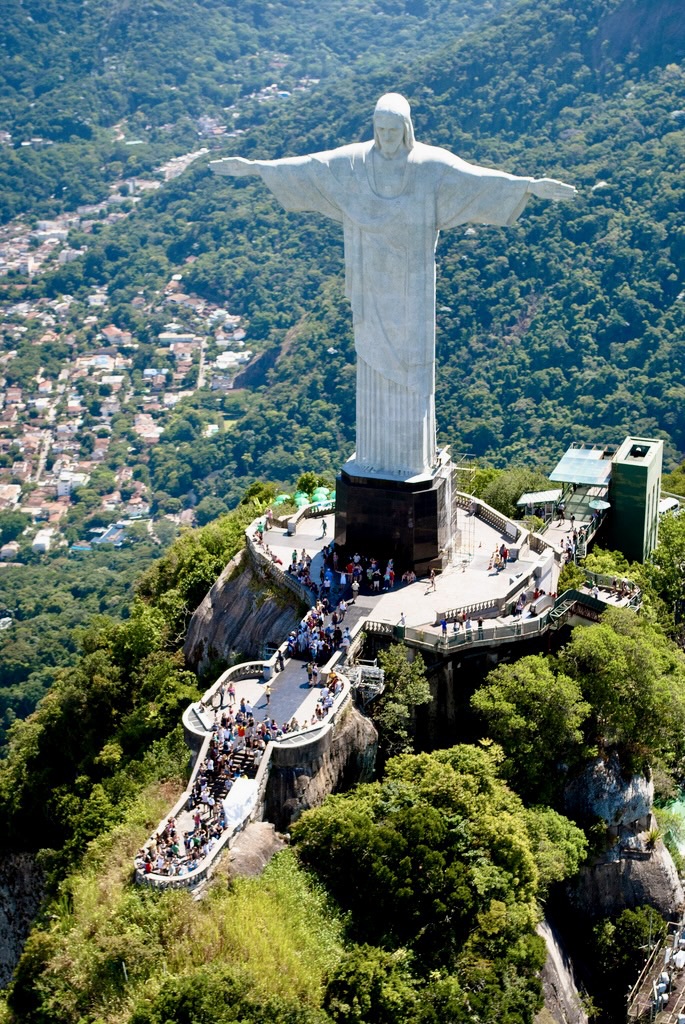
“Rio de Janeiro, city and port, capital of the estado (state) of Rio de Janeiro, Brazil. It is located on the Atlantic Ocean, in the southeastern part of the tropical zone of South America, and is widely recognized as one of the world’s most beautiful and interesting urban centres. Although Rio de Janeiro continues to be the preeminent icon of Brazil in the eyes of many in the world, in reality its location, architecture, inhabitants, and lifestyle make it highly unique when compared with other Brazilian cities, especially the country’s capital of Brasília or the much larger city of São Paulo. The former is a much smaller city dating back only to the 1960s, while the latter is a huge, sprawling commercial and manufacturing centre with none of Rio’s spectacular natural beauty or captivating charm. Unlike Rio, both are located on flat interior plateaus.”

“The name was given to the city’s original site by Portuguese navigators who arrived on January 1, 1502, and mistook the entrance of the bay for the mouth of a river (rio is the Portuguese word for “river” and janeiro the word for “January”). When the foundations of the future town were laid in 1565, it was named Cidade de São Sebastião do Rio de Janeiro (“City of St. Sebastianof Rio de Janeiro”) for both São Sebastião and Dom Sebastião, king of Portugal.”
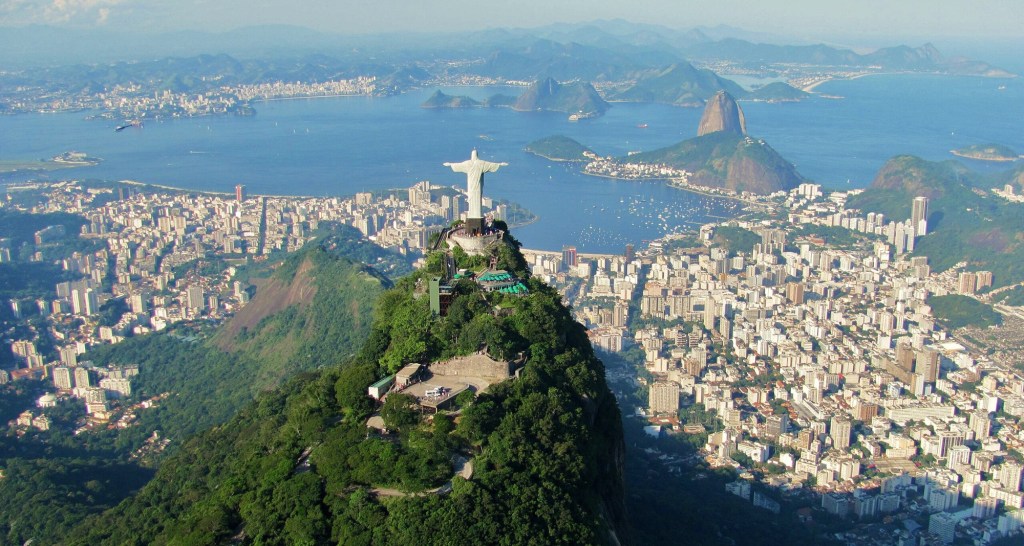
“Rio de Janeiro is well known for the beauty of its beaches and of its peaks, ridges, and hills—all partly covered by tropical forests. “
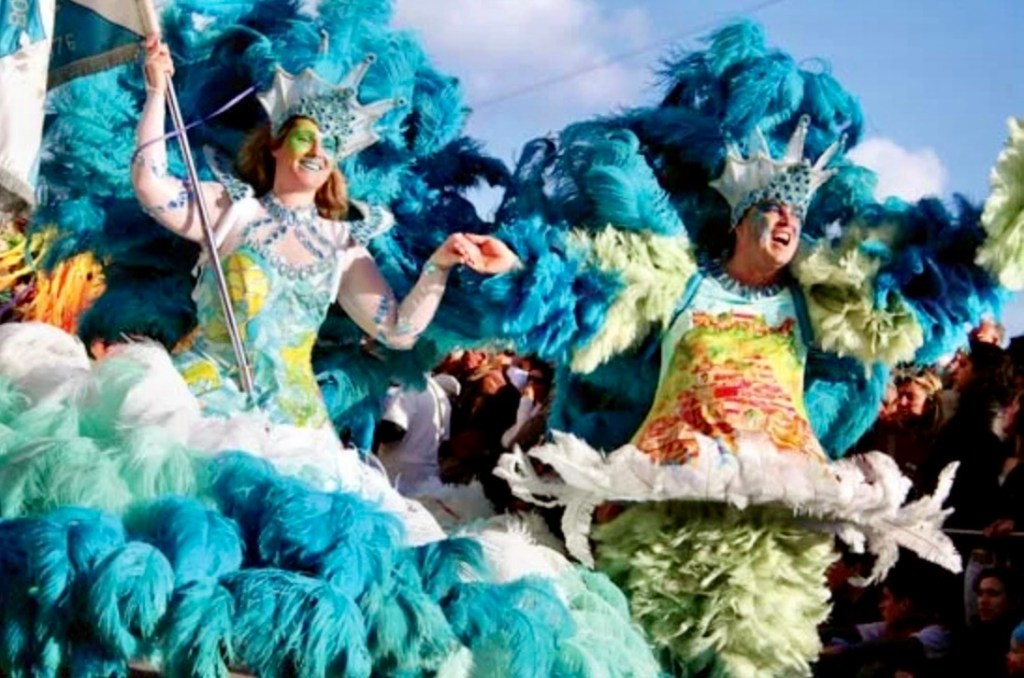
Carnival in Rio is world famous for its Samba Dancers. This year’s events happen from February 28 to March 8. An estimated 2 million people per day are on the streets.
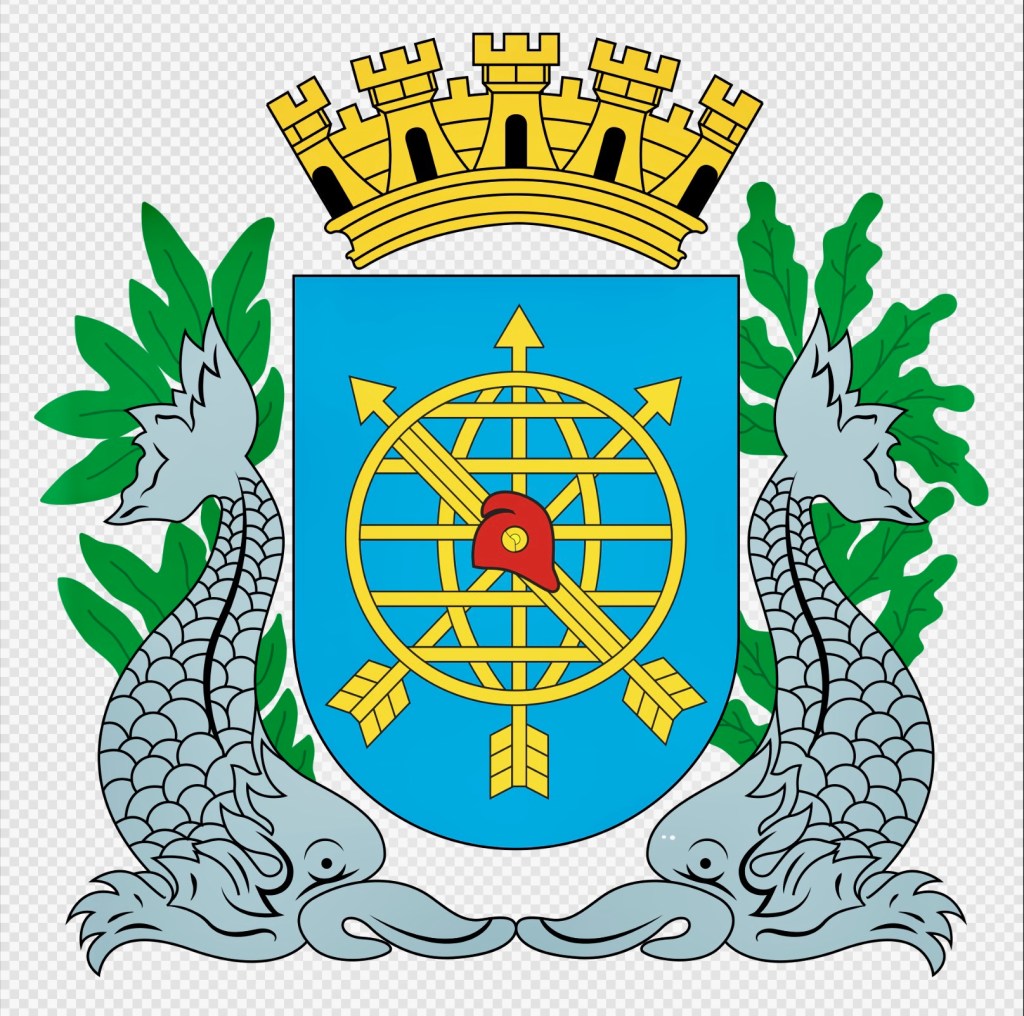
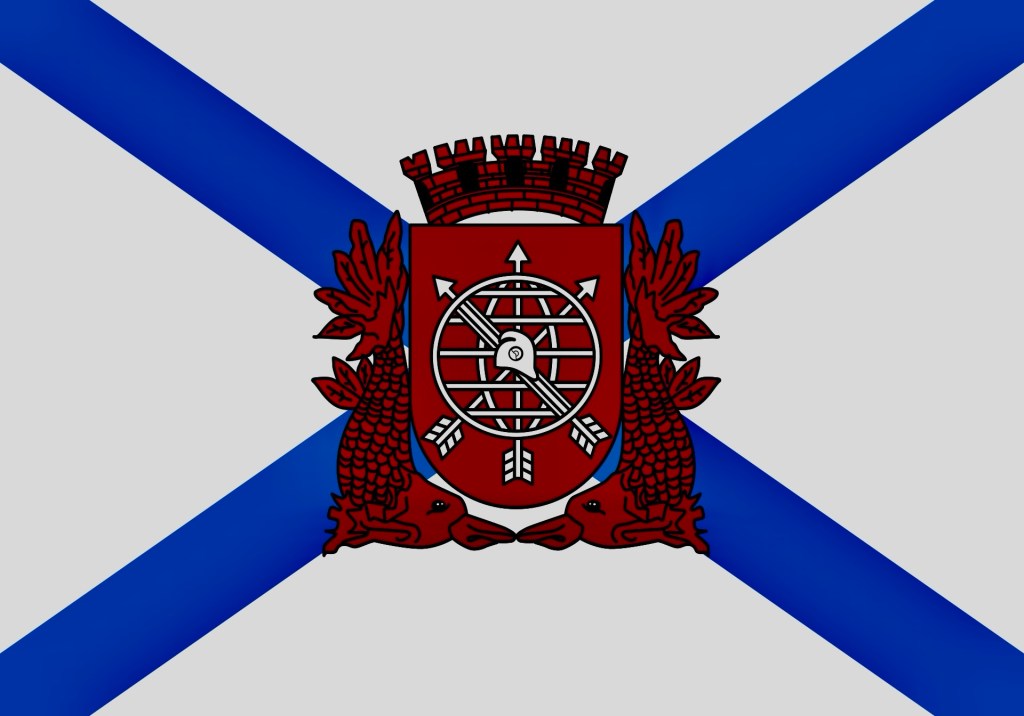
The coat of arms of Rio de Janeiro.

The top of the coat of arms is called a ‘heraldic mural crown’. It denotes the relationship with the king of Portugal. In the early 20th Century the Portuguese developed rules for how this symbol could be used.

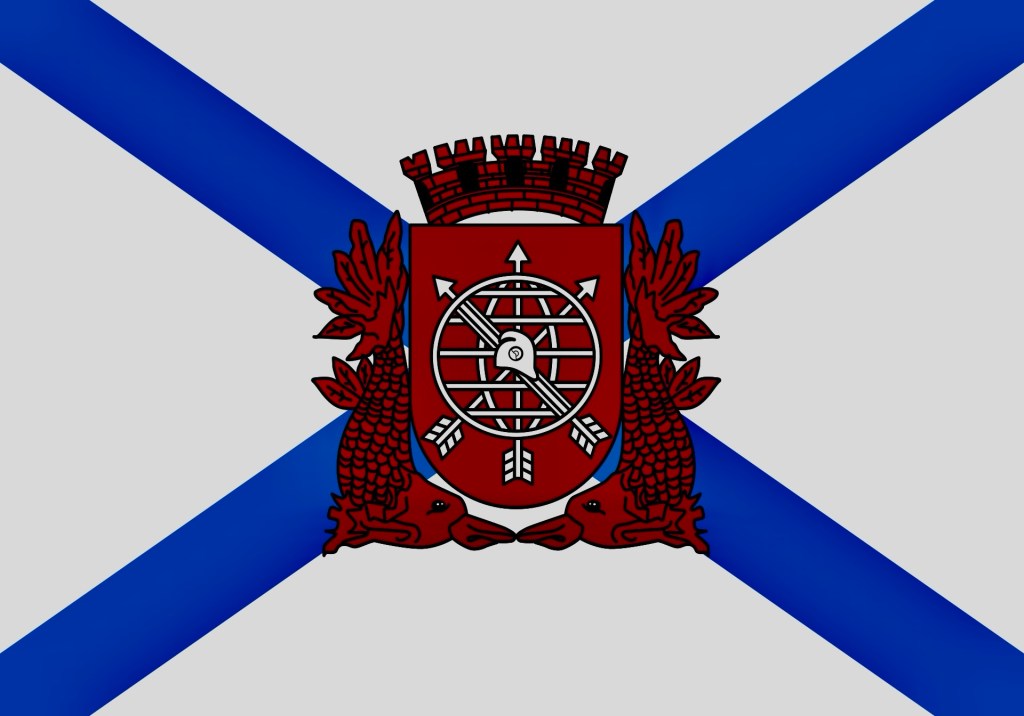
“The flag of the City of Rio de Janeiro or flag of São Sebastião do Rio de Janeiro (English: flag of Saint Sebastian of Rio de Janeiro) consists of a white rectangle with a blue saltire behind the coat of arms of the city of Rio de Janeiro, which is displayed red in the center. Its basic design has changed little since it was adopted on July 8, 1908, except during period from 1960 to 1975 when the municipality of Rio de Janeiro was known as Guanabara State. It resembles the flags of Galicia (before it changed) and the Russian Navy(with some changes).”
“The blue and white of the flag symbolize the Portuguese origin of the city, as they are the traditional colors of the Portuguese monarchy, adopted since the creation of the County of Portugal in 1097 (it was only after the proclamation of the Portuguese Republic on October 5, 1910 that Portugal began to use the colors dark green and red on their flag). The color red on the flag of Rio de Janeiro symbolizes the blood shed by Saint Sebastian, the saintly patron of the city, as well as the blood shed by the city’s founder, Estácio de Sá, and the early settlers of Rio de Janeiro.”


 deliriouslove1970. The life & times of Gary and Denise Flanders. (Free and worth every penny. If you would like to compliment the editor, send to garytheflan@deliriouslove1970.com. If you would like to complain, call your mother.)
Leave a comment