
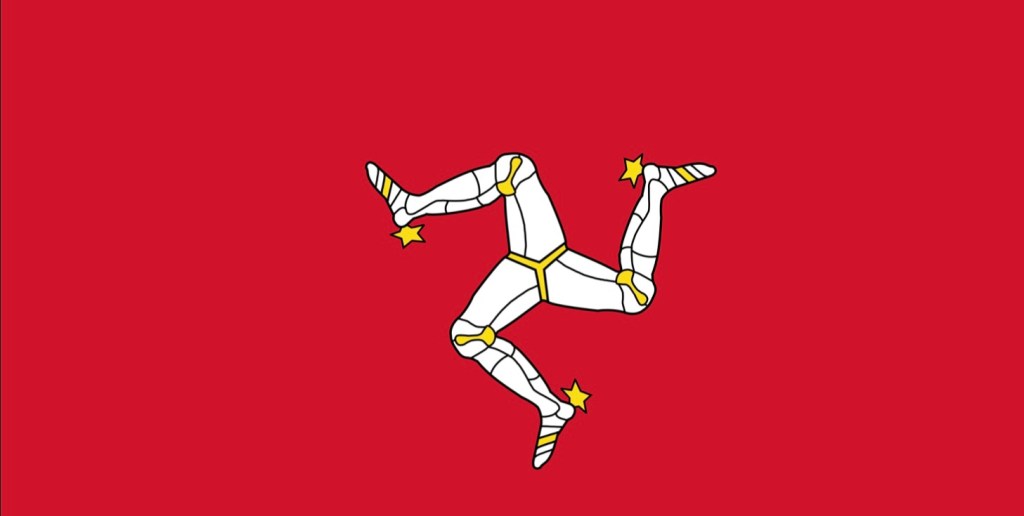
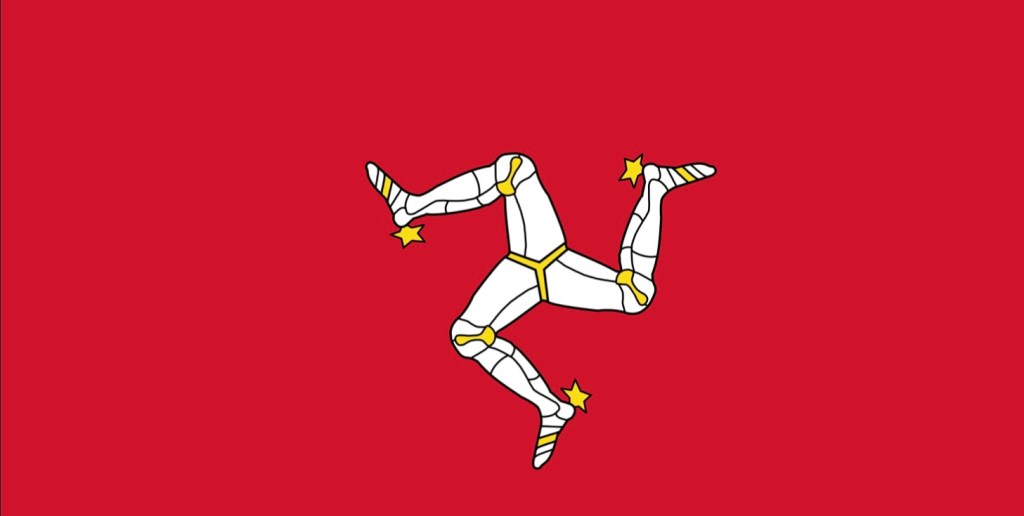
An unusual symbol on a flag with a fascinating history : The Isle of Man.
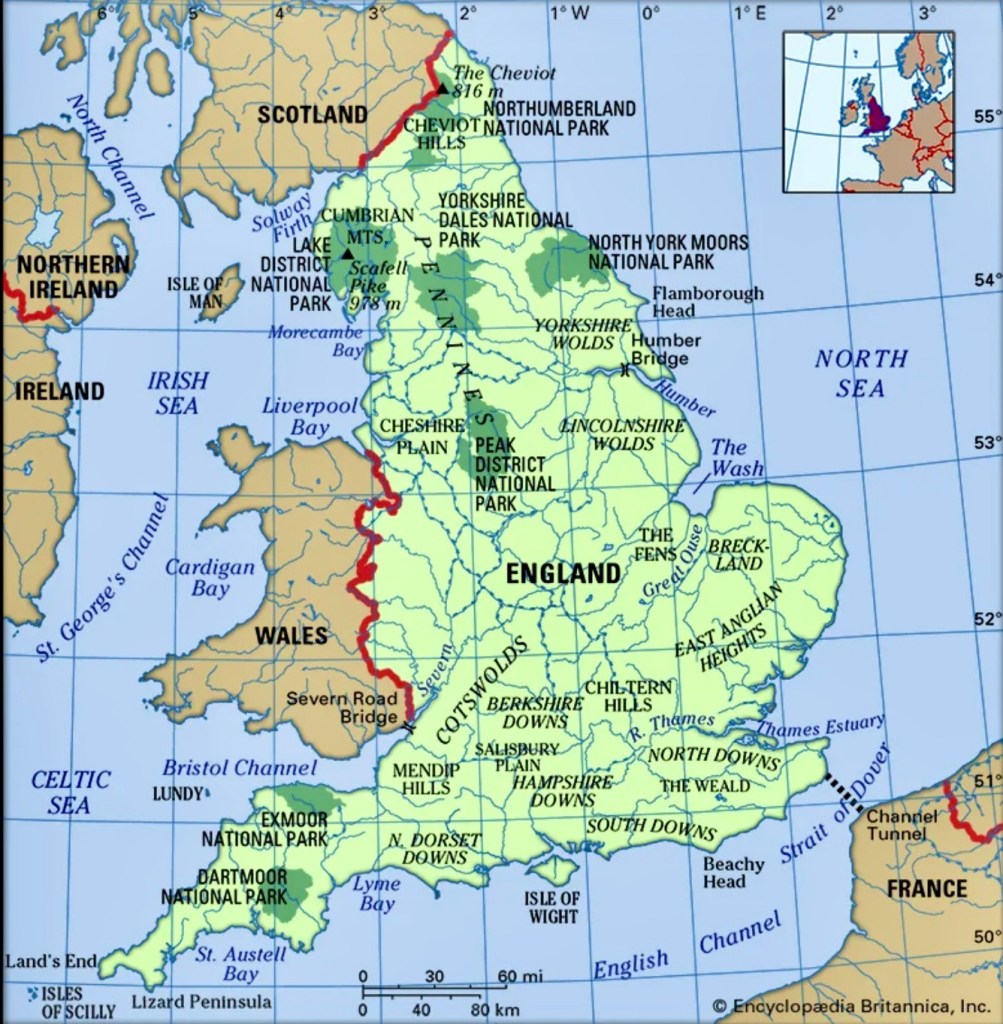
“Isle of Man, one of the British Isles, located in the Irish Sea off the northwest coast of England. The island lies roughly equidistant between England, Ireland, Scotland, and Wales. The Isle of Man is not part of the United Kingdom but rather is a crown possession (since 1828) that is self-governing in its internal affairs under the supervision of the British Home Office.”
“The Isle of Man has been inhabited by humans since the Mesolithic Period. It became the home of many Irish missionaries in the centuries following the teaching of St. Patrick (5th century CE). Among its earliest inhabitants were Celts, and their language, Manx, which is closely related to Gaelic, remained the everyday speech of the people until the first half of the 19th century. The number of Manx speakers is now negligible, however. Norse (Viking) invasions began about 800 CE, and the isle was a dependency of Norway until 1266. During this period Man came under a Scandinavian system of government that has remained practically unchanged ever since.”
“In 1266 the king of Norway sold his suzerainty over Man to Scotland, and the island came under the control of England in 1341. From this time on, the island’s successive feudal lords, who styled themselves “kings of Mann,” were all English. In 1406 the English crown granted the island to Sir John Stanley, and his family ruled it almost uninterruptedly until 1736. (The Stanleys refused to be called “kings” and instead adopted the title “lord of Mann,” which still holds.) The lordship of Man passed to the dukes of Atholl in 1736, but, in the decades that followed, the island became a major centre for the contraband trade, thus depriving the British government of valuable customs revenues. In response, the British Parliament purchased sovereignty over the island in 1765 and acquired the Atholl family’s remaining prerogatives on the island in 1828.”
The flag is a red field with The Triskelion centered. The Triskelion, three armored legs with golden spurs is an ancient Norse symbol. It is a popular symbol called ‘Ny tree Cassyn’ in the Manx language.
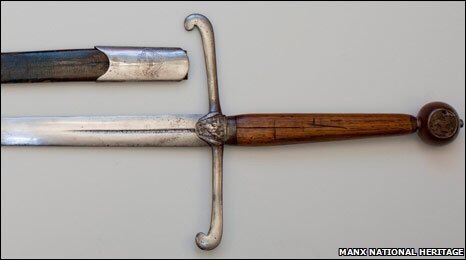
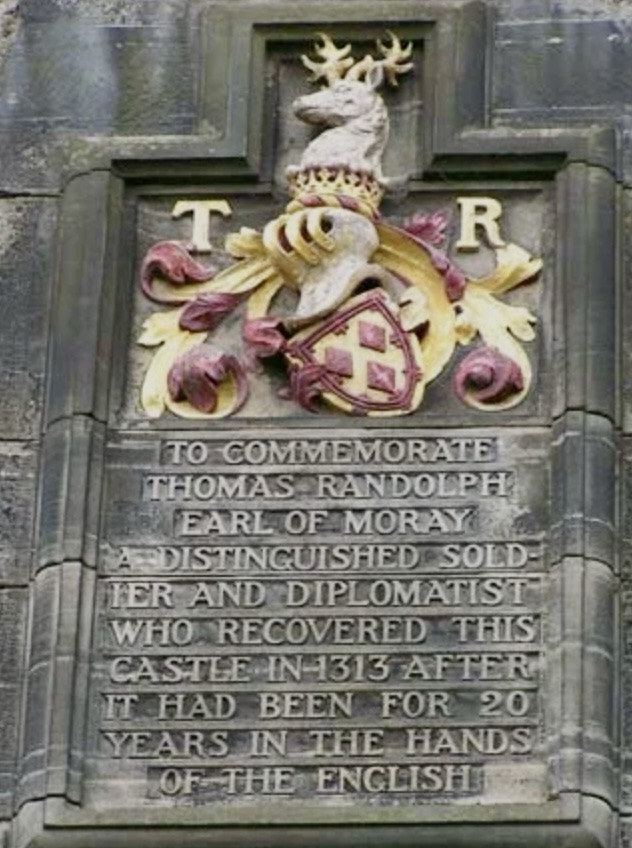
“The Manx triskelion is one of the oldest continually used government symbols.” “Common in Scandinavian lands, it may well have been introduced to the Isle of Man when the Norse ruled the area prior to 1266. Its use is confirmed from the late 13th century by a medieval document and by the sword of state carried in ceremonies of the Tynwald Court, the Manx parliament. The symbol became the basis for the local flag after the Scottish earl of Moray, Sir Thomas Randolph, was made the ruler of Man in 1313.”
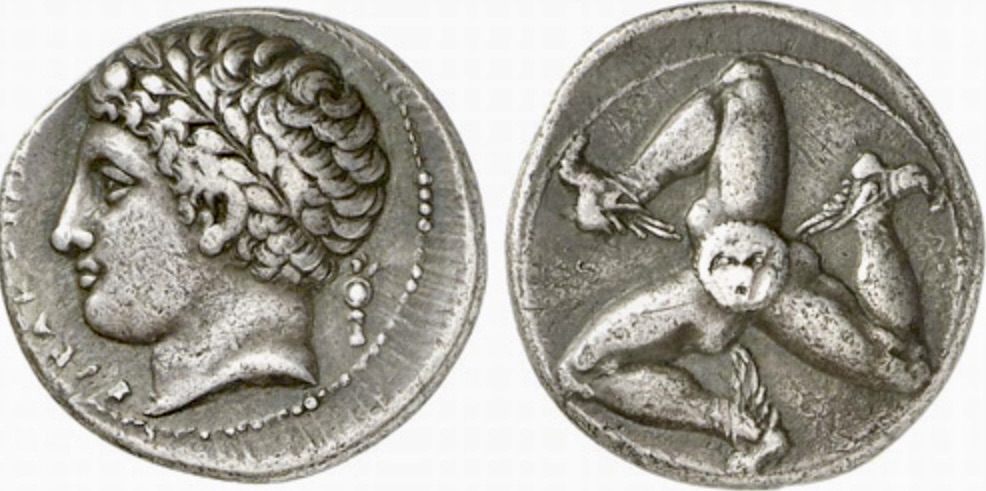
The Triskelion is not everyone’s favorite – Denise thinks it is creepy. I like it because it is so different.

 deliriouslove1970. The life & times of Gary and Denise Flanders. (Free and worth every penny. If you would like to compliment the editor, send to garytheflan@deliriouslove1970.com. If you would like to complain, call your mother.)
Leave a comment