
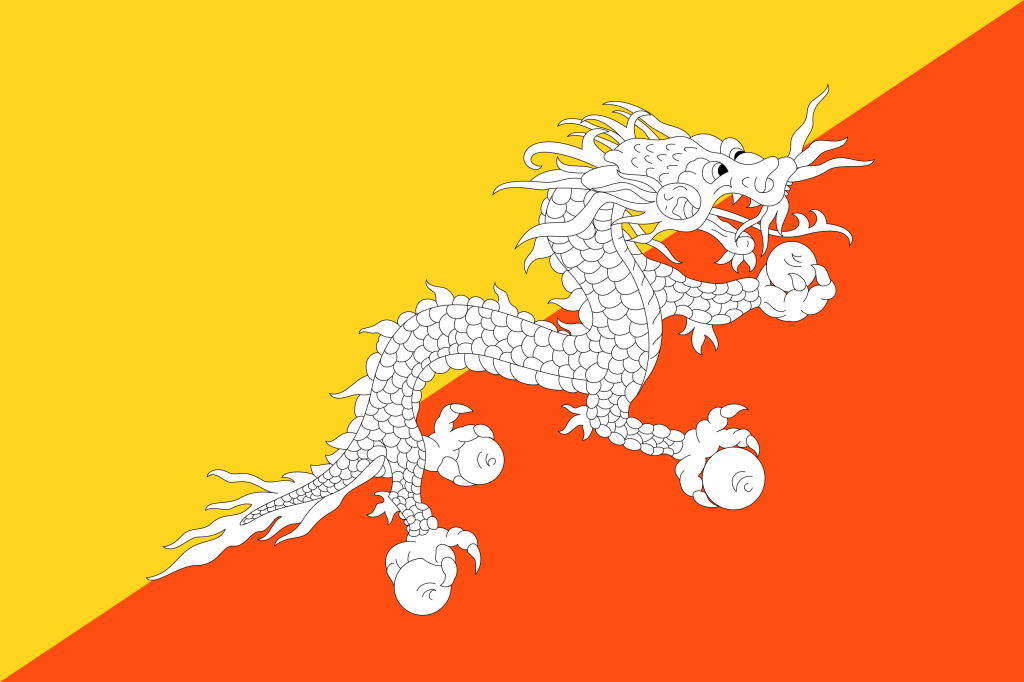
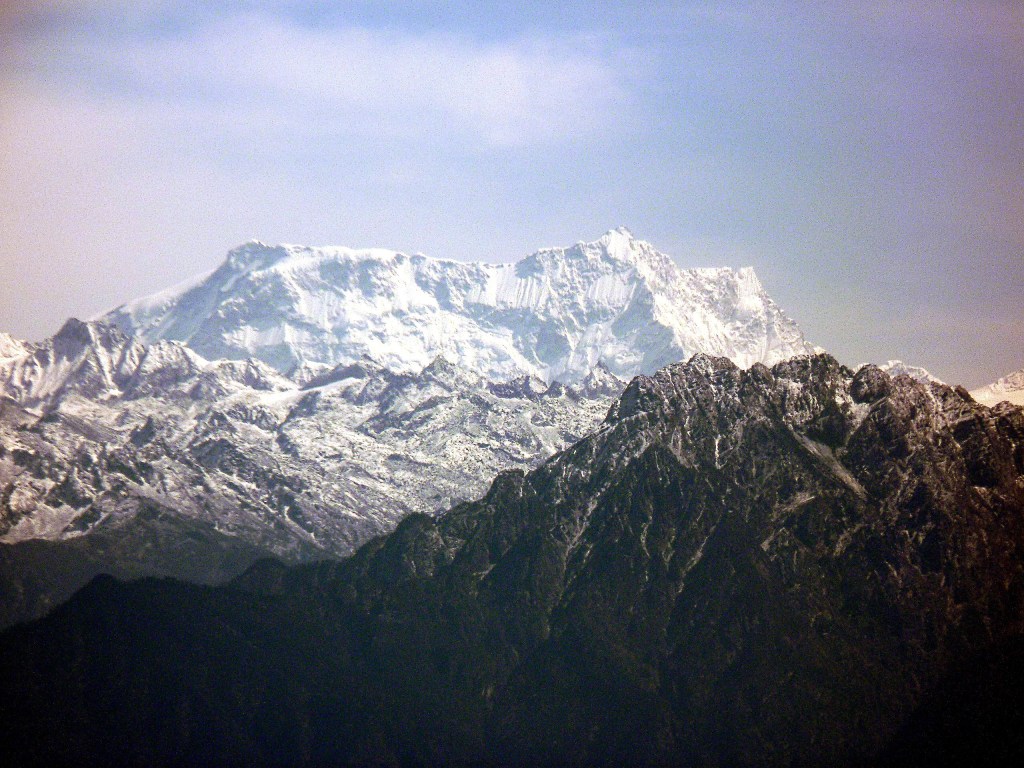
The Kingdom Of Bhutan. A landlocked country in the Eastern Himalaya’s. China is to the north and India is to the south.
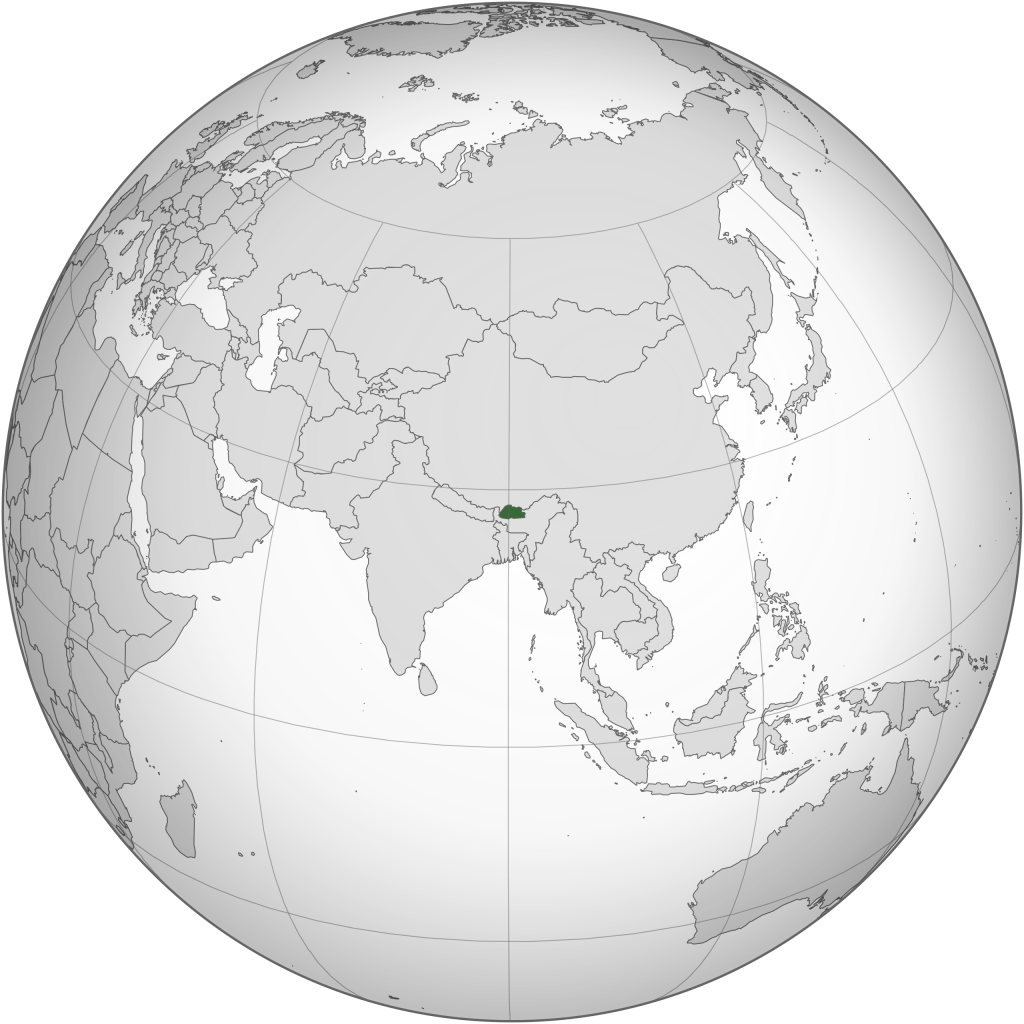
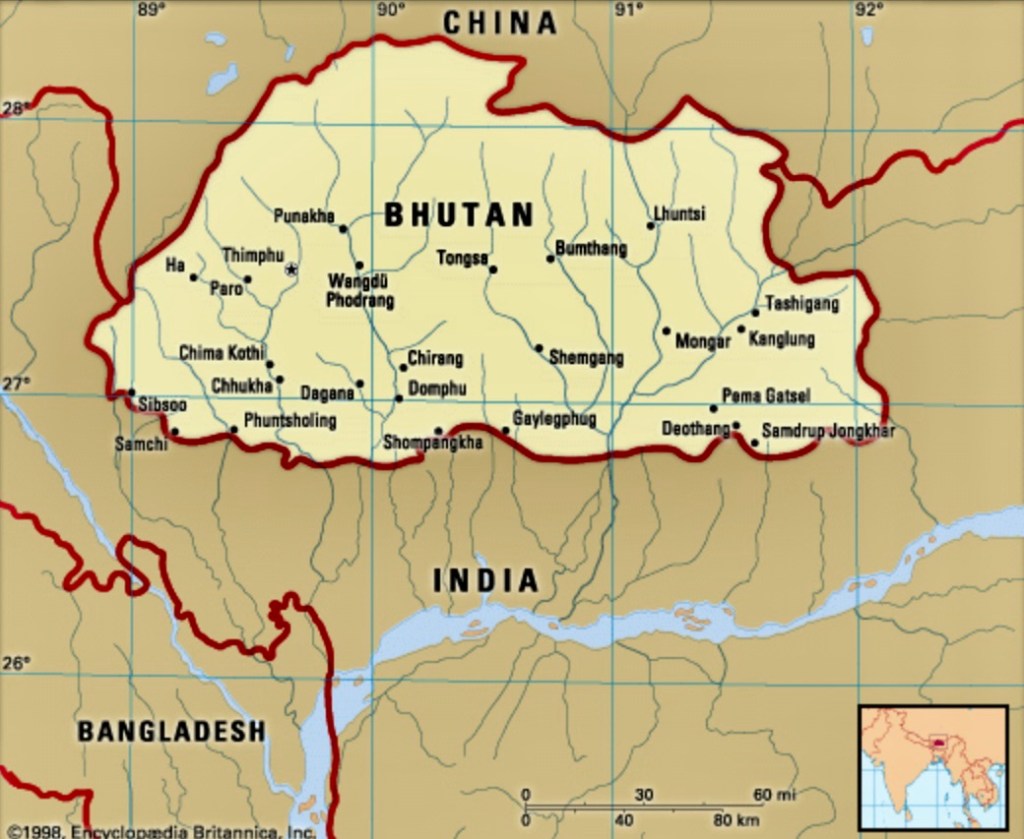
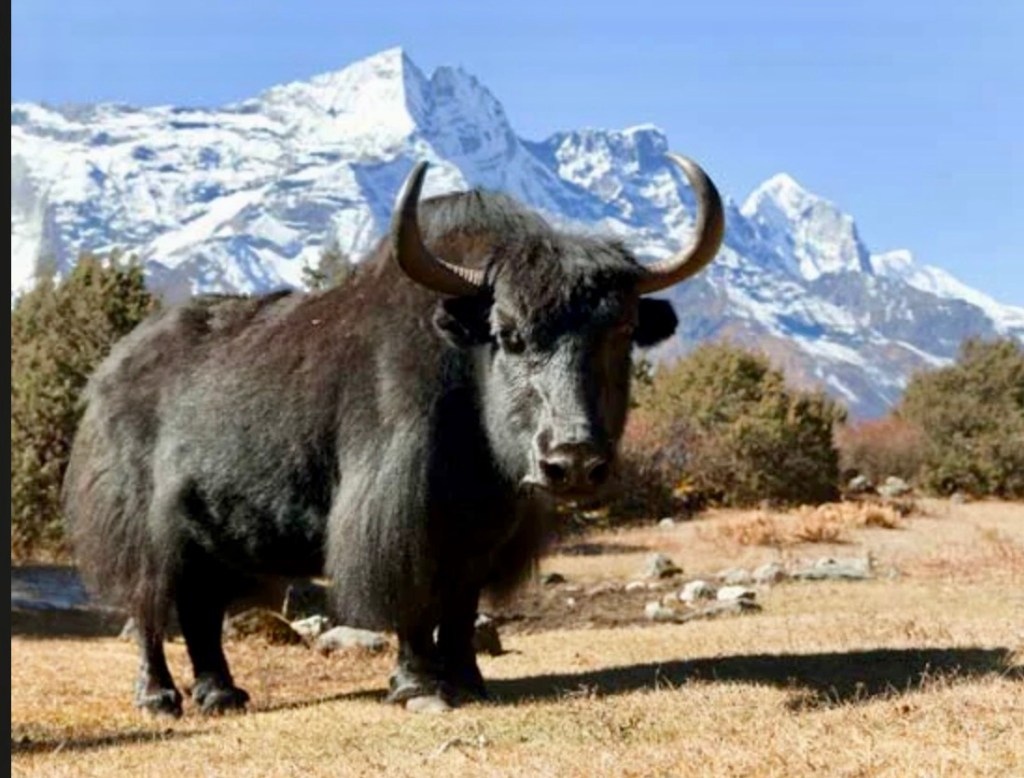
Bhutia, Himalayan people who are believed to have emigrated southward from Tibet in the 8th or 9th century CE. The Bhutia constitute a majority of the population of Bhutan, where they live mainly in the western and central regions of the country, and form minorities in Nepal and India, particularly in the Indian state of Sikkim. They speak various languages of the Tibeto-Burman branch of the Sino-Tibetan language family. They are mountain dwellers who live in small villages and isolated homesteads that are separated by almost impassable terrain. They practice a terraced agriculture on the mountain slopes, their main crops being rice, corn (maize), and potatoes. Some of them are animal breeders, known for their cattle and yaks.
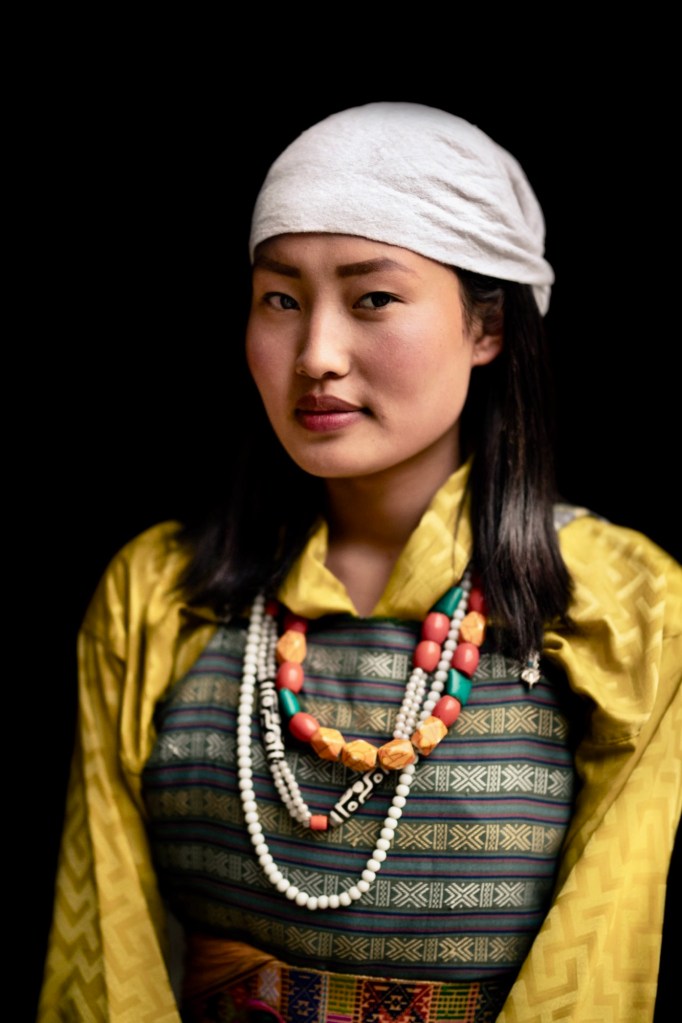
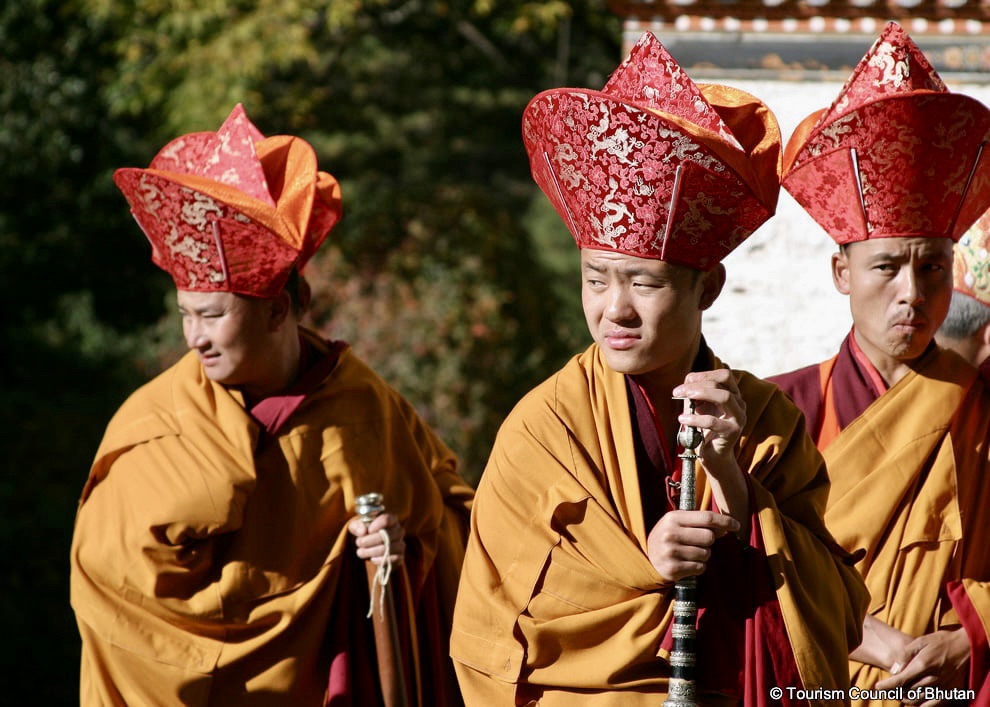
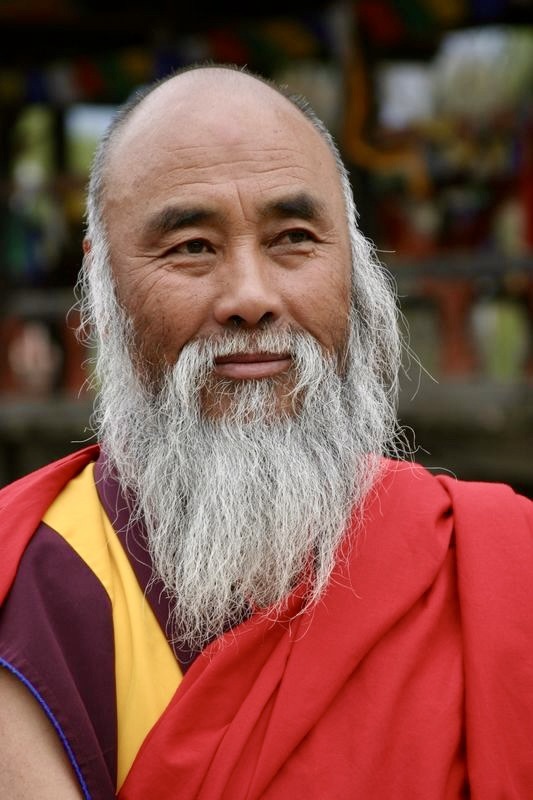
There are three major ethnic groups in Bhutan: the Bhutia (also called Ngalop), the Nepalese, and the Sharchop. The Bhutia are the largest ethnic group and make up about half of the population. They are the descendants of Tibetan immigrants who came southward into Bhutan beginning about the 9th century. The Bhutia are dominant in northern, central, and western Bhutan. They speak a variety of Tibeto-Burman languages, and the most common of these, Dzongkha, is Bhutan’s official language; the written language is identical with Tibetan. The Bhutia dominate Bhutan’s political life.
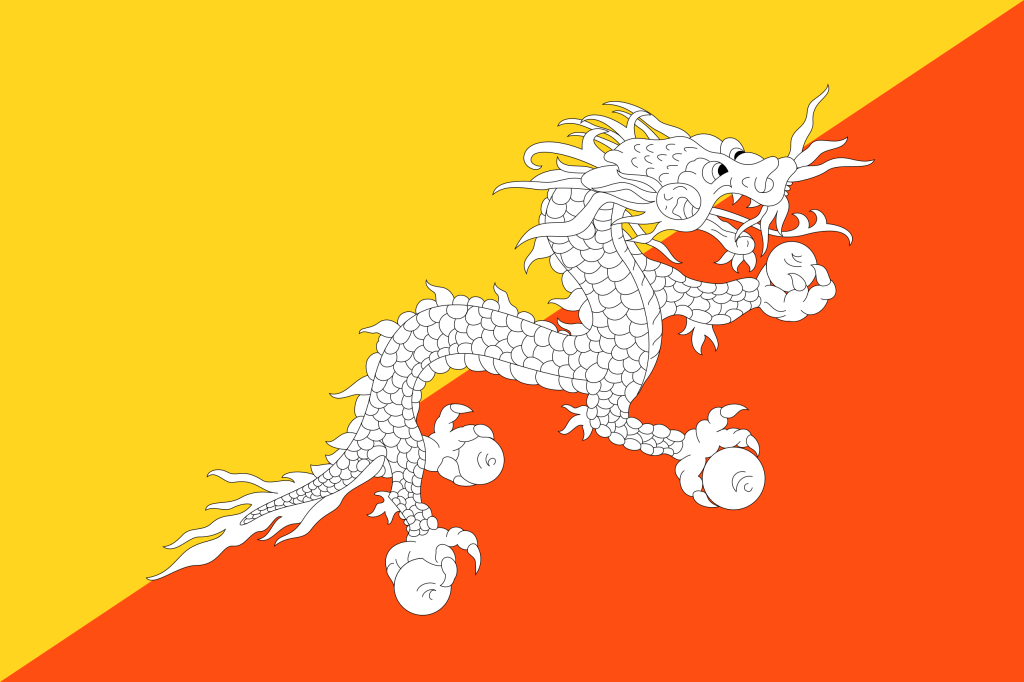
The flag: Traditionally, the sound of thunder in the many mountains and valleys of Bhutan is believed to be the voice of dragons, and the country is known as the “Land of the Thunder Dragon” in its native language. However, the flag’s dragon design may have been influenced by similar designs used for centuries by the neighbouring Chinese. In its claws the dragon on the flag grasps jewels, standing for national wealth and for perfection. The dragon, which was originally green, is now white, symbolizing purity and the loyalty of various ethnic groups within the country. The yellow-orange colour, which the Bhutanese government officially describes as yellow, is symbolic of the power of the king, as head of the secular government, while the orange-red is associated with the Bka’-brgyud-pa (Kagyupa) and Rnying-ma-pa(Nyingmapa) Buddhist sects and with the religious commitment of the nation.
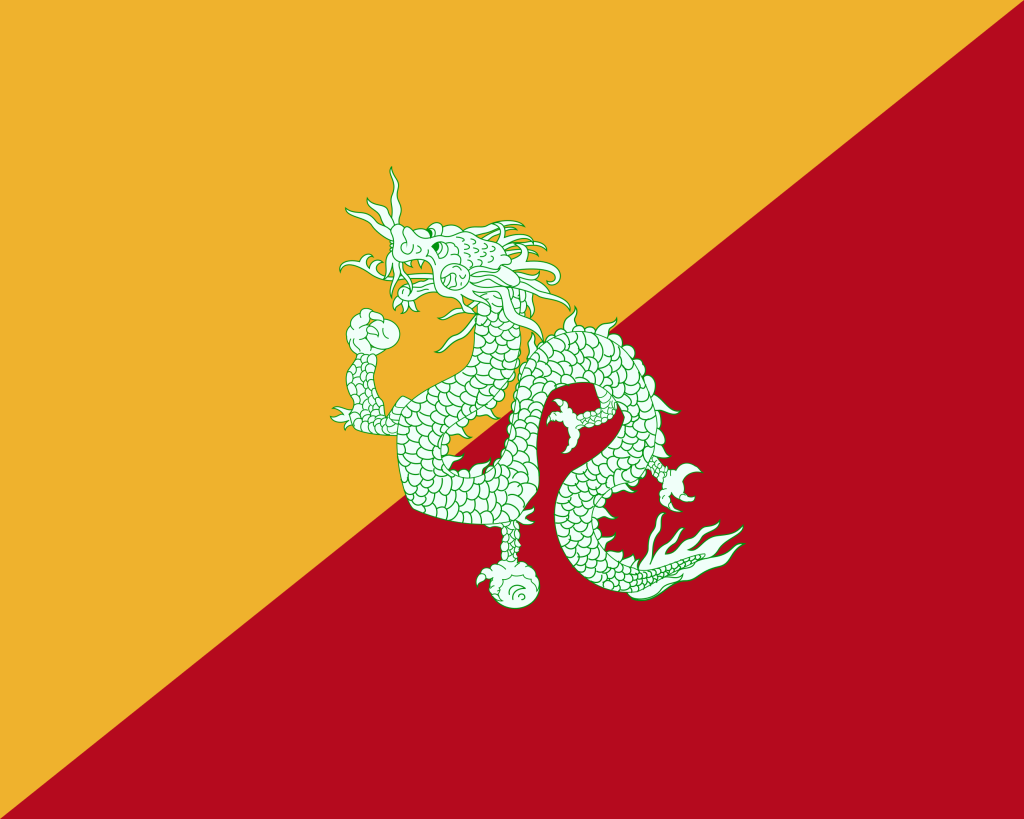
I have the flag for it’s good design and symbolism. And besides, who doesn’t love a snarling dragon.
 deliriouslove1970. The life & times of Gary and Denise Flanders. (Free and worth every penny. If you would like to compliment the editor, send to garytheflan@deliriouslove1970.com. If you would like to complain, call your mother.)
Leave a comment