
A fun fiction flag: The Vulcan Flag from the TV/Movies program, Star Trek
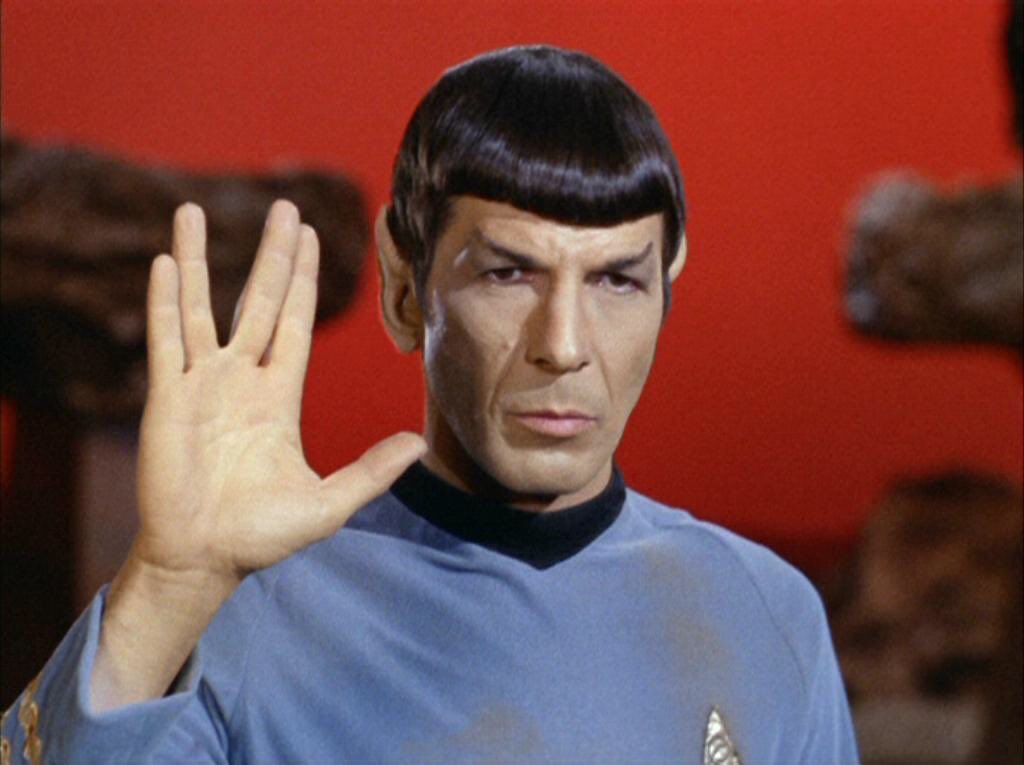
“Out of the many races and cultures present within the Star Trek universe, one of the most stable and memorable has to be the Vulcans. Sure, the hive-minded Borg and the honor-bound, forehead ridged Klingons play important roles throughout the franchise, but it is the steady guiding hands of the Vulcans who seem to always have humanity’s back. Despite the strict adherence to logic that defines much of their culture and nature, their history has been turbulent, especially when taking into account their sister species the Romulans.”
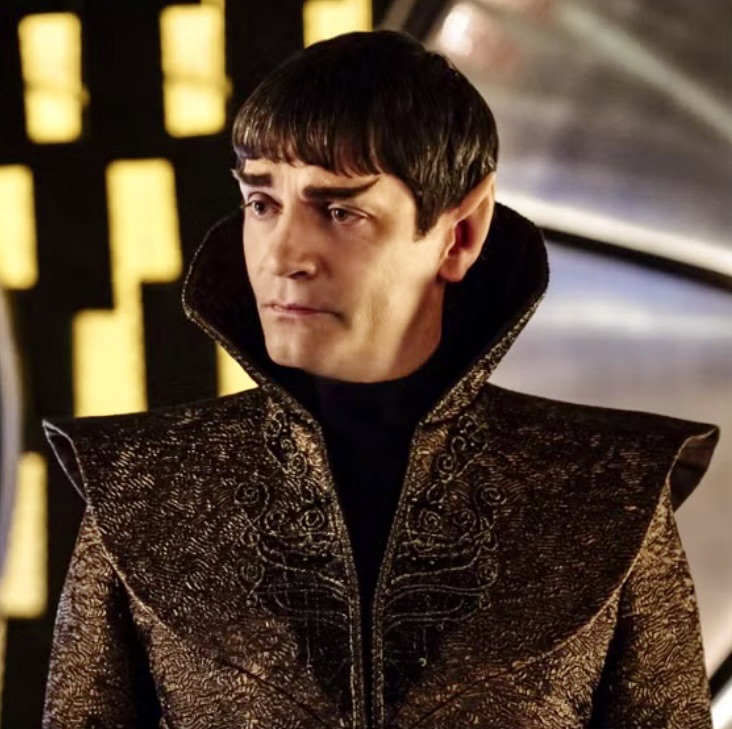
“Unlike the Klingons, who have changed appearance several times over the course of the franchise’s TV shows and films, the physical appearance of the Vulcans has more or less stayed the same since Gene Roddenberry’s pioneering, space faring vision: The Original Series. Their pointed ears and stylish, upwards-veering eyebrows have continued as a staple through the show, despite being originally designed to avoid costly prosthetics and make up. Like most life in the universe, the Vulcans are also humanoid in appearance.”
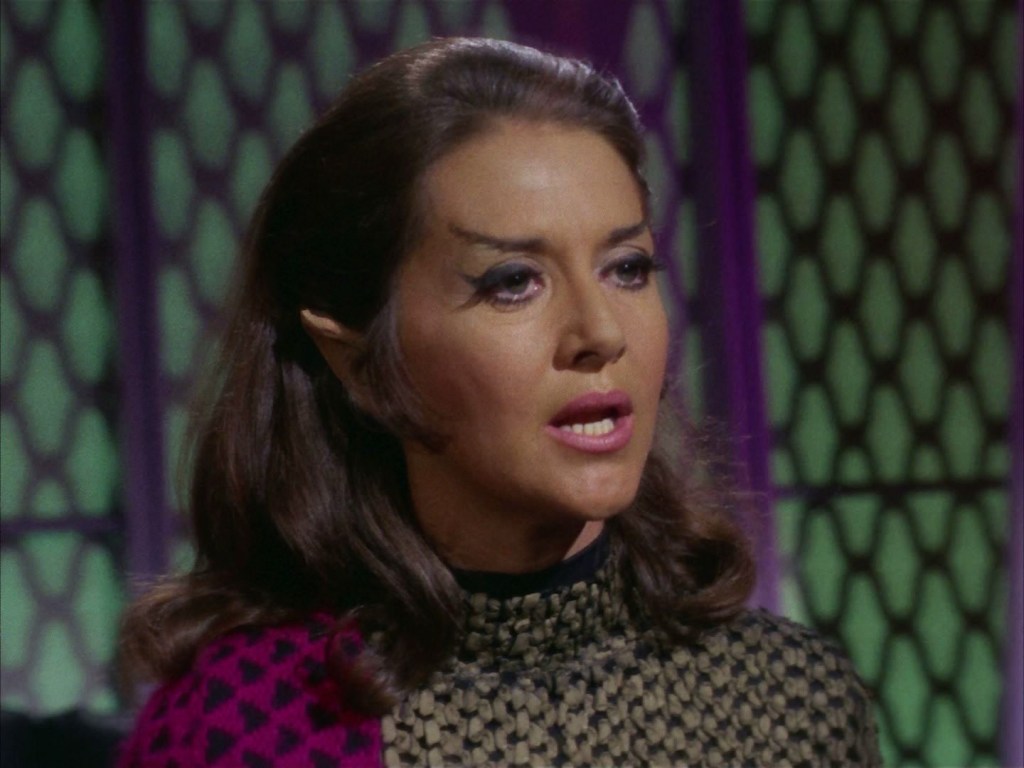
“When exploring Vulcan history, it’s important to include the Romulans. These two species are incredibly different in nature, but share a striking resemblance to one another physically. During The Original Series, audiences discover, alongside the crew of the enterprise, that Vulcans and Romulans really are not too dissimilar at all, as they are both descended from the same ancient ancestors. Their divergence took place before the Vulcans adopted their characteristic obsession with logic and reason.”
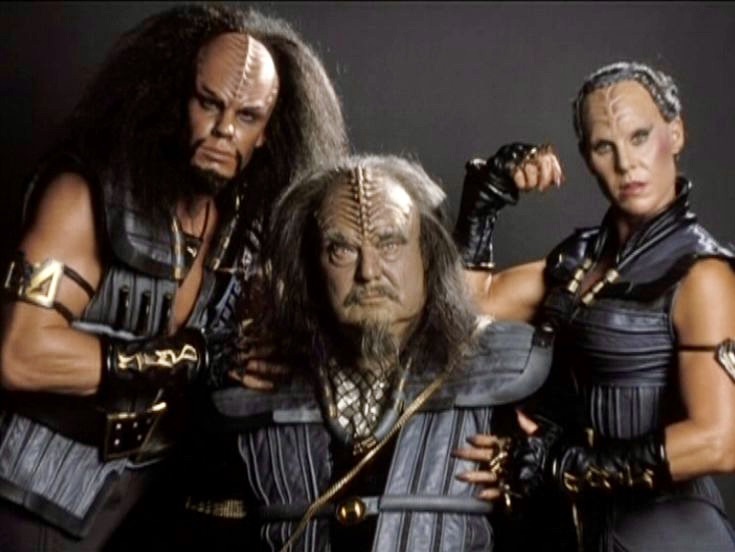
“The ancient Vulcans were an emotionally charged, warlike species, who desired to conquer the stars. They were a barbaric race, who was starting to buckle under its own weight. Through their unquenchable passion and emotion, they were on a slippery slope to extinction. This was until the 3rd millennium BC, when a few ancient Vulcans began to try and suppress their emotion. However, they were still in the minority, seen more as a religious cult rather than people to be taken seriously. The majority of Vulcans still were fueled by emotion, violence, and passion. By the 9th Century BC, Vulcans had discovered warp capabilities, but due to their technological advancements being so far ahead of the rest of the galaxy, they were mostly alone — which, due to their colonization habits, was probably a good thing.”
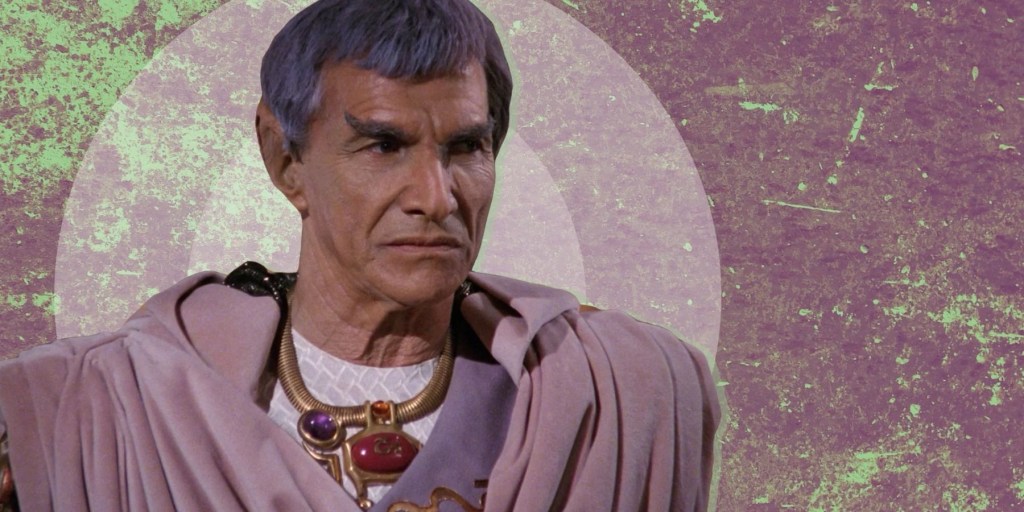
“Everything changed, however, during what is known as the “Time of Awakening,” which occurred during the 4th Century. At this time, the planet Vulcan was being torn apart by its inhabitants, who were constantly at war with one another. They had begun to drop nuclear bombs, as well as using a device called the Stone of Gul, which would amplify the target’s violent emotions to the point where they would see red, and go on a blind rampage. Out of all this bloodshed, however, there appeared a Vulcan philosopher called Surak, who had adopted a lifestyle led by logic over emotion, teaching his followers around Vulcan his philosophy. He grew more and more popular, until his observations and teachings were recorded in what equates to the Vulcan holy book: the Kir’Shara.”

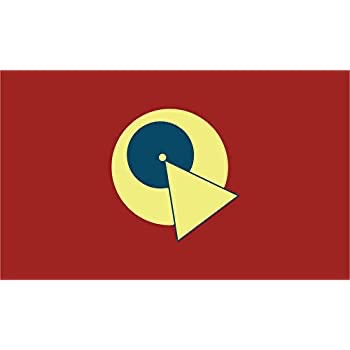
The flag is a red field with a yellow circle and a rather unusual design in the center of the circle. The significance of the design is perfect for our current times.
The design has become known as the IDIC, ‘Infinite Diversity In Infinite Combinations’. It is based on the episode entitled, ‘The Savage Curtain’. Spock is talking with Kirk and says: “We’ve each learned to be delighted with what we are. The Vulcans learned that centuries before we did.”
“It is basic to the Vulcan philosophy, sir. The combination of a number of things to make existence worthwhile.”
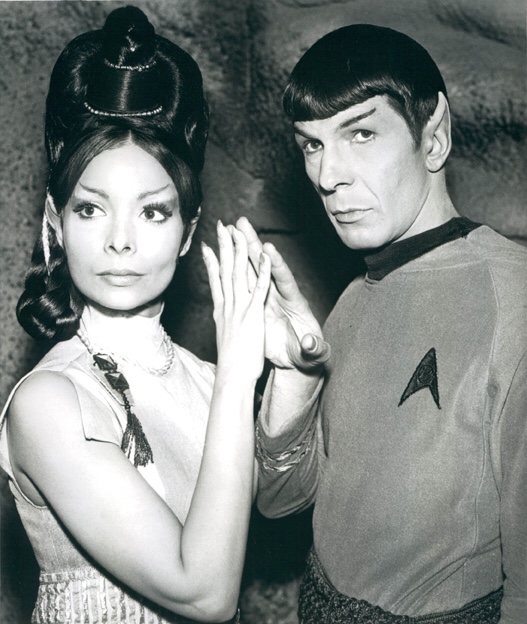
The basis of Vulcan philosophy. “It represents a Vulcan belief (also Roddenberry’s belief) that beauty, growth, progress — all result from the union of the unlike.” And the symbol, a triangle intersecting a circle, with a stone in the center, represents this with unlike shapes – one smooth and one angular – combining together with a gemstone in the middle, “as the union of words and music creates song, or the union of marriage creates children. The circle can represent infinity, nature, woman, etc; the triangle can represent the finite, art, man, etc
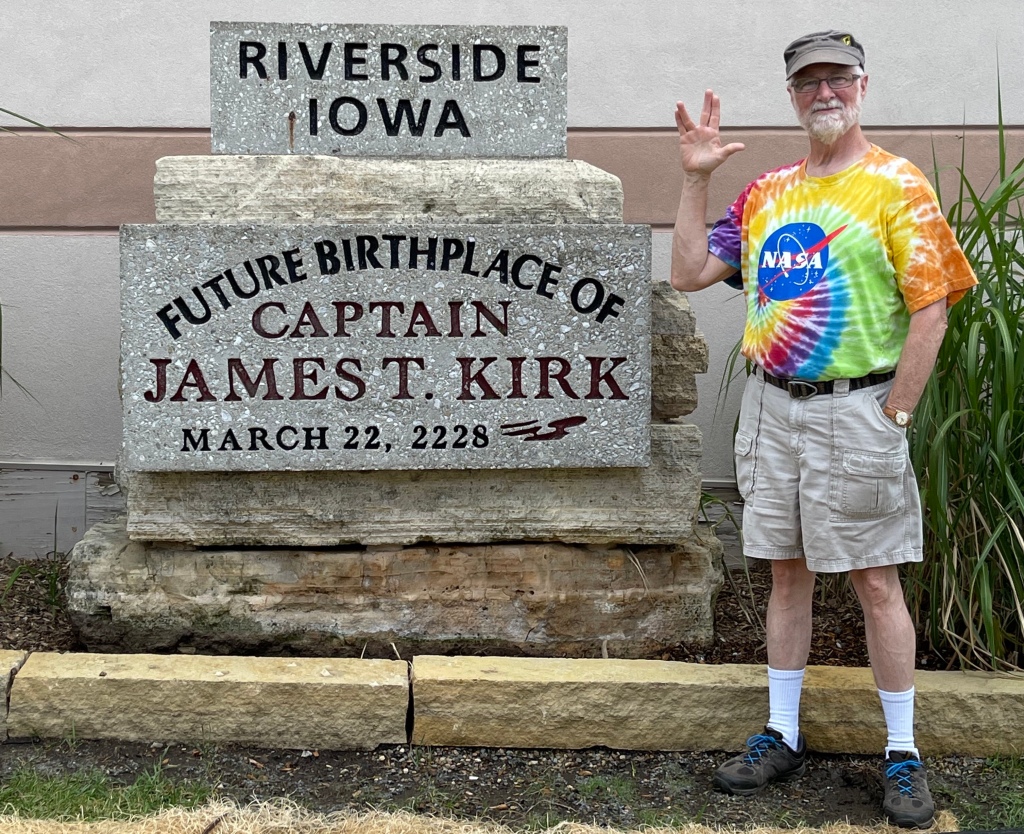
On a trip to visit our Goddaughter in Iowa we stopped at a famous Star Trek site. We were in the small town of Riverside to see the future birthplace of Spock’s best friend, James Tiberius Kirk.
 deliriouslove1970. The life & times of Gary and Denise Flanders. (Free and worth every penny. If you would like to compliment the editor, send to garytheflan@deliriouslove1970.com. If you would like to complain, call your mother.)
Leave a comment