
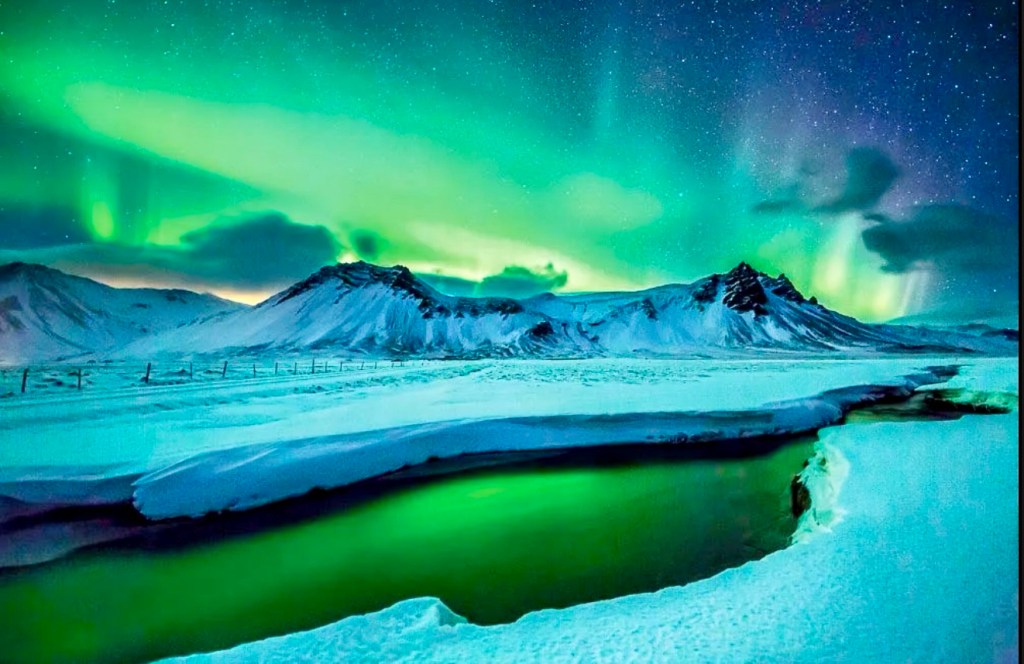
Iceland, island country located in the North Atlantic Ocean. Lying on the constantly active geologic border between North America and Europe, Iceland is a land of vivid contrasts of climate, geography, and culture. Sparkling glaciers, such as Vatna Glacier (Vatnajökull), Europe’s largest, lie across its ruggedly beautiful mountain ranges; abundant hot geysers provide heat for many of the country’s homes and buildings and allow for hothouse agriculture year-round; and the offshore Gulf Stream provides a surprisingly mild climate for what is one of the northernmost inhabited places on the planet.
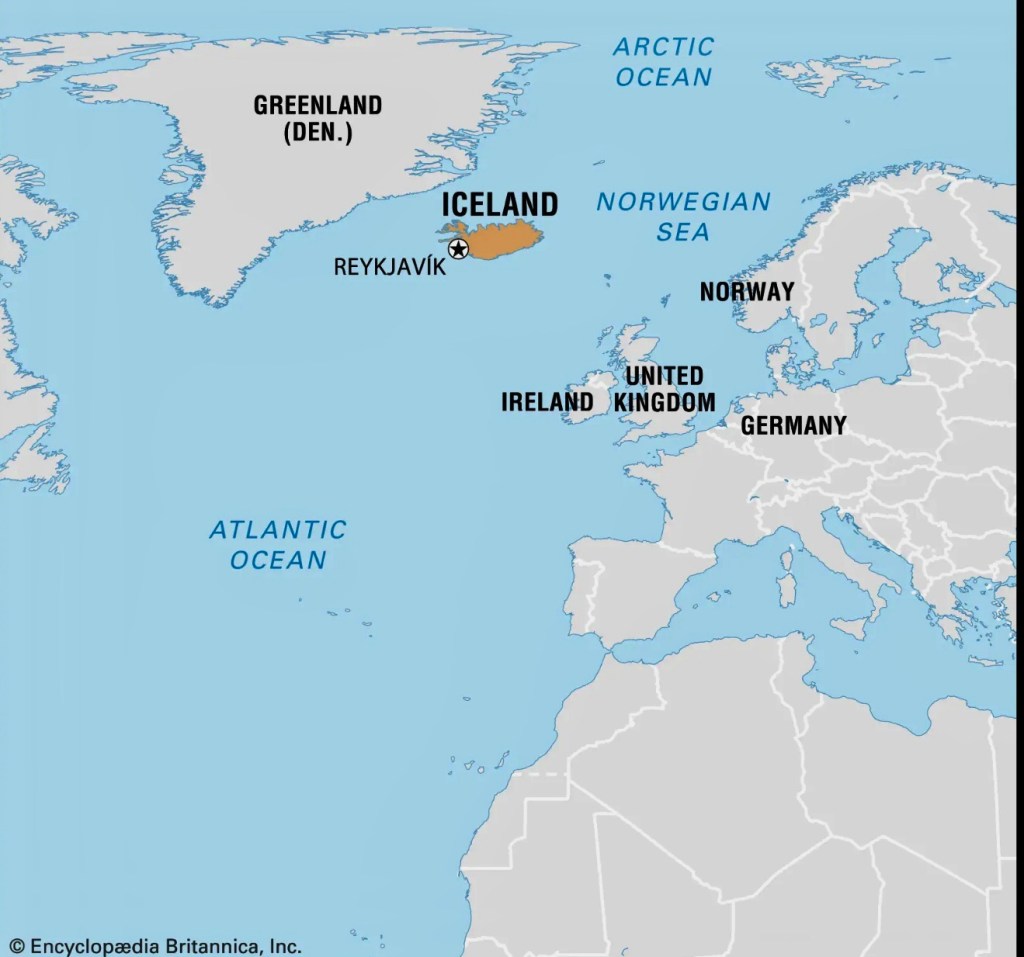
Iceland was founded more than 1,000 years ago during the Viking age of exploration and settled by a mixed Norse and Celtic population. The early settlement, made up primarily of Norwegian seafarers and adventurers, fostered further excursions to Greenlandand the coast of North America (which the Norse called Vinland). Despite its physical isolation some 500 miles (800 km) from Scotland—its nearest European neighbour—Iceland has remained throughout its history very much a part of European civilization. The Icelandic sagas, most of which recount heroic episodes that took place at the time the island was settled, are regarded as among the finest literary achievements of the Middle Ages, reflecting a European outlook while commemorating the history and customs of a people far removed from continental centres of commerce and culture.

Iceland is a Scandinavian country, the world’s oldest democracy but modern in nearly every respect. Unlike most European countries, however, it is ethnically homogeneous, so much so that genetic researchers have used its inhabitants to study hereditary disorders and develop cures for a host of diseases. Although increasingly integrated into the European mainstream, Icelanders take care to preserve their traditions, customs, and language. Many Icelanders, for example, still believe in elves, trolls, and other figures in the mythical landscape of the Norse past.

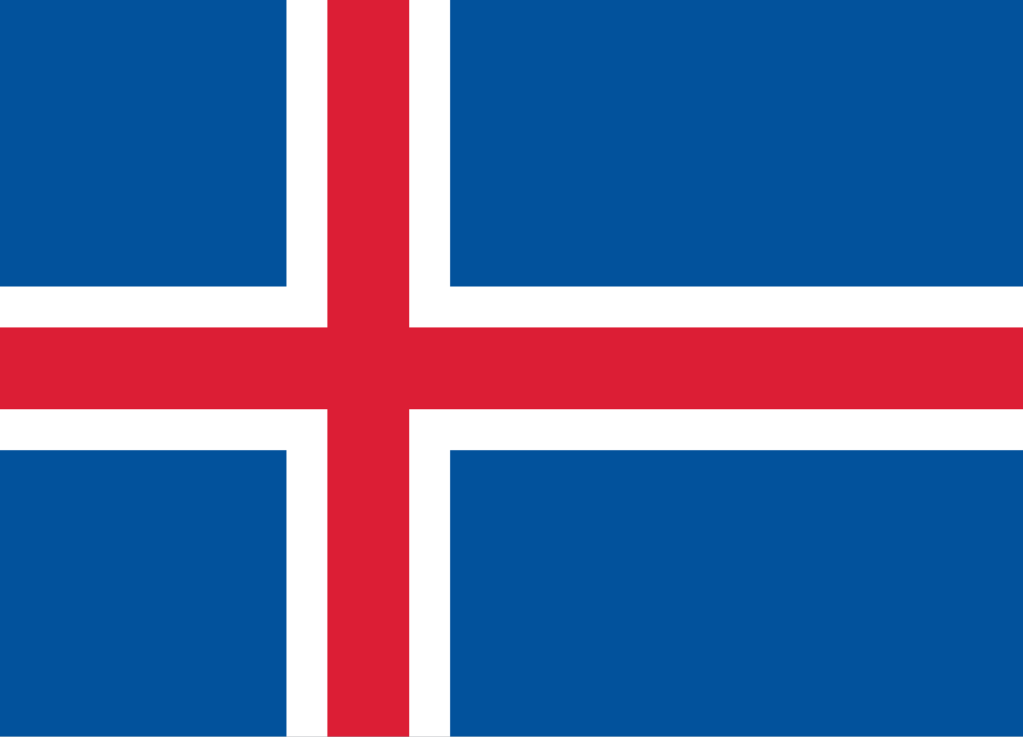
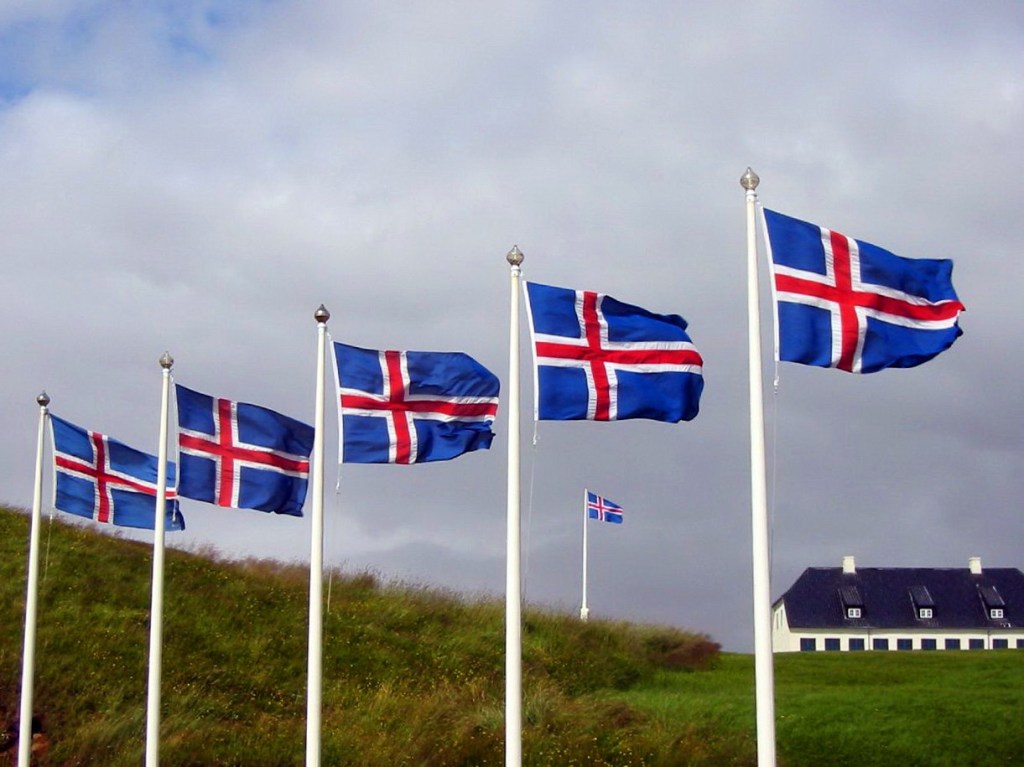
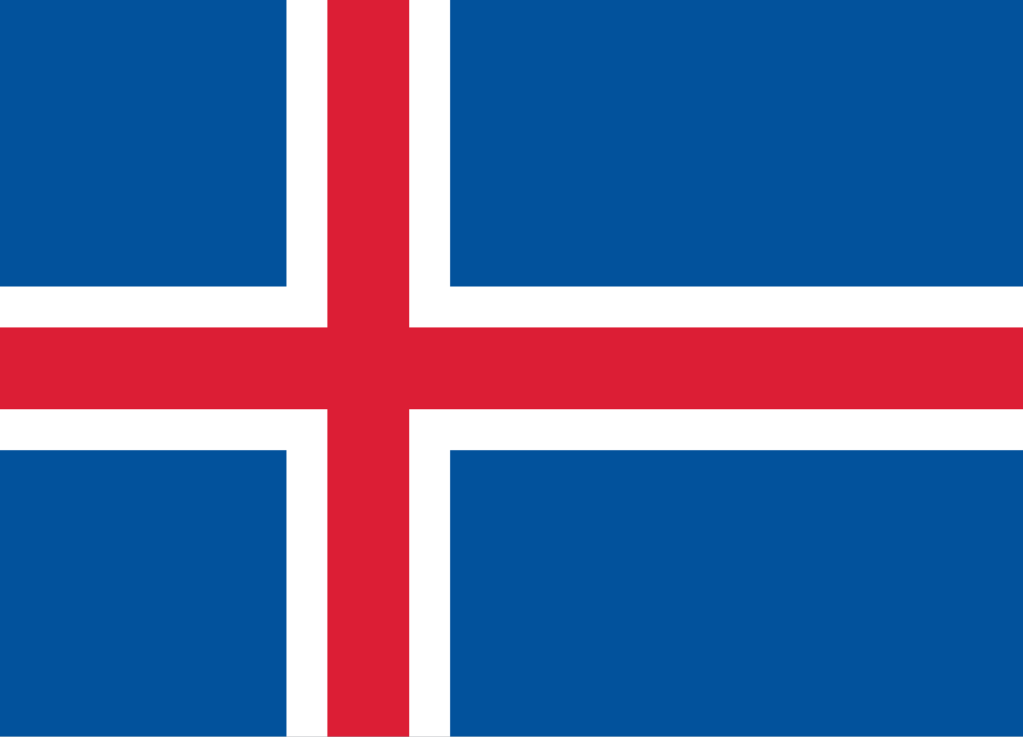
The civil flag of Iceland had been used as an unofficial symbol since the late 19th century, originally as a white cross on a blue background. The current design was adopted on 19 June 1915, when King Kristján X issued a decree allowing it to be flown in Icelandic territorial waters, where only the Danish flag had been permitted, and stipulating that a red cross was to be incorporated into the design to distinguish it from similar foreign flags. Other symbolic meanings refer to the natural features of Iceland itself. Blue is the colour of the mountains when looked at from the coast, white represents the snow and icecovering the island for most of the year, and red the volcanoes on the island.

 deliriouslove1970. The life & times of Gary and Denise Flanders. (Free and worth every penny. If you would like to compliment the editor, send to garytheflan@deliriouslove1970.com. If you would like to complain, call your mother.)
Leave a comment