
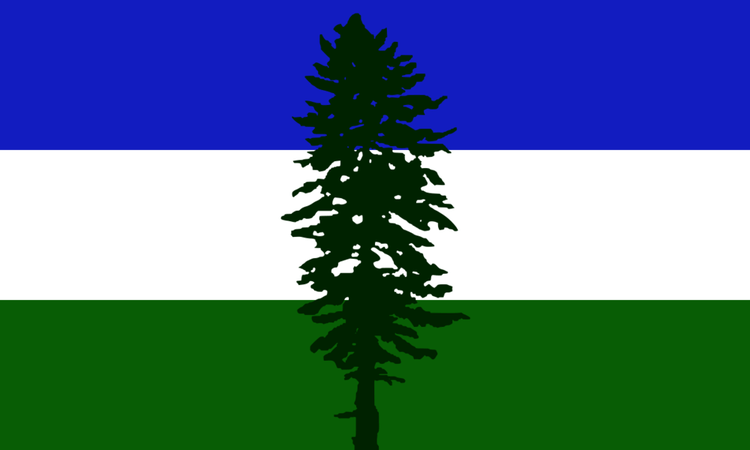
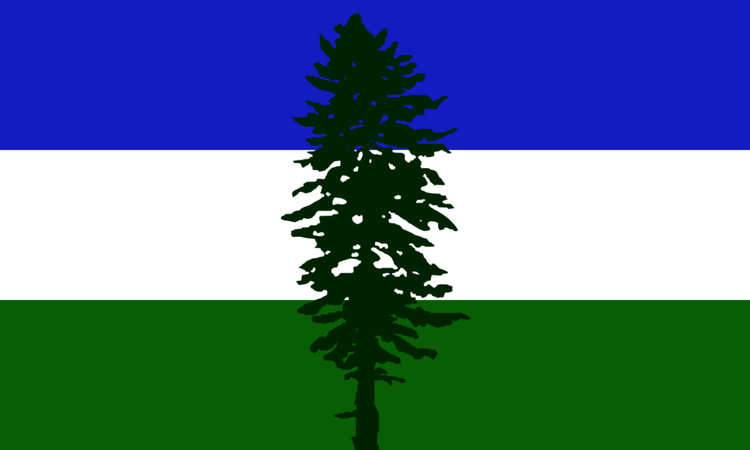
The Cascadia Bioregion. (Aka “The Doug Flag – for the Douglas Fir tree in the middle.)

Stretching for more than 2500 miles along the Pacific Rim, the Cascadia bioregion includes British Columbia, Washington, Oregon, Idaho and parts of South East Alaska and Northern California as defined through the watersheds of the Columbia, Fraser and Snake watersheds.
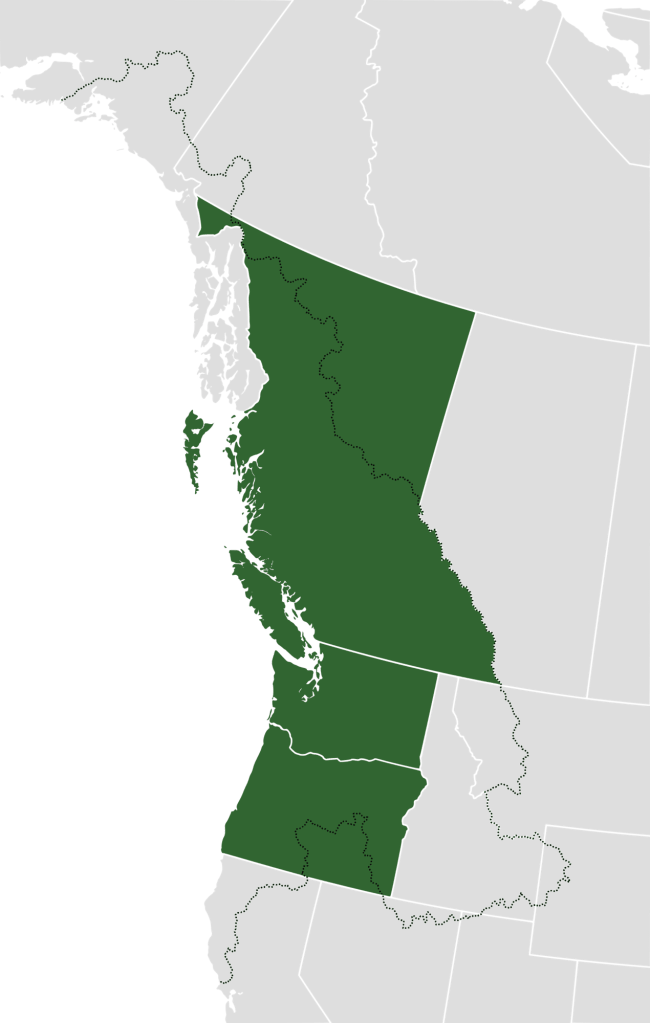
The Cascadia bioregion is home to slightly more than 16 million people (16,029,520), and would have an economy generating more than 1.613147 trillion worth of goods and services annually, placing it as the worlds 9th largest economy and roughly equivalent to that of Canada or Italy. Its population would be similar in size to that of Ecuador, Zambia, Cambodia, or the Netherlands.
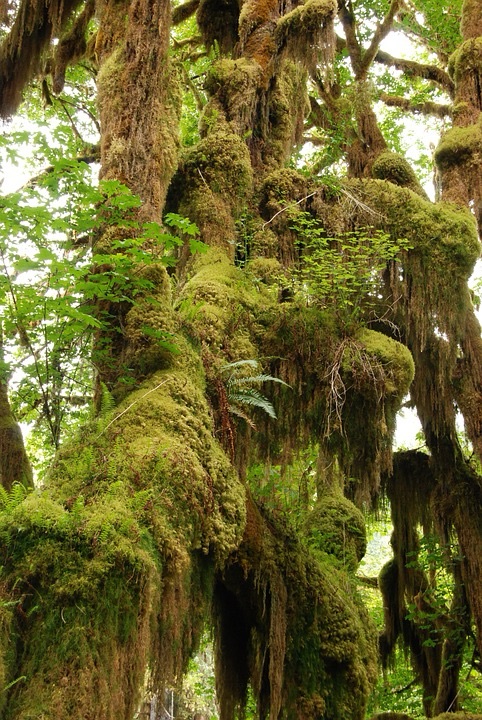
Cascadia contains the largest tracts of untouched old growth temperate rainforests in the world, including 7 of the top 10 worlds carbon absorbing forests, the worlds tallest trees, thousands of volcanoes, hot springs, rivers, lakes, inlets, island and ocean, and some of the last diminishing, though still impressive wild habitats of salmon, wolves, bear, whale, orca. In all – more than 350 bird and mammal species, 48 reptiles, hundreds of fungi, lichen, and and thousands of invertebrates and soil organisms call Cascadia home.
- bioregion defined by the watersheds of the Columbia and Fraser river valleys that stretches from Northern California to south east Alaska and as far east as the Yellowstone Caldera and continental divide. It encompasses most of the states and province of British Columbia, Washington, Oregon and Idaho, and parts of southeast Alaska, Northern California and Western Montana.
- inclusive social movement to empower every individual and community to be active around issues they care, and find solidarity and support.
- regional identity, rooted in a love of place and stemming from shared experiences, environment, and need, as well as principles and values.
- positive vision for a bioregion that is resilient, vibrant and autonomous, that protects the things we find special
The Cascadia Movement
Cascadians are brought together by their love of place, and their desire to protect the things we find special and to improve the well being of everyone, and everything living here.
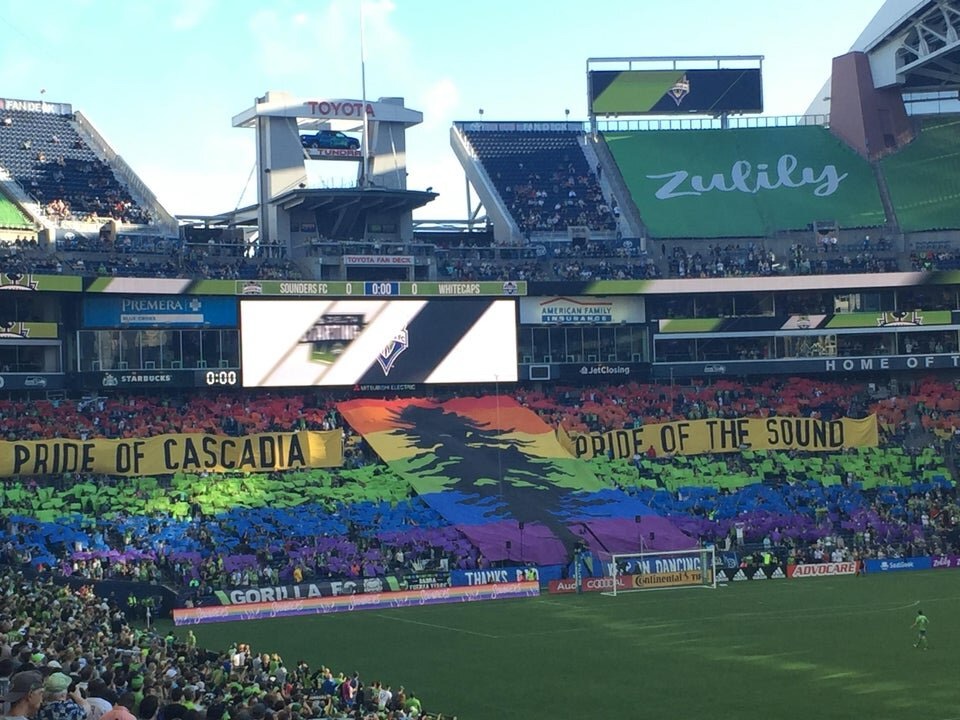
The Cascadia movement today includes tens of thousands of individuals, businesses and community groups throughout the Cascadia bioregion.

Within Cascadia, there are more than 238 nations that call this region home. Since time immemorial, this region has been an interdependent crossroads of trade, language, and dozens of nations stretching for as far as the salmon swim. Before 1800, it is estimated that more than 500,000 people lived within the region in dozens of nations such as the Chinook, Haida, Nootka and Tlingit.
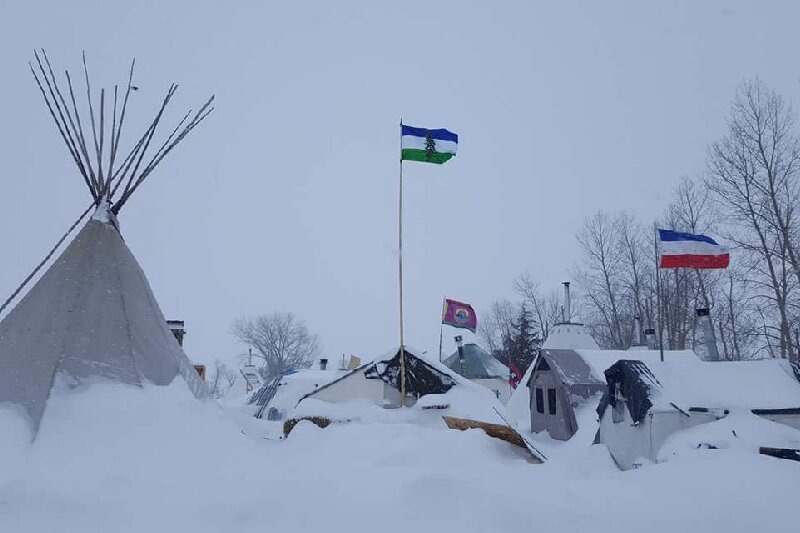
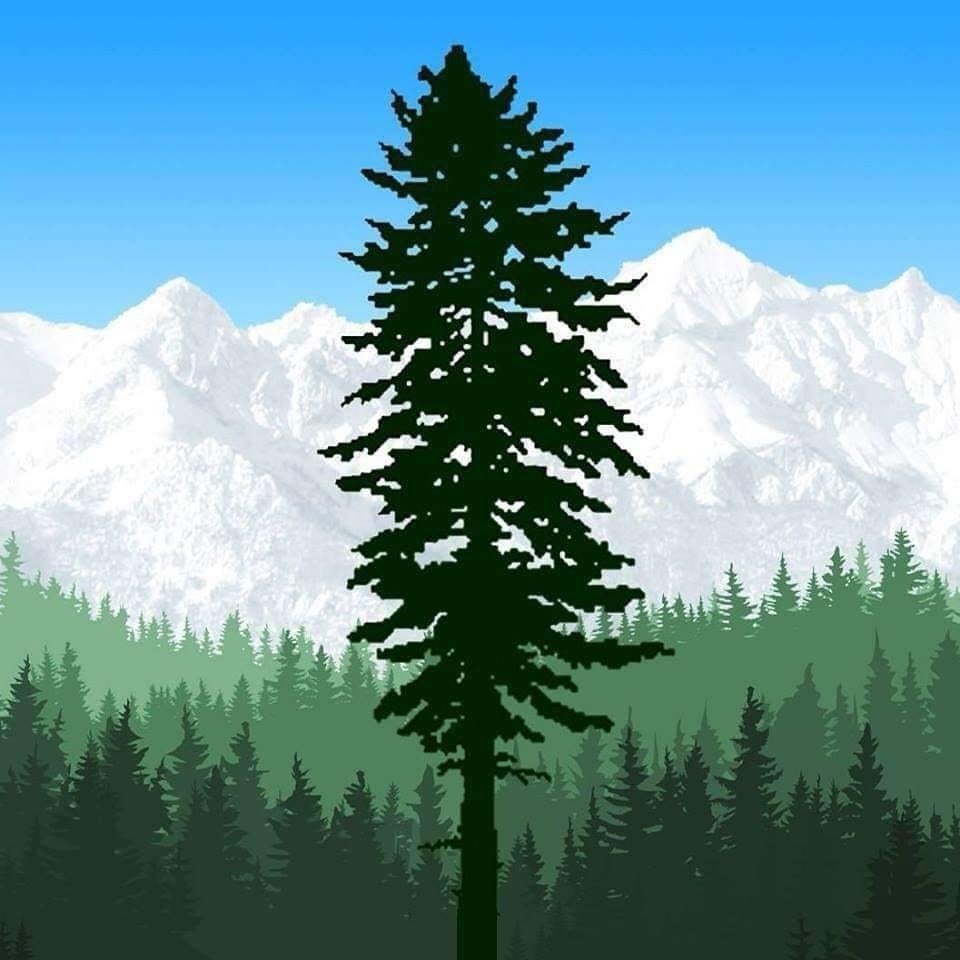
The Cascadia flag conveys something more tangible than an abstract concept of demarcation of space. It is not a flag of blood nor of the glory of a nation, but a love of the bioregion; our ecological family, natural boundaries & the place in which we live & love.”
– Alexander Baretich
The Cascadia Doug flag is a symbol for our landscape and is a direct representation of the bioregion, and for our movement. Designed in 1994 by Portland native Alexander Baretich, the blue of the flag represents the moisture-rich sky above, and the Pacific Ocean, along with the Salish Sea, lakes, and inland waters. Our home is a place of continuous cascading waters flowing from the Pacific to the western slopes of the Rockies and Cascades where water cycles back to the Pacific. The white represents snow and clouds, and the green represents the evergreen forests and fields of the Pacific Northwest. The lone-standing Douglas Fir symbolizes endurance, defiance, and resilience. All these symbols come together to symbolize what being Cascadian is all about.
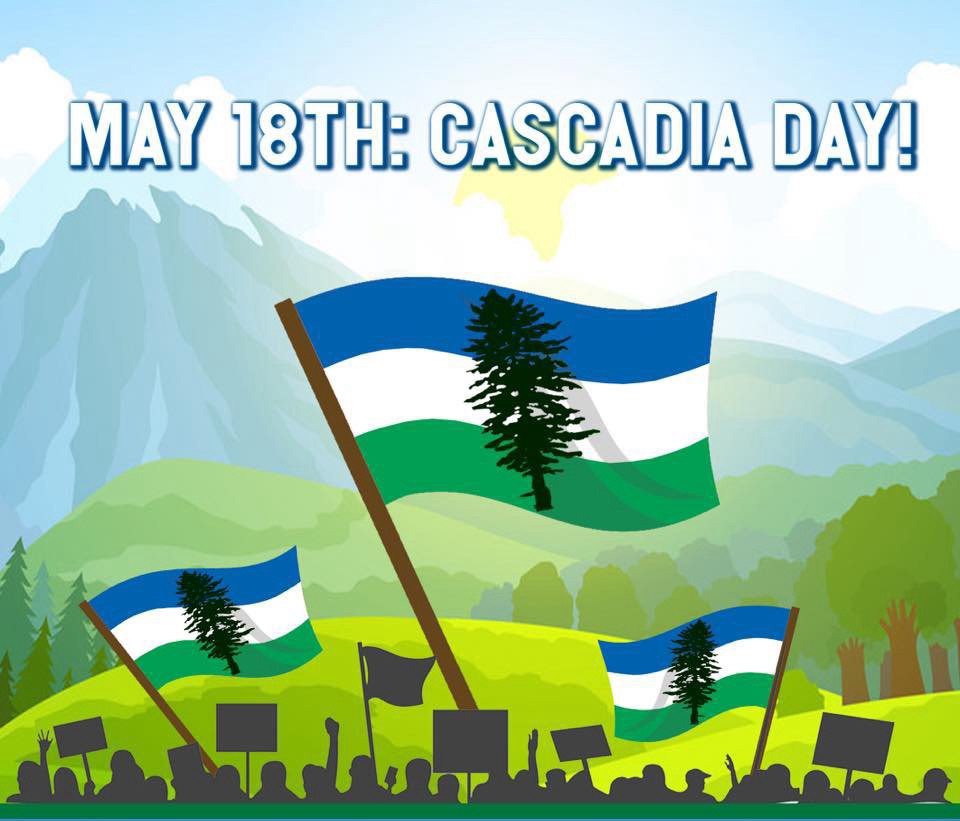
A flag not for a country but for a region and an idea. It is an excellent design, by a member of The Portland Flag Association and a NAVA member.

 deliriouslove1970. The life & times of Gary and Denise Flanders. (Free and worth every penny. If you would like to compliment the editor, send to garytheflan@deliriouslove1970.com. If you would like to complain, call your mother.)
Leave a comment